

What Are the Best Bits for Horses That Evade Pressure?
For many horse riders, navigating the peculiarities of equine behavior can be both a rewarding and challenging endeavor. One such challenge arises with horses that evade pressure from their bits. The reasons for this can vary vastly, with the common thread being discomfort or misunderstanding. Thankfully, selecting the right bit can profoundly enhance a horse's comfort, responsiveness, and overall performance.
Why Do Horses Evade Bit Pressure?
Avoiding discomfort is intrinsic to a horse's nature. There are several reasons why horses may evade bit pressure:
- Pain or discomfort due to an ill-fitting or overly harsh bit
- Overuse or constant pressure causing desensitization
- Riders with inconsistent or harsh hands
- Incorrect bit type for a horse’s mouth shape or training level
- Physical issues such as neck or back soreness
These factors often manifest as friction behaviors like opening mouths, tossing heads, or ignoring rein cues altogether.
Understanding Bit Pressure and Horse Comfort
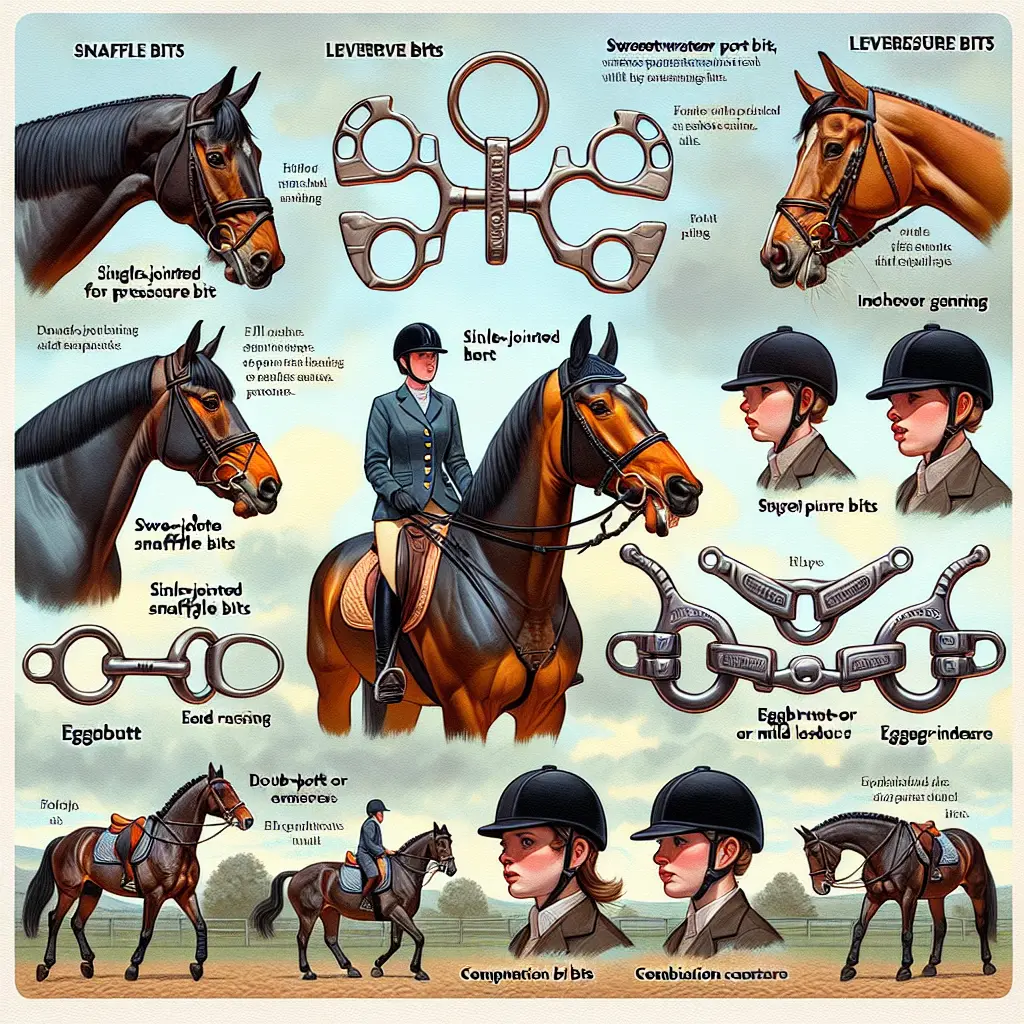
Bits function by exerting pressure on varied pressure points within the horse's mouth and head. Two primary categories are:
- Snaffle bits: Utilize direct pressure on mouth bars, tongue, and corners. These are commonly considered gentler, making them apt for horses that avoid pressure[5].
- Leverage (curb) bits: Involve shank mechanisms that magnify rein pressure, influencing the poll, chin groove, and mouth. These bits necessitate well-practiced hands and can be too persistent for sensitive horses[1].
Post-cue pressure release is crucial; prolonged pressure shifts horses into resistance rather than compliance.
Best Bits for Horses That Evade Pressure
Choosing the correct bit rests heavily on ensuring gentle and clear communication to reduce any form of evasion.
1. Sweetwater Port Bits
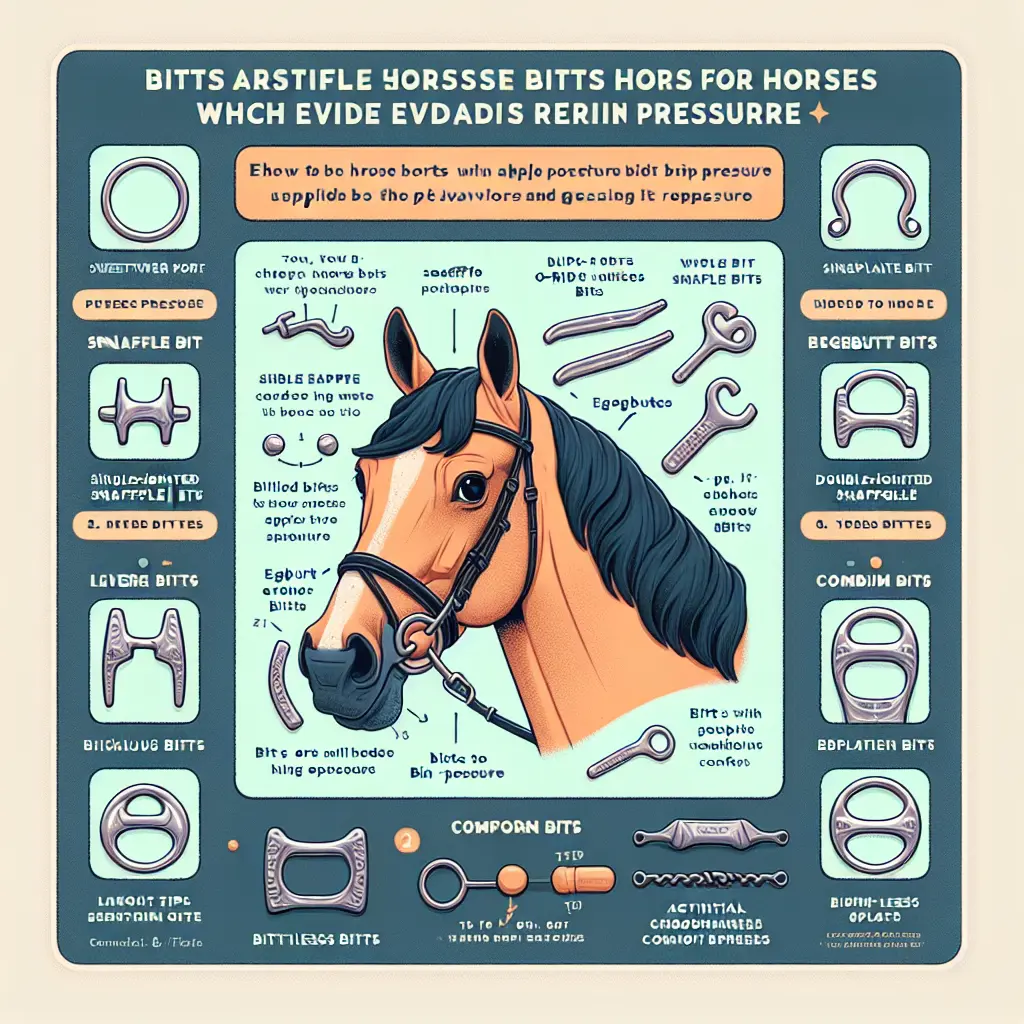
These feature a curved port that allows the tongue to evade rein pressure by focusing on the mouth's bars. This structure encourages bit acceptance by minimizing tongue discomfort[1].
2. Single-Jointed Snaffle Bits
Providing direct, even pressure with some flexibility, these are softer compared to their double-jointed counterparts. Especially popular among sensitive equines, they limit the "nutcracker" effect if sized accurately[4].
3. Double-Jointed Snaffle Bits (French Link)
Unlike single-jointed versions, these distribute pressure more uniformly across the tongue and bars but can cause discomfort if poorly adjusted, especially in horses prone to evasions[4].
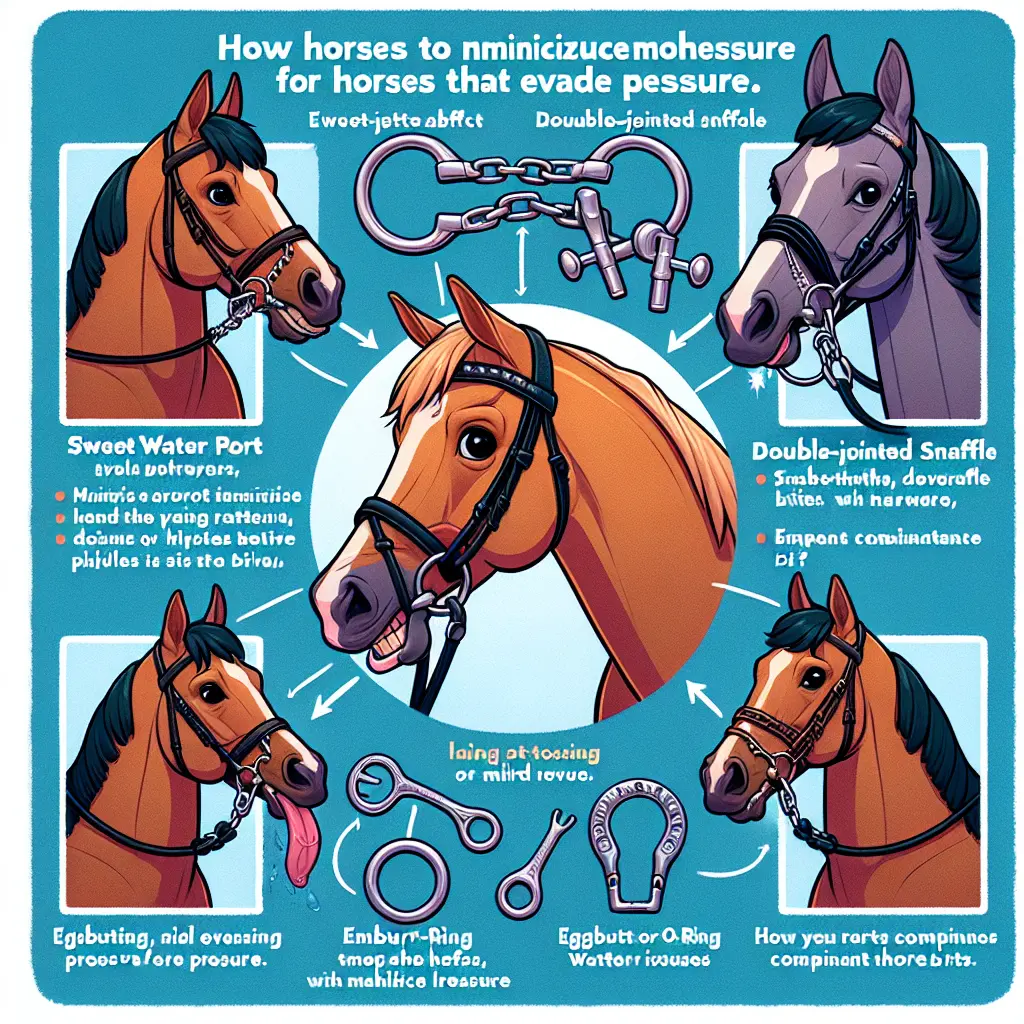
4. Eggbutt or O-ring Snaffles
Designed to prevent pinching at the mouth corner, they provide needed lateral containment, ideal for horses evading pressure by head-turning or lifting the bit out of place[5].
5. Bit with Mild Leverage and Proper Adjustment (e.g., Short-Shanked Curb Bits)
When adequately adjusted with short shanks, these can offer poll pressure that invites relaxation. They require careful introduction and suit horses already at ease with bit pressure[1].
6. Combination Bits (Myler or Waterford)
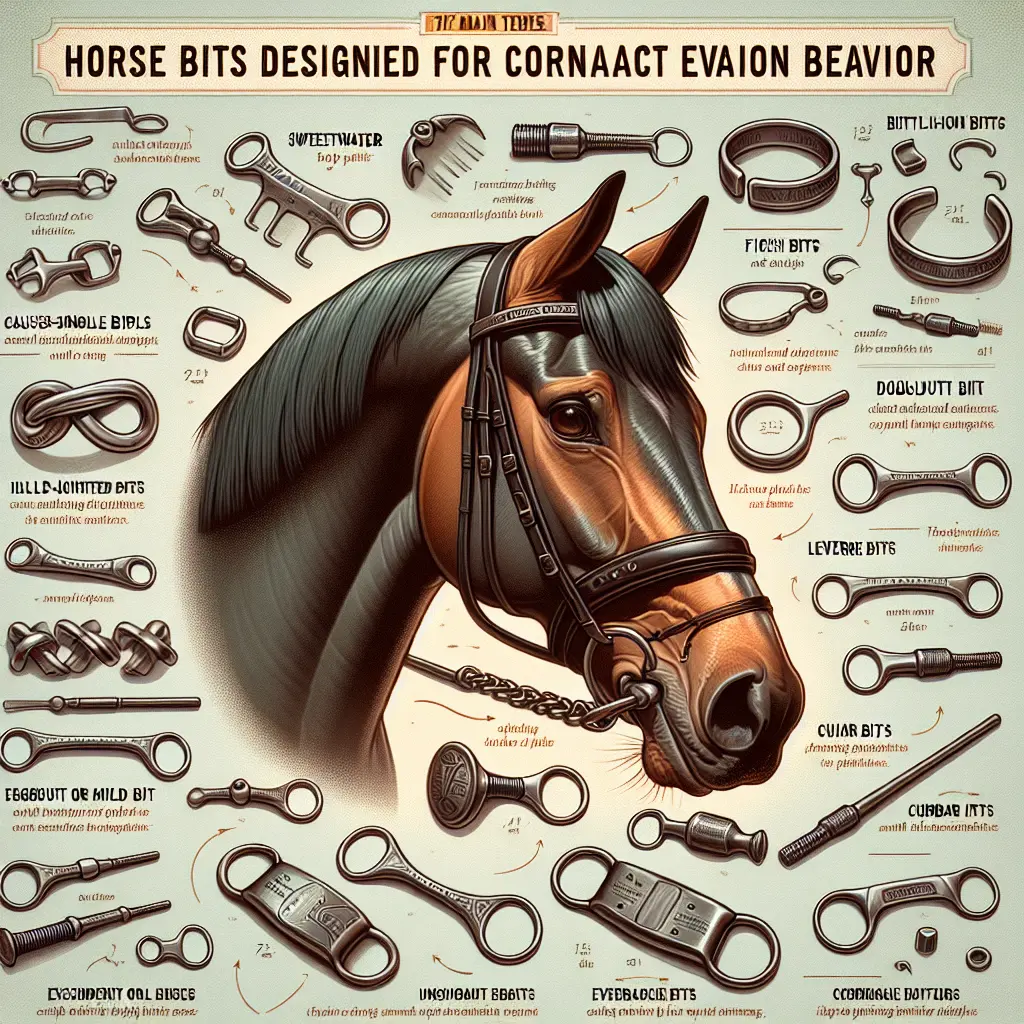
Waterford bits, distinct for their multiple loose rings, foster tongue movement while deterring leaning on the bit. Combined bits apply varied pressure points, addressing evasive gestures like head tossing[10].
Additional Tips to Manage Bit Evasion
- Use bit keepers or cheekpieces to guide the bit laterally and counter slipping that may cause evasions.
- Consistent “pull and release” cues aid horse understanding in pressure initiation and release, curbing resistance[1].
- Regular evaluation of bit fit and mouth health prevents and diagnoses persistent evasion challenges.
- Consider bitless bridles or hackamores in cases of continued aversion, requiring varied training and control methods[2].
Scientific and Expert Backing
Oklahoma State University's Extension program elaborates on bit selection, emphasizing minimizing ongoing pressure and employing short, concise cues[1]. Mad Barn highlights pressure site impact on equine behavior, notably the lesser reactive response achieved by direct pressure bits, beneficial for evasive horses[2]. Equine Bitting Solutions stresses on bit-induced discomfort as a primary evasion catalyst, urging appropriate bit choices to mitigate this issue[3].
Final Thoughts
Finding the right bit for a horse that's predisposed to evading pressure means pursuing gentle yet clear directions with minimal discomfort. Mild snaffle bits like the sweetwater port, eggbutt, or single-jointed snaffle often prove helpful. Situationally, mild leverage bits can achieve similar results when properly adjusted.
Above all, it's critical to monitor a horse's responses diligently, keeping a steady rein contact, and maintaining a consistent training regimen. Refrain from enduring pressure to foster mutual trust and cooperation.