

Exploring the World of Side Saddle Riding: Adventures, Challenges, and Confidence Boosters
Introduction
Dive into a world where elegance meets equestrian excellence. Welcome to the realm of side saddle riding, a timeless equestrian tradition that has enthralled riders for centuries. This article will illuminate the history, challenges, and contemporary allure of side saddle riding, offering insights into the unique adventures that this riding style promises enthusiasts.
History of Side Saddle Riding
Imagine the charm of riding with the grace of a bygone era. The origins of side saddle (as early as the 6th century) can be traced back to a time when it was not only a symbol of femininity but a practical choice. Princess Anne of Bohemia, on her journey to marry King Richard II in 1382, was one of the earliest women recorded to ride side saddle. The necessity for modesty in long skirts made this style ideal for women across cultures.
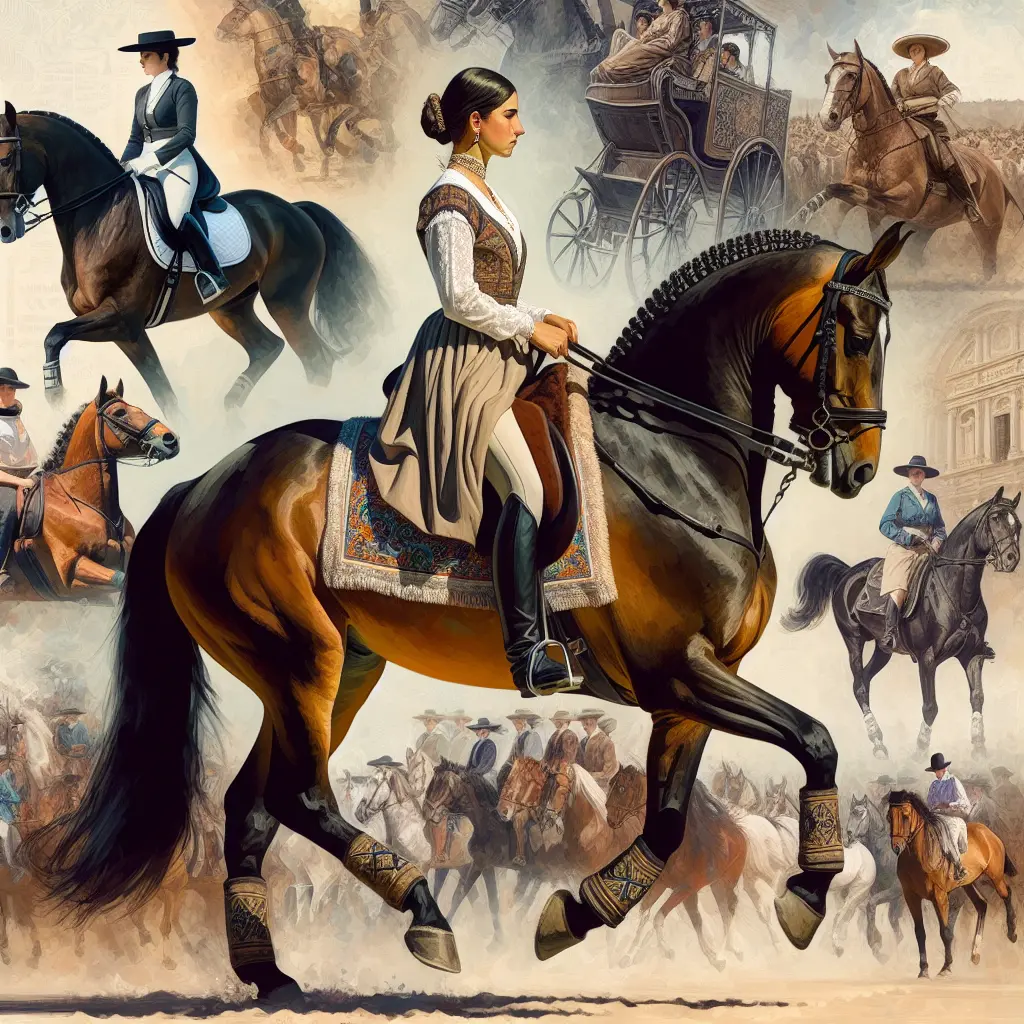
Early designs saw the side saddle as somewhat equivalent to sitting atop a chair with footrests, offering little in terms of horse control. Thanks to innovations by Catherine de Medici, the side saddle began to evolve in the 16th century, introducing a pommel to provide better support.
Modern Developments in Side Saddle Design
The 1830s marked a second revolution in side saddle design with the addition of a third pommel known as the "leaping head." This is where the confidence within the ride began to take shape, enabling women to gallop and jump with assurance.
Challenges of Side Saddle Riding
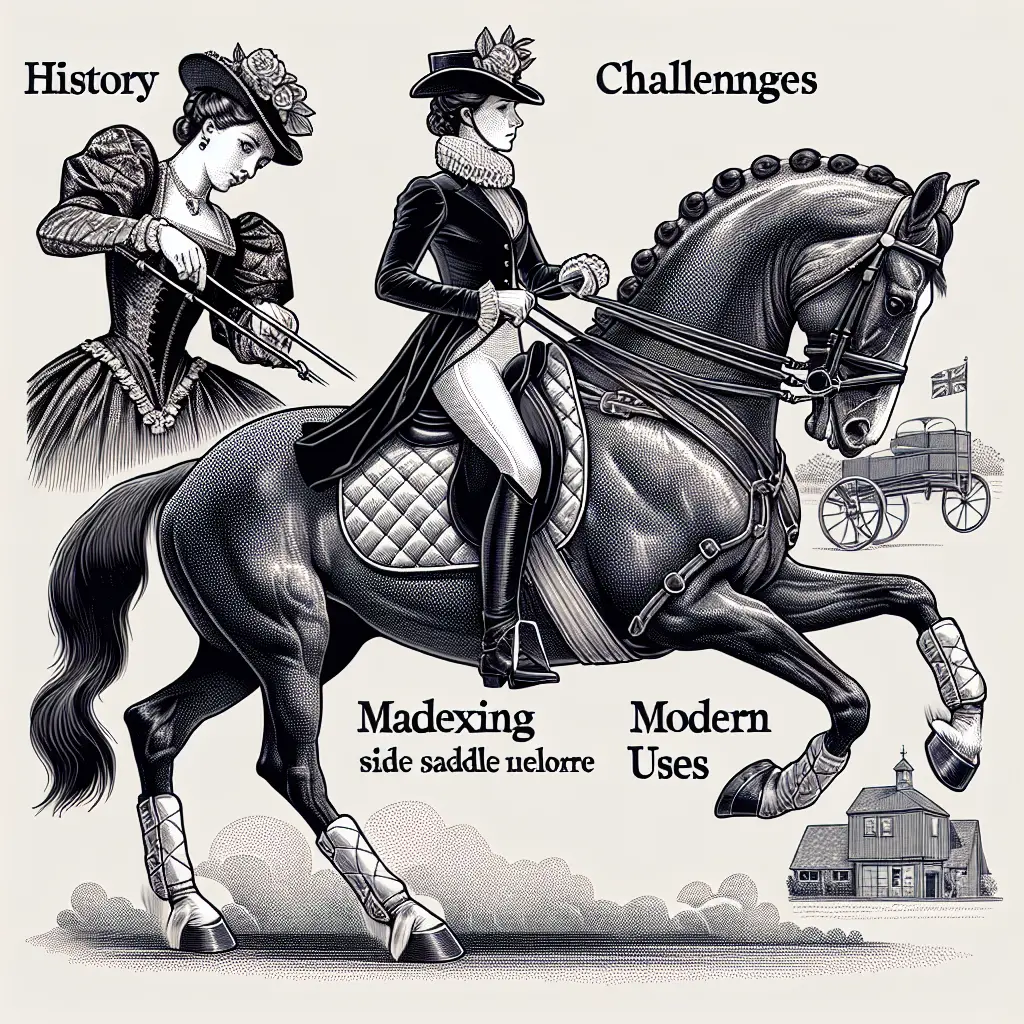
Riding have always been associated with various challenges. For side saddle, balance and control remain paramount. Riders must maintain a smooth posture akin to a delicate dance, intertwined with their horse’s movement. Core strength becomes a rider's closest ally.
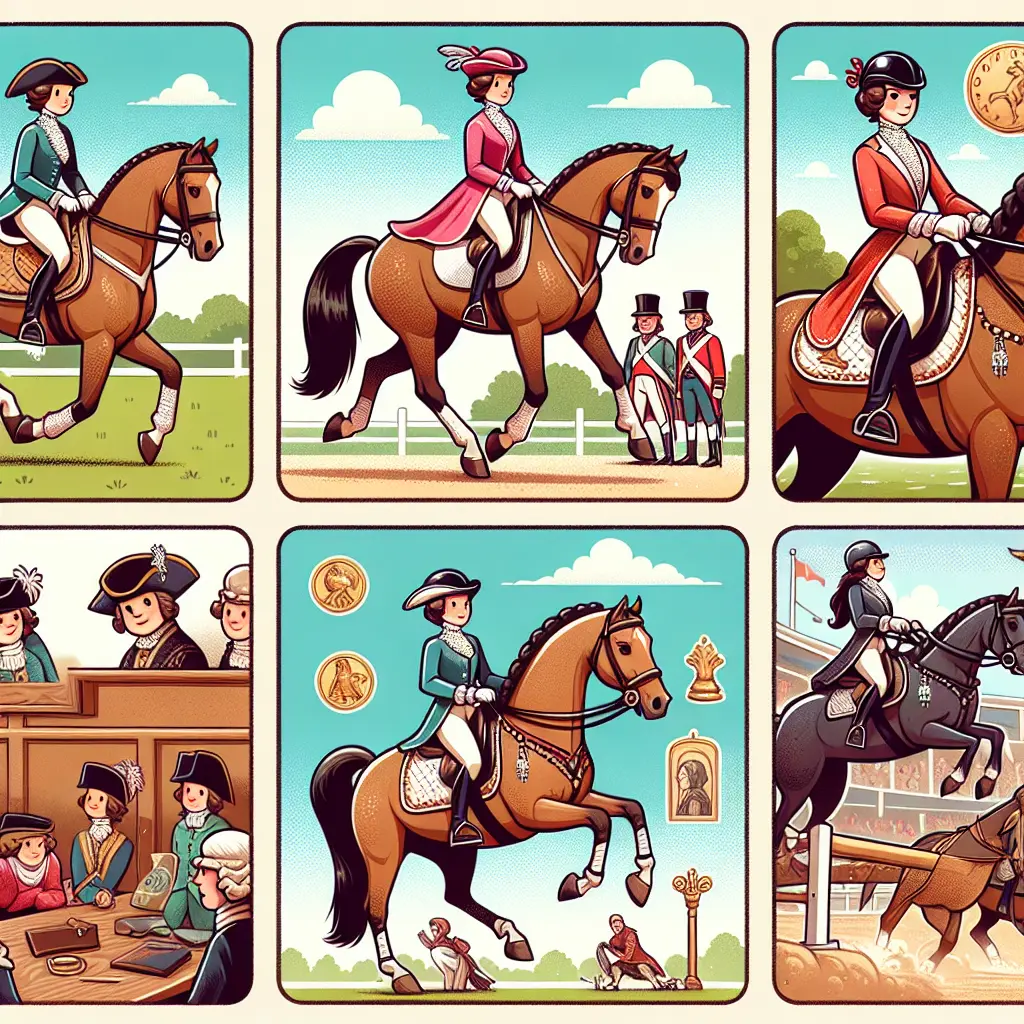
Safety has always been a key issue. Historical records jest grim tales of riders entangled in their skirts. Thankfully, modern advancements have mitigated these fears with the introduction of safety stirrups equipped with release mechanisms.
Confidence Boosters and Modern-Day Appeal
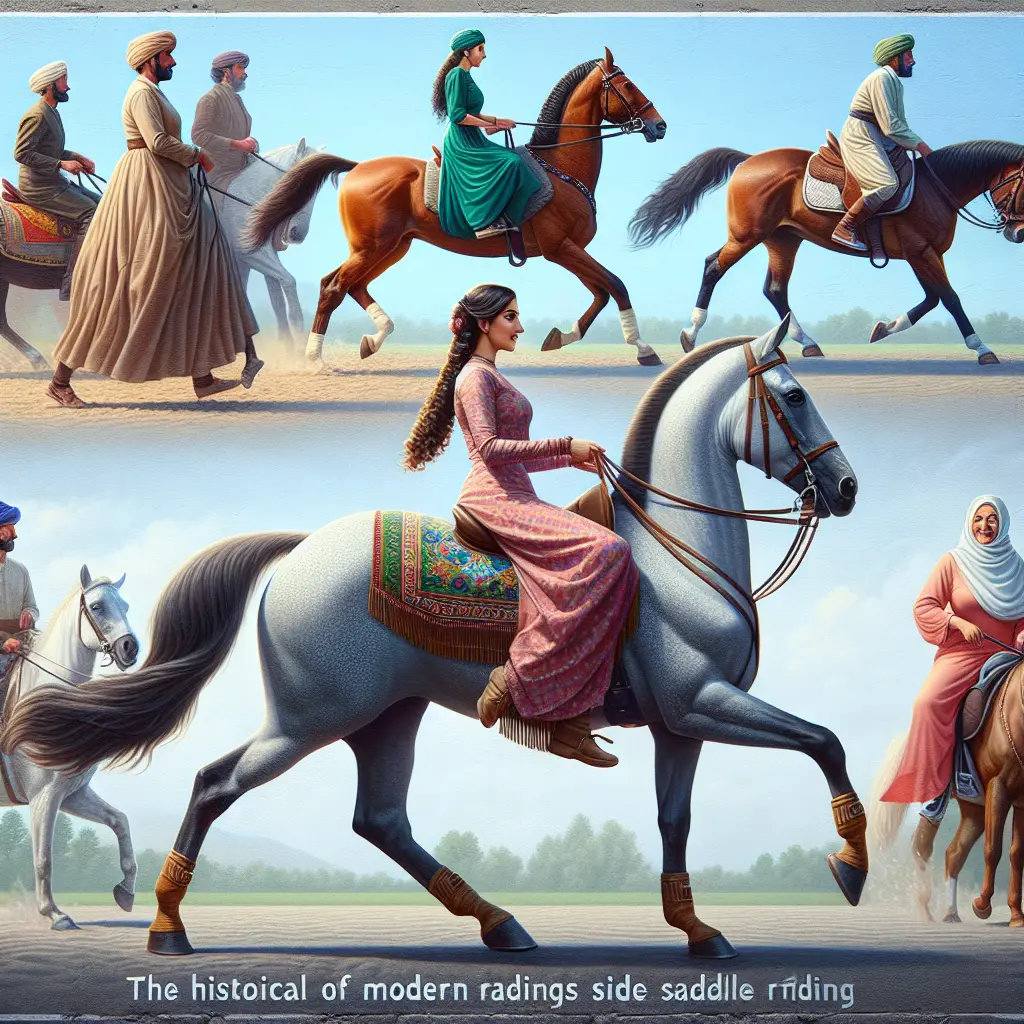
Despite its challenges, side saddle riding offers a confidence boost like no other. The link to a rich historical tradition fosters a sense of elegance and poise in riders, reminiscent of a dance across fields.
The side saddle riding style also provides numerous physical benefits, enhancing core muscle strength and improving posture. Additionally, its therapeutic value for individuals with certain physical limitations has made it a valuable alternative to traditional astride riding.
Adventures in Side Saddle Riding
Historical Reenactments
Riders often engage in historical reenactments, traveling back in time while donning period costumes, showcasing the dignified history of side saddle riding.
Competitive Events
Side saddle competitions, encompassing elements like jumping and dressage, offer thrilling challenges for skilled riders, parallel to other equestrian sports.
Therapeutic Riding
This style of riding also serves a therapeutic role, catering to individuals needing alternative riding experiences, proving therapeutic and engaging.
Conclusion
In conclusion, side saddle riding is a harmonious blend of history, skill, and adventure. Through its rich history, coupled with modern innovations, side saddle riding continues to captivate and inspire riders all over the world. Whether you're enamored by its historical charm or enticed by its physical benefits and therapeutic uses, there's no denying the confidence and elegance it instills. Embrace the allure and grace of side saddle riding; unlock a world of exciting adventures and timeless poise on horseback.