Mastering the Art of Feeding Haylage: A Guide for Horse Owners
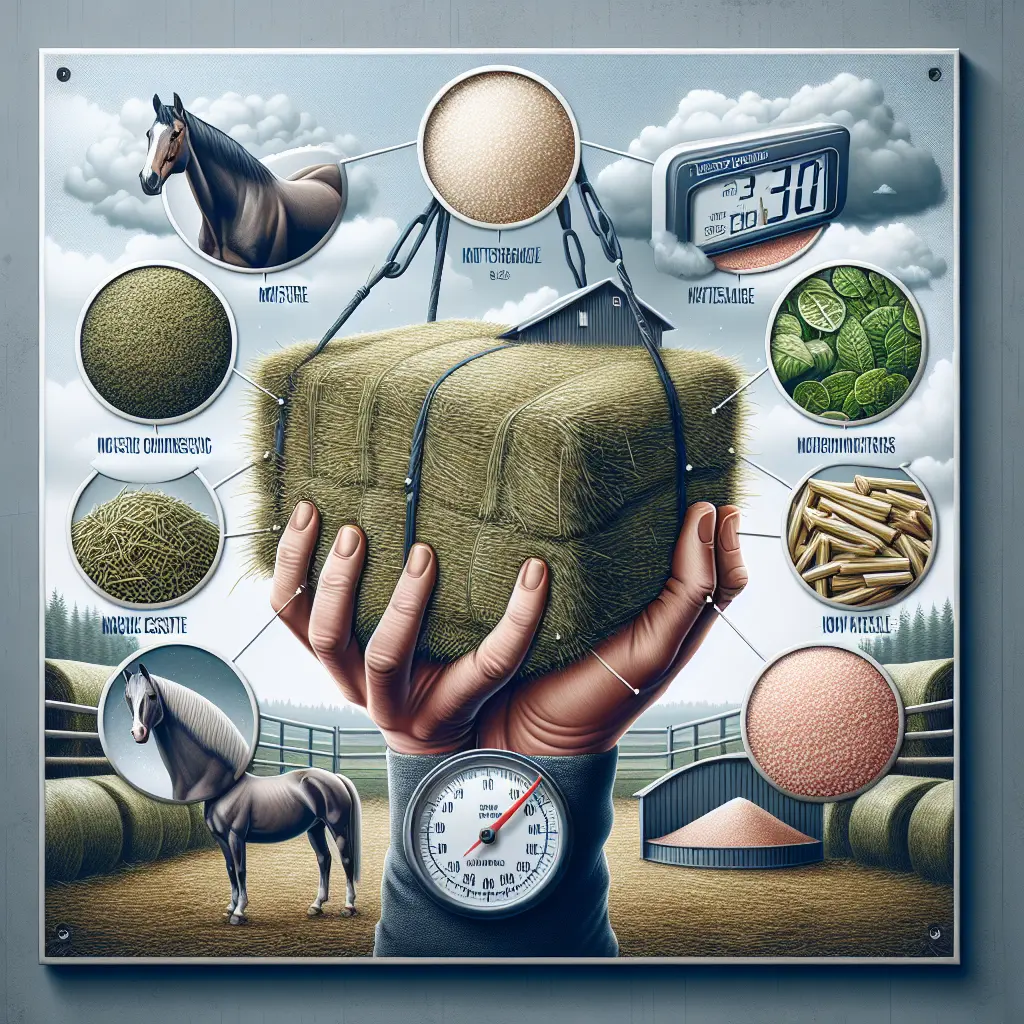
Accurately weighing and feeding haylage is a crucial aspect of maintaining your horse's optimal health and managing its weight effectively. Unlike traditional hay, haylage has a different moisture content and dry matter percentage, necessitating careful measurement to ensure optimal nutritional intake. Typically, horses require about 2% of their body weight in dry matter daily [1][3][4].
Understanding Haylage Composition
Haylage usually contains about 50-70% dry matter, compared to hay's approximately 90% dry matter. This means that to provide the same amount of nutrients, you generally need to feed a higher weight of haylage than hay. A standard 500 kg (1100 lb) horse would consume around 5.6 kg (12.2 lb) of dry haylage or 10-15 kg (22-33 lb) of wet haylage daily to meet their forage needs, equating to 2% of body weight on a dry matter basis [1][3].
Steps for Accurately Weighing Haylage
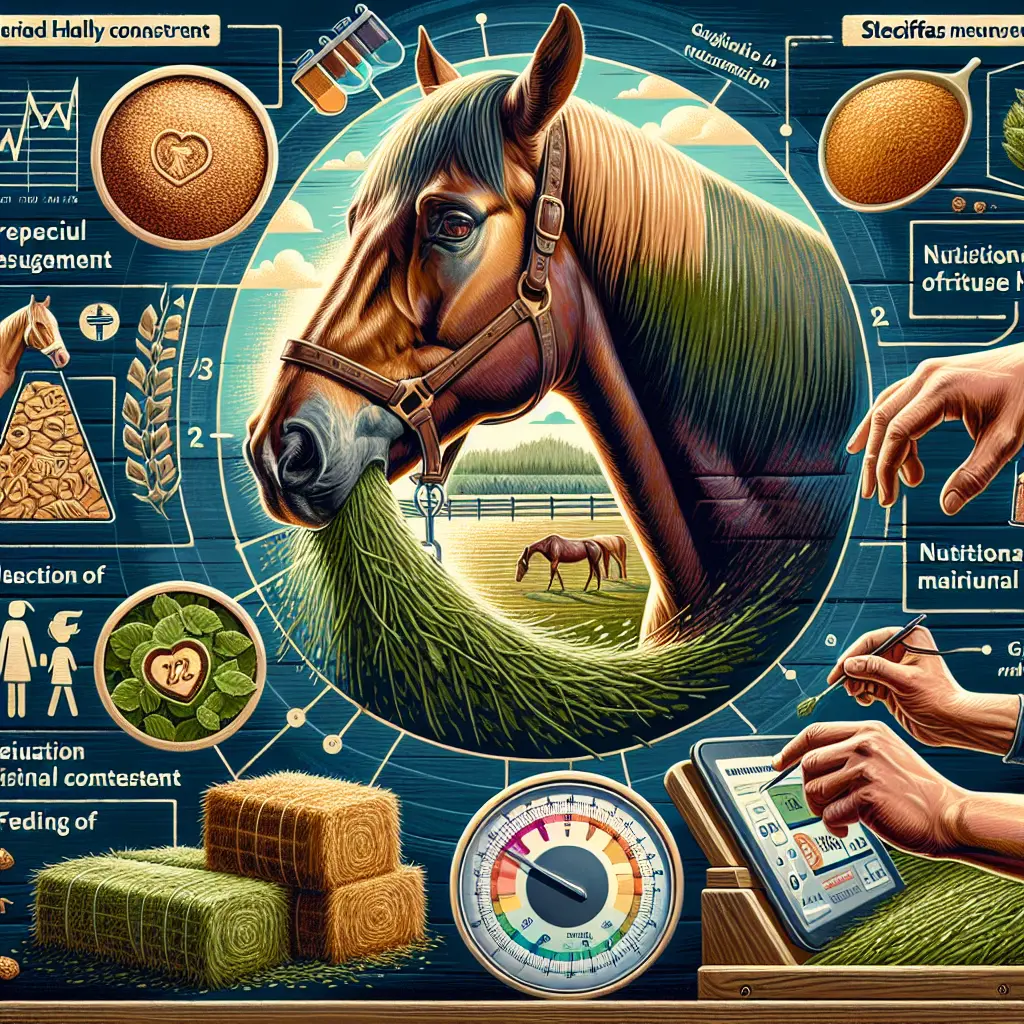
1. Know Your Dry Matter (DM) Content
Haylage's moisture content varies significantly, often between 30-50%, meaning fresh weight alone is not an accurate indicator of nutritional content. Knowing the dry matter content of your haylage helps calculate the true amount of feed your horse requires. For instance, haylage with around 50% DM means half the fresh weight is water, so doubling the fresh weight provides an approximate dry matter equivalent for feeding[4].
2. Use a Reliable Scale
Given that haylage can be baled in various sizes and densities, visual estimation can lead to feeding errors. Using a digital or farm scale to weigh the haylage each day ensures a consistent dry matter intake aligned with your horse's weight, condition, and activity level[1].
3. Adjust Feed According to Horse Needs
Horses at a healthy weight need forage at 2% of their body weight (dry matter). Easy keepers or horses prone to weight gain might require less, roughly 1.5% of their current or 2% of their ideal weight to promote weight loss safely. Regularly monitoring your horse's body condition helps inform necessary feeding adjustments[4].
4. Consider Forage Quality and Nutrient Composition
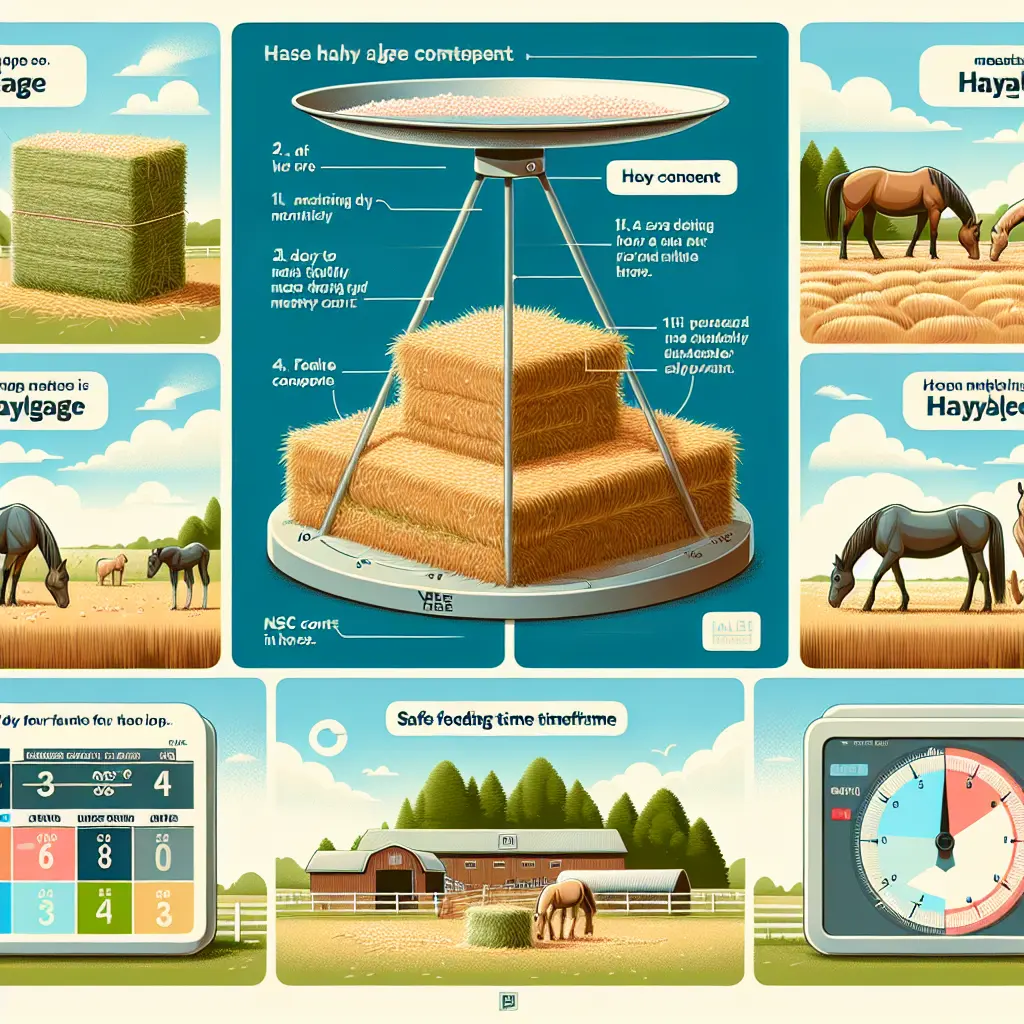
Opt for haylage with moderate-to-low non-structural carbohydrate (NSC) content (ideally below 12%) to minimize metabolic risk, such as laminitis. Proper fermentation generally reduces sugar levels in haylage, but a forage analysis is recommended for precise management, especially for horses with metabolic disorders[2].
5. Feed Within Safe Time Frames
The higher moisture content of haylage makes it more prone to spoilage. After opening, ensure it is fed within a few days to a week to avoid harmful bacteria like botulism that can impact horse health. It’s crucial to use haylage processed specifically for equine feeding, and handle packaging with care[2].
Importance of Accurate Haylage Feeding
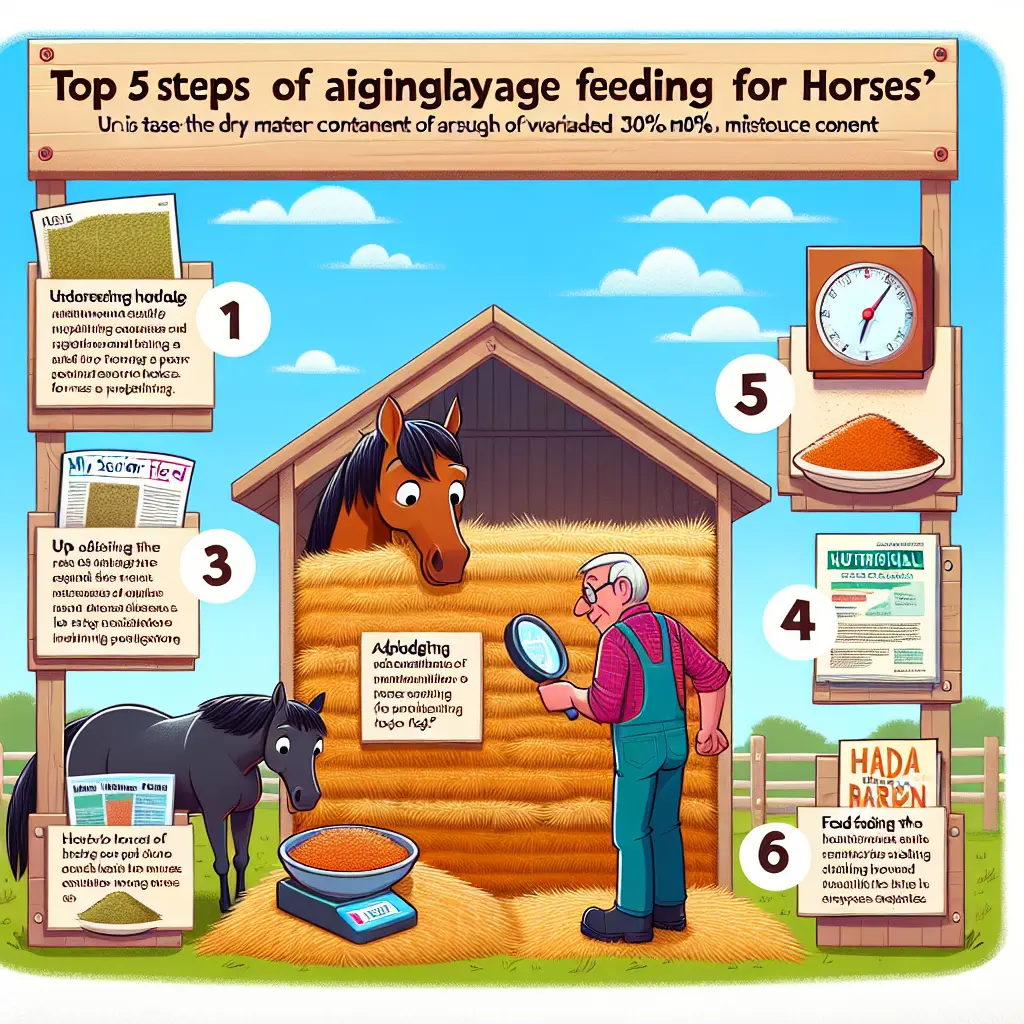
Successfully weighing haylage and understanding its dry matter is crucial for ensuring that your horse receives a balanced diet. This diet supports optimal digestion and helps in avoiding overfeeding. Adhering to these guidelines also prevents metabolic issues and aligns with current equine nutrition research advocating for feeding approximately 2% of body weight in dry matter[3].
Equestrian Supplements for Optimal Health
Complementing haylage feeding with everyday horse vitamins & supplements can ensure your horse maintains optimal health and vitality, particularly when adjusting dietary needs.
Explore Our Recommended Product Collections
For the best equestrian experience, consider exploring our various collections. Discover quality jodhpurs and boots for comfortable riding. Reinforce grip and protection with our gloves collection, and add some style with riding socks.
Conclusion
Properly measuring and managing haylage intake is a fundamental skill for horse owners. By understanding the nuances of dry matter content and maintaining a careful balance with additional equine supplements, you can support your horse’s long-term health and well-being. Visit Just Horse Riders for more expert tips and high-quality equestrian equipment.