

The Rise of Mechanical Horse Lessons: Exploring the Benefits and Experiences for Equestrians
In the ever-evolving realm of equestrianism, the traditional methods of horse riding and training are undergoing a significant transformation. A remarkable innovation leading this change is the advent of mechanical horse lessons. These advanced simulators are changing the game by offering a new approach to rider training and skill enhancement—whether you're a novice or an experienced equestrian.
What are Mechanical Horses?
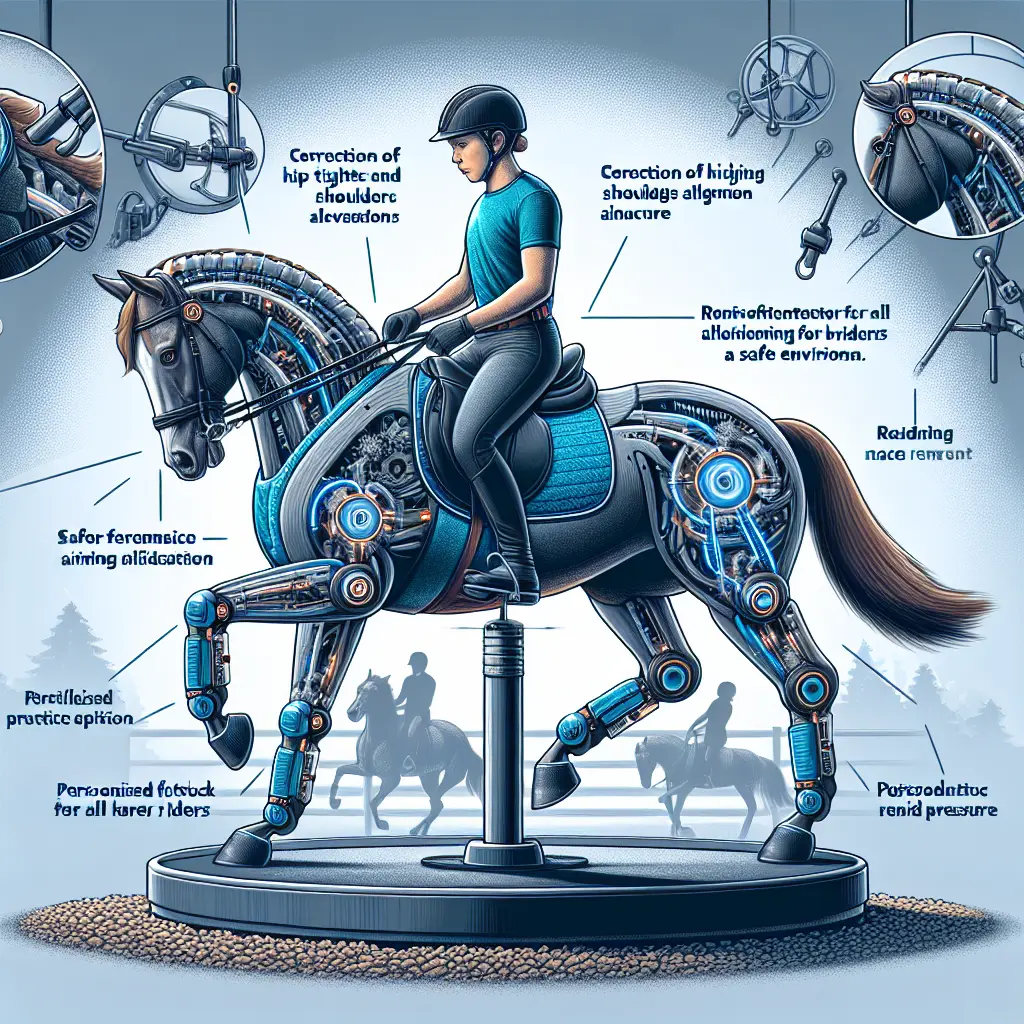
Mechanical horses are high-tech machines engineered to replicate the movements of a real horse. They can simulate a variety of paces, from walking and trotting to cantering and even complex maneuvers such as flying lead changes and dressage patterns (source).
Benefits for Riders
Improved Technique and Biomechanics
Mechanical horses offer a consistent and precise environment where riders can focus on their own movements, significantly improving their technique and biomechanics. Unlike real horses, which often compensate for rider errors, mechanical simulators provide unbiased feedback, allowing equestrians to fine-tune their posture and alignment without distractions (source).
Enhanced Safety
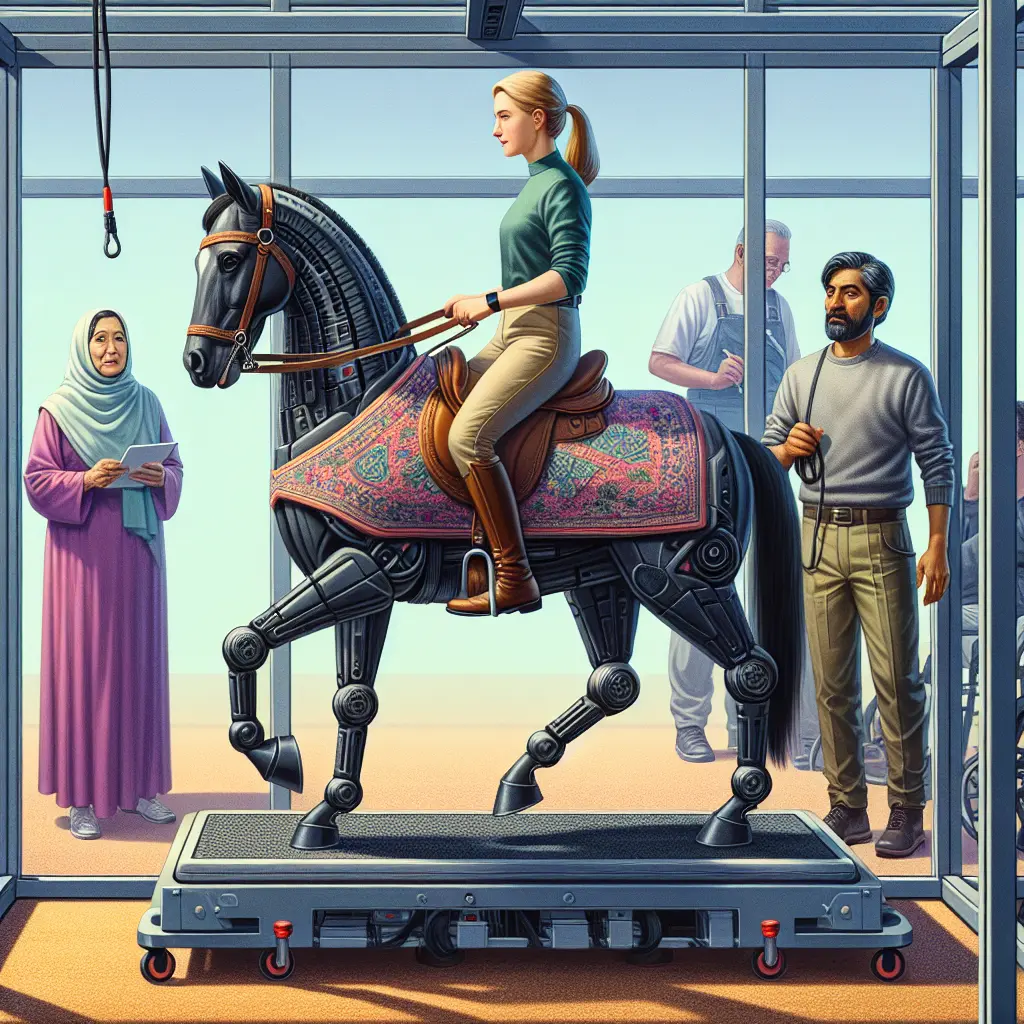
For beginners and nervous riders, mechanical horses provide a safe learning environment. Eliminating the risk of falls or injuries means riders can focus on building confidence and mastering skills safely. This aspect is especially beneficial for disabled riders who can learn riding skills in a controlled and risk-free setting (source).
Personalized Feedback and Training
One of the standout features of mechanical horses is their ability to give instant feedback on various riding aspects, such as balance, rein pressure, and leg positioning. This immediate feedback allows riders to swiftly identify and correct mistakes, enhancing the efficacy of their training sessions. The Racewood Dressage Model, for instance, offers a screen display that simulates different riding settings for varied practice (source).
Consistency and Repetition
Unlike live horses that can tire or become frustrated, mechanical horses allow for endless practice without fatigue. Riders can repeatedly practice skills, perfecting techniques and building the muscle memory crucial for effective riding. This aspect is immensely beneficial for practicing transitions, gaits, and complex maneuvers (source).
Year-Round Training
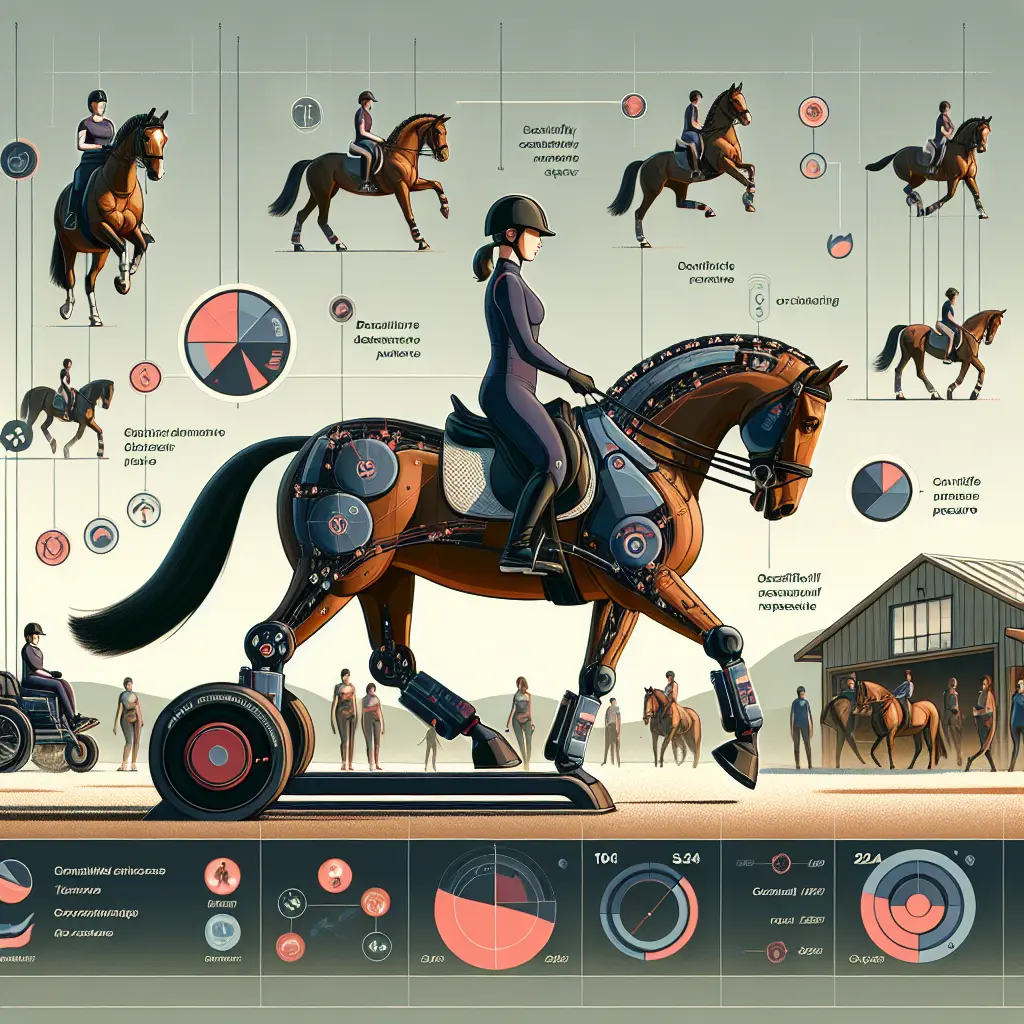
Mechanical horse lessons provide an opportunity for year-round training, regardless of adverse weather or schedule conflicts. This is particularly advantageous for competitive riders who must maintain their skills during off-seasons or when access to real horses becomes limited.
Real-Life Experiences
Several riders and trainers have reported positive outcomes from mechanical horse lessons. Notably, Heather Moffett, a classical riding trainer, has been an advocate for over 20 years. She praises their utility in helping riders synchronize their movements with the horse, highlighting the simulators' effectiveness in teaching complete beginners and working with nervous or disabled riders (source).
The Impact on Real Horses

Mechanical horses don't just benefit riders—they also contribute positively to the welfare of real horses. By reducing the frequency of repetitive training sessions, these simulators alleviate the physical strain on horses. Addressing rider errors, normally the cause of extended training sessions, without using real horses helps maintain the health and well-being of these animals (source).
Conclusion
Mechanical horse lessons represent a significant advancement in equestrian training, delivering a safe, consistent, and innovative method to enhance riding skills. Whether you aim to build confidence as a beginner, fine-tune technique as an advanced rider, or improve teaching methods as a trainer, these simulators are invaluable tools. The ability to simulate diverse scenarios, coupled with real-time feedback, facilitates year-round training and presents mechanical horse lessons as a revolutionary approach to equestrian education.
The equestrian community's embrace of this technology signifies that mechanical horse lessons are not just a trend but a lasting evolution in training. This progressive tool entwines modern technology with traditional practices, opening pathways for improved education and rider development.