

Understanding Equine Worm Management: Tackling Roundworms and Tapeworms
Equine worm management is a crucial aspect of maintaining the health and well-being of horses. Roundworms and tapeworms are among the most common parasites affecting horses, and effective management strategies are essential to prevent their negative impacts. This blog will delve into the importance of equine worm management, discuss the types of worms, and provide practical advice on how to manage them effectively.
Introduction to Equine Parasites
Horses are susceptible to various internal parasites, with roundworms and tapeworms being two of the most prevalent types. These parasites can cause significant health issues, ranging from mild discomfort to severe conditions like colic or diarrhea. Understanding the life cycles and behaviors of these parasites is key to developing effective management strategies.
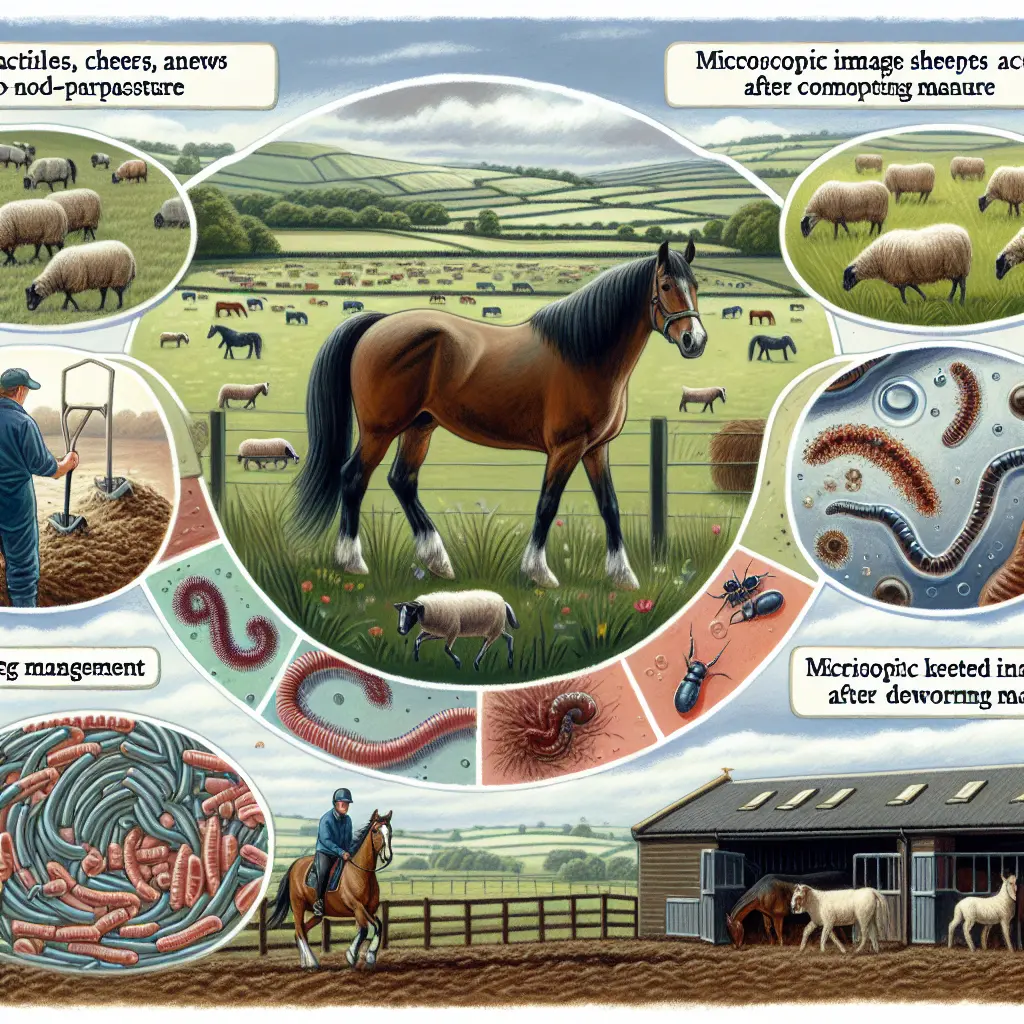
Roundworms (Ascarids)
- Impact: Roundworms can cause respiratory issues, digestive problems, and even intestinal blockages in severe cases.
- Life Cycle: They complete their life cycle inside the horse, with eggs being shed in the manure. The larvae can then infect other horses by being ingested from contaminated pastures.
Tapeworms
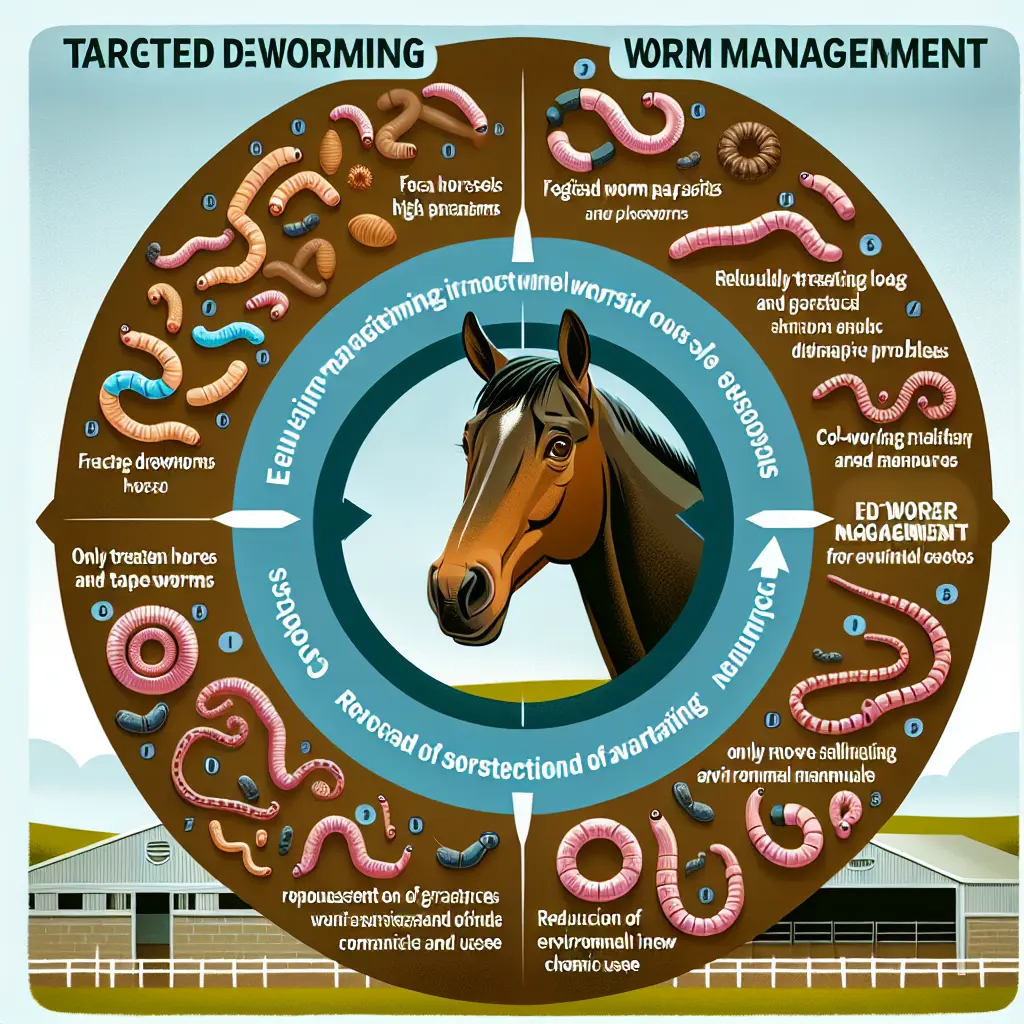
- Impact: Tapeworms can lead to weight loss, digestive issues, and colic. They are particularly problematic because their segments can contain eggs that are released into the environment.
- Life Cycle: Tapeworms require an intermediate host, typically a forage mite, to complete their life cycle. Horses become infected by ingesting these mites while grazing.
Importance of Targeted Deworming
Traditional deworming practices involved regular treatments every few months. However, this approach has contributed to the development of resistance among parasites. Modern equine worm management emphasizes targeted deworming, which involves using fecal worm egg counts (FWECs) to determine if a horse needs treatment. This approach not only reduces the risk of resistance but also minimizes the use of chemicals in the environment.
Fecal Worm Egg Counts (FWECs)
These tests are recommended every eight weeks during the spring and summer months to monitor the parasite load in horses[5]. By only treating horses with high egg counts, we can ensure that dewormers remain effective. For more on equine internal parasite strategies, check Penn State Extension.
Strategies for Effective Worm Management
1. Pasture Management
- Rotational Grazing: This technique allows pastures to rest and regrow, reducing the concentration of parasite larvae[2].
- Co-Grazing: Grazing other livestock like cattle or goats can help reduce parasite loads by consuming grass around manure piles, thus exposing larvae to sunlight and reducing their survival[2].
2. Manure Management

- Regular Removal: Manure should be removed from pastures regularly to prevent larvae development[3].
- Composting: Manure should be composted before being spread on pastures. Proper composting can kill parasite eggs, reducing the risk of reinfection[3].
3. Facilities Management
Sanitation: Regular cleaning and disinfection of feed and water troughs can reduce the risk of parasite transmission[2]. Also, new horses should be quarantined and tested for parasites to prevent introducing resistant strains to the farm.
Managing Horses After Worming
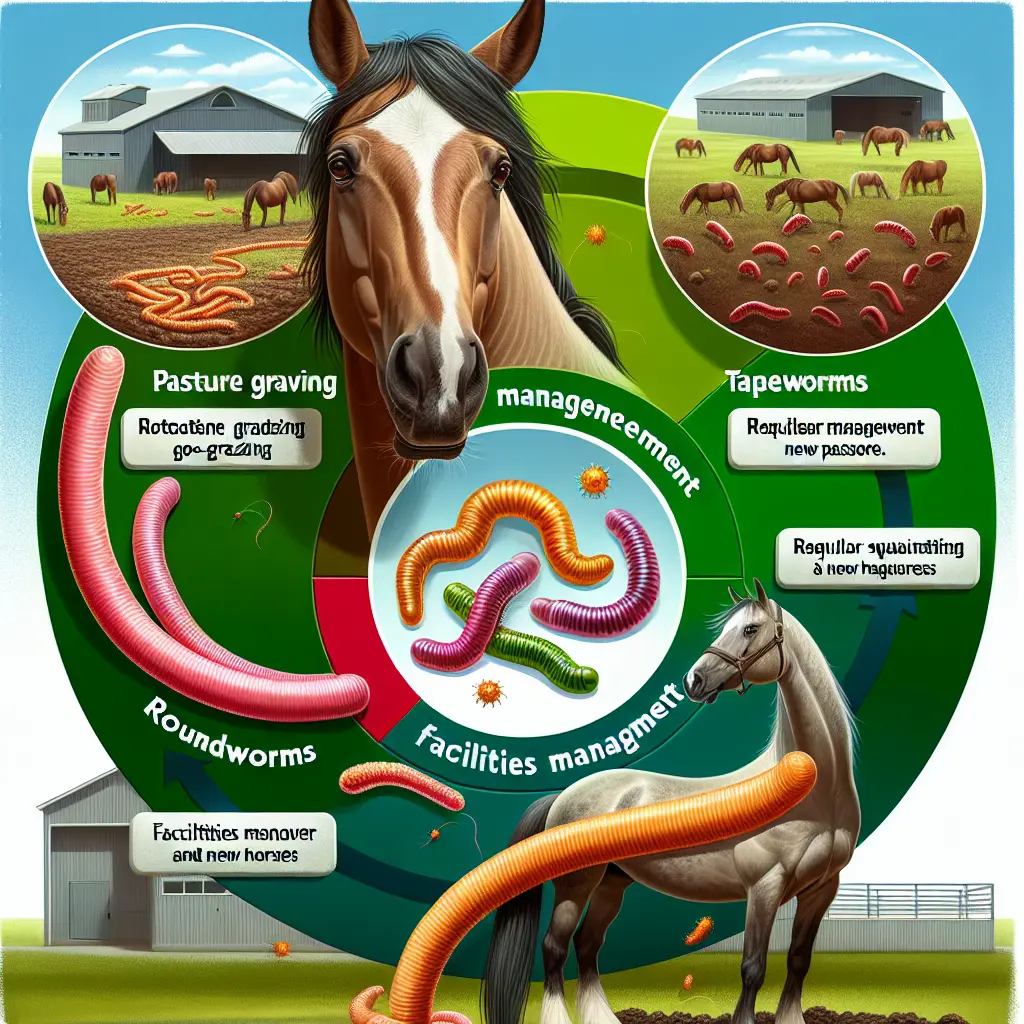
After administering dewormers, it's crucial to manage horses carefully to minimize environmental impact and prevent the spread of resistant parasites.
- Stabling: Horses should be stabled for 24-48 hours after worming to prevent the release of chemicals into water sources or pastures[1].
- Pasture Return: Horses should return to their original pasture after worming to dilute resistant worm populations, rather than moving to clean pastures immediately[1].
Conclusion
Effective equine worm management involves a combination of targeted deworming, good pasture and manure management, and careful post-worming practices. By adopting these strategies, horse owners can protect their animals from the harmful effects of roundworms and tapeworms while also contributing to the long-term efficacy of dewormers.