

What to Do If Your Horse Loses a Shoe and Damages Their Hoof?
Horse owners, your heart-sinking feeling is entirely justified when you find your horse has lost a shoe. The situation is even more unnerving when the hoof is damaged. Fortunately, it's not an uncommon scenario, and knowing what to do next is crucial for protecting your horse from more severe injuries and infections. This comprehensive guide details each step to ensure a full recovery for your equine friend.
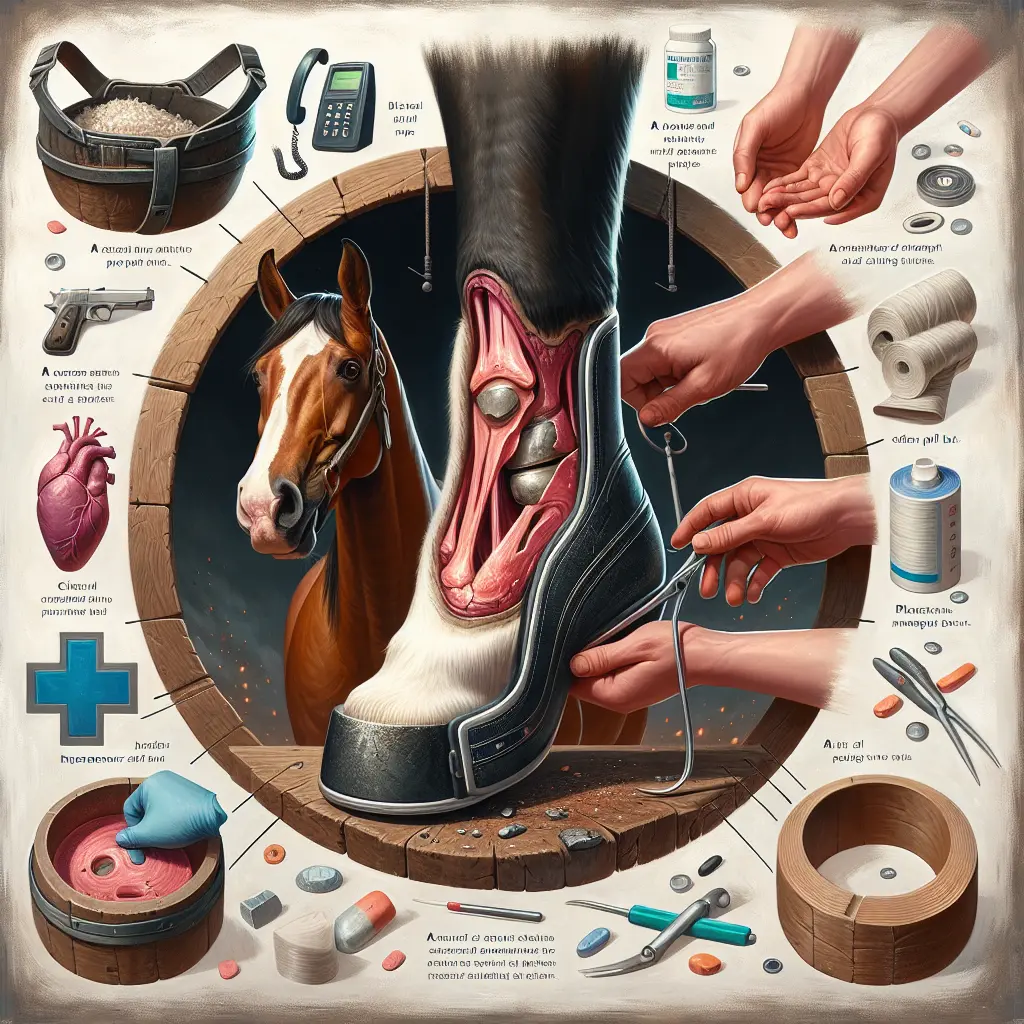
Assess the Situation Immediately
It’s crucial to remain calm and assess the situation as soon as you notice the lost shoe. Carefully examine the hoof for obvious cracks, missing chunks, or punctures where nails might have been. Immediate attention to a puncture wound is vital as it can lead to infections and abscesses quickly. Watch out for signs of lameness, which indicates the urgent need for action.
Checking for Discomfort
Walk your horse on a firm, flat surface to identify any signs of discomfort. If your horse shows any visible reaction or you notice swelling or heat, contacting your vet and farrier should be your next step.
First Aid for the Hoof
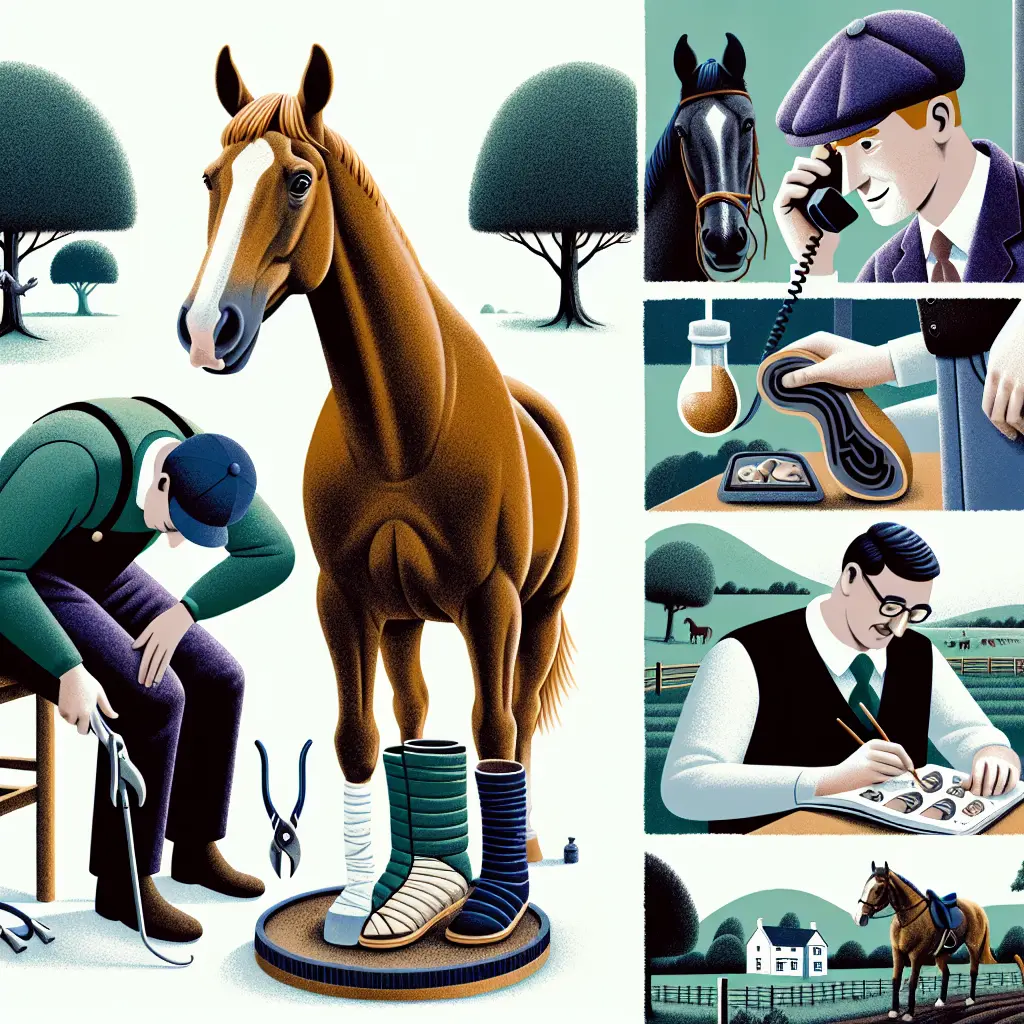
Protecting the exposed hoof from further damage is your next priority. An emergency boot or a makeshift wrap using clean gauze and duct tape can prevent additional trauma and infection. It’s crucial to keep the hoof as clean and dry as possible. Moist environments promote bacteria growth, making infection more likely.
Calling for Professional Help
Your farrier should be the first professional you contact. They will evaluate whether the damaged hoof wall supports shoe resetting or if therapeutic shoeing is essential. In severe cases, involving a veterinarian is crucial to prevent infections and more serious conditions.
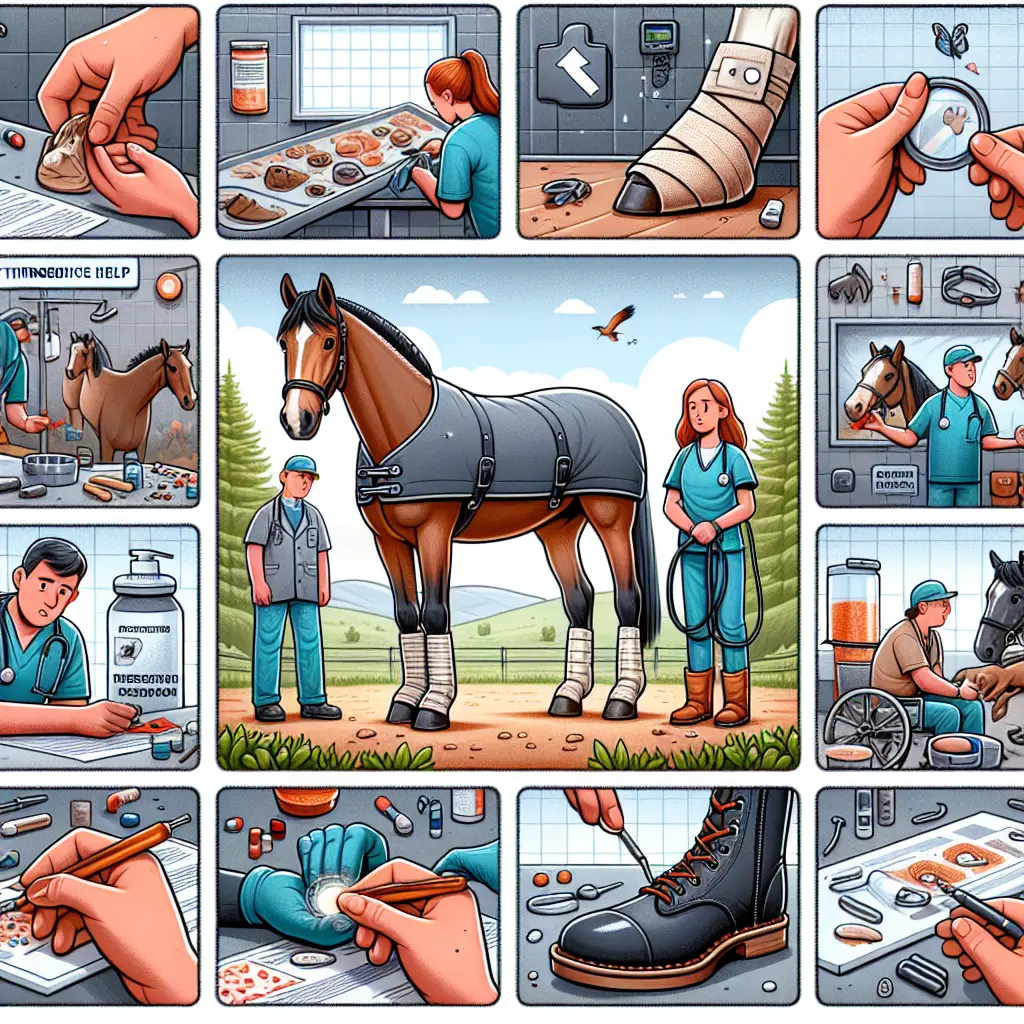
Supporting the Healing Process
Therapeutic Resection and Shoeing
If significant damage has occurred, professionals may recommend a hoof wall resection. This involves surgically removing the damaged section and applying a therapeutic shoe to protect and encourage healthy regrowth. Maintaining a clean and dry environment is vital for healing, and your horse’s movement will need to be restricted temporarily.
Pain Management and Care
Administer prescribed anti-inflammatories and pain relief to manage ongoing discomfort. If your vet prescribes antibiotics, it’s to prevent possible infections. A nutritious diet supports hoof regrowth—consider nutrition options low in sugar but rich in high-quality protein.
Prevention and Long-term Management
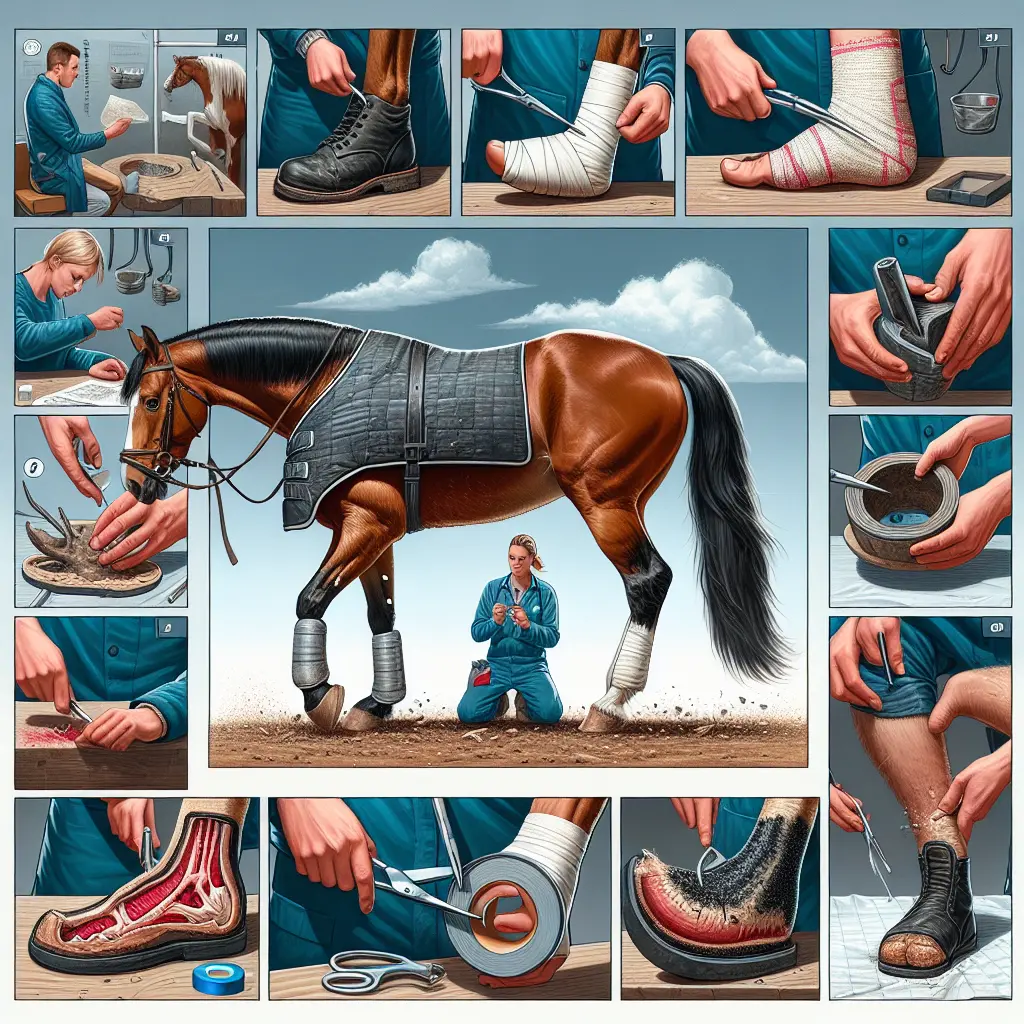
Prevent recurring issues by utilizing protective gear like bell boots or discussing glue-on shoes with your farrier. Regular farrier visits help monitor growth progress and ensure the fit of any replacements is suitable.
Monitoring for Secondary Issues
Be vigilant for complications such as hoof abscesses, white line disease, or laminitis after the trauma of a lost shoe. Watch for lameness or any abnormal sounds or shapes in the hoof structure. Turnout rugs can protect your horse's feet in muddy conditions.
Real-Life Scenarios and Facts
It’s common for horse owners to deal with lost shoes, typically after weather changes or vigorous play. On average, healthy hoof walls grow about 1/4 to 3/8 inch a month, and recovery might extend further for damaged hooves. Muddy pastures increase infection risks post-injury.
When to Seek Immediate Professional Help
- Your horse shows signs of lameness.
- There's a visible puncture or deep crack.
- A chunk of hoof is missing.
- The hoof appears hot, swollen, or is oozing.
- You suspect an abscess or infection.
Better safe than sorry—seek professional help early to protect your horse's long-term health.
Key Takeaways
- Stay calm and carefully examine the hoof for damage.
- Shield the vulnerable hoof with a temporary boot and keep it clean.
- Contact your farrier and veterinarian as needed.
- Follow prescribed treatment and work on prevention strategies.
For any further guidance, these sources are highly recommended:
- Equus Magazine for advice on lost shoes and hoof health.
- Outlaw Shoe for therapeutic shoeing guidance.
- The Horse; The Horse's Health Channel for veterinary insights.
Final Thoughts
Dealing with a lost shoe and damaged hoof can be stressful but knowing these necessary steps can prepare and protect you and your horse. Establish a solid relationship with your farrier and veterinarian, keep first-aid supplies handy, and maintain a suitable environment for optimal hoof health. With care and preparation, you and your horse will overcome these challenges confidently and safely.