

What Are the Best Remedies for Scabby Legs in Horses?
Scabby legs in horses, a common issue often caused by mud fever or rain scald, can be quite distressing for both the horse and its owner. Predominantly resulting from bacterial infections, especially those involving Dermatophilus congolensis, these conditions thrive in moist environments. Understanding how to effectively manage and remedy these conditions is crucial for ensuring your horse's comfort and health. This article delves into the best approaches for treating scabby legs in horses, offering insights and expert advice.
Understanding Mud Fever and Rain Scald
Though often used interchangeably, mud fever and rain scald can refer to slightly different conditions. Both are characterized by scabs and lesions primarily affecting the legs, exacerbated by damp conditions. The central tenet of managing these conditions is reducing moisture exposure and adhering to stringent hygiene practices.
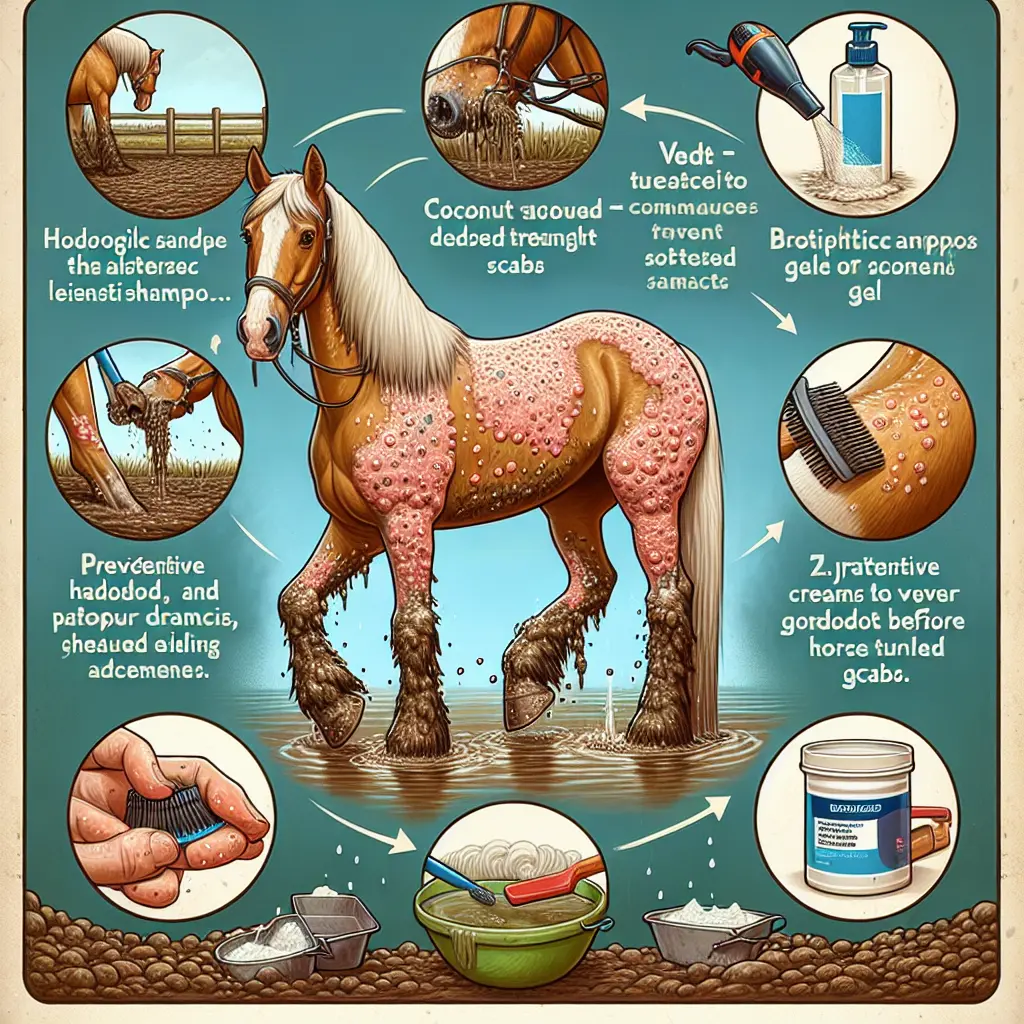
Best Remedies for Scabby Legs in Horses
1. Cleaning and Drying
For effective treatment, begin with cleaning the affected area with an antiseptic shampoo, such as chlorhexidine, to halt further infection without removing the skin's natural oils. Thorough drying of the area post-cleansing is vital; use a clean towel or a hairdryer if the horse is comfortable with it. Proper drying prevents the condition from worsening by eliminating excess moisture.
2. Softening and Removing Scabs
Applying a hydrogel can soften the scabs for easier removal, contributing to the healing process. Use a medium-strength bristle brush to gently remove softened scabs—this is less painful and less distressing to your horse compared to manual removal.
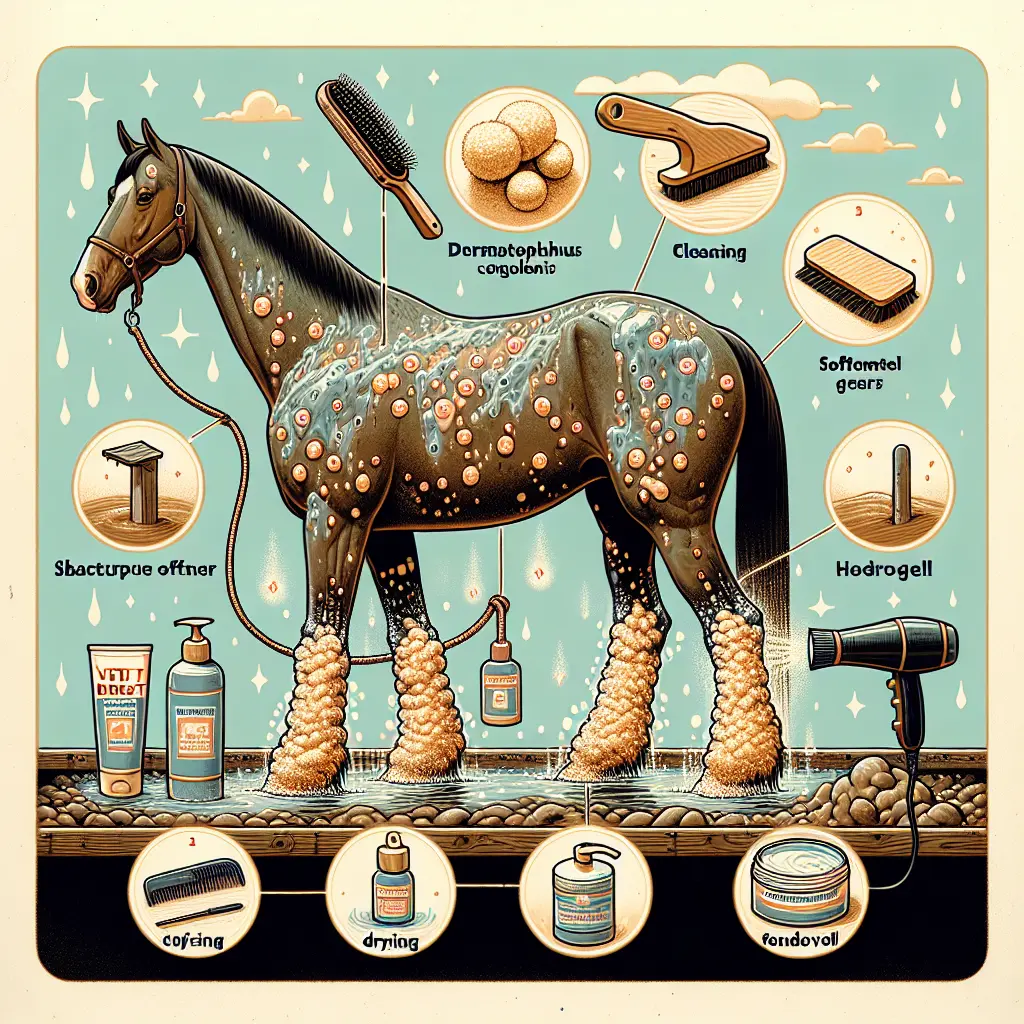
3. Topical Treatments
The application of topical agents like coconut oil, known for its moisturizing properties, can create a protective barrier against moisture. Products such as Vet Direct Mud Gel contain antibacterial ingredients and are effective on larger skin patches. Coat Defense Products offer natural solutions that cleanse and protect the skin without stripping natural oils.
4. Prevention
Preventative measures are key in managing scabby legs. Regularly rotate paddocks to reduce the amount of standing water and ensure good drainage to minimize mud exposure. Before turnout, apply a barrier cream or protective powder to the legs to prevent moisture infiltration. Simple changes in routine can make a substantial difference.
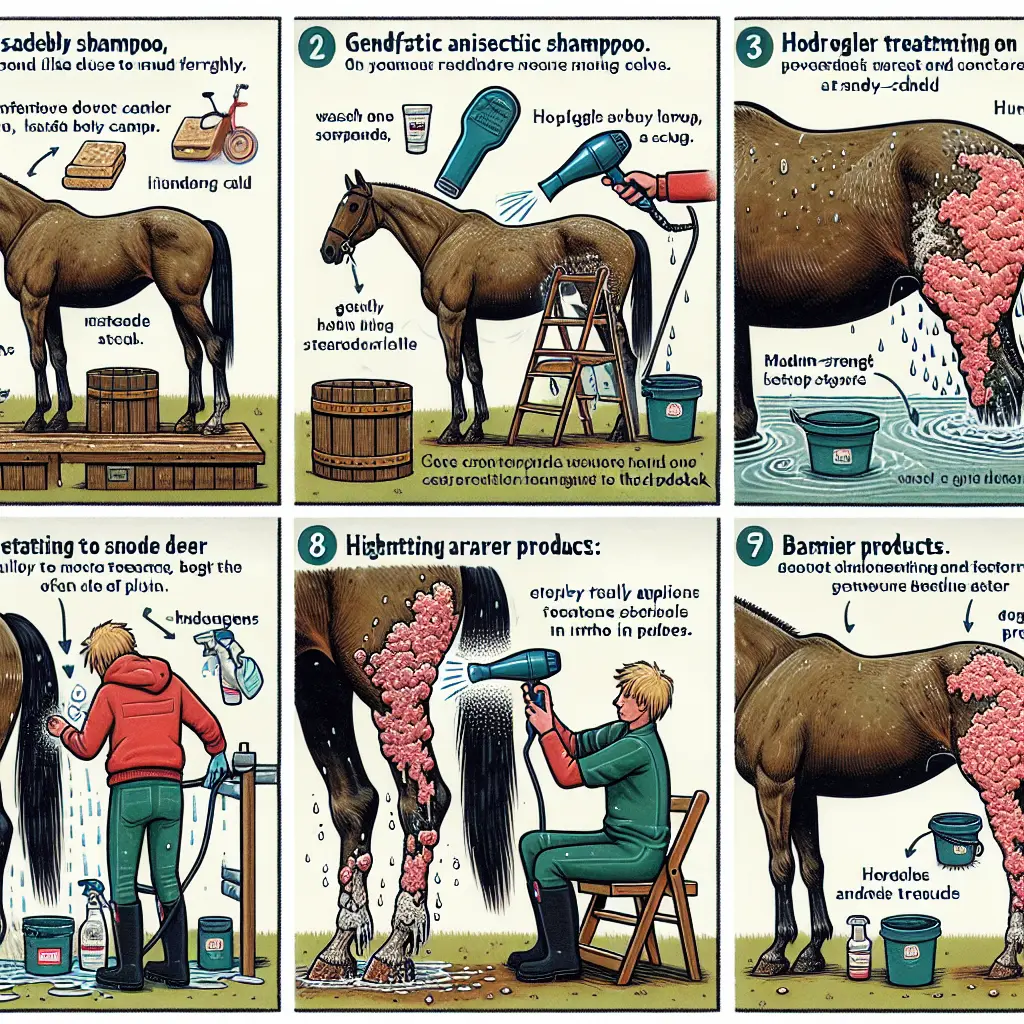
Practical Advice for Horse Owners
Maintaining a scab-free environment involves diligence and a proactive approach. Incorporate regular checks into your horse care routine to spot early signs of trouble. Keep their living environment dry and clean, reducing conditions conducive to bacterial growth. Consider investing in quality stable rugs and turnout rugs to add an extra layer of moisture protection.
Conclusion
Healing scabby legs in horses involves persistence, patience, and the correct treatments. Emphasizing hygiene, drying, and effective topical remedies will ease recovery. If conditions persist, consulting a veterinarian is crucial as they can provide personalized advice and treatment options. For those dedicated to improving their horse's skin health, delve into more resources like [Neighked] and other expert forums for comprehensive insights. Equip yourself with the best products and knowledge to not only treat but prevent these challenging conditions, ensuring your equine companion remains happy and healthy.
