

Managing Horse Care at Night: Best Practices for Equine Safety and Comfort
Caring for horses at night is an integral aspect of equine management, requiring a blend of understanding, experience, and diligence. Horses have unique sleep patterns and instinctual behaviors that inform how they need to be cared for after the sun goes down. In this article, we'll explore essential strategies to ensure your horse's safety and well-being at night, from secure environments to tailored health checks.
Ensure a Safe and Secure Environment
Secure Fencing and Pastures
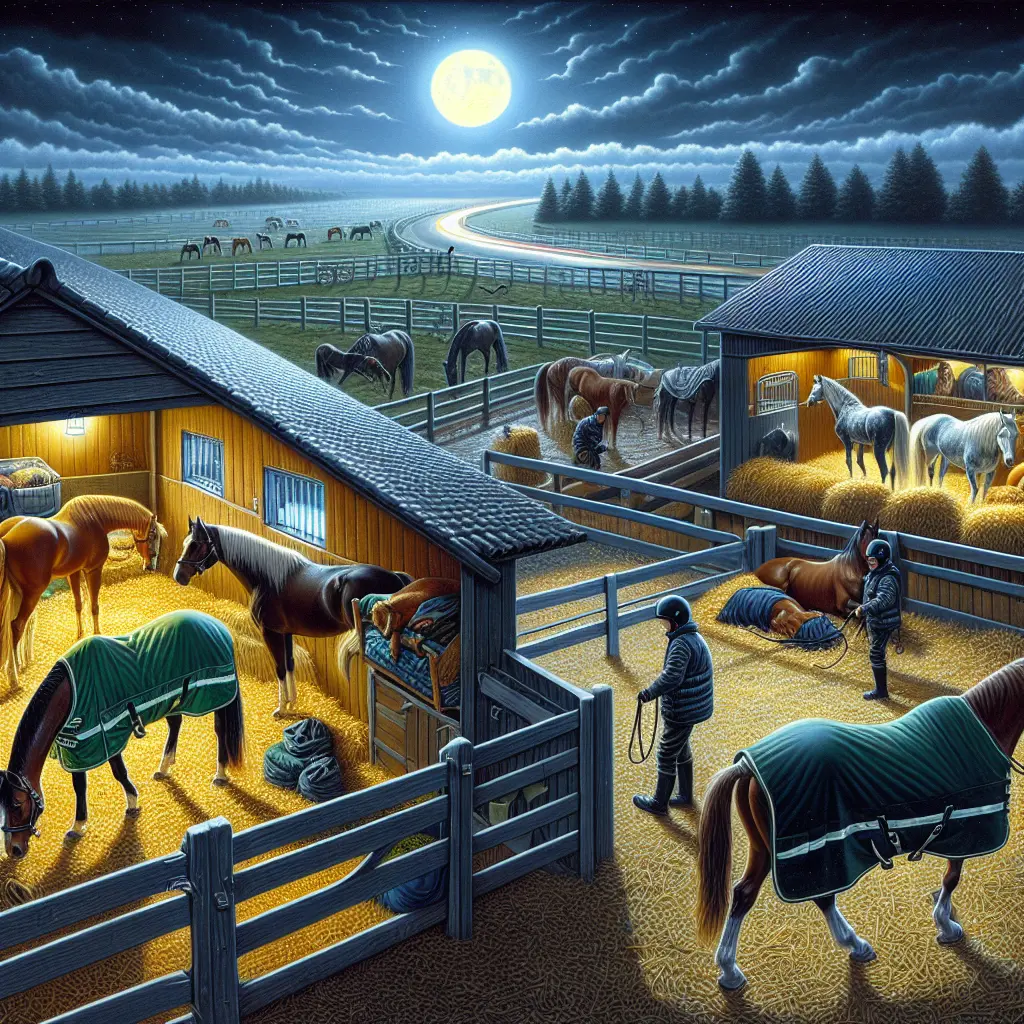
For many horse owners, nighttime turnout offers numerous benefits, particularly during warmer weather. However, with the cover of darkness comes the increased risk of injury or escape—secure fencing serves as the first line of defense. Maintaining strong gates and implementing additional security measures, such as electric or double fencing, can substantially decrease risks, particularly near road-facing pastures.
Shelter Availability
Weather is often unpredictable, necessitating access to a shelter where horses can retreat from rain or harsh winds. A suitably maintained run-in shed or stable offers essential refuge, contributing to both comfort and safety (source). Integrating shelter into pasture planning ensures your horse is well protected, regardless of the weather.
Optimize Sleeping Conditions
Provide a Safe Stall or Sheltered Resting Place
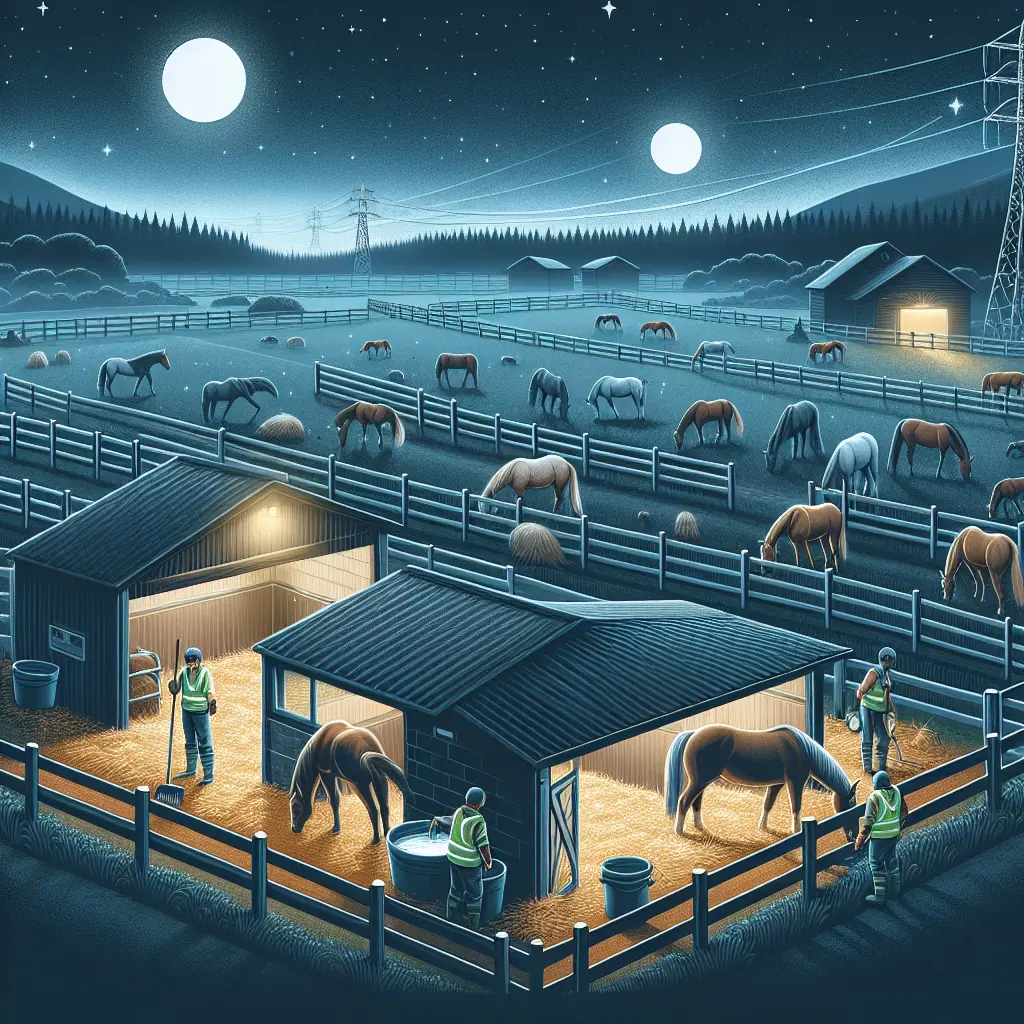
A comfortable sleeping environment is vital for a horse to achieve much-needed REM sleep. Horses need a stall where they can lie down freely—a space of at least 12 x 12 feet with deep straw or a similar bedding to cushion their bodies from pressure injuries (source). This setup encourages a restful night, supporting their overall well-being.
Minimize Disturbances and Light Pollution
Artificial lighting can wreak havoc with a horse's natural sleep patterns. Consider using lighting solutions that limit disturbances, such as motion-activated or strategically-placed dim lights that won’t shine directly into stalls. Tuning lights off after completing evening chores can help maintain your horse's biological clock.

Consider Horse Behavior and Social Needs
Understand Herd Dynamics
Horses are inherently social and derive comfort from the presence of a familiar herd. This behavior significantly influences how horses rest overnight. Most equines will take turns keeping watch while others sleep, an evolutionary trait that can enhance well-being when in the company of trusted companions (source).
Monitor Signs of Stress or Discomfort
Keen observation is crucial, especially for horses newly introduced to nighttime turnout. Watching for signs of anxiety or restlessness can preemptively address issues that might otherwise disrupt their rest or pose a risk to health. Initial signs may include pacing or whinnying—common indicators of discomfort.
Manage Nighttime Activities Thoughtfully
Plan Familiar Routes for Night Riding or Turnout
For equestrians engaging in nighttime rides or turnouts, consistency is essential. Use familiar paths or paddocks to minimize unexpected encounters and navigate terrain more safely. Acquainting your horse with the area may prevent accidents and streamline your routine.
Equip for Visibility and Safety
Proper preparation makes all the difference! Equip both you and your horse with reflective gear, such as tack and headlamps, to enhance visibility. Ensuring that your horse wears the appropriate protective boots will help guard against potential hazards during nightly activities.
Check Weather Conditions
Weather plays a pivotal role in planning safe nighttime activities. Avoid areas prone to becoming slippery from dew or rain, as this increases the risk of injury. Always ensure your horse is adequately clad with turnout rugs to shield them from unexpected cold spells.
Maintain Routine Health Checks and Stable Hygiene
Clean Stalls and Monitor Bedding
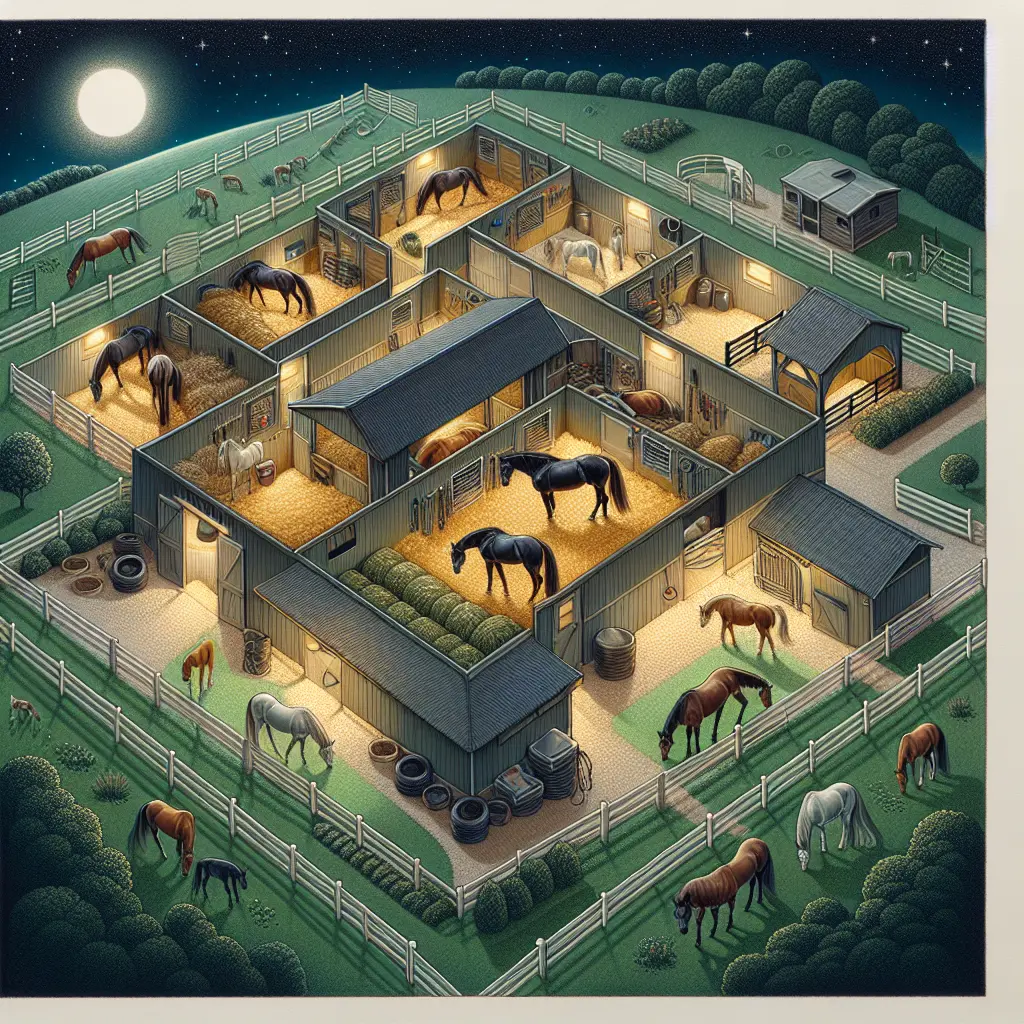
Mucking and refreshing bedding before nightfall not only keeps the stall clean but also removes potential irritants that could disrupt a horse’s ability to rest comfortably. This practice can minimize the risks of respiratory irritants, infections, or skin conditions, supporting your horse's long-term health.
Observe Eating and Drinking Patterns
At night, horses may follow different eating and drinking routines. Ensuring clean and accessible water sources are crucial alongside careful monitoring of feed intake—key strategies in averting digestive problems. Be mindful of their consumption habits and adjust as required.
Conclusion
The foundation of effective nighttime horse care is establishing a routine that combines security, comfort, and attentiveness. By focusing on crucial elements like secure fencing, optimal sleeping arrangements, and attentive observation, horse owners can enhance their equines’ nighttime experience and overall well-being. For more resources and equestrian equipment, visit Just Horse Riders.
Call to action: Explore our collections for all your nighttime riding essentials, from equine supplements to riding socks, ensuring your horse's health and comfort round the clock.