

Managing Colic During Box Rest: Essential Tips for Horse Owners
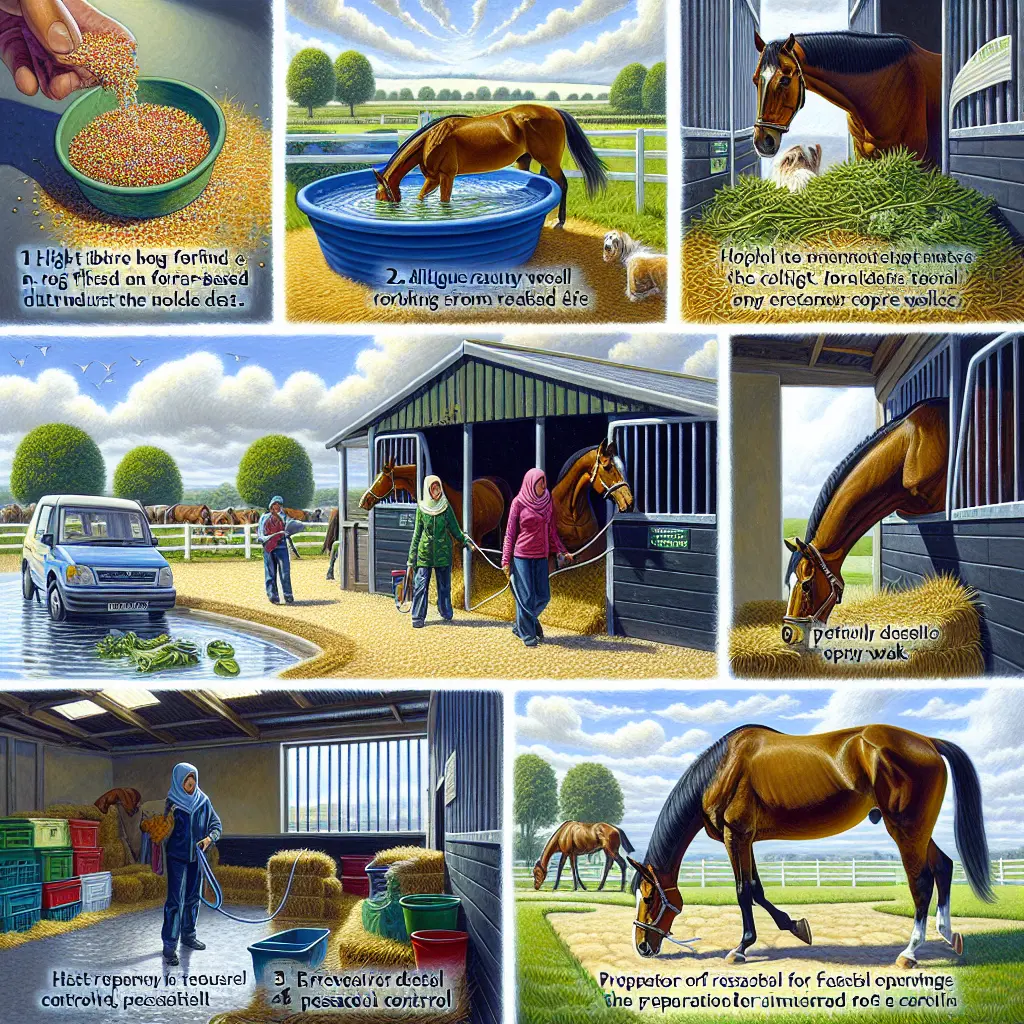
Box rest, while sometimes unavoidable, can be a challenging and potentially risky period for horses, particularly when it comes to the risk of colic. Colic, a term encompassing a range of abdominal pains, can be triggered or exacerbated by sudden environment, diet, and activity changes. Here, we explore essential tips to manage and prevent colic during box rest.
Understanding the Risks of Colic During Box Rest
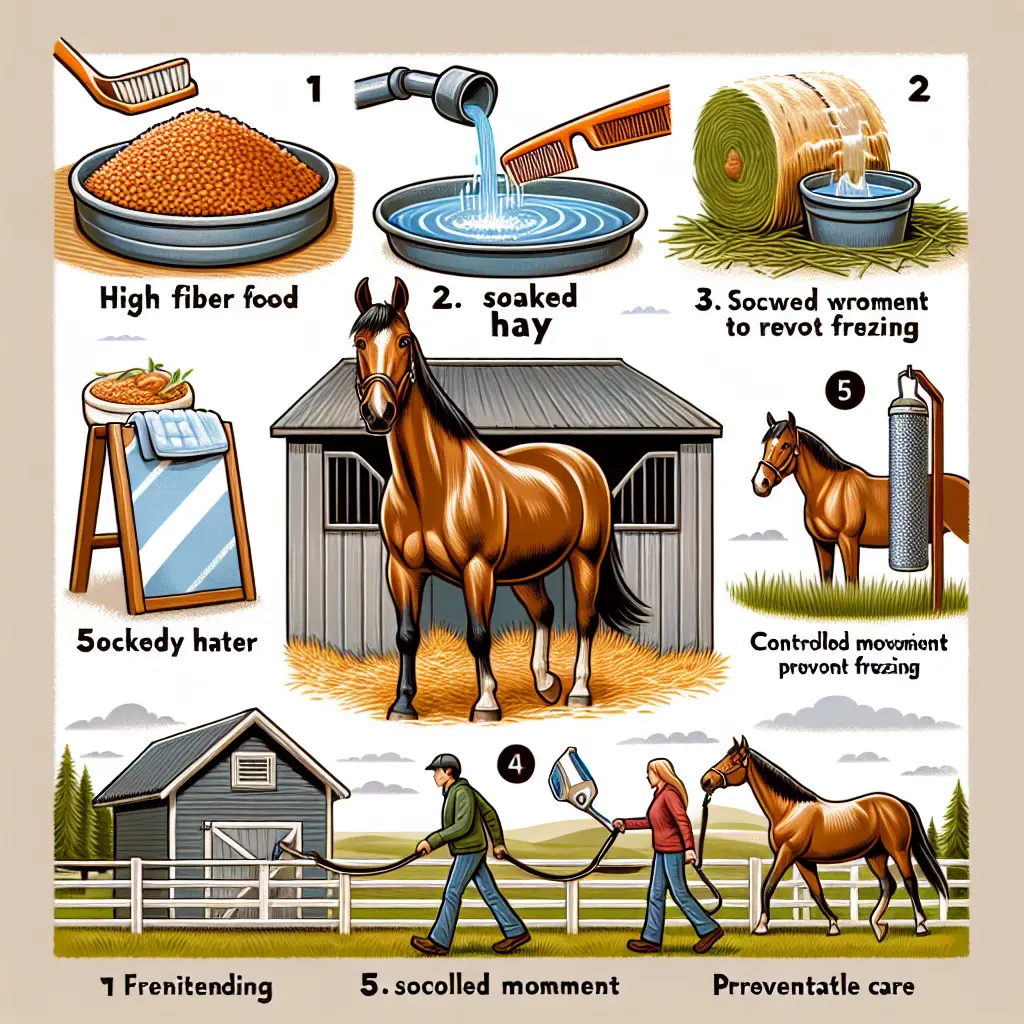
When a horse is placed on box rest, it undergoes a significant shift from its natural grazing and movement habits, increasing the risk of colic due to reduced intestinal motility, dietary changes, and elevated stress levels. Proper understanding of these risks is key to effective management and prevention.
Maintaining a Consistent and Appropriate Diet
Managing a horse on box rest encompasses ensuring a consistent and appropriate diet. Here are some pivotal dietary considerations:
High Fibre and Forage-Based Diet
Horses should consume a high fibre and forage-based diet with minimal or no concentrates. Feeds high in starch can lead to reactivity and undesirable weight gain, especially during box rest. [Reference].
Soaking Hay and Feeds
Soaking hay for 30-60 minutes enhances its water content, reduces respirable spores, and lowers soluble carbohydrate levels, promoting healthy weight management and digestive health. [Reference].
Frequent Small Meals
Feed in several small meals throughout the day instead of one or two large meals to maintain slow food intake, reducing the risk of gastric ulcers and colic. [Reference].
Ensuring Adequate Hydration
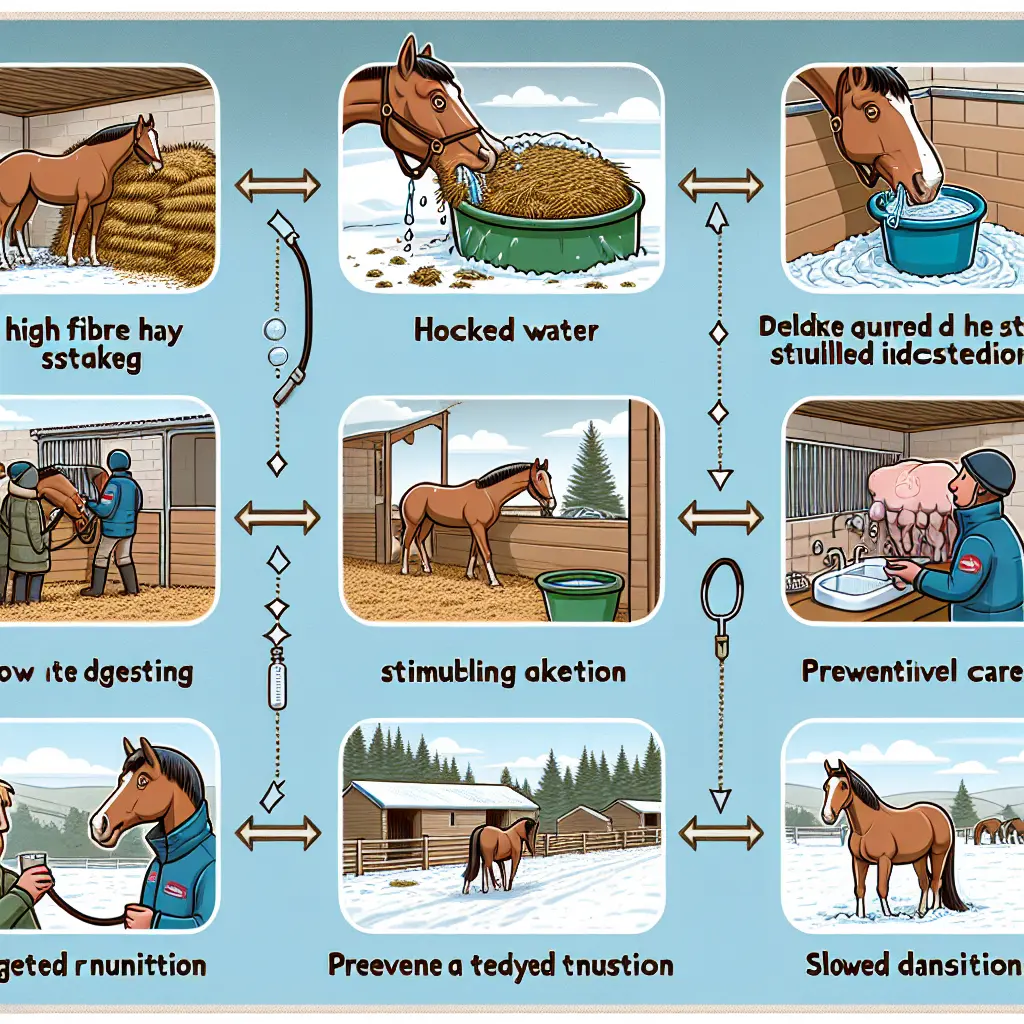
Hydration is crucial for preventing colic. Here are some ways to ensure your horse remains well-hydrated:
Fresh Water Availability
Always provide clean, fresh water. During colder weather, ensure water buckets remain unfrozen.[Reference].
Wetting Hay and Feeds
Wetting hay and feeds compensates for reduced water intake when transitioning from grazing to stable conditions. [Reference].
Managing Stress and Providing Social Interaction
Stress significantly impacts a horse's digestive health. Here, we suggest ways to reduce stress and provide social interaction:
Social Interaction
Horses are herd animals and may become anxious when isolated. Providing social interaction, such as stable mirrors or a calm companion like a goat, reduces stress levels.[Reference].
Gradual Changes
Minimize stress by introducing gradual changes to the horse's routine and environment. Avoid sudden adjustments in feed, turnout, or management practices. [Reference].
Monitoring and Managing Movement
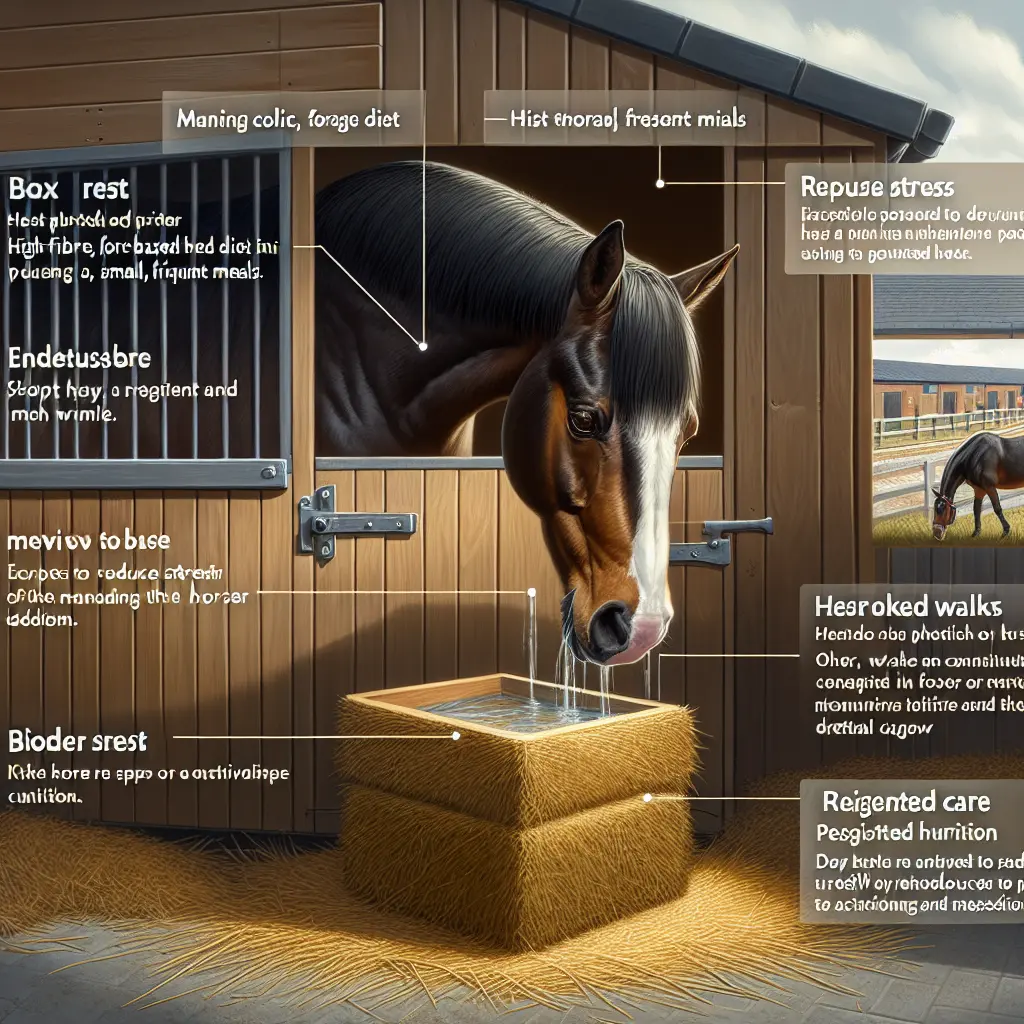
Though box rest limits movement, engage your horse in some form of physical activity:
Regular Walks
When safe, take the horse on short walks in-hand to stimulate digestion and prevent gas buildup or impactions. [Reference].
Turnout in Controlled Environments
For certain conditions, like laminitis, allow gradual turnout in a small paddock or enclosed space once the initial confinement phase is complete. [Reference].
Preventative Care and Monitoring
Preventative care and monitoring are crucial during box rest:
Parasite Control
Maintain effective parasite control with a deworming program based on fecal exams and veterinary advice. [Reference].
Dental Care
Regular dental checks prevent digestive issues. Ensure this is done annually by a veterinarian or trained dental technician. [Reference].
Monitoring Food Intake and Faeces
Monitor your horse's food intake and feces output closely. Report any abnormalities to the veterinarian promptly. [Reference].
Post-Box Rest Transition
As the box rest period ends, carefully transition your horse back to normal activities:
Gradual Acclimatization
Work with a vet to gradually acclimatize the horse back to the outdoors. Start with walks in-hand and, if safe, limited turnout in a controlled area. [Reference].
Targeted Nutrition
Utilize targeted nutrition products to keep your horse calm and to support digestive health during the transition. [Reference].
Conclusion
Managing colic during box rest demands attention to diet, hydration, stress levels, and physical activity. Following these essential tips, horse owners can notably reduce colic risk and maintain their horse's health and comfort during confinement. Remember to focus on high fibre diets, ensure hydration, provide stress management, enable limited movement, prioritize preventative care, and plan a careful post-rest transition.
Check out our Jodhpur Collection or explore our Horse Riding Boot Collection for quality horse riding gear.