

The Role of Whips in Equestrian Sports: An Outdated Tradition?
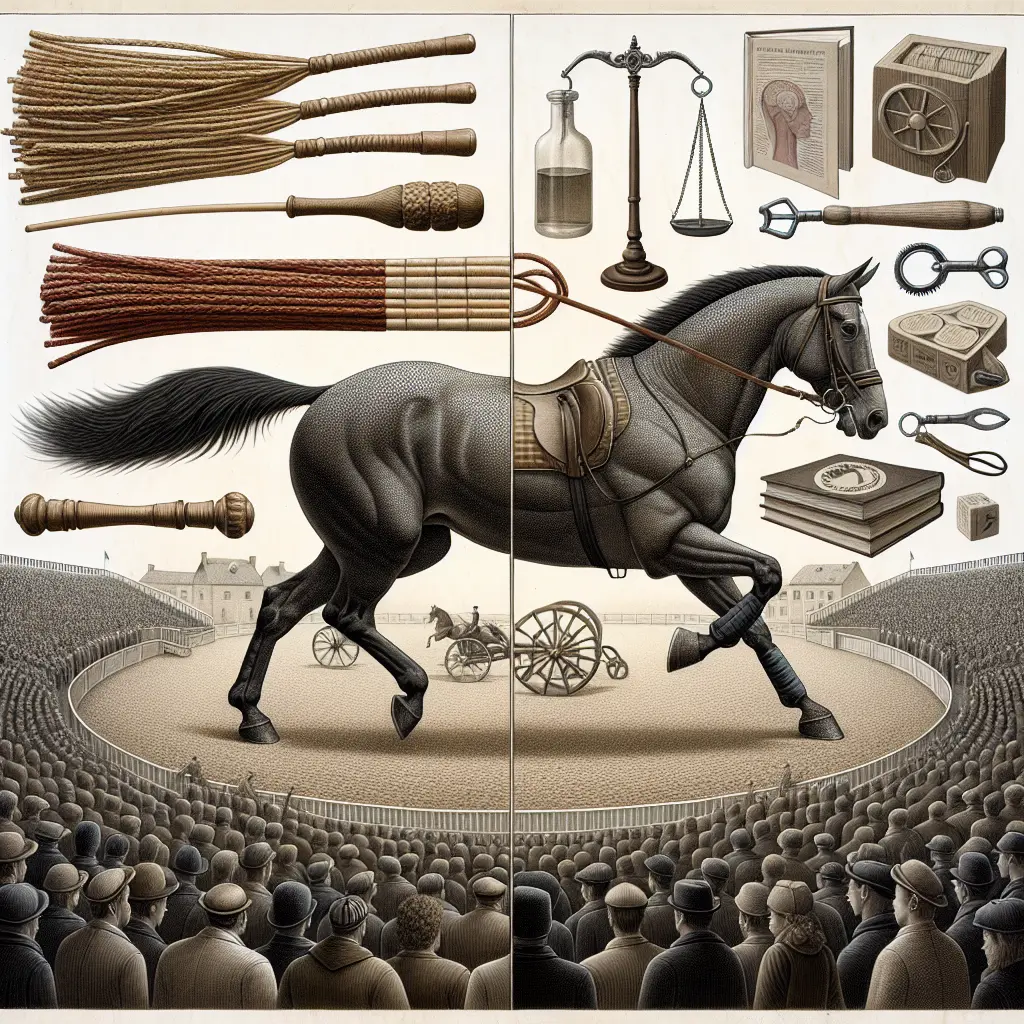
As equestrian sports continue to evolve, so does the conversation about the tools we use to train and compete with our equine partners. Among these, the whip has become a particularly controversial topic. Increasingly viewed as an outdated tradition rather than a necessity, the use of whips in equestrian sports is under intense scrutiny. Let's explore the research, examine the implications for performance and safety, and consider the role of humane practices in today's equestrian world.

The Tradition of Whip Use in Equestrian Sports
For centuries, whips have been a staple in horse riding, often used as a tool to encourage better performance. But is it truly effective? Mounting research suggests otherwise, with studies showing that whips may not only fail to improve performance but might also reduce safety and welfare for horses.
The British Showjumping Study: A Closer Look
A comprehensive study observing British showjumping competitions found that a whopping 76% of riders carried whips, yet only 14% actually used them during the performance. Even more eye-opening was the discovery that increased whip use correlated with worse performance—more faults and mistakes were observed among riders who used whips. This signifies a need for better rider education regarding horse cognition and behavior.

Whip Use in Thoroughbred Racing
The use of whips in Thoroughbred racing has been traditionally justified as a means to encourage tired horses to accelerate. However, scientific data from an Australian study disrupts this belief, indicating that horses achieve their highest speeds without being whipped. Such data questions the necessity of whips and highlights welfare implications for the animals involved.
The Risk Factor: Injuries and Fatalities
Another study associated with World Horse Welfare discovered a worrying trend: whip use is linked with a significantly greater risk of falls and injuries during races. Horses urged with whips had a more than sevenfold increase in fall risk when improving race position. Such statistics cannot be ignored and demand serious consideration from regulators and participants alike.
Who Uses Whips More, and Why?
Interestingly, non-elite riders were found more likely to rely on whips, suggesting that experience and education may lessen the need for this tool. Veteran riders often substitute whips with better communication and understanding, setting a precedent for young riders to emulate.

The Global Perspective on Whips
Countries such as Norway have instituted total bans on whips in trotting races without any observed increase in accidents. This proves not only the practicality of such bans but also advocates for a global reassessment of whip use in sports. Humane, welfare-focused practices are gaining traction, including calls for stricter regulation or bans.
A New Era: Embracing Humane Practices
Major welfare organizations are revisiting whip use policies due to ethical concerns. Stricter regulations and an adherence to scientific research are imperative to ensure equestrian sports evolve positively. Quality equestrian gear, such as the proper footwear and riding gloves, can enhance the riding experience without ethical downsides.
Innovative Approaches in Horse Training
Training methods and supplements that focus on positive reinforcement rather than punishment lead to a happier, healthier horse. Incorporating these practices not only improves performance but also aligns with the ethical standards demanded by today’s society.
Conclusion: Moving Beyond Tradition
As equestrian sports continue to develop, the role of whips is increasingly questioned. Evidence mounts against their traditional use, suggesting that they do more harm than good by hindering performance and compromising safety. It's time for the equestrian world to shift towards approaches that prioritize horse welfare and safety. Innovating with humanity in mind will ensure the longevity and positive perception of equestrian pursuits. Let’s embrace the future of more compassionate equestrian practices, where the bond between horse and rider can truly thrive.
For more information on responsible equestrian practices, visit our collection of treats and gifts for horses or explore our range of stable rugs and turnout rugs that ensure comfort and well-being for your equine partners.