

Exploring the Cost and Safety Implications of Equestrian Fencing: Is Barbed Wire the Best Option?
When considering fencing for horses, the choice of material is crucial not just from a financial perspective but also for the safety and wellbeing of the horses. One frequently debated option is barbed wire. This article evaluates various fencing materials in terms of cost and safety, empowering horse owners to make informed decisions.
Understanding the Importance of Equestrian Fencing
Equestrian fencing establishes the limits of a horse's domain, protects from external threats, and prevents wandering. The fencing must be:
- Safe: Minimize risk of injury to the horse.
- Durable: Resist environmental wear and tear as well as horse activities.
- Cost-effective: Balance initial expenses and maintenance.
- Practical: Easily visible to horses and simple to uphold.
Barbed wire fencing, though common in cattle ranching, raises safety issues when applied for horses. It is critical to assess whether its cost benefits can compensate for these concerns.
Cost Overview of Common Equestrian Fencing
Equestrian fencing material costs vary significantly, from economical wire fencing to premium solutions like pipe fencing.
| Fence Type | Cost Range per Linear Foot (Materials + Installation) | Average Lifespan |
|---|---|---|
| Wire Mesh & Post | $3.50 - $8.00 | Varies based on wire's gauge and maintenance. |
| Wood (Post & Rail) | $8.00 - $17.00 | 10-20 years, with maintenance. |
| PVC/Vinyl | $13.60 - $28.00 | 15-20 years, minimal maintenance. |
| Pipe Fence (Metal) | $13.50 - $40.00 | 20+ years, very durable. |
| Electric Wire Fencing | ~$1.93 - $2.02 | 10-20 years, depending on type. |
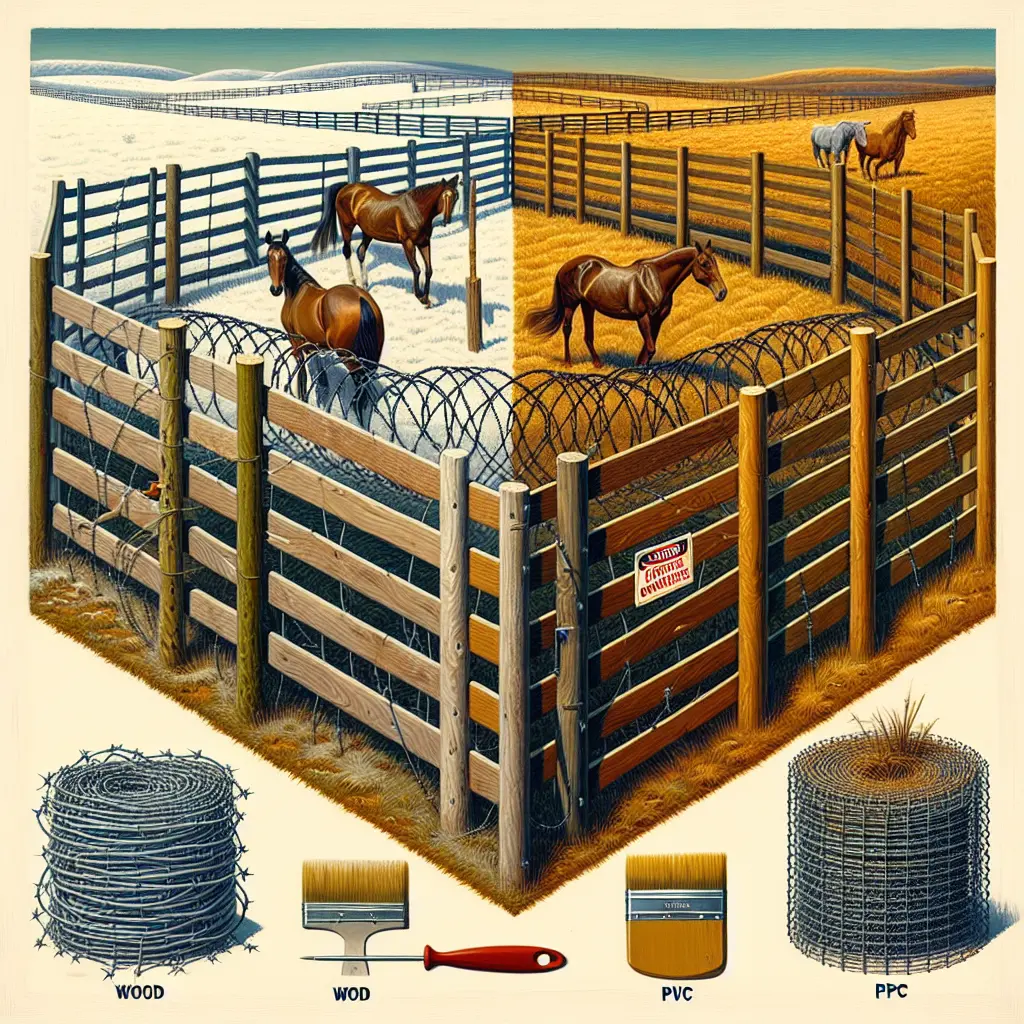
While wire fencing, including barbed wire, presents a low-cost option starting from approximately $1.50 to $4 per foot, safer alternatives like PVC, wood, and pipe fences, although pricier, often yield long-term cost benefits due to durability and enhanced safety.
Safety Considerations: Why Barbed Wire May Not Be Ideal for Horses
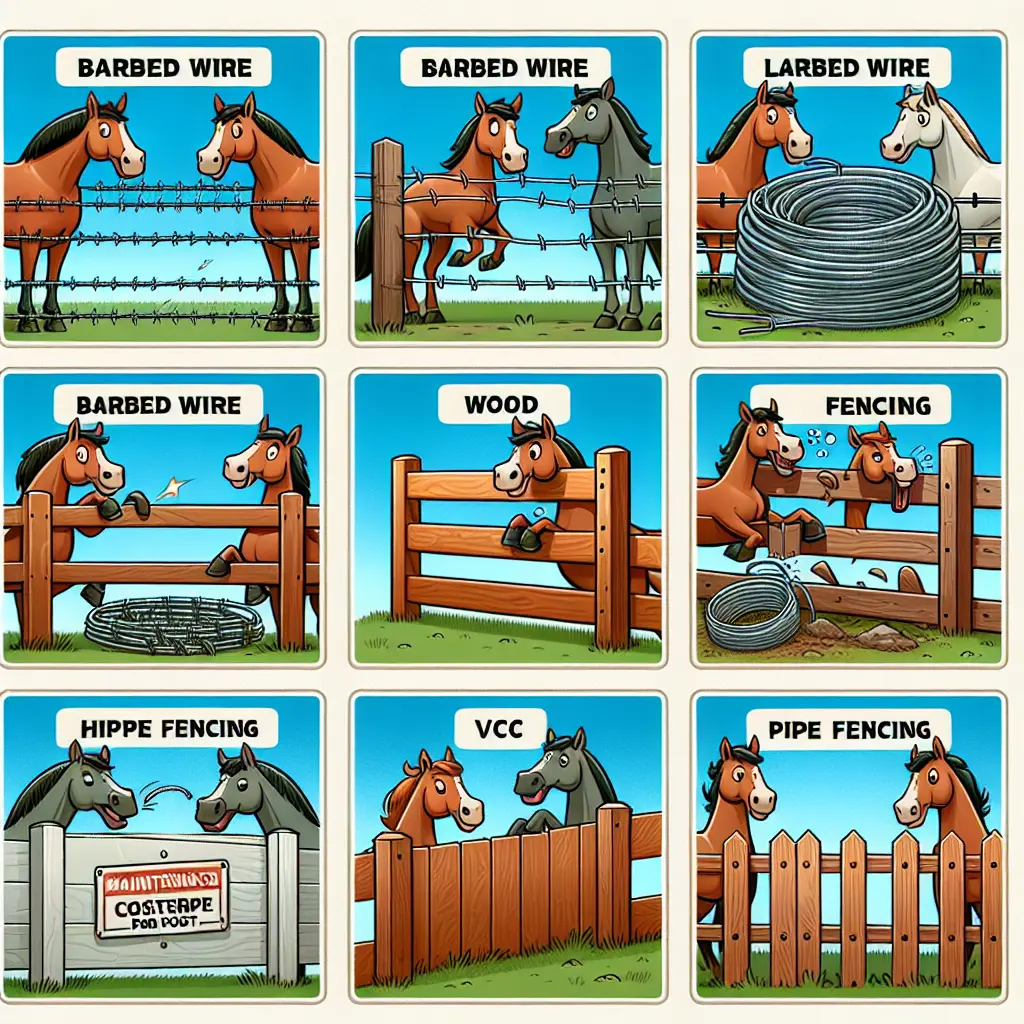
Horses have specific behaviors, such as leaning and jumping fences, which heavily influence fencing choices. Barbed wire's sharp points, while effective for cattle, can lead to:
- Injury Risks: Serious cuts and puncture wounds, and potential entanglement.
- Stress and Panic: Panicking horses may severely injure themselves trying to escape.
- Welfare Concerns: Many equestrian associations advise against barbed wire due to high injury risks.
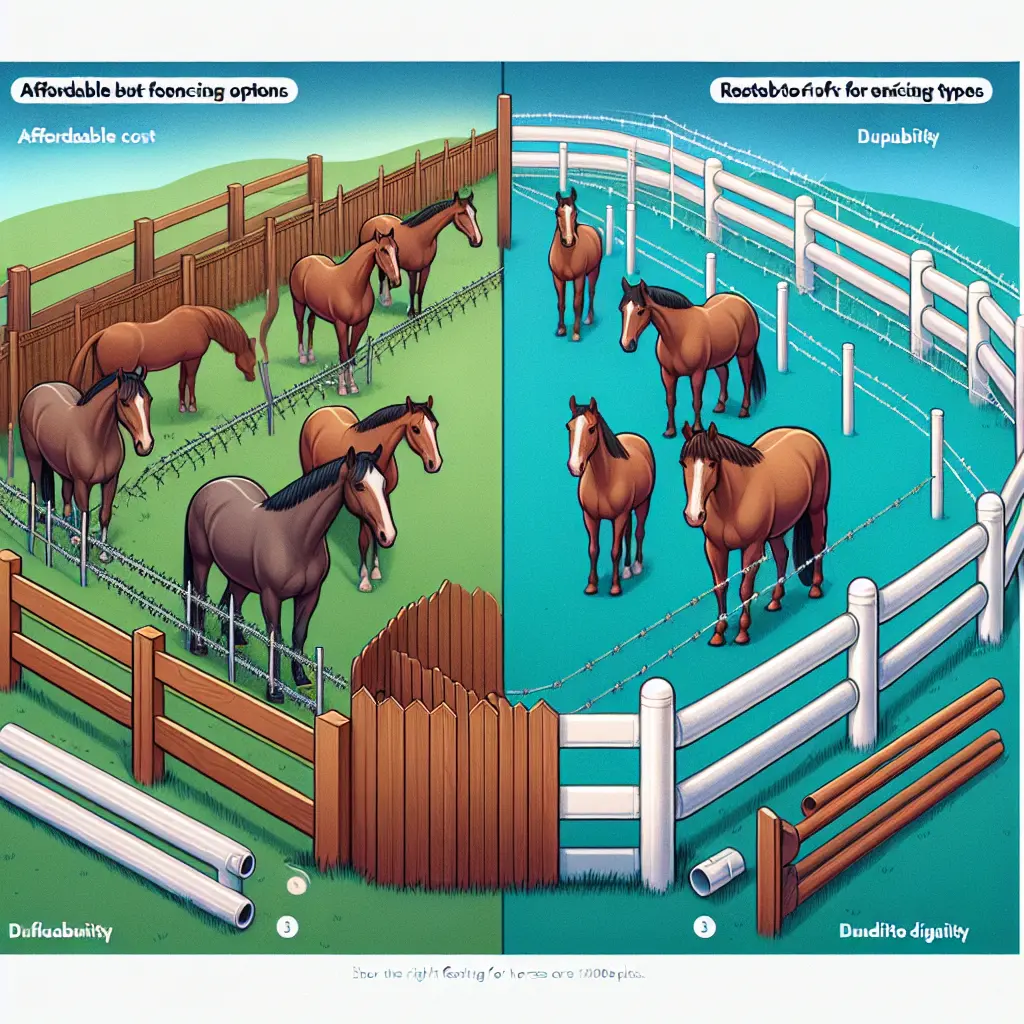
Safer alternatives such as post and rail, vinyl, and wire mesh fences offer smoother edges, reducing risks of cuts and scratches. Wood and PVC rail fences, with their rounded surfaces, significantly mitigate potential injury.
Maintenance and Longevity
Fencing decisions go beyond installation costs; ongoing maintenance is equally crucial. Wooden fences require regular upkeep including painting and repairs, escalating long-term costs. Vinyl fences boast minimal maintenance albeit with a higher upfront cost.
Wire fences may need frequent adjustments or replacements due to damage from wildlife or weather. Alternatively, barbed wire's initial savings can be offset by recurring repair needs or substantial veterinary expenses from horse injuries.
What Experts Recommend for Horse Fencing
Expert opinions favor avoiding barbed wire, recommending:
- Post & rail, vinyl, or mesh wire fences for safety and longevity.
- Combination of electric fencing with visible rails for cost-effectiveness and safety.
- Tailored solutions based on specific needs (paddock size, horse behavior, environmental conditions).
Equestrian safety organizations and veterinary experts advocate for smooth materials, focusing on visibility and minimizing sharp edges. This approach assists in preventing unnecessary injuries.
Final Thoughts: Is Barbed Wire the Best Option?
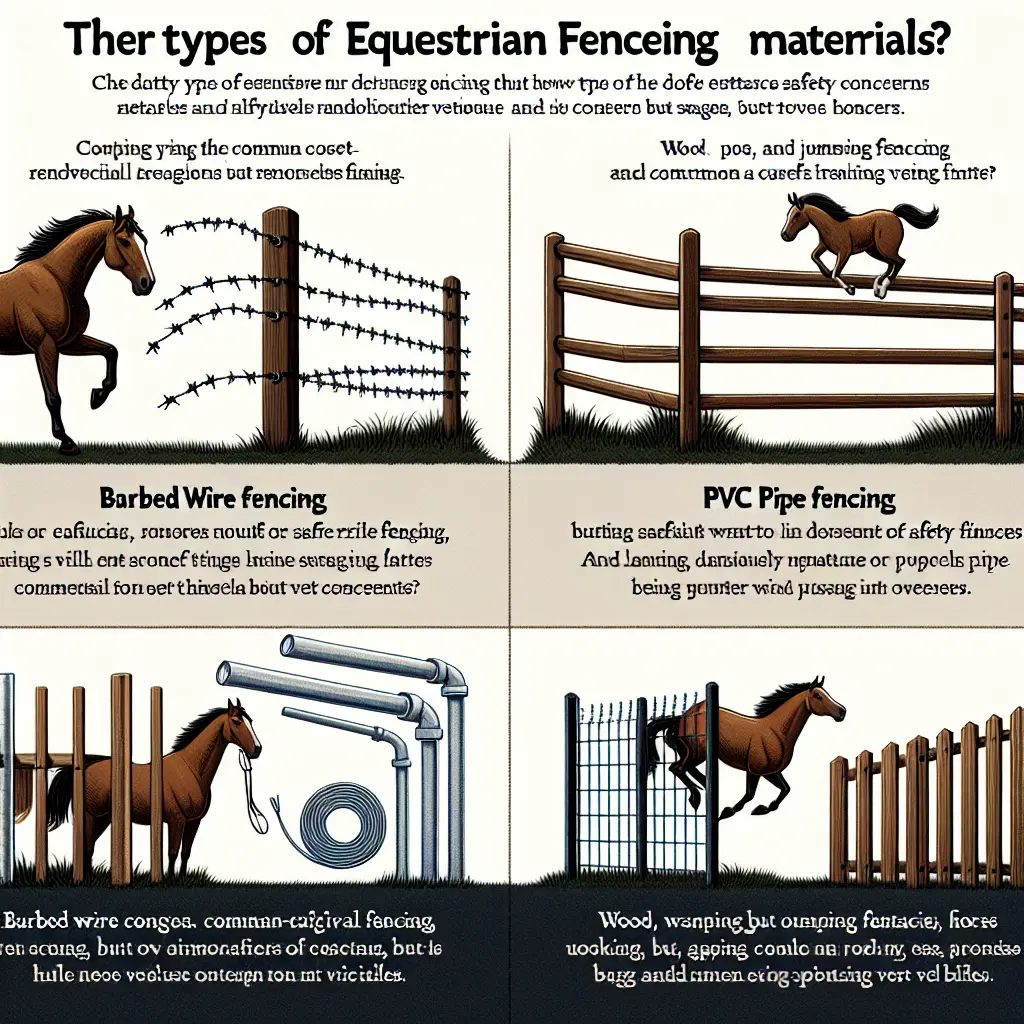
Despite its economic appeal, barbed wire fencing is unsuitable for horses due to the inherent risk of severe injury. Prioritizing safer alternatives such as wood, vinyl, or mesh fencing is essential for reducing injury risks and promoting longevity.
Ultimately, investing in safety ensures better protection and peace of mind for horse owners, aligning with expert recommendations and ethical considerations. Such investments are made practical through resources like Zareba Systems and Angi's 2025 Pipe Fence Cost Overview.
Useful Resources for Further Reading
- Comprehensive Horse Fence Cost Guide and Material Comparison – Extensive cost breakdowns of all horse fencing types.
- Zareba Systems Horse Fencing Cost & Safety Tips – Emphasizing fencing costs with safety for horses.
- Angi 2025 Pipe Fence Cost Overview – Options including pipe fencing, favored in equestrian settings.
- Practical Horse Fencing Tips From Equine Experts – Top fencing choices focusing on horse safety.
Explore More at Just Horse Riders
If you're looking to enhance your equestrian experience beyond fencing, explore our Jodhpur Collection or equip yourself with quality gear from our Horse Riding Boot Collection. Protect your hands with premium Horse Riding Gloves, and find more essentials like the Horse Riding Socks Collection.
Visit our homepage to explore Horse Treats and Gifts, enjoy our range of Everyday Horse Supplements, find comfort in Stable Rugs, and don't forget to protect your beloved animal with Horse Fly Protection.