

Can Turmeric and Oily Herbs Effectively Treat Equine Sarcoids?
In the world of horse care, equine sarcoids pose a significant challenge. These are the most common skin tumors in horses, and understanding their treatment is crucial for horse owners. Recent discussions have centered on the use of natural remedies like turmeric and oily herbs. But can they effectively treat equine sarcoids?
Understanding Equine Sarcoids
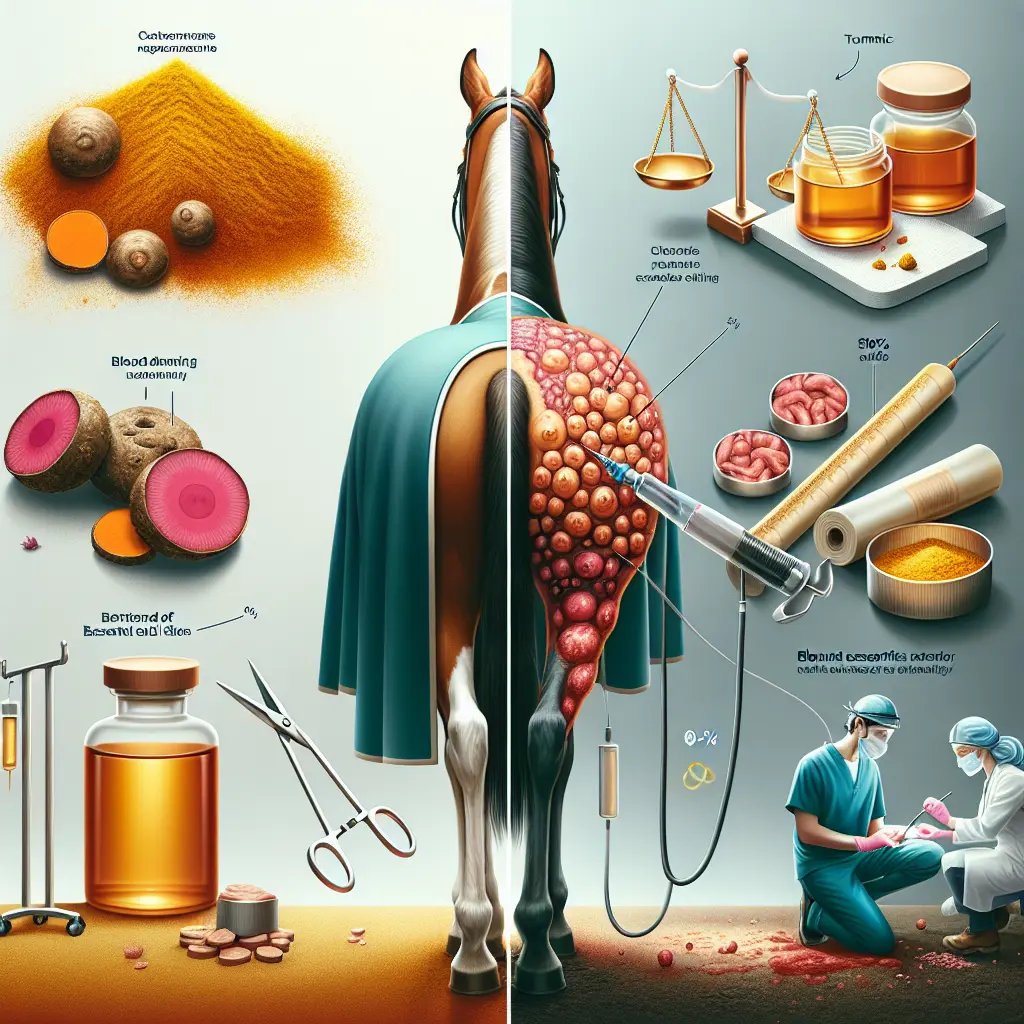
Equine sarcoids account for up to 80% of skin tumors in horses worldwide, making them a pressing issue for equestrians. Despite being non-cancerous, these tumors are locally invasive and linked to the bovine papillomavirus (BPV). They manifest as firm, hairless lesions, varying from flat and occult types to nodular, fibroblastic, or aggressive verrucous forms.
- Common sites affected: Girth area, face, legs, sheath, or parotid region.
- Significance: Sarcoids are notorious for resisting spontaneous regression and frequent recurrences, thus affecting a horse’s quality of life by impairing movement or causing infections.
Early detection can improve outcomes. While flat lesions may remain mild, the aggressive types necessitate swift veterinary intervention for accurate diagnosis through biopsy, as sarcoids could mimic other conditions.
Proven Treatments for Sarcoids
Conventionally, treatment strategies revolve around physical removal or targeted tumor destruction. As per a 2024 clinicopathologic study involving 49 sarcoids, surgical excision with wide margins displays success rates of 80-90%.
| Treatment | Success Rate | Recurrence Risk | Notes |
|---|---|---|---|
| Surgical excision | 80-90% | 10-20% | Laser or electrosurgery techniques are equally effective. |
| Chemotherapy | 70-90% | 10-20% | Post-surgery options like AW-5 combo therapy. |
| Cryotherapy or radiotherapy | 60-80% | High if incomplete | Invasive options with variable efficacy. |
While additional therapies post-surgery (like topical chemotherapy) have shown no significant advantage over simple excision, emerging techniques like histotripsy are under trial, showing promise as a non-invasive alternative.
The Turmeric Solution: Hype or Hope?
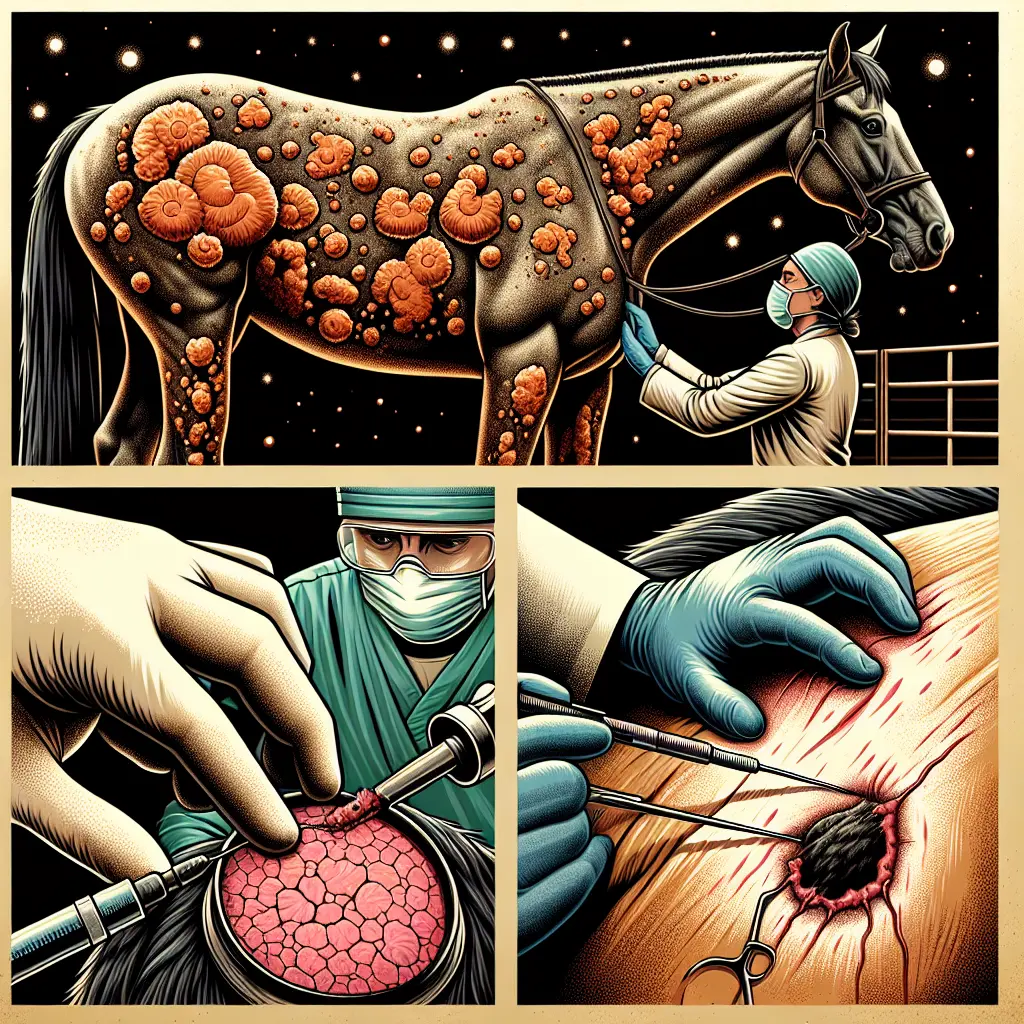
Turmeric, particularly its active compound curcumin, is celebrated for its anti-inflammatory properties. Among horse enthusiasts, it sees usage for conditions ranging from joint pain to skin problems like sarcoids.
Some reports suggest benefits:
- In a study involving 7 mares with osteoarthritis and 15 foals, 150 mg of curcumin daily appeared to reduce inflammation markers.
- Three horses with arthritis experienced improved mobility after a short dosing period.
- 25 young Thoroughbreds showed decreased post-exercise inflammation with 3.2 g curcumin/day.
Despite these promising results for inflammation, there's limited evidence supporting turmeric as a standalone treatment for sarcoids. One anecdote in the aforementioned study noted the use of turmeric post-surgery with no recurrence, but without controlled studies, it remains speculative.
Understanding Oily Herbs
Often, "oily herbs" refer to resinous or essential oil-rich plants like bloodroot or mistletoe, utilized in complementary practices. A particular ointment, Xterra, featuring bloodroot, saw mentioned use in one clinical case study without subsequent tumor recurrence.
There are ongoing randomized, placebo-controlled trials investigating oral and subcutaneous doses of mistletoe extract. However, clear evidence in terms of significant efficacy currently remains elusive, urging horse owners to approach such treatments with due diligence.
Practical Considerations for Horse Owners
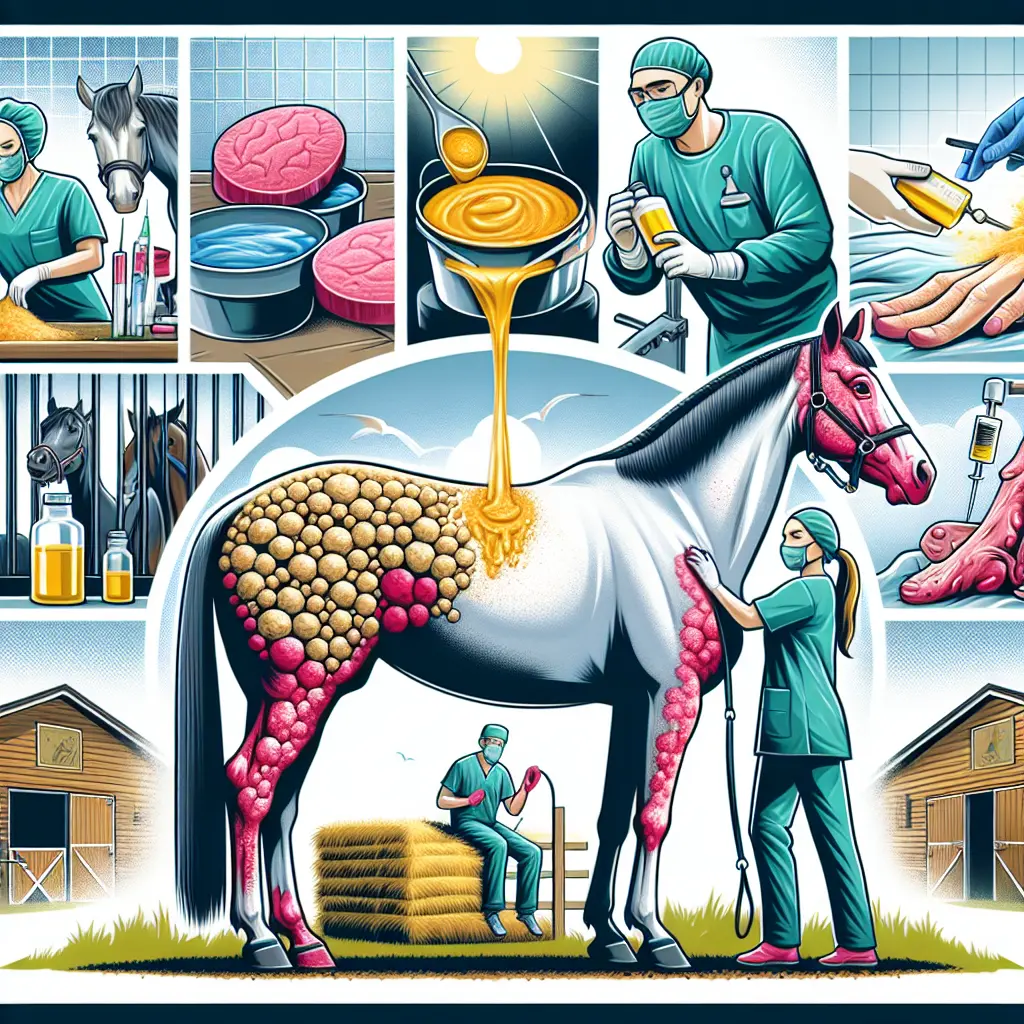
For horse owners grappling with sarcoids, here's a prudent course of action:
- Consult your vet for a confirmed diagnosis via biopsy.
- Opt for well-studied, conventional treatments first, like surgical removal.
- Introduce turmeric as a complement to combat inflammation.
- Closely monitor sarcoids for progress and signs of regression or worsening.
- Participate in new treatment trials to explore advanced options.
Turmeric and oily herbs hold potential as adjunct therapies, but don’t solely rely on them for sarcoid resolution. Evidence-backed medical approaches should be prioritized to ensure the best possible outcomes for your equine friend.
Conclusion
Empowering equine health requires balancing traditional and modern approaches. While turmeric and oily herbs contribute to reducing inflammation, their efficacy in treating equine sarcoids remains scientifically unsubstantiated. Therefore, prioritize proven treatments, engage with veterinary professionals, and consider adjunct natural therapies for holistic care.
Stay informed, continue seeking the latest advances in equine veterinary care, and ensure a happy, healthy life for your horse. After all, your journey with them extends beyond just riding—it's about nurturing a partnership that thrives on trust, love, and good health.