

The Charm and Challenge of Fell Ponies: Stories from Horse Enthusiasts
Nestled among the rugged fells of Northern England is a remarkable breed with nearly two thousand years of history—the Fell Pony. Known for their remarkable strength, endurance, and sure-footedness, these ponies were shaped by the harsh terrain and demanding work of the Lake District. Today, the Fell Pony enjoys renewed popularity as riding and driving mounts, cherished by beginners and seasoned equestrians alike. This blog explores what makes the Fell Pony so uniquely charming, the challenges their keepers face, and real stories from enthusiasts who live and breathe these remarkable ponies.
Ancient Roots and Remarkable Heritage
The Fell Pony is one of Britain's purest native breeds, second only to the Exmoor pony in terms of lineage continuity. Originating in the upland fells of Cumbria—hence their name, derived from the Old Norse word for "hill"—the Fell Pony's ancestry dates back before Roman times. It shares origins with the now-extinct Galloway pony and is closely related to the Dales Pony, yet it has maintained a distinct and recognizable type for nearly two millennia. [1].
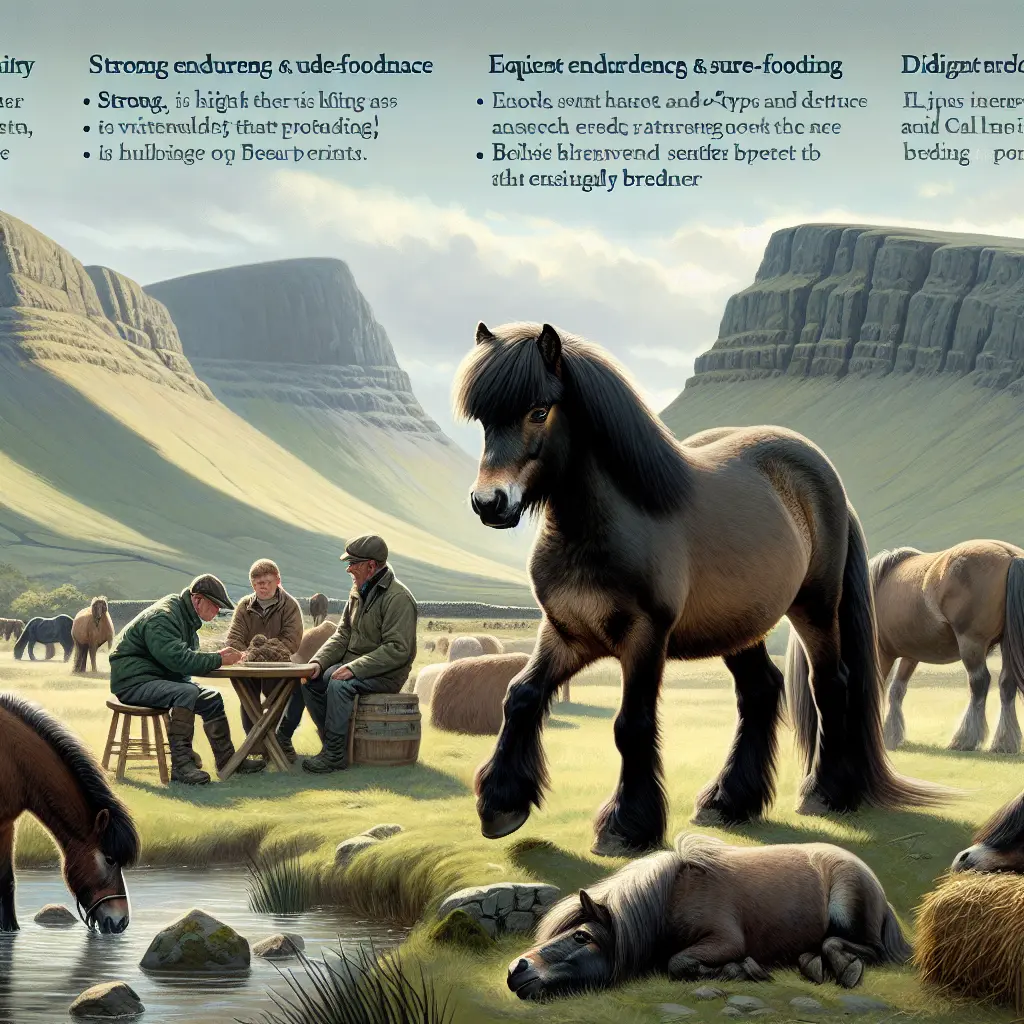
Historically, Fell Ponies were indispensable working animals. They served as versatile packhorses, carrying slate, lead, copper, and iron ores over rugged hills for miles at a time—famously traveling up to 240 miles in a week. The Vikings even favored them as packhorses, appreciating their agility and stamina. [1].
The Fell Pony’s Unique Qualities
What sets Fell Ponies apart? Their hardiness and sure-footedness are legendary, enabling them to navigate steep, rocky fells that would challenge most horses. They possess:
- Strength and agility: Despite standing around 13 to 14 hands high, Fell Ponies are remarkably strong, capable of pulling sledges or carrying plough loads. [1].
- Temperament: Known for being intelligent, calm, and willing, they are ideal for both novice riders and experienced handlers.
- Robust health: Generally hardy, these ponies thrive in tough conditions. However, they can carry a genetic disorder called Foal Immunodeficiency Syndrome (formerly Fell Pony Syndrome), which is preventable through responsible genetic testing and breeding. [2].
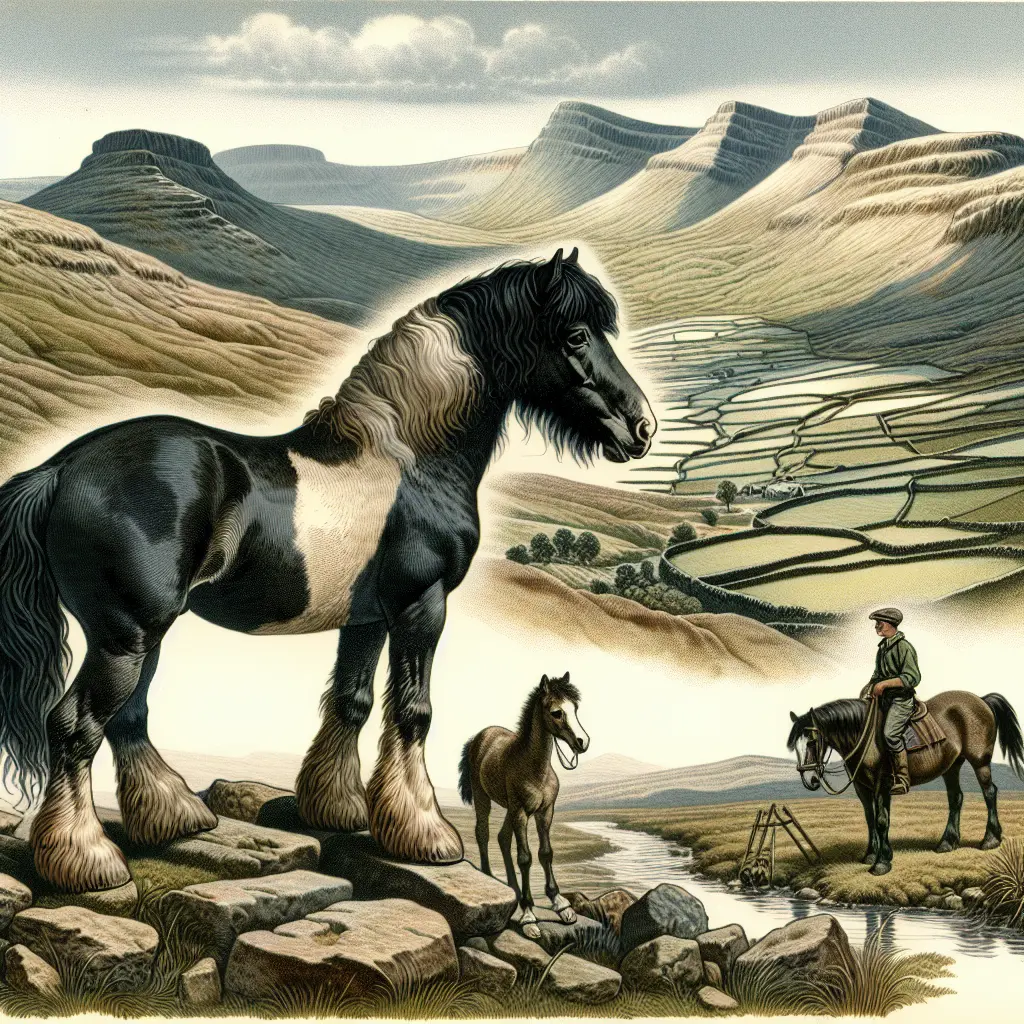
These qualities have transitioned Fell Ponies from workhorses to beloved companions in riding clubs, driving competitions, and leisure riding. [2].
Stories from the Heart: Fell Pony Enthusiasts Speak
Many equestrians today testify to the enduring magic of Fell Ponies.
- A Youth Rider’s Perspective: Many Pony Club members prefer Fells for their reliable nature and versatility. One rider shared, “My Fell Pony just gets the terrain—whether rainy mud or steep hillside. She’s steady but spirited when it counts, and she’s been my partner in everything from show jumping to trail rides.”
- A Working Pony Legacy Keeper: An elderly farmer from Cumbria reminisced about the days when Fell Ponies carried ores and farm goods. “You learned to trust the pony’s judgment; they knew the fells better than most men,” he said. Even though mechanization ended much of that work, local breeders have preserved the breed’s heritage, ensuring these ponies stay true to their roots. [1].
- Therapeutic Companions: Beyond sport and work, Fells are also proving their worth in therapy programs, offering calm companionship to children and adults with special needs thanks to their forgiving temperaments.
Challenges in Caring for Fell Ponies
Owning a Fell Pony is immensely rewarding but presents particular challenges:
- Genetic health management: Preventing Foal Immunodeficiency Syndrome requires testing and careful breeding to avoid combining carriers of this recessive trait. [2].
- Specialized care for ruggedness: Though tough, Fells thrive when kept active and suited to their natural environment. Lack of exercise or unsuitable terrain may affect their physical and mental wellbeing.
- Preservation efforts: With numbers once dangerously low after industry mechanization, conservation of this native breed requires committed breeders and enthusiasts worldwide. [3].
Why They Matter: Beyond Beauty
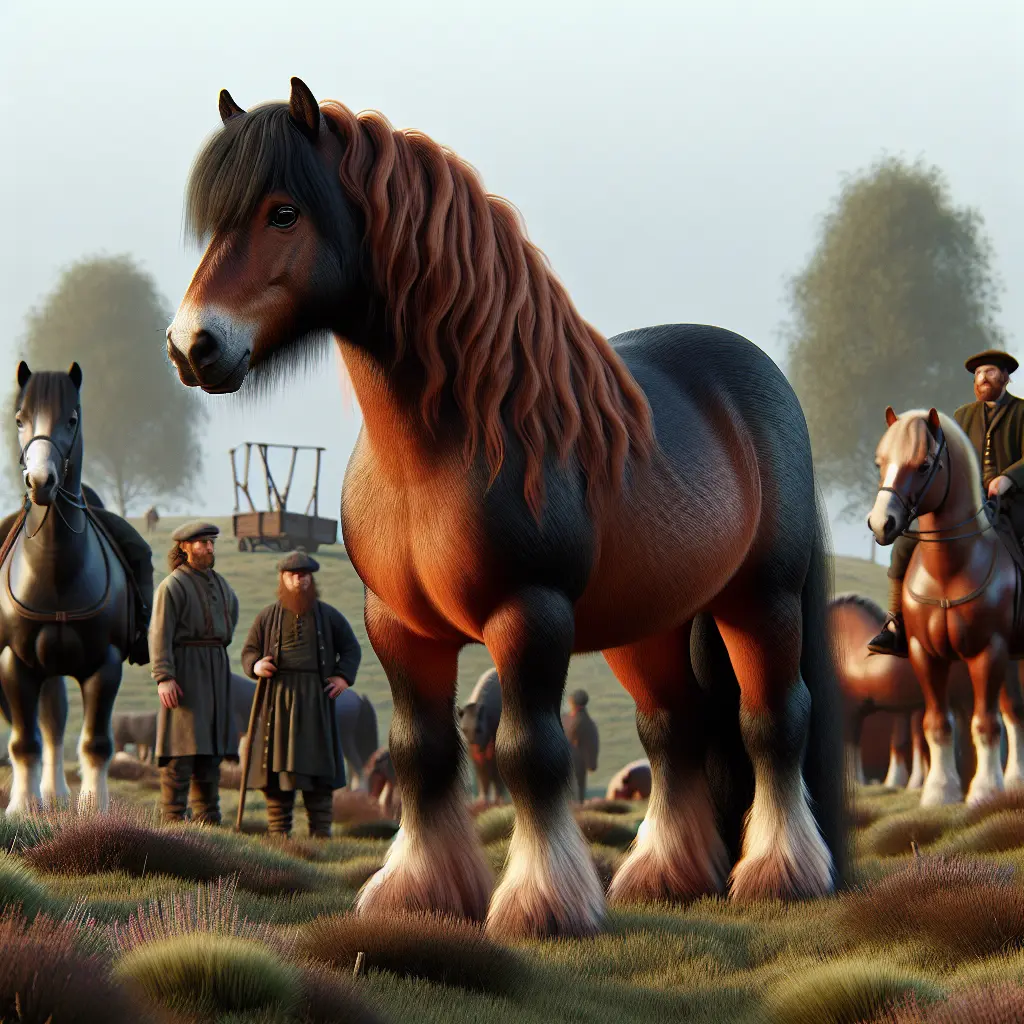
Fell Ponies embody the connection between human history and nature’s demands. Their evolution alongside Northern England’s landscape represents resilience and adaptability. More than just a pretty pony, the Fell is a living relic of a time when animal and human worked inseparably to survive the elements.
For potential owners and fans, the Fell Pony is an invitation—to join a community rooted in tradition, to experience a versatile and capable mount, and to participate in preserving a rare piece of Britain’s equine heritage.
Where to Learn More and Support Fell Ponies
For those inspired to delve deeper, consider exploring:
- The Fell Pony Society, which maintains breed standards and promotes heritage preservation.
- Conservation groups like The Livestock Conservancy, which support rarer British breeds with detailed history and breed status updates.
- Breed profiles and health guides on sites like Mad Barn, offering practical advice on feeding, care, and genetics.
The Fell Pony’s story is one of charm, challenge, and enduring partnership. Steeped in history yet firmly rooted in today’s equestrian world, it continues to captivate enthusiasts who cherish not just a pony, but a living legacy.
By immersing in the tales of those who ride, breed, and care deeply for the Fell Pony, readers gain both practical knowledge and a sense of shared heritage—making the allure of the Fell Pony not just understandable, but unforgettable.
For those interested in equestrian equipment, Just Horse Riders offers a fine Jodhpur Collection, Horse Riding Boots, Riding Gloves, Socks, and more. Secure your equestrian journey enriched with Everyday Horse Vitamins & Supplements and protect your Fell Ponies with high-quality Stable Rugs and Turnout Rugs.