

Delving into the captivating world of cross-country course design, we uncover the fascinating guidelines and rules set by major equestrian organizations. We explore the meticulous process involved in creating these courses, ensuring they are both challenging and safe for all participants.
Fundamental Aims and Expectations
The Fédération Équestre Internationale (FEI) establishes the global standards for cross-country course design. Their primary aim is to test the skills of athletes and horses in adapting to varying conditions, showcasing harmony, confidence, and overall performance.
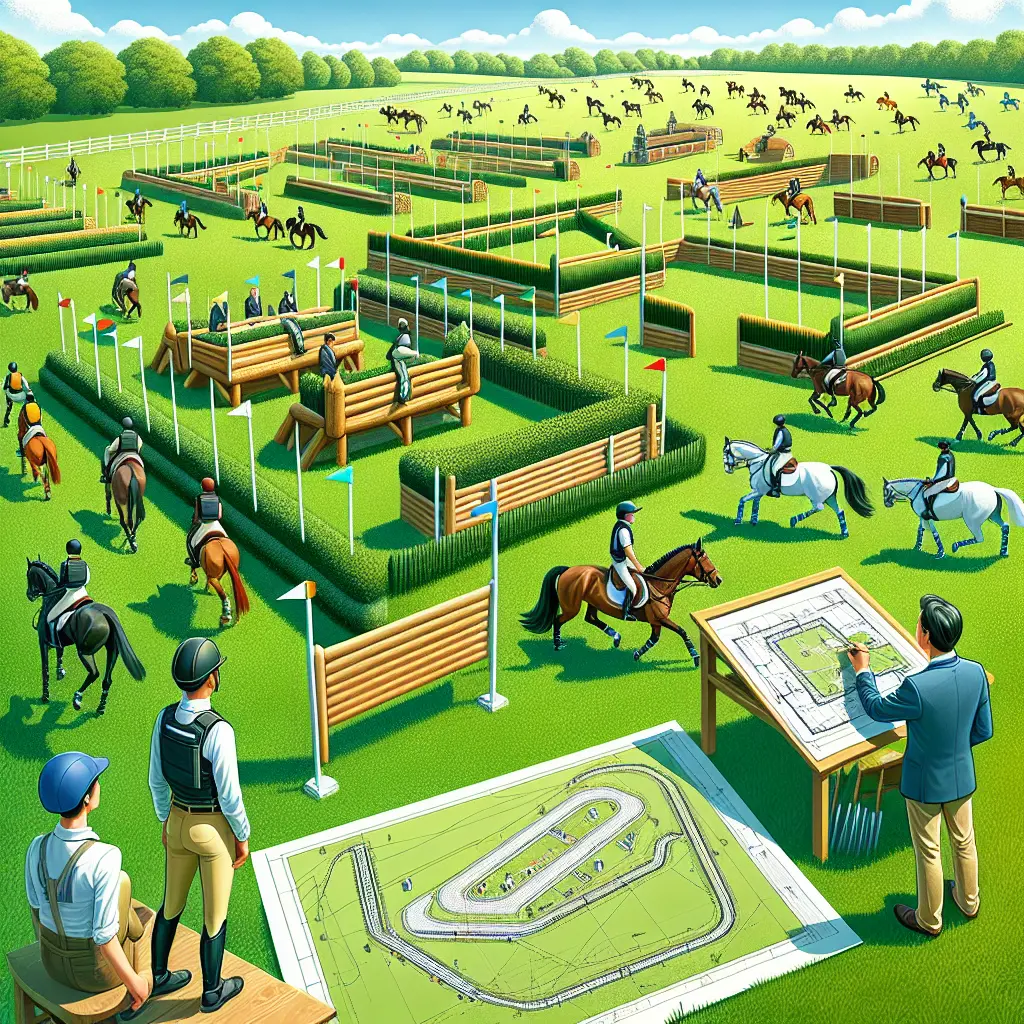
Course Structure and Flow
Initial Fences
A well-designed course begins with three to five straightforward and inviting fences, allowing horses and riders to warm up.
Main Obstacles
The main course comprises various obstacles, each designed to test different skills like jumping and balance, strategically spaced for maintaining rhythm.
Alternative Obstacles
Higher-level courses often include alternative obstacles, mirroring the direct route to ensure fairness and safety.
Final Fences
The courses culminate with three to four easier fences to leave a positive experience for horses and riders.

Risk Management and Safety
Balance is crucial in cross-country course design, ensuring challenges are paired with safety. Designers must ensure that all fences minimize risk and offer fair opportunities for competitors.

Level-Specific Considerations
Lower Levels
Courses for introductory levels focus on creating positive and educational experiences with straightforward fences and gentle turns.
Higher Levels
Advanced stages demand a high level of skill with complex obstacles and tighter combinations.

Guidelines for Course Designers
Course designers are pivotal, adhering to set standards ensuring variety, symmetry, and appropriate rhythm throughout the course.
Educational and Review Programs
The USEF Show Jumping Course Advisor Program, initiated in 2004, is instrumental in elevating standards across the United States. Organizations like FEI and EA offer continuous guidelines to incorporate new ideas and ensure safety.
For comprehensive insights into cross-country design, you may refer to the FEI Cross Country Course Design Guidelines and the USEF Cross Country Design Guidelines, providing industry-standard practices.
Conclusion
Cross-country course design intertwines art and science, demanding careful consideration of guidelines established by leading equestrian authorities. By focusing on harmony, confidence, and safety, these courses can deliver challenging yet rewarding experiences for all equestrian enthusiasts.
For a perfect riding experience, explore our Jodhpur Collection and more at Just Horse Riders today!