

Navigating New Horse Ownership: Challenges and Lessons Learned
Embarking on the journey of horse ownership is akin to stepping into a captivating story filled with triumphs, trials, and boundless rewards. However, just as every knight must learn to wield their sword, potential horse owners must be ready to embrace the various challenges that come with the territory. This guide will walk you through the realities of horse ownership, infused with tips, expert insights, and hard-won lessons from seasoned equestrians.
The Appeal and Reality of Horse Ownership

The allure of horse ownership often shines brightly, thanks to portrayals of majestic rides and the unspoken bond between horse and rider. Interestingly, in 2025, the United States was noted as one of the top countries boasting a robust population of horses. However, behind this prestigious ranking lies a reality where horse ownership has slightly dipped, decreasing by 0.2 million households since previous years[5]. This trend could signal a growing recognition of the significant responsibilities and financial demands involved in maintaining horses.
Key Challenges for New Horse Owners
Financial Commitment
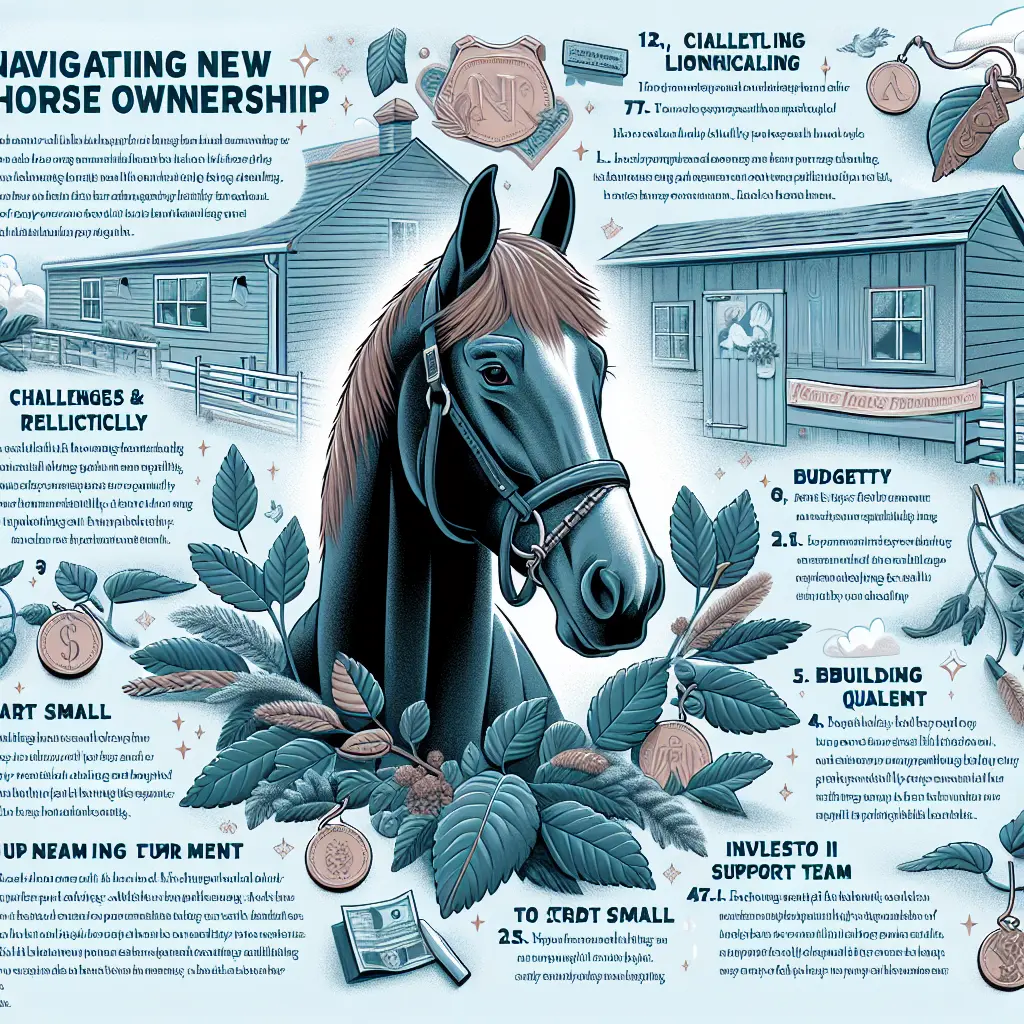
Owning a horse is, undeniably, an investment, and it begins well before your hoofed companion steps onto your property.
- Initial Costs: Beyond purchasing your horse, prepare to invest in essential equipment, boarding facilities, veterinary care, and insurance.
- Ongoing Expenses: Routine care involves regular check-ups, vaccinations, feed, and maintenance of facilities.
- Unexpected Costs: Emergencies happen. It could be a vet's visit or a broken fence. Be prepared for the unexpected, where expenses can swiftly mount[5].
Time and Responsibility
Daily Commitment: Horses demand daily engagement, whether it’s feeding, grooming, exercising, or cleaning stalls. Unlike smaller pets, they can't be left to fend for themselves.
Training and Socialization: A well-trained horse is a safe companion. Investing time in regular training sessions helps in forming a strong bond and ensures safety.
Health and Wellbeing
Veterinary Care: Horses are prone to various health issues. A trusted equine veterinarian becomes indispensable in ensuring the horse's health.
Mental Health: Horses thrive on social interaction. Isolation can lead to stress, affecting their physical and emotional health.
Learning Curve
Transitioning from a novice to a confident horse owner is a learning journey. Engaging with equestrian workshops and seeking mentors help in navigating this curve.
Lessons Learned from Experienced Owners
Start Small and Build Experience

Experienced horse owners often advise initiating your journey with a trained, older horse. This approach reduces frustration and eases the adaptation process. Communities, both local and online, offer companionship and support, turning challenges into a shared adventure.
Prioritize Health and Welfare
Consistency in veterinary check-ups and maintaining health records contributes significantly to preventing emergencies. Observing your horse closely for behavioral changes can preempt bigger issues.
Budget Realistically
Financial Planning: Craft a budget that accommodates both predictable and impromptu expenses. Consider creating an emergency fund specifically for your equine friend.
Find the Right Support Team
Building a network comprising a reliable vet, farrier, and trainer is crucial. Their collective expertise acts as a safety net, enhancing both your confidence and that of your horse.
Trends and Insights from the Equestrian Community
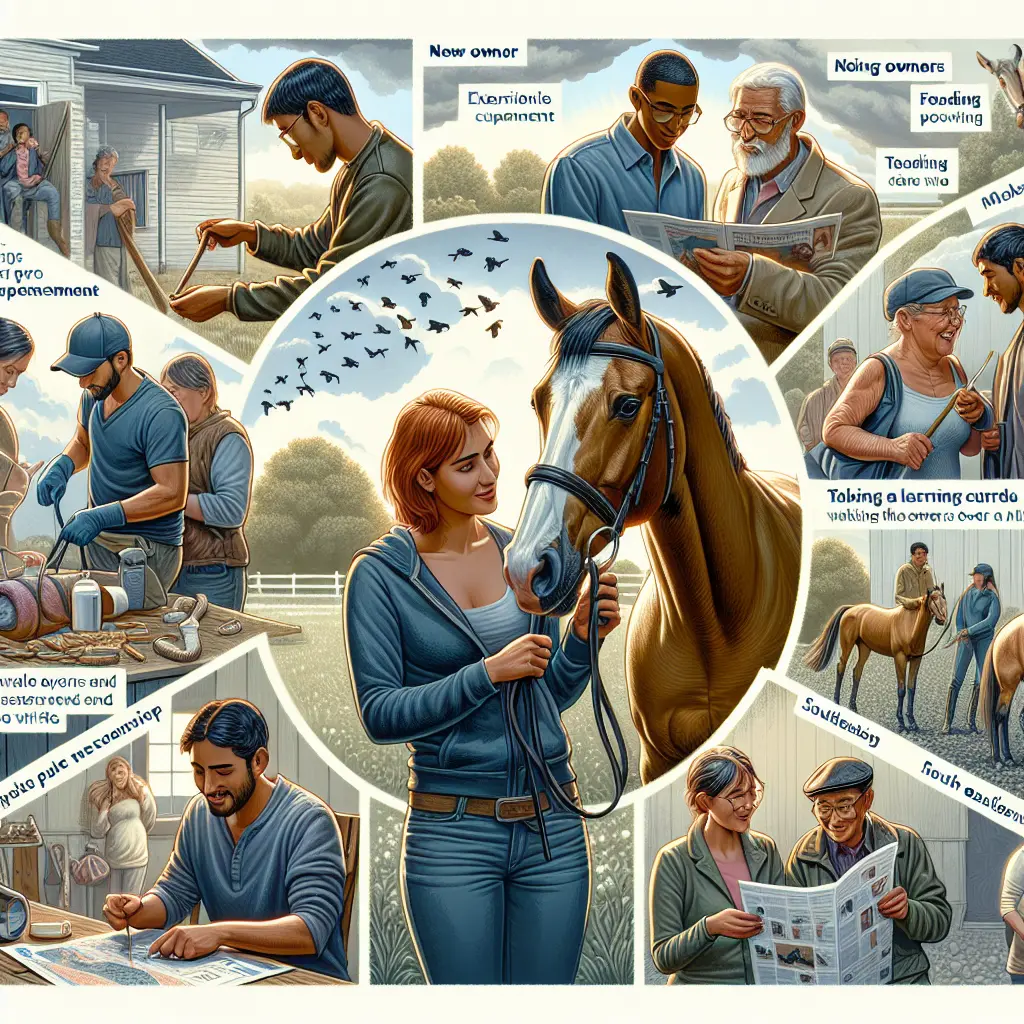
Recent insights from the National Collegiate Equestrian Association highlight the dedication required for equestrian activities. In 2025, the average rider attended 22 shows annually—an increase from previous years, demonstrating the commitment expected within the community[4]. This trend underscores the importance of preparation and continuous learning for prospective horse owners.
Practical Tips for New Owners
- Research Before Buying: Understand different breeds and temperaments.
- Visit Multiple Facilities: If boarding, compare various stables to find the best fit.
- Invest in Quality Equipment: High-quality gear for you and your horse is fundamental.
- Join a Community: Connect with equestrian groups for shared knowledge and encouragement.
- Stay Informed: Engage with trends and best practices in horse care.
Conclusion
The journey of horse ownership is painted with hues of joy and enriched with learning experiences. By understanding the nuances of financial, emotional, and care-related demands, new owners can foster a thriving environment for their equine partners. With a foundation built on insights from experts and the latest equestrian statistics, horse ownership can evolve beyond challenges into a fulfilling lifelong journey[2][4][5].