

Understanding Herd Dynamics: A Deep Dive into Equine Relationships
Horses are not merely majestic creatures that grace our pastures with their beauty; they are social animals with complex relationships within their groups. Understanding these dynamics crucially impacts how owners, riders, and caretakers prioritize the well-being and environment of their horses. This comprehensive guide explores the profound social structures, dominance hierarchies, and emotional bonds that define equine groups.
The Social Web of Equine Groups
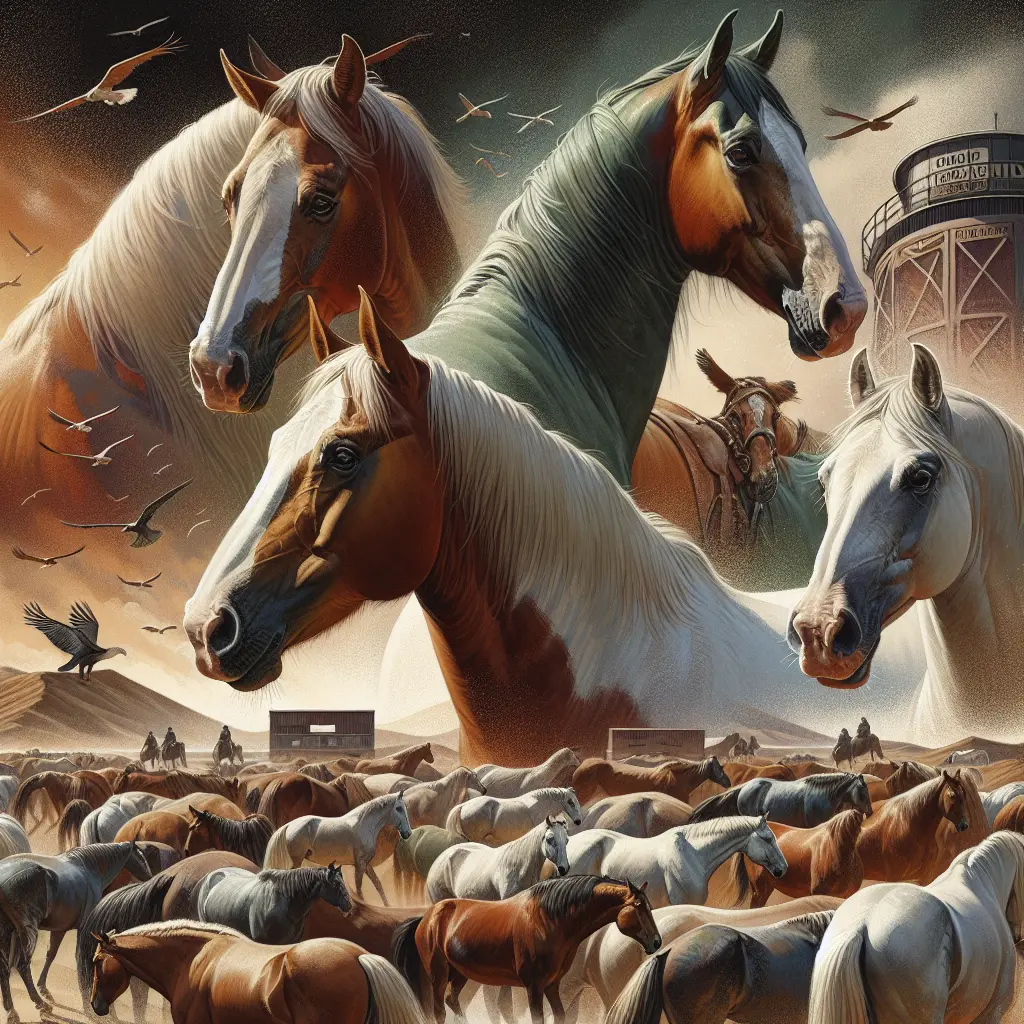
At the heart of equine life is the herd, which in the wild and domestic settings, provides a network of stable, long-term bonds that can last for years. These affiliations are more than mere coexistence, encompassing mutual grooming, resting together, and playful interactions. Such behaviors are signs of strong, affectionate bonds that reduce stress and offer a deep sense of security.
Key Behaviors Within the Herd
Research indicates that agonistic interactions (conflict-based) primarily help establish and maintain stable social structures, rather than being about resource guarding. Horses, being grazers, encounter naturally dispersed food sources that decrease resource-related conflicts.
Dominance Hierarchy and Leadership
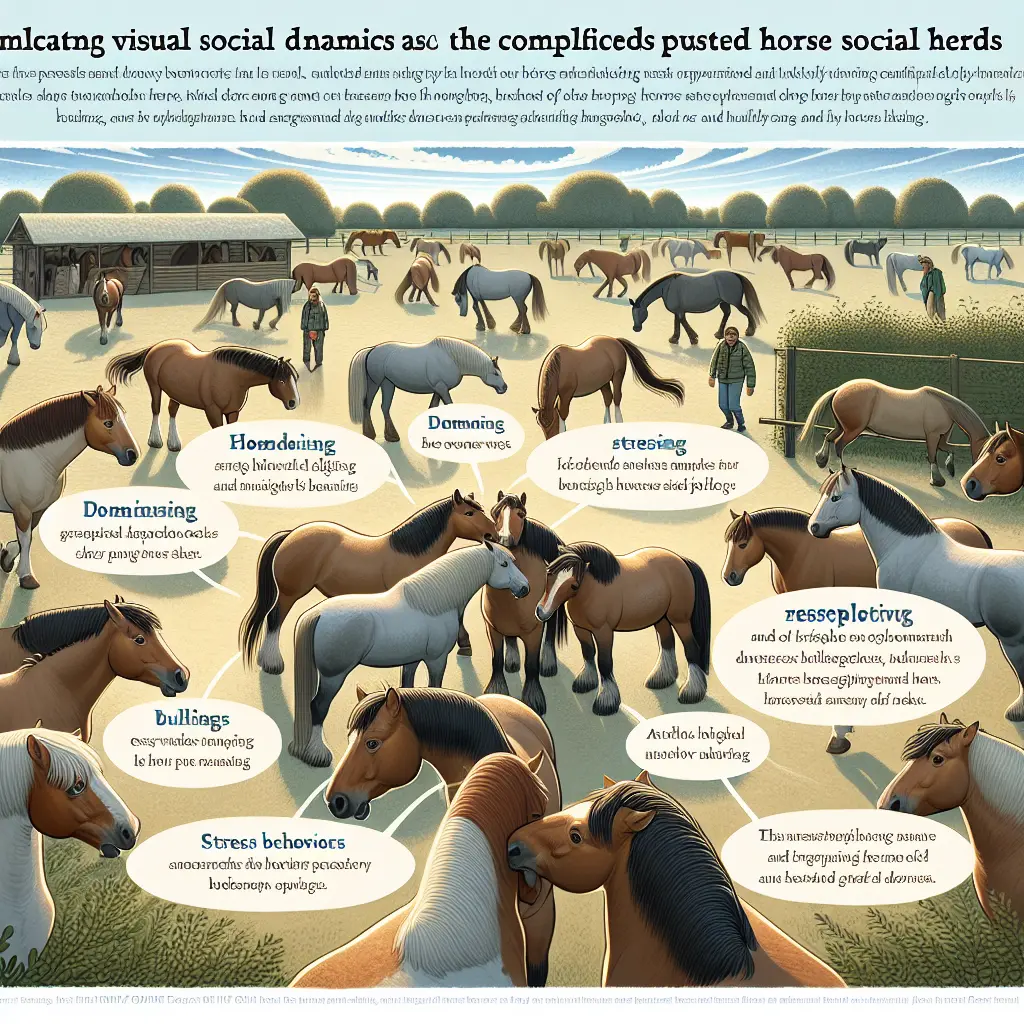
Equine dominance is not akin to bullying. It involves horses asserting themselves to maintain respect and order within the group. Factors influencing dominance include age, size, experience, and the duration of herd membership. It’s important for caretakers to distinguish these natural herd behaviors from problematic aggression.
A study involving Arabian mares found that removing key group members triggers significant emotional reactions. Mares exhibited increased vocalization, high heart rates, and heightened vigilance, signaling the depth of their connection and the effect of social disruptions.
The Joy of Play and Social Interactions
Play among horses is a critical indicator of social health, particularly among younger members. It aids them in learning social cues and developing physical skills. Social behaviors such as grooming and resting together reinforce bonds and help restore harmony after conflicts. In times of disagreement, horses have been observed to engage in increased affiliative behavior to maintain unity within the herd.
Managing Herd Dynamics: Practical Tips
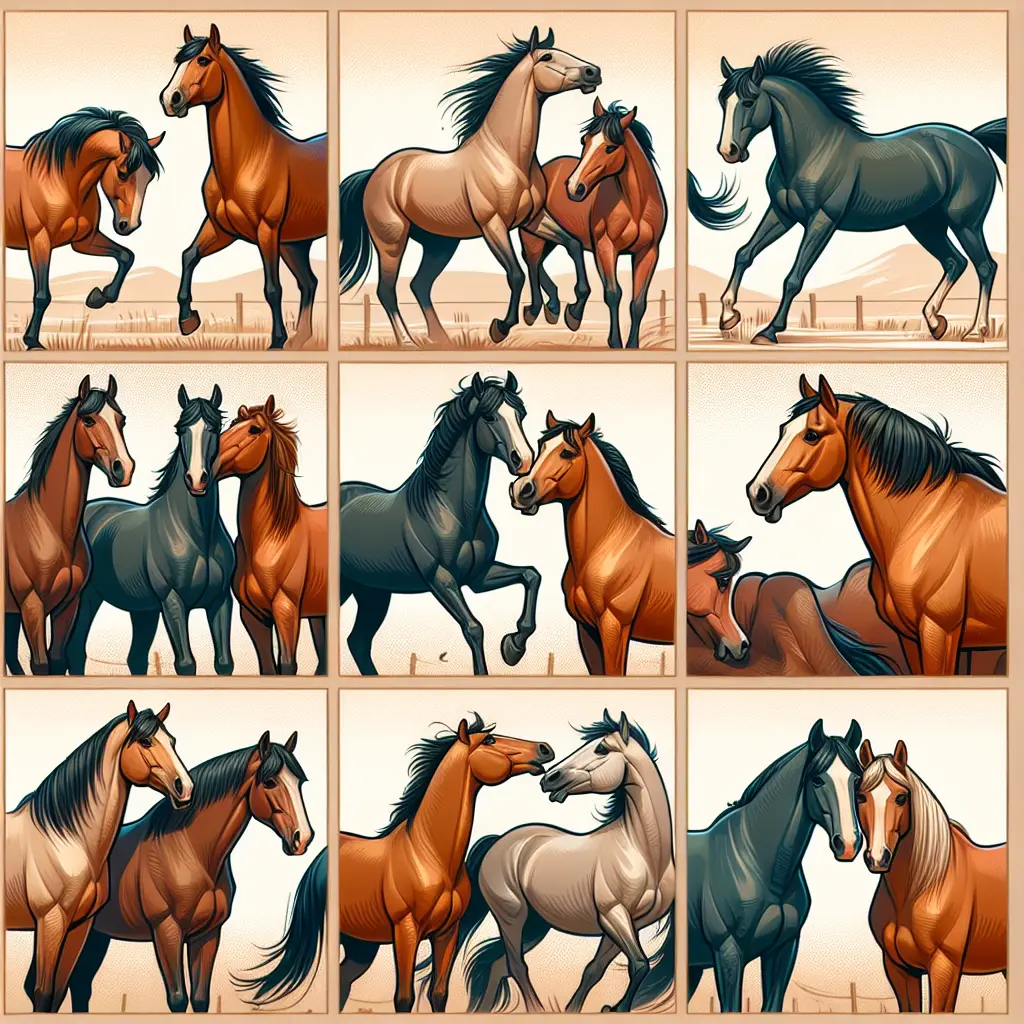
Owners managing horse groups should adopt practices that support the herd’s natural dynamics:
Key Tips for Herd Management
- Observe horse interactions during turnout. Look for shared grooming and play as positive signs.
- Respect the Hierarchy: Avoid unnecessary disruptions by carefully planning changes such as introductions or removals from the group.
- Monitor for Stress: Increased vocalization, pacing, or aggressive behaviors can indicate issues in group dynamics.
- Provide Space: Ensure ample space for movement, feeding, and resting to reduce resource-based conflicts.
- Support Long-term Bonds: Allow horses to form and maintain long-term relationships, minimizing stress from frequent changes.
The Impacts of Population Management: Gelding Insights
Population management, including gelding, is often utilized in wild horse settings to control population sizes. A study by Colorado State University found gelding has minimal impact on male social behaviors. Gelded males continue participating in group activities, showcasing the resilience of equine social networks.
Herd Dynamics and Equine Emotional Health
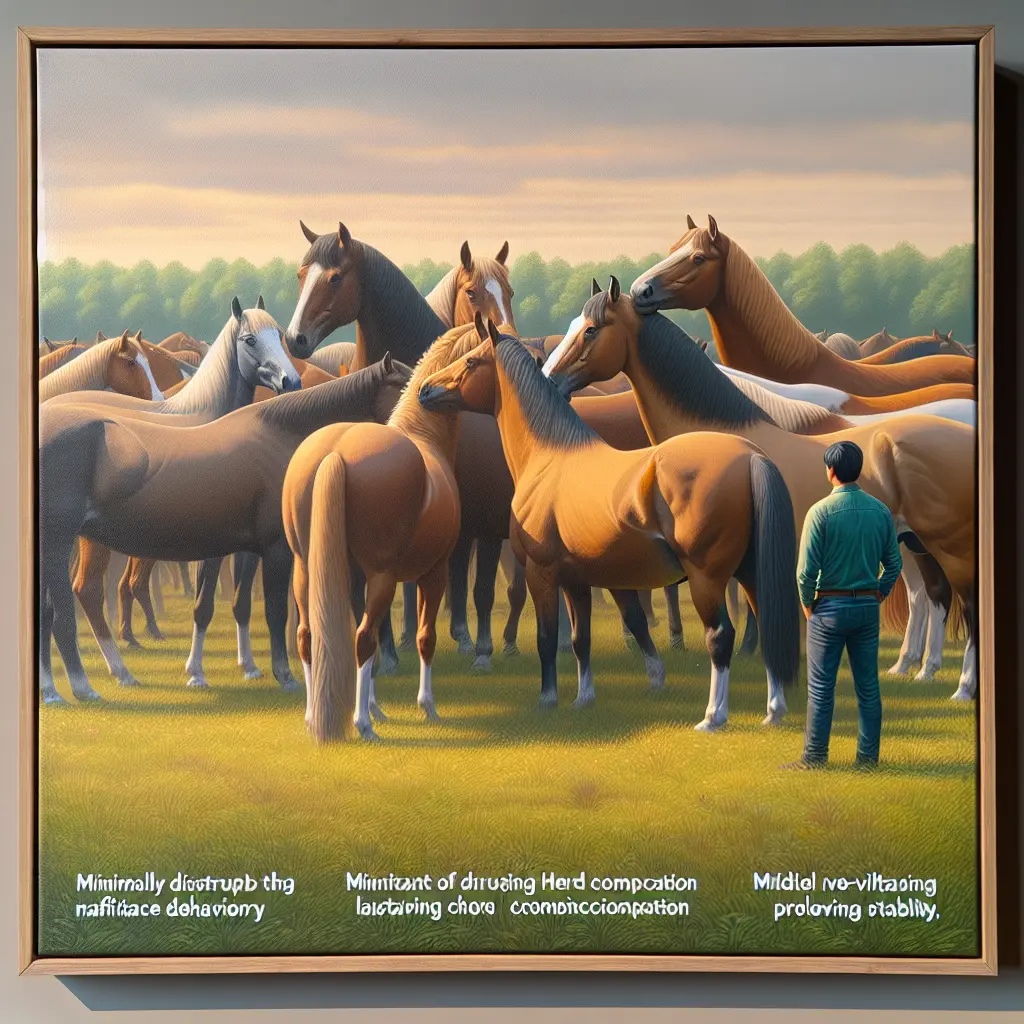
Horses are keenly emotionally attuned to their herd mates. Even short separations lead to noticeable behavioral and physiological changes, highlighting their sensitivity to social dynamics. This underscores the importance of maintaining stable group compositions to safeguard their mental and physical health.
Conclusion: Key Takeaways
Captivating the world of equine relationships offers invaluable insights into equine care. Recognizing that horses thrive in stable social groups with distinct hierarchies and bonds, and understanding the difference between dominance and aggression, forms the foundation of successful herd management. Social interactions, including play and grooming, are essential for a healthy herd, demanding careful observation and respect for natural orders.
Adopting strategies like population management practices while being attuned to the social and emotional needs of horses will not only foster healthier and happier lives but also equip you with profound insights into the complexities of equine relationships.
For more information on horse care and equipment, explore the Jodhpur Collection or the Horse Riding Boot Collection.