

Exploring the Benefits and Challenges of Consent-Based Horse Training: A New Approach to Equine Care

Horse training has evolved over the years, moving away from traditional dominance techniques toward more ethical approaches. One of the most innovative methods making waves is consent-based horse training. This approach focuses on giving horses real choices during their learning process, fostering a partnership grounded in trust and positive reinforcement, rather than coercion.
What Is Consent-Based Horse Training?
Unlike traditional training where horses often comply under pressure, consent-based training prioritizes choice. Horses learn desired behaviors with clear options to engage or opt-out based on previous positive experiences. This is achieved through cues that signal their readiness to participate, allowing for a more respectful interaction between horse and rider.
The Science Behind It
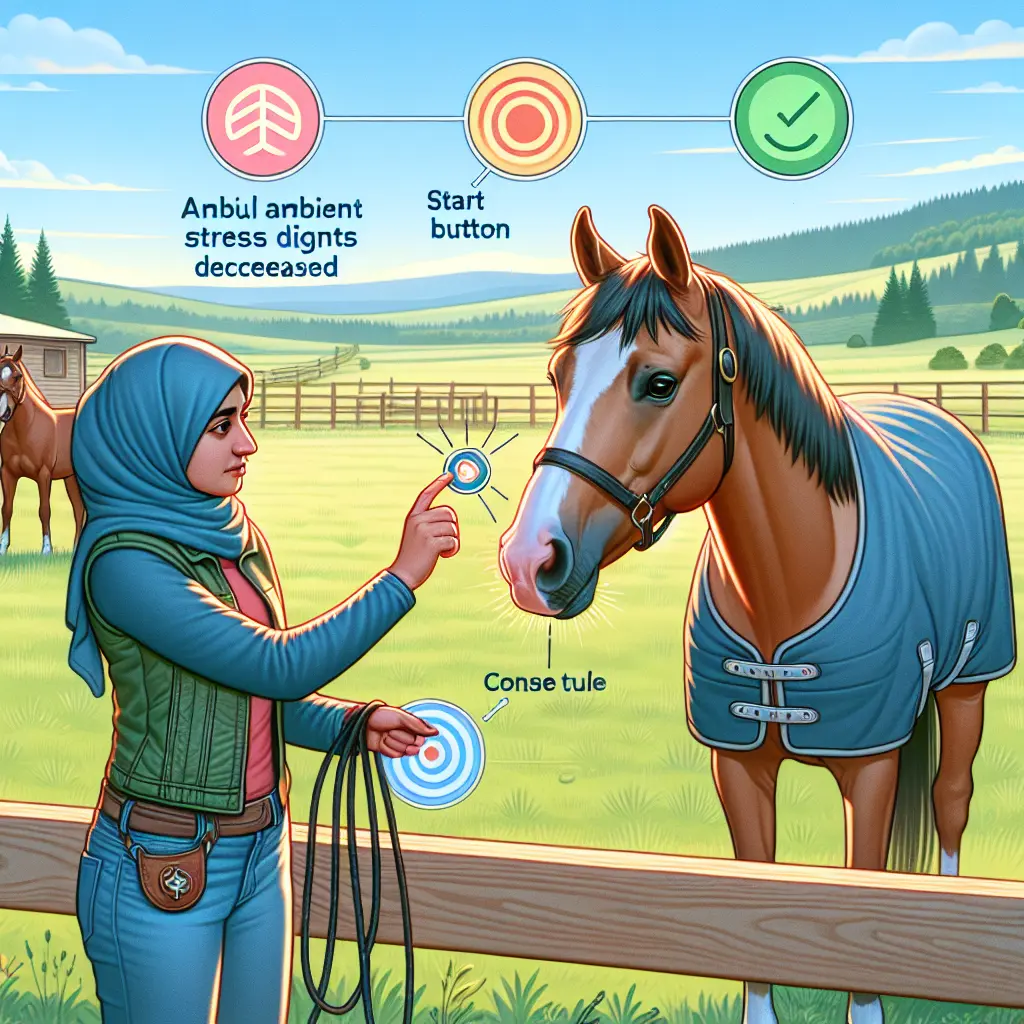
This training method taps into ethology (animal behavior) and learning theory to understand a horse's emotional response to training. Horses are motivated through positive reinforcement, where actions leading to a reward encourage repetition and engagement.
Benefits of Consent-Based Training
The benefits of adopting consent-based training are significant, especially for both horse welfare and safety.
Improved Welfare and Reduced Stress
Allowing horses to have control over their training experiences reduces stress hormones. Studies suggest that this results in better health outcomes and prevents early retirement due to behavioral issues, thus supporting the equestrian industry's sustainability.
Building Trust and Cooperation

Consent-based training fosters a safer and more willing partnership between horse and rider, with horses being less likely to resist or bolt. The mutual understanding leads to stronger bonds and trust over mere obedience.
Accelerated Learning and Eagerness to Participate
Through positive experiences, horses learn quicker as they are motivated to engage. This opens up opportunities for training techniques like clicker training, where clear signals of consent and refusal are fundamental.
Challenges of Consent-Based Training
Adopting consent-based training, while rewarding, does come with its share of challenges.
Establishing Safety Boundaries

Critics argue that this method introduces "no boundaries," but trainers insist that safety is non-negotiable. Choices made by the horse are framed within safe parameters, ensuring that safety for both horse and human is always prioritized.
The Human Learning Curve
The approach requires trainers to become adept at reading subtle horse signals, a skill that develops over time and demands patience and consistency.
Time Investment
Building a reliable learning history takes time and patience, as patterns must be repeated for the horse to fully trust the choices given. Initially, this may seem time-consuming compared to dominance-based techniques.
Real-World Applications and Success Stories
The Role of Start Buttons and Opt-Outs
In practice, consent cues such as start buttons (horse signals readiness by touching a target) are employed to make mundane tasks like grooming or saddling engaging. Opt-outs are respected, ensuring a horse's comfort and readiness before proceeding.
Educational Forums
Online communities buzz with discussions and success stories of happier horses and more engaged riders using consent-based approaches. Trainers often integrate this with holistic care, combining nutrition, veterinary care, and psychological understanding.
Tips for Successful Consent-Based Training
- Start with simple choices: Teach basic tasks like targeting nose touch for rewards to build a foundation of positive interaction.
- Read the horse's signals: Relaxed body language means the horse is content, while tension can signal a need to reassess the approach.
- Be consistent: Always affirm choices to build a deeper trust and understanding over time.
- Prioritize safety: For potentially risky situations, use safe environments or professional guidance.
- Educate yourself: Resources for understanding equine behavior and emotional cues are invaluable for success.
Future of Equine Care
As the equestrian industry continues to evolve, consent-based horse training offers a promising path for more ethical and lasting bonds. While the learning curve is significant, the outcome—safer trips, happier horses, and more informed owners—justifies the effort. As experts advocate for welfare-focused training, this method heralds a more thoughtful future in equine care.