

Finding Balance in Equine Care: Are We Overthinking in Today's Horse Management?
In the evolving realm of horse care, striking the right balance between indispensable equine management and overindulgence in horse-related complexities is a fine art. By examining the intricacies of equine care, we can determine when simplicity might serve better than elaborate measures. This article dives into key horse care domains, emphasizing efficient yet straightforward care protocols to ensure the well-being of our beloved equine companions.

Understanding Equine Nutrition
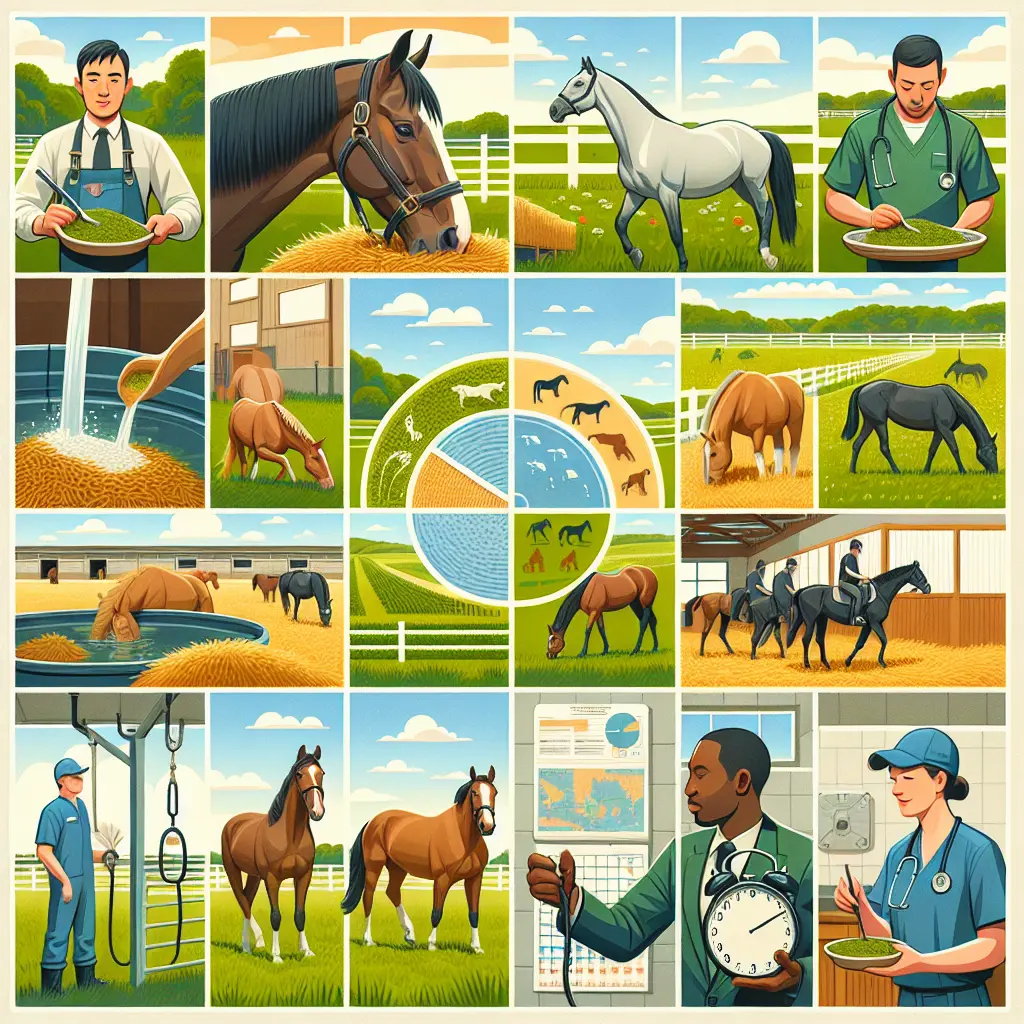
Nutrition forms the cornerstone of horse care. Finding the right balance involves providing sufficient calories while avoiding the pitfalls of overfeeding. Horses thrive on high-fiber, long-stem forages like hay and pasture, crucial for maintaining robust intestinal health and averting conditions such as equine gastric ulcer syndrome (EGUS) and laminitis[4]. Generally, horses require approximately 1-2% of their body weight in roughage daily, contingent on size, age, and activity[1][2].
Key Nutrition Considerations:
- Pasture Management: Implement rotational grazing to sustain pasture vitality and stave off overgrazing[1].
- Hay and Grain Balance: Tailor the hay-to-grain ratio to fit individual dietary requirements and activity levels[2][5].
- Gradual Dietary Changes: Introduce new feeds gradually to sidestep digestive disturbances[2].
Exercise and Turnout
Physical activity and turnout play vital roles in preserving a horse's physical and mental health. Adequate space for movement is crucial for their intestinal and joint health[4]. Contrary to popular belief, excessive turnout on lush pastures might prove detrimental to horses with metabolic issues due to resulting calorie surplus without adequate energy burn[4].
Best Practices for Exercise and Turnout:
- Structured Routines: Implement regular riding or training sessions to ensure adequate exercise, even in constrained spaces[1].
- Grazing Muzzles: These aid in controlling pasture intake for horses with unique dietary requirements[4].
- Pasture Acclimation: Gradually expose horses to lush pastures to mitigate the risk of overconsumption[4].
Hydration and Water Quality
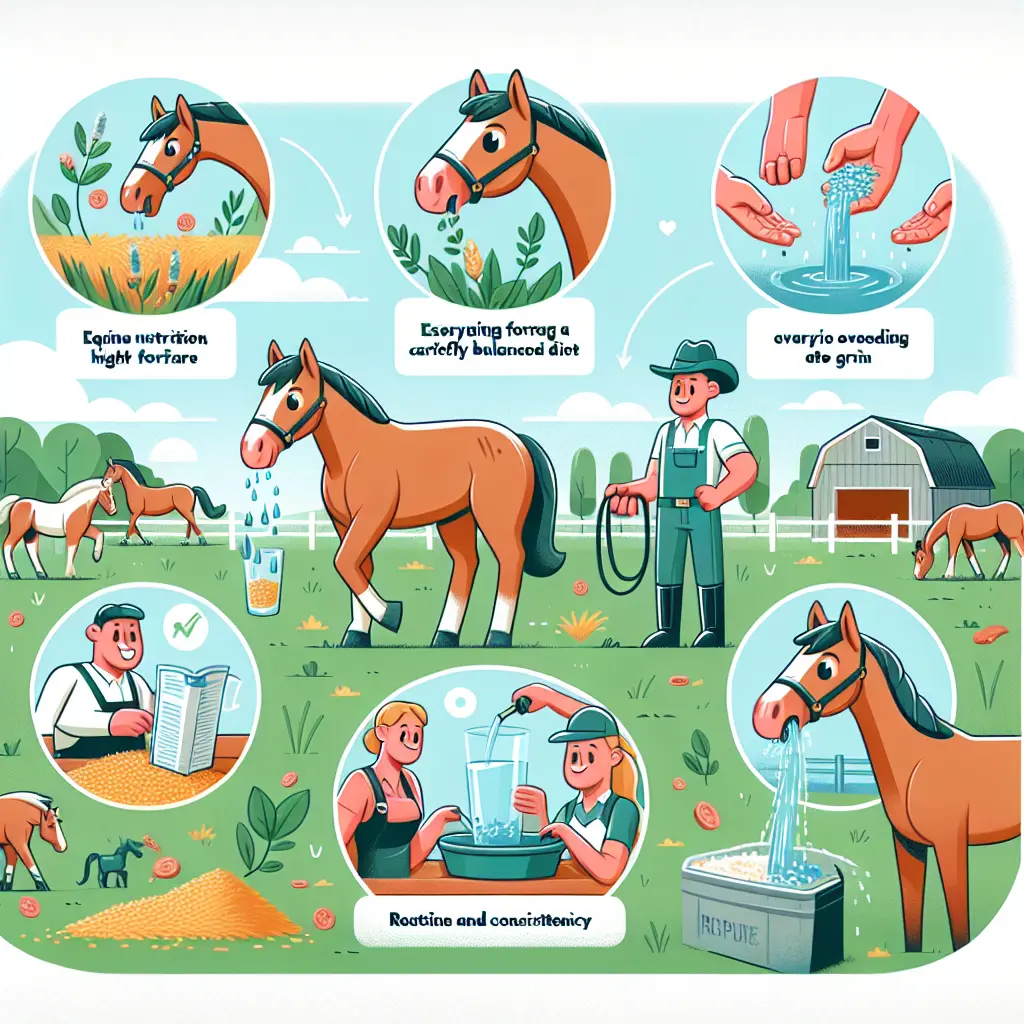
Hydration is non-negotiable in equine care. Horses consume between 5 to 10 gallons (25-45 liters) of water daily[1]. Importantly, the quality of water matters as much as its quantity; horses might reject contaminated water sources[1].
Ensuring Proper Hydration:
- Monitor Water Intake: Ensure reliable access to fresh, clean water by routinely checking consumption[3].
- Inspect Water Sources: Assure water sources remain uncontaminated and palatable[1].

Routine and Consistency
Consistency forms the bedrock of a horse's well-being, ensuring smooth feeding schedules and care routines[2][3]. A stable environment minimizes stress and decreases the likelihood of colic due to unexpected dietary or environmental shifts[2].
Establishing a Routine:
- Daily Checklists: Implementing regular checks for feeding, cleaning, and health monitoring[3].
- Gradual Changes: Ensure dietary or environmental modifications are introduced incrementally to maintain equilibrium[2].
The Role of Professionals
Collaborating with equine professionals is instrumental in advancing horse care. Veterinarians, farriers, and nutritionists offer personalized advice attuned to your horse’s unique requisites[3][5].
Building Your Care Team:
- Regular Veterinary Care: Strict adherence to vaccination and deworming schedules keeps your horse in prime health[5].
- Hoof Trimming: Regular trimming every 4 to 6 weeks to prevent hoof overgrowth[3].
- Nutritional Consulting: Engaging an equine nutritionist to precisely tailor your horse's diet[3].
The Balance Between Care and Overthinking
Ultimately, discerning the delicate balance in equine care means identifying where simplicity and precision coexist. While providing comprehensive care is essential, overcomplicating aspects can prove counterproductive. By emphasizing core nutritional and exercise tenets, maintaining stable routines, and leveraging expert opinion, horse owners can ensure optimal care without succumbing to overanalysis.
Inhabit these foundational principles, horse owners foster a more harmonious and effective equine management strategy, benefiting both themselves and their noble equine counterparts.
For a deeper dive into these topics or to seek expert help, consult respected sources like The Humane World for Animals and Texas A&M AgriLife.
Explore Our Collections
If you're looking to enhance your horse riding experience, explore our vast selection of equestrian apparel and supplements. Check out our Jodhpur Collection, Horse Riding Boot Collection, Horse Riding Gloves Collection, and Horse Riding Socks Collection.
Treat your horse with our carefully selected Horse Treats And Gifts or maintain their health with our Everyday Horse Vitamins & Supplements. Ensure comfort for your equine companion with our range of Stable Rugs and Turnout Rugs. Protect them from pests with effective Horse Fly Protection.