

The Ideal Voltage for Electric Horse Fences: A Comprehensive Guide
Choosing the right voltage for an electric horse fence is crucial to ensure the safety and containment of your equine companions. An effective electric fence serves as a strong deterrent while maintaining safety for both the horses and their human caretakers. In this guide, we'll explore the ideal voltage levels for horse fencing, the role of voltage and amperage, and the importance of selecting the right equipment from trusted sources like Just Horse Riders.
Why Voltage Matters in Electric Horse Fencing
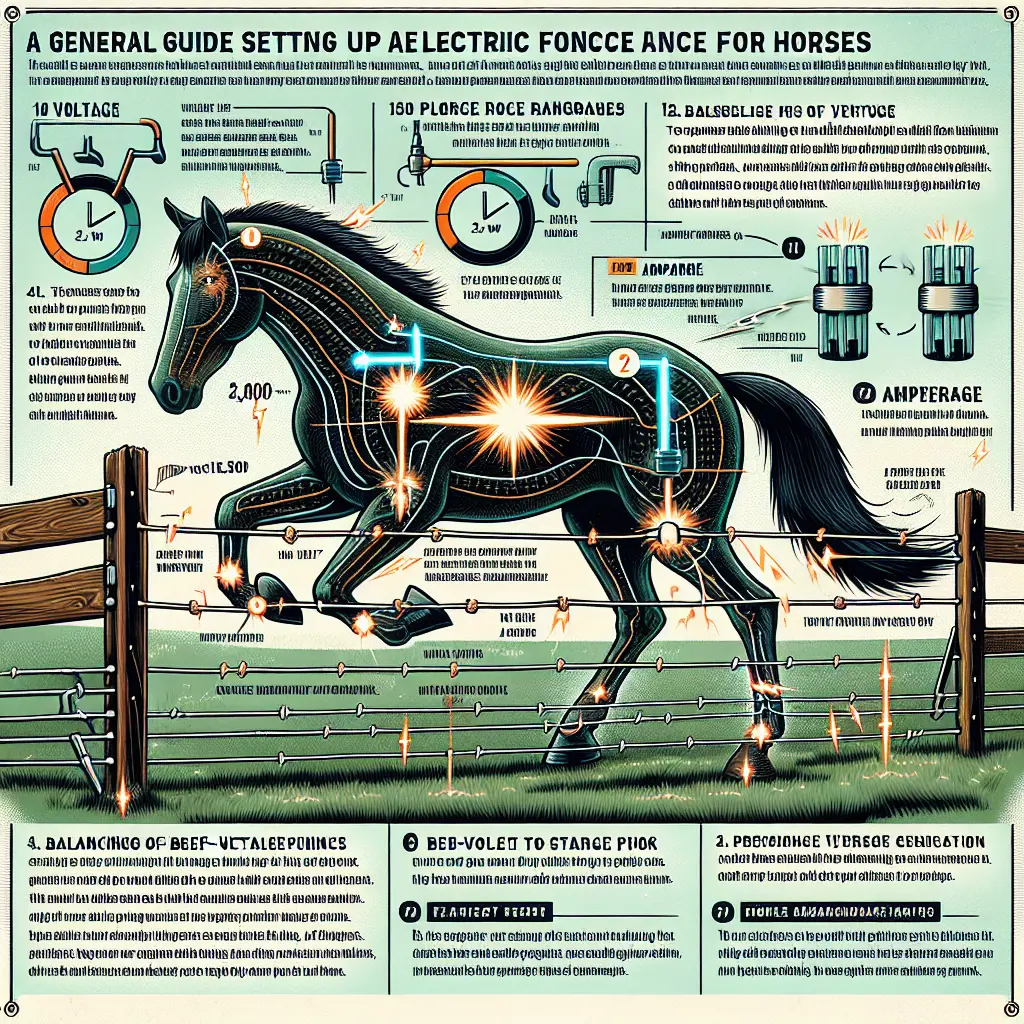
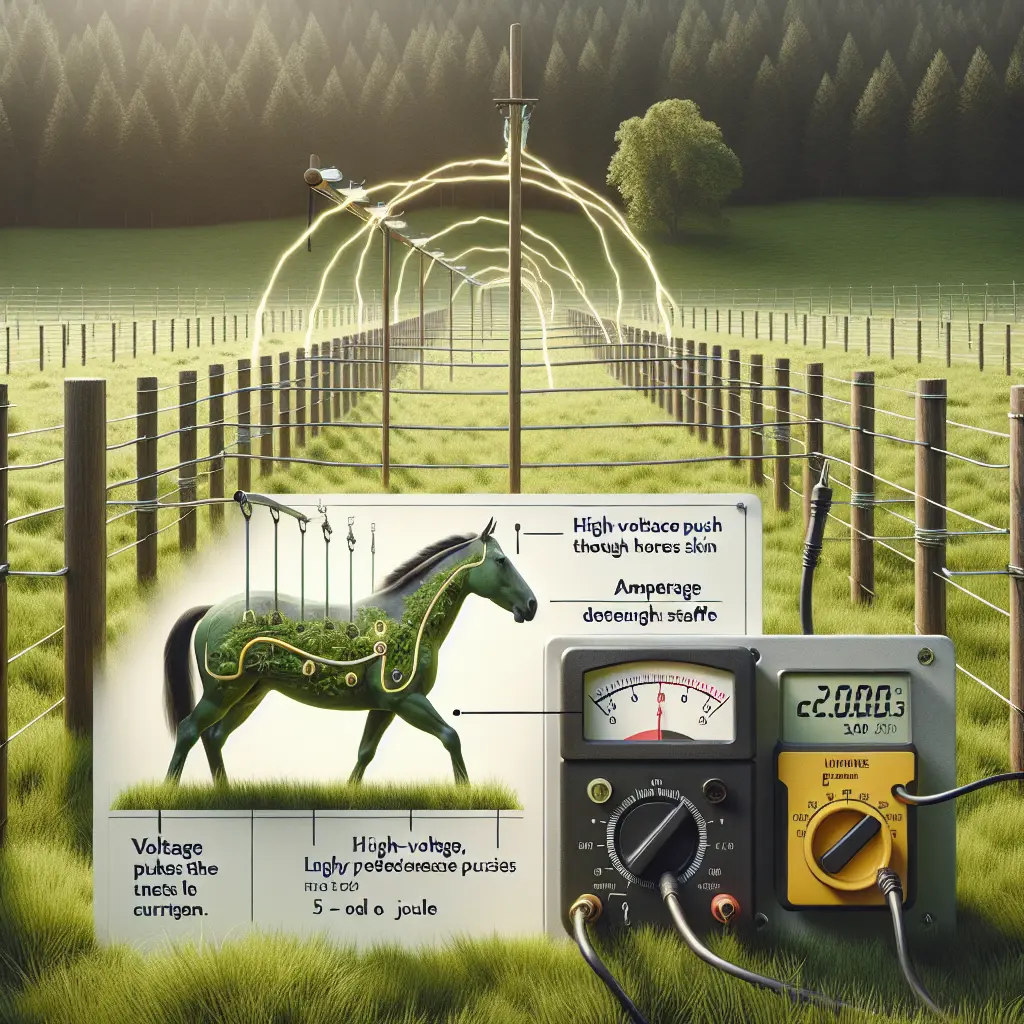
Electric fences work by sending high-voltage pulses through wires, which create a startling yet harmless shock when touched. The effectiveness lies in balancing voltage—the electric pressure—and amperage—the current strength. For horses, a voltage of at least 2,000 volts is recommended, although Equus Magazine suggests that 3,000 volts is optimal for a more effective and consistent deterrent [5].

Recommended Voltage Ranges for Horses
- Dare Products advises a minimum range of 2,000-3,000 volts for effective containment [1].
- Powerflex Fence recommends a slightly higher minimum of 3,000 to 5,000 volts to account for variable factors like vegetation load [2].
- It is crucial to align with ShockFarm's suggestion of using a charger delivering 2,000-3,000 volts and at least 0.5 joules of energy [4].
Understanding Voltage and Joules
While voltage initiates the shock, the joule rating determines the shock's capacity to travel along the fence. Kencove recommends a joule output of 0.5 to 1 joule to maintain efficient pulse strength [3].
Additional Important Considerations
Fence Length and Vegetation
Both fence length and surrounding vegetation can lower voltage levels. Starting with a higher output voltage and a strong joule rating helps compensate for such reductions, ensuring the fence remains effective even at the farthest points [2].
Prioritizing Safety
Despite the high voltage, electric fences use low amperage pulses, making them safe for horses and humans. The design aims to startle rather than injure, providing a humane deterrent [5].
Regular Fence Testing
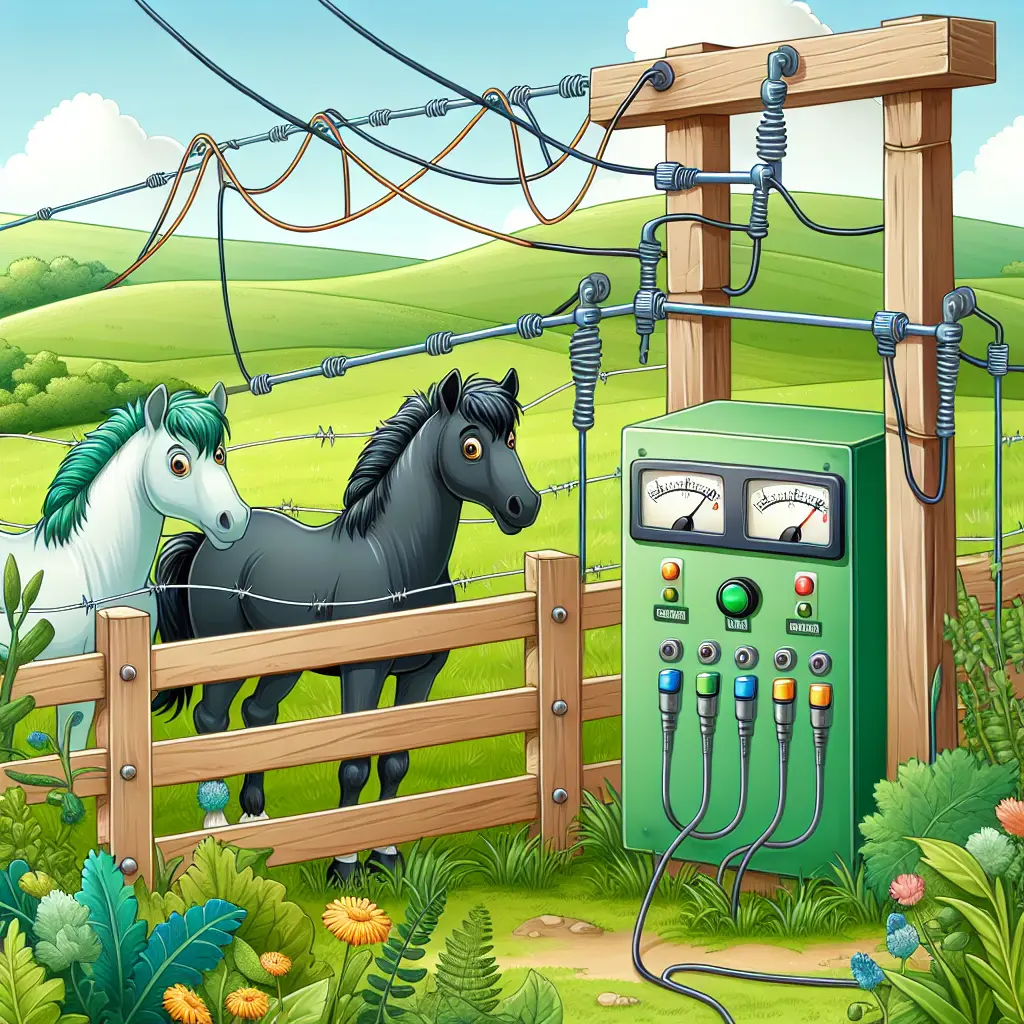
Always verify the voltage at the farthest point from the energizer using a reliable fence tester. This ensures the voltage is optimal for containment and provides peace of mind by confirming the electric fence's effectiveness [1].
Summary Table for Horse Fence Voltage
| Animal | Recommended Voltage Range | Recommended Joule Output | Notes |
|---|---|---|---|
| Horses | 2,000 - 3,000 volts (min) | 0.5 - 1 joule | 3,000 volts ideal for consistent shock |
Final Thoughts
For optimal containment, aim for a fence voltage of 2,000-3,000 volts, with 3,000 volts providing a reliable and memorable deterrent. Ensure your charger delivers sufficient joules and regularly test the voltage along the fence to account for environmental factors such as vegetation. Following these guidelines guarantees the safety of your horses while maintaining the integrity and efficiency of the fence.
Visit Just Horse Riders for quality equipment and apparel to enhance your horse-riding experience. Discover our wide range of products that cater to all your equestrian needs, from jodhpurs to equine supplements.