


Introduction
The first joy of horse riding often sticks with us as an unforgettable memory—the feel of the wind, the freedom, and the sheer adventure. These experiences not only ignite our passion but also guide our choices and shape our safety-first mindset. This article blends those nostalgic rides with data-driven insights to ensure your future rides remain as joyful and safe as your first.
Why We Fall In Love With Riding
Passion for riding often starts with an initial, sensory-rich experience, forming an emotional bond. For many, those first rides are described not just in terms of speed or skill, but in personal feelings like freedom and mastery. According to research in habit formation, these sensory and emotional connections help form strong bonding memories, promoting identity—that of a ‘rider.’
Role Models and Social Context
Many riders attribute their introduction to riding to role models—parents, friends, or local riding communities. These influencers help instill riding techniques and safety practices that are retained over time.
Unlocking Milestone Achievements
Riding milestones, such as learning balance or conquering challenging routes, instill a sense of accomplishment in riders, reinforcing continued enthusiasm and dedication.
The Growth of Riding
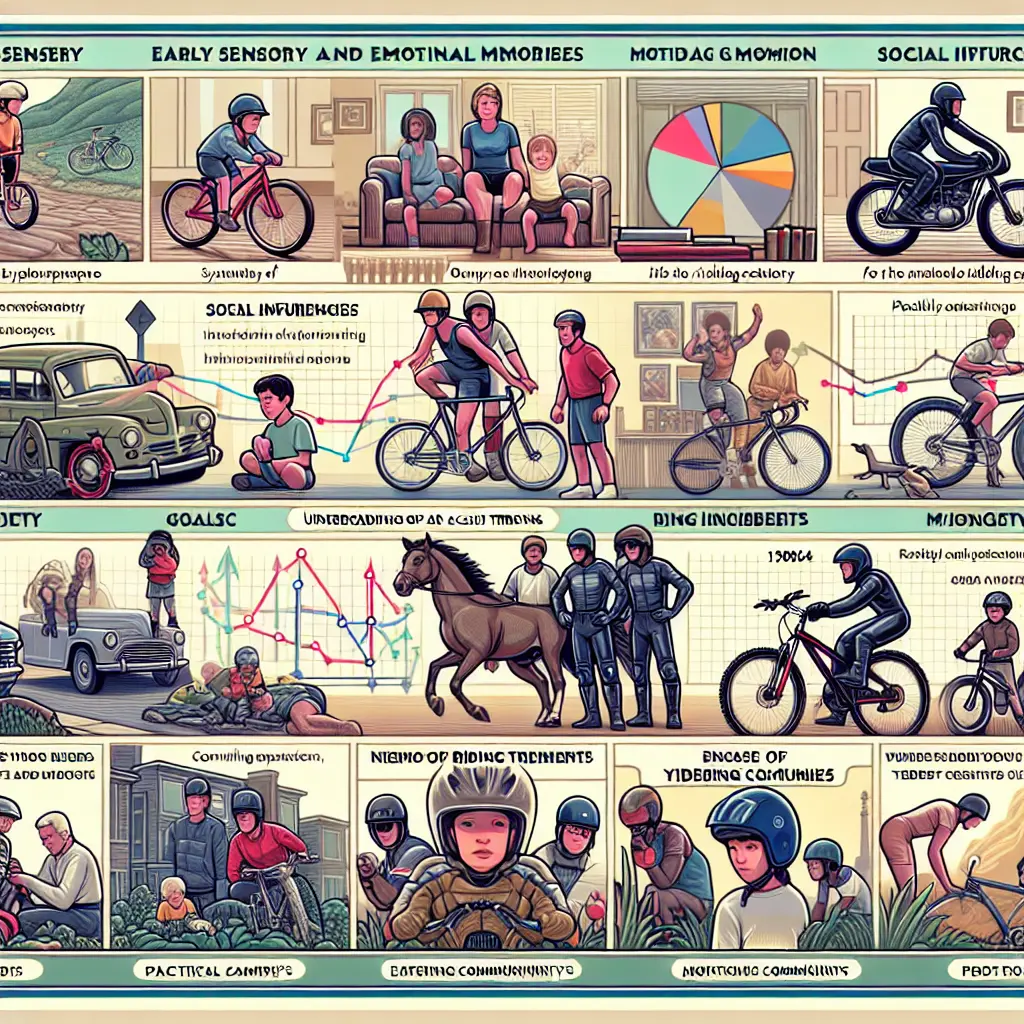
The popularity of riding continues to grow dramatically. By 2021, the number of registered motorcycles in the U.S. ballooned to about 8.6 million, nearly double since 2002. Unfortunately, motorcyclists remain overrepresented in fatality statistics, accounting for 15.5% of traffic fatalities despite making up only about 3% of registered vehicles. This highlights the critical need for ongoing safety training and awareness. Insights from the National Safety Council reveal the importance of pairing our passion with safe riding practices.
The Consequences of Riding
Motorcycle fatalities have been rising, with 6,335 recorded instances in 2023 alone. These worrying trends emphasize the importance of pairing nostalgia with up-to-date safety methods, including helmet use and defensive driving tactics. For more details, consider checking the IIHS study.
Understanding Historical Patterns
Registrations rose sharply from 1997 to 2006, yet fatalities climbed more dramatically. This underscores that increased numbers alone don't mitigate risks—efficacious helmet laws, comprehensive rider education, and optimal infrastructure are crucial components in reducing risk.
Using Nostalgia Productively
Memories fuel our enthusiasm but can be used strategically to set current riding goals. Consider the attributes you loved most—be it speed, freedom, or learning—and shape them into modern aspirations.
Translating Emotion Into Goals
If your initial joy was in freedom, seek unhurried scenic rides. If mastery intrigued you, target skills improvements—cornering drills or advanced courses are wonderful participations. For guidance, consult resources such as the American Motorcyclist Association.
Pair Nostalgia with Learning
Enhance your skills with educational courses. Formal training substantially reduces crash risks and elevates confidence. Prominent riding organizations like the NHTSA are excellent sources of certified training resources.
Safety Insights and Actions
Wearing adequate protective gear like certified helmets can make all the difference. Despite its importance, helmet usage remains varied, emphasizing the need for reliable, DOT-certified options. A large proportion of crashes occur in urban areas during daytime in clear weather, underscoring the need for constant vigilance under these conditions.
Understanding Age Patterns
The average age for fatality-ridden crashes was 43 in 2021, demonstrating how risk transcends age. Continuous rider training at all ages helps manage evolving risk profiles, thus reinforcing that learning never stops.
Actionable Safety Steps
- Enlist in professional training and advanced skills courses.
- Always wear a certified helmet and complete protective outfit.
- Adopt defensive driving, especially in urban streets and intersections.
- Execute a routine maintenance checklist to minimize mechanical failures.
The Role of Community and Identity
Riding clubs, online collectives, and group rides openly share stories that foster culture and guidance. From everyday riders to enthusiasts, these communities continue giving valuable recommendations and promoting safe riding norms.
Intergenerational Transmission
Teaching younger generations or participating in family rides carries special significance. These events ignite a multigenerational enthusiasm that sustains the sport and its vital safety practices.
Conclusion
It’s time to merge fond memories with pragmatic riding practices for an enriched and safer riding experience. Engage with the community, and perhaps, give back by mentoring new riders. Rekindle that original joy safely and purposefully by following modern safety trends and narratives.
Ready to reconnect with the thrill of riding? Share your first-ride memory with us—let's explore this spirited journey together. You can share your experience in comment sections or online groups, tagging the person who introduced you to riding. Relive your cherished ride, but always with safety at the forefront.