Exploring the Trend of Inexperienced Influencers Purchasing Young Horses: A Look into Risks and Realities
Introduction
In recent years, the equestrian world has witnessed an intriguing new trend: inexperienced social media influencers purchasing young horses, often untrained or just beginning their training journey. This phenomenon has sparked considerable discussion among horse professionals, enthusiasts, and animal welfare advocates alike. While influencers bring visibility to the equestrian lifestyle, their lack of experience raises important questions about horse welfare, financial implications, and the broader impact on the horse industry.

In this blog, we’ll explore the reasons behind this trend, the risks involved for both horses and buyers, and what realities new owners face when stepping into the complex world of young horse ownership.
Why Are Influencers Buying Young Horses?
1. Appeal of Authentic Content
Influencers thrive on engaging, authentic content — and the journey of training a young horse can provide exactly that. Videos showing a foal’s first steps, early riding lessons, or milestone achievements generate strong emotional connections with viewers.
Statistics: According to a 2023 report by Equestrian Social Media Insights, equestrian content featuring young horses receives 30% higher engagement rates than general riding videos.
2. Brand Building and Monetization
Owning and training a young horse can position influencers as horse experts, enabling brand partnerships with equestrian equipment companies, clothing brands, and horse care product manufacturers.
Influencers often use sponsored posts or affiliate marketing to monetize this niche.
3. Perceived Accessibility
Young horses tend to be less expensive than fully trained or competition-level horses, attracting buyers looking to enter the equestrian world without a massive upfront investment. However, this can be deceptive.
The Realities and Risks of Purchasing Young Horses Without Experience
1. Underestimating the Commitment

Young horses require extensive time, knowledge, and resources. This includes:
- Training Expertise: Proper groundwork, handling, and early riding lessons must be carefully managed to avoid behavioral or physical issues.
- Healthcare Needs: Young horses are vulnerable to developmental problems, nutritional needs, vaccinations, and routine care.
Fact: The American Association of Equine Practitioners (AAEP) emphasizes that young horses need developmental checks and tailored nutrition to grow healthily.
2. Financial Implications
While the initial purchase price of a young horse might be attractive, ongoing costs can be significant:
| Expense Category | Estimated Annual Cost (USD) |
|---|---|
| Feed and Supplements | $1,200 - $3,000 |
| Veterinary Care | $500 - $2,000 |
| Farrier Services | $400 - $1,000 |
| Training Lessons | $1,000 - $5,000 |
| Tack and Equipment | $500 - $2,000 |
| Boarding (if applicable) | $3,600 - $9,600 |
According to Horse Illustrated (2024), the average horse owner spends over $5,000 annually to maintain a young horse properly.
3. Risk of Behavioral Problems and Injuries
Inexperienced handling can lead to:
- Behavioral issues like fearfulness, aggression, or disobedience.
- Physical injuries due to improper training techniques.
Source: A study published in the Journal of Veterinary Behavior (2022) found that young horses handled by inexperienced owners had a 35% higher incidence of stress-related behaviors and injuries during the training phase.
4. Animal Welfare Concerns
Horse welfare experts warn that inexperienced ownership can compromise the mental and physical health of young horses.
- Early handling mistakes can result in long-term trauma, affecting the horse's temperament and performance.
- The British Horse Society (BHS) provides guidelines emphasizing the importance of qualified training and care for young horses.
How the Industry is Responding
Educational Resources and Mentorship
Recognizing the trend, many equestrian organizations have started offering:
- Online courses and certifications for young horse training (e.g., Equine Guelph’s "Young Horse Handling" program).
- Mentorship programs connecting inexperienced buyers with experienced trainers.
Responsibility and Transparency from Influencers
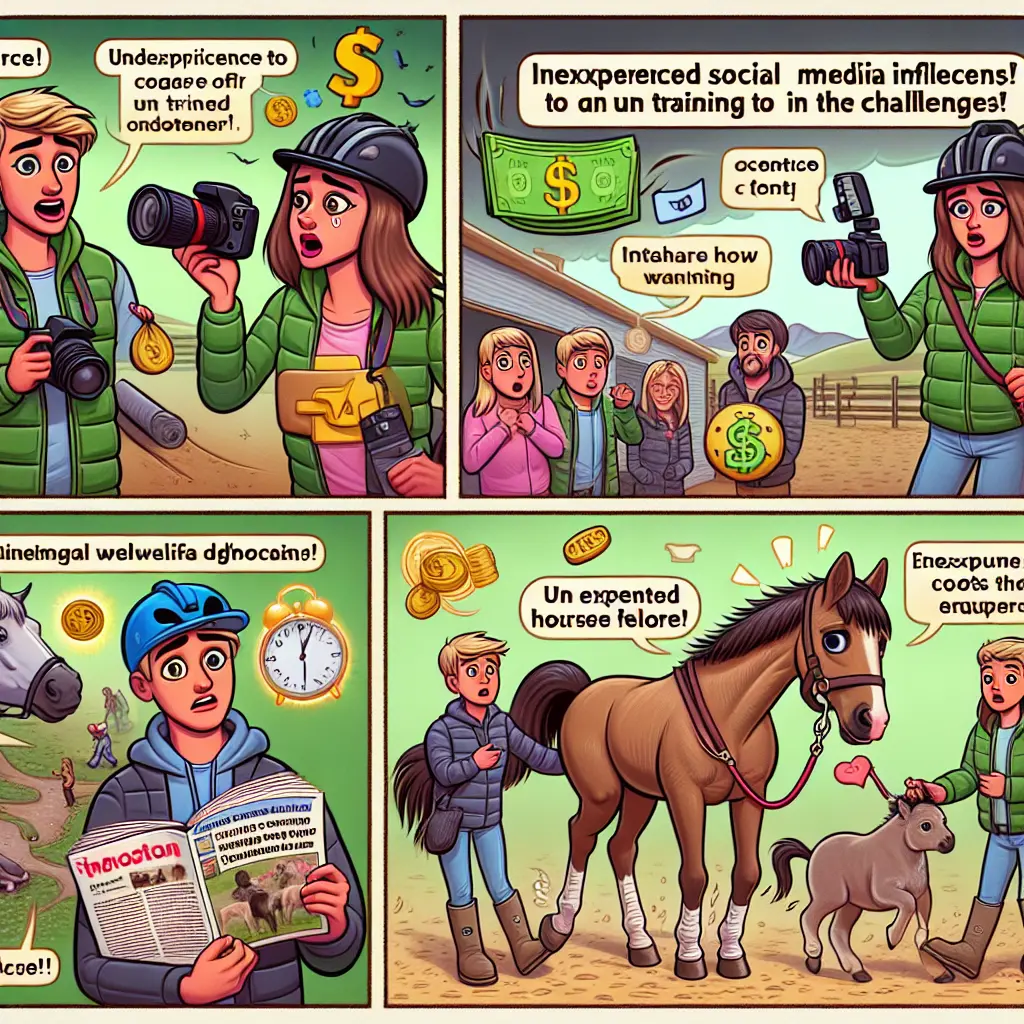
Some influencers are partnering with professionals to document their learning journey authentically, highlighting challenges alongside successes. This approach fosters realistic expectations among their audience.
Advice for Potential Buyers
For those inspired by influencers to buy a young horse, consider these tips:
- Get Educated: Attend clinics, read reputable resources, and understand the commitment fully.
- Consult Experts: Work with trainers, veterinarians, and experienced owners before purchasing.
- Start Slow: Consider leasing or half-leasing a young horse as a trial before committing.
- Budget Realistically: Account for ongoing costs beyond the initial purchase.
- Prioritize Welfare: Ensure your horse’s mental and physical wellbeing is the top priority.
Conclusion
The trend of inexperienced influencers purchasing young horses is a double-edged sword. While it can widen interest in horses and equestrianism, it also poses significant risks to both horse welfare and owner satisfaction if not approached responsibly. By acknowledging these risks and investing in education and professional support, new horse owners can create a positive and rewarding experience for themselves and their horses.
References and Further Reading
- American Association of Equine Practitioners (AAEP) – Young Horse Care Guidelines
- British Horse Society – Young Horse Training and Welfare
- Equine Guelph – Online Courses
- Horse Illustrated – Cost of Horse Ownership Report 2024
- Journal of Veterinary Behavior, 2022 – Effects of Owner Experience on Young Horse Behavior
- Equestrian Social Media Insights Report, 2023
If you’re considering purchasing a young horse inspired by equestrian influencers, remember the key is education and patience. Happy riding!