

Campsite Comfort: How to Make Your Trailer Stay Warm and Secure
As the crisp winter air rolls in, **staying warm and secure** in your trailer during camping trips is more important than ever. Our guide provides practical tips and insights to ensure your trailer remains cozy and protected against the elements. Whether you're a seasoned **RVer** or an occasional weekend camper, these strategies will keep your trailer comfortable and secure.
I. Insulation and Heating
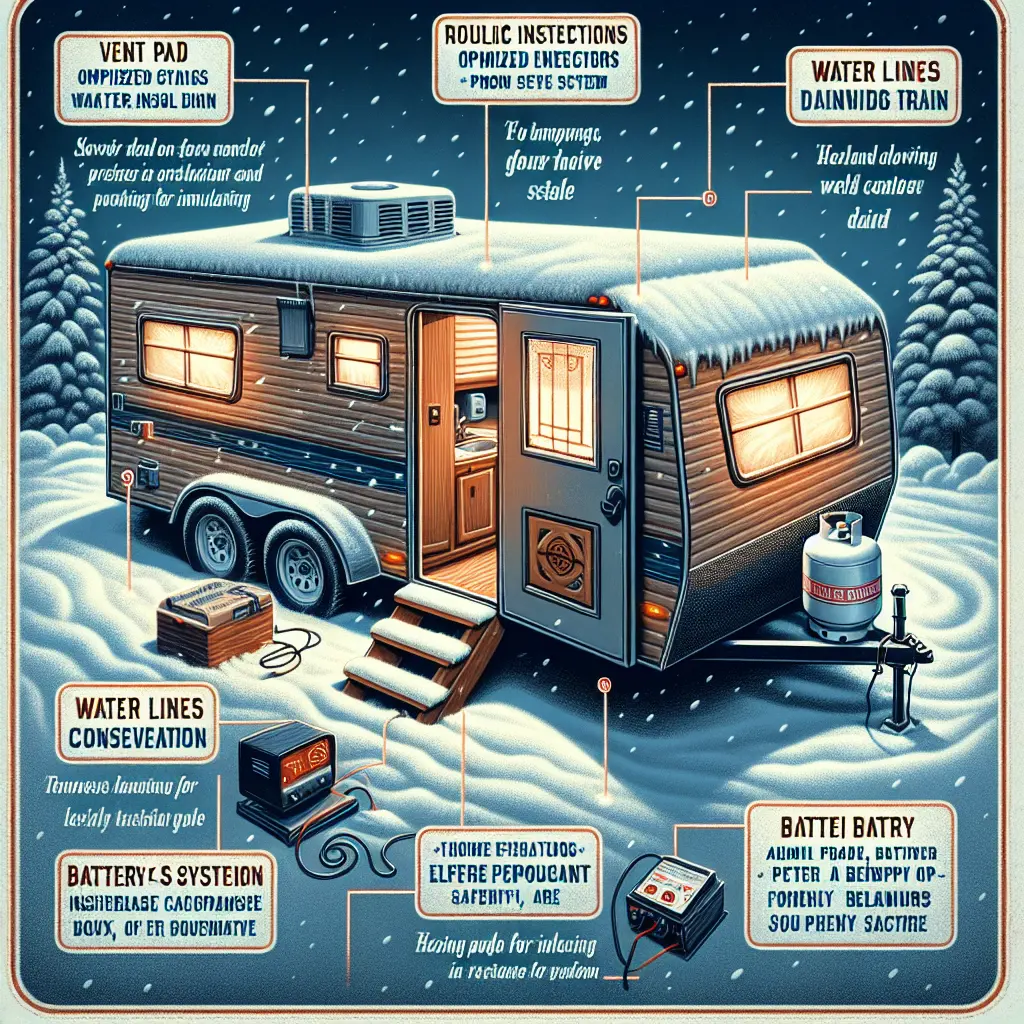
1. Importance of Insulation
**Proper insulation** is essential for maintaining a warm interior environment. When your trailer is well-insulated, it prevents heat loss and acts as a barrier against cold air penetration.
Tips for Insulation
- Seal Gaps: Regularly check for any gaps or cracks around windows, doors, and vents. Utilize weatherstripping or caulk to effectively seal them.
- Insulate Pads: Thermal pads or skirting positioned around the base of your trailer can prevent cold air from circulating beneath.
2. Heating Systems for Your Trailer
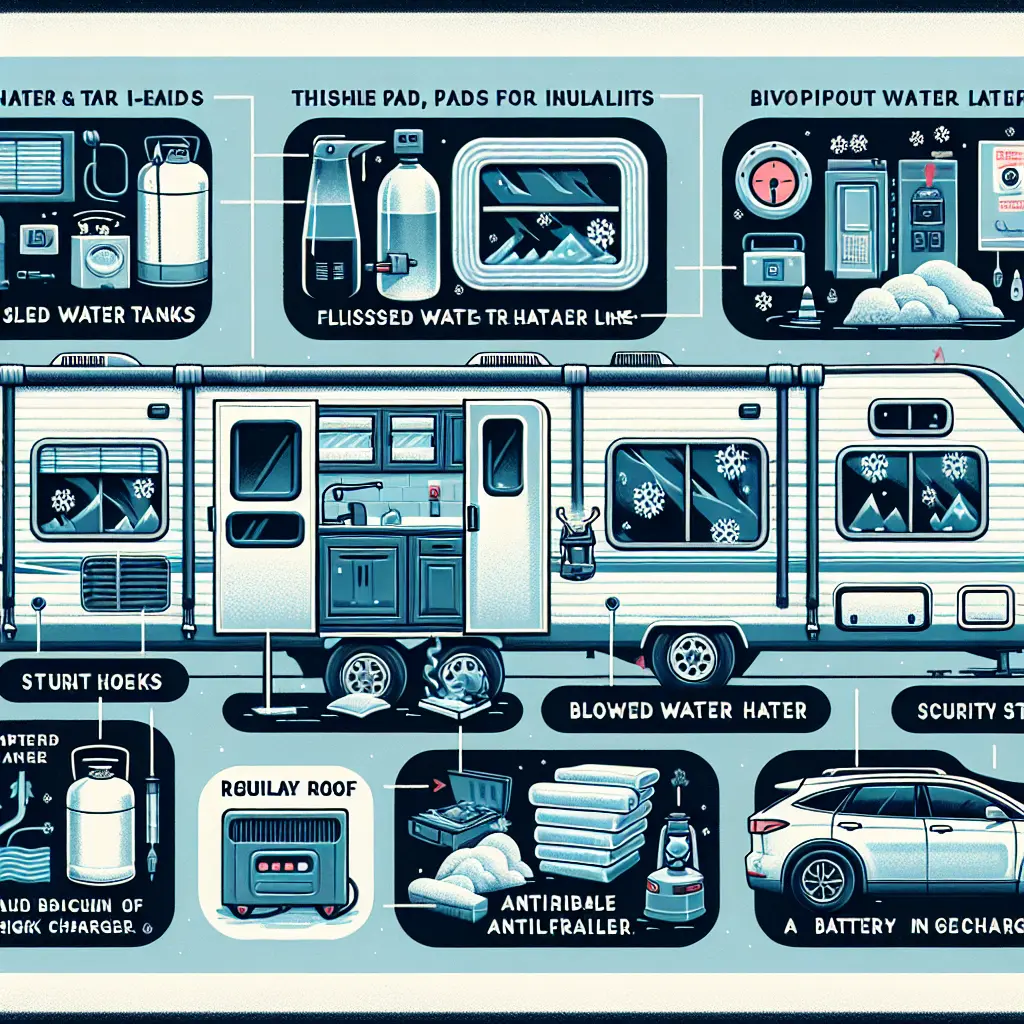
A variety of heating systems are available to keep your trailer warm:
- Propane Heaters: Common in RVs, but ensure proper ventilation to avoid carbon monoxide hazards.
- Electric Heaters: Energy-efficient options requiring a nearby power source.
- Portable Heaters: Easy-to-use solutions; however, ensure they are designed for indoor RV use.
Heating Safety Tips
- Always follow **manufacturer’s instructions** for installation and use.
- Provide adequate **ventilation** when using propane heaters.
- Keep heaters away from **flammable materials**.
II. Winterization for Cold Weather
Proper winterization protects your trailer from water damage caused by freezing temperatures.
1. Drain and Flush Water Tanks
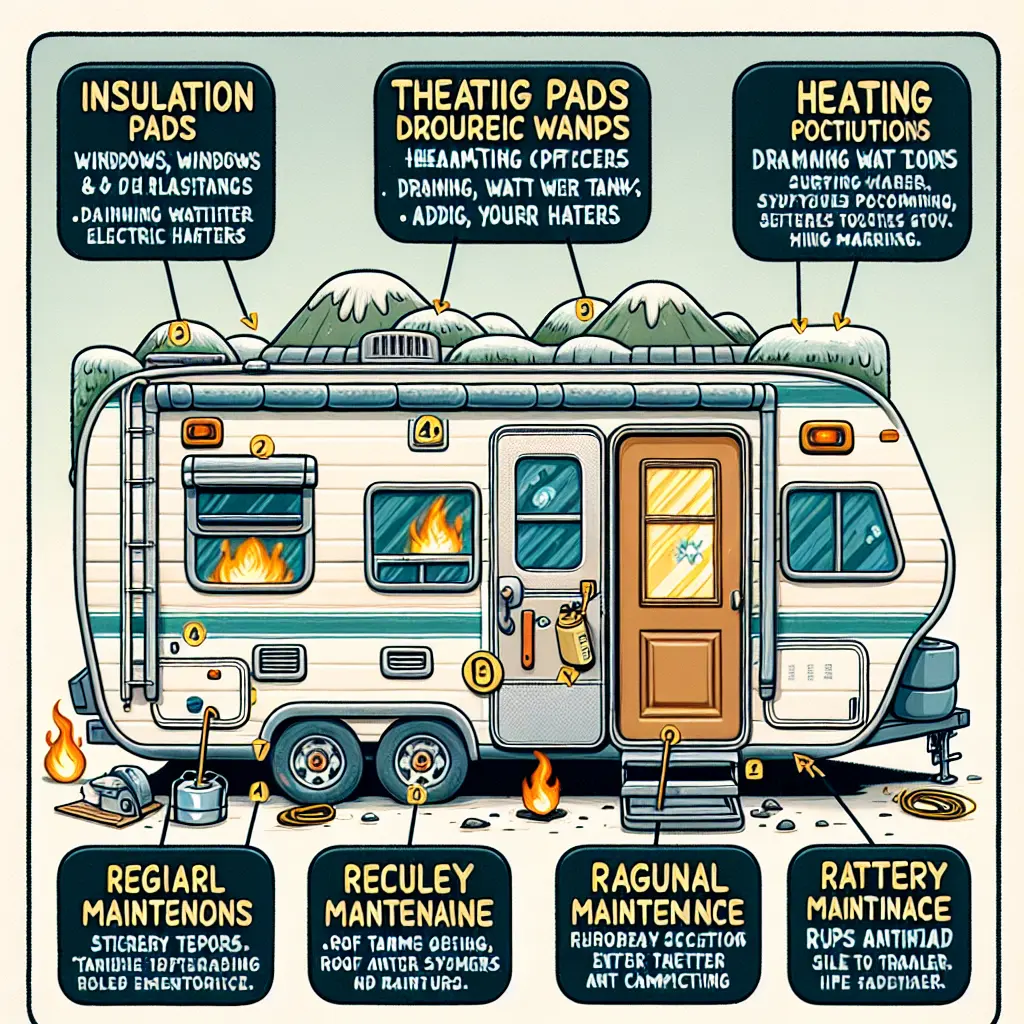
It's crucial to handle the **black and gray tanks** to prevent bacteria growth and freezing, as discussed in this guide.
Steps for Draining Tanks
- Drain both black and gray tanks thoroughly.
- Flush tanks with clean water.
- Ensure the **fresh tank** is completely drained to prevent freezing.
2. Drain and Bypass Water Heater
Turn off the water heater, allow it to cool, and proceed to **drain the heater**. Using a **bypass valve** to keep antifreeze out conserves gallons of antifreeze as recommended here.
3. Blow Out Water Lines
Use an air compressor and blow-out plug to remove any remaining water in the lines. Make sure all faucets are closed during this process.
4. Add RV Antifreeze
Protect your pipes by running RV antifreeze through them, ensuring all lines are secure following these instructions.
III. Ensuring Security for Your Trailer
Proper security measures ensure your trailer is safe, especially during off-season storage.
1. Locks and Alarms
Invest in quality **locks** for doors and compartments, and consider installing an **alarm system** to deter potential theft.
2. Choosing a Storage Location
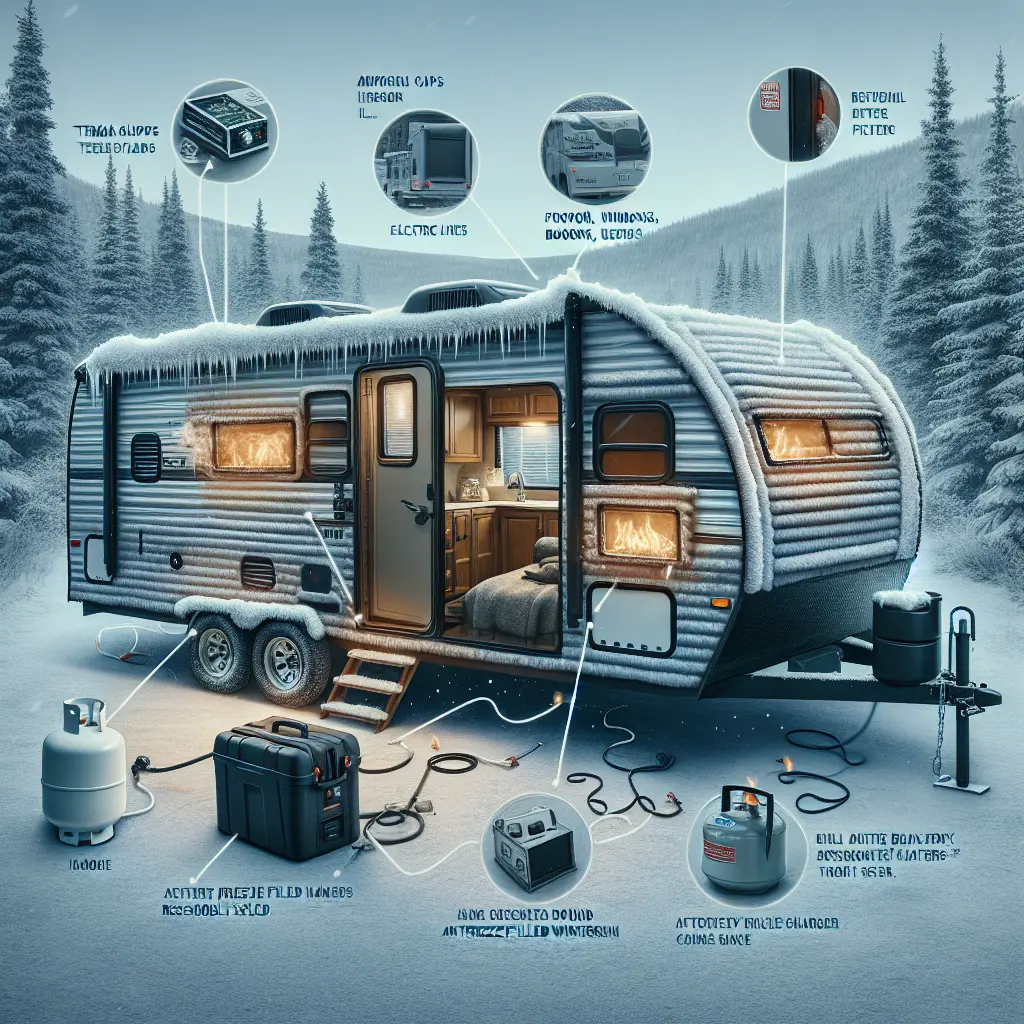
- Select a **secure, fenced area** with surveillance for storage.
- Avoid **isolated locations** which present higher theft risks.
IV. Maintenance and Battery Care
Maintenance and care can extend the lifespan and functionality of your trailer during the winter months.
1. Battery Maintenance
Remove batteries to prevent freezing or use a **trickle charger** to maintain charge if removal isn't feasible.
- If removed, store them in a warm, dry place.
2. Routine Checks
Regular checks can guard against potential damage:
- Inspect Roof and Seals: Keep an eye on seals for potential leaks.
- Appliance Check: Ensure all appliances are functioning and well-maintained.
V. Conclusion
By adopting these **insulation**, **heating**, **winterization**, and **security** strategies, you can ensure your trailer remains an inviting refuge regardless of adverse weather conditions. A well-maintained trailer not only enhances your camping experience but also prolongs the life of your vehicle.
**Enhance your horse adventures year-round** by exploring the Jodhpur Collection, rugged Horse Riding Boots, or the cozy Horse Riding Socks for added comfort.