

Mastering Dressage Training Consistency: A Guide for Horse Riders
Welcome to the dynamic world of horse riding, where efficacy meets elegance! Whether you're a seasoned pro or just starting to trot down the path of dressage training, maintaining consistency in training—especially during breaks—is crucial. This article explores how to keep both your horse and yourself focused and fit, ensuring a seamless continuation of your dressage journey.
Understanding Routine and Its Importance
Like clockwork gears, routine fuels the mechanics of dressage. Regular training builds muscle memory and mental focus, two key components of success in this demanding equestrian discipline. But even this clock needs a wind-down period. Smartly timed breaks prevent burnout for both horse and rider.
Strategic Planning of Breaks
Breaks are inevitable, sometimes due to rest needs or unforeseen circumstances such as an injury. Here's how you plan to keep your horse conditioned:
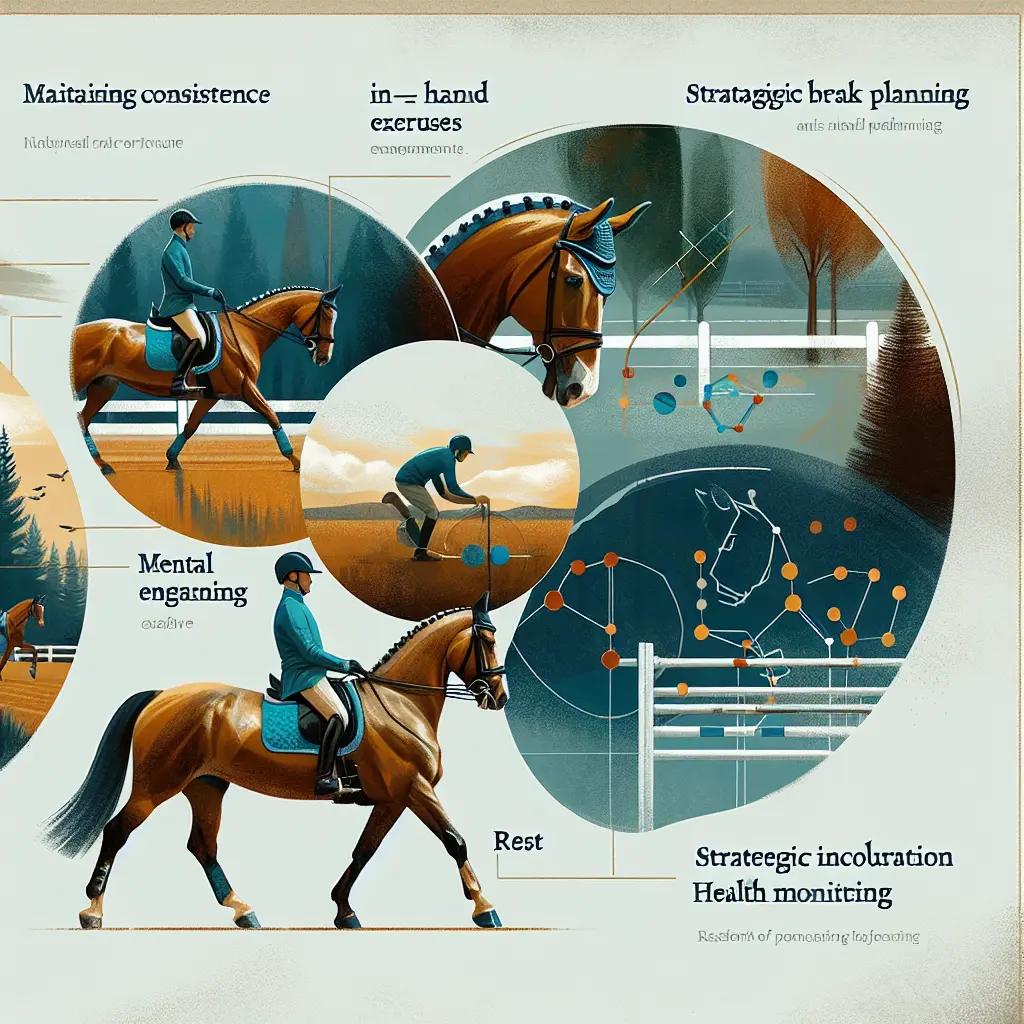
- Start Slowly: Getting back into rhythm post-break means starting with low-intensity exercises.
- Value Walk Breaks: These aren't just leisurely strolls; they keep your horse balanced and responsive. Effective walk breaks build stamina while providing mental relief.
- Engage in Varied Activities: Light stress activities like grooming or hacking on trails preserve physical stimulation without the intense focus required by dressage.
Mental Engagement: Keeping the Spark Alive

Physical condition isn’t all you need to maintain. Ensuring your horse's mental consistency is equally vital.
- Light Groundwork: Simple in-hand exercises keep core dressage skills like lateral movements and bends fresh.
- Short, Frequent Sessions: Avoid long, sporadic training bouts. Opt for shorter, regular sessions to reinforce key elements like contact and rhythm.
- Positive Reinforcement: Let kindness be your guide. Praise and gentle aids should lead training to keep it harmonious.
The Health Equation: Monitoring Physical and Mental Well-Being
Keeping a hawk's eye on your horse's well-being ensures that training remains safe and effective.

- Stress Observation: Look for any signs of fatigue or stress that might disrupt consistency.
- Recovery Time: Built-in rest is essential for muscle recovery and overall health, contributing to your horse's stamina.
- Condition with Care: Gradual diversity in training like on varied terrain helps your horse build essential strength and stamina.
Goal Setting: Your GPS for Progress
Stagnation is a rider's ultimate rival. Ensure steady progress through goal setting:
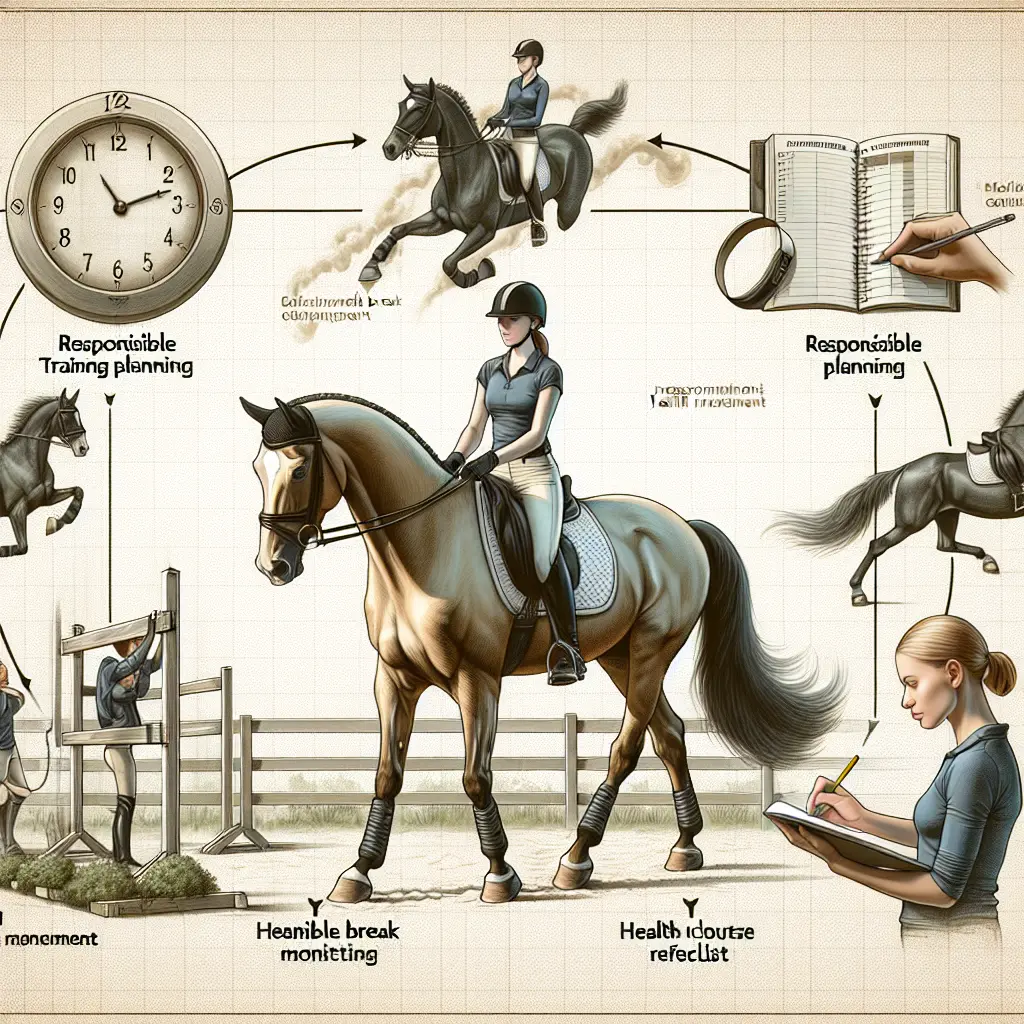
- Evaluate and Reflect: Use breaks to reassess what's working and what's not. This time can bring surprising insights!
- Adjust with Flexibility: Remember, consistency in training doesn't mean rigidity; it’s flexibility that prevents monotony and ensures continuous motivation.
Dressage Training Tools by Just Horse Riders
For every equestrian dream realized, there’s always the right apparel and equipment to support that journey:
- Explore our Jodhpur Collection for maximum comfort and flexibility.
- Check out the range in our Horse Riding Boot Collection for the perfect mix of style and durability.
- Enhance your grip with our Horse Riding Gloves Collection.
- Stay cozy with our Horse Riding Socks Collection.
- Reward your horse's progress with treats from our Horse Treats and Gifts.
- Ensure that your equine partner remains healthy with our Everyday Horse Vitamins & Supplements.
Conclusion: Ride On with Confidence
The journey of maintaining consistency in dressage is a blend of art and science—a fusion of careful planning, attention to well-being, and readiness to adapt. With the steps and insights shared here, you’re equipped to handle breaks in stride, nurturing a successful partnership with your equine companion. Embark on every ride with confidence, well prepared and impeccably dressed.