

How to Manage Emotional and Financial Strain When Rehabbing a Horse After Kissing Spine Surgery
Rehabbing a horse after kissing spine surgery involves patience, dedication, and substantial resources, both emotionally and financially. Understanding the process can help horse owners manage this challenging journey successfully.

Understanding Kissing Spines and Surgery
Kissing spines, medically known as overriding dorsal spinous processes (DSPs), occur when vertebrae in the horse's back impinge on each other, causing pain. Surgery such as interspinous ligament desmotomy (ISLD) involves cutting the ligament between vertebrae to relieve pressure. The procedure typically takes 30-45 minutes and is performed on standing, sedated horses, aiming to restore comfort and athletic ability [1][4].
With a success rate of around 85%, most horses return to athletic work, although recovery demands structured rehabilitation and patience [1][3].
Emotional Challenges During Rehabilitation
For horse owners, the rehab process can be emotionally taxing. Stress, concern for the horse’s outcome, and a sense of isolation are common feelings.
- Anticipate increased care demands: Initial stages involve stall rest and brief hand-walking, which can be frustrating [1][5].
- Adjust expectations: Post-surgery pain and muscle weakness are expected due to ligament transection, requiring gradual strength rebuilding [2].
- Use supportive networks: Joining equine communities offers emotional support and practical advice.
- Incorporate stress-reducing routines: Consistent care and small goals can maintain a positive outlook.
Financial Considerations
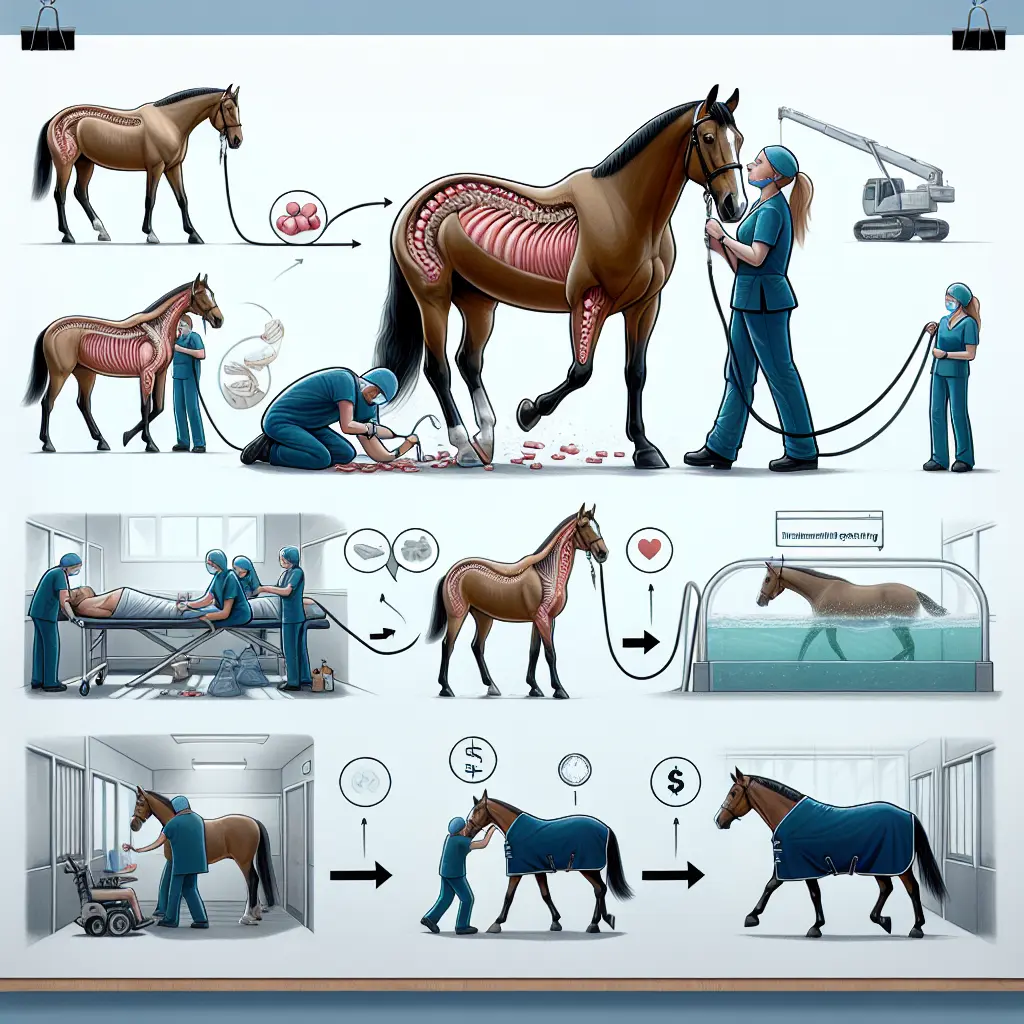
Surgery and rehabilitation costs can be significant, starting from several thousand dollars. The expense list includes veterinary diagnostics, complementary therapies, and potential time off work for both horse and owner [1][2].
Strategies to manage costs include:
- Planning finances: Consult veterinarians for cost estimates and explore payment plans or insurance options.
- Rehabilitation aids: Investing in equipment like lunging aids can enhance recovery quality [2][4][5].
Typical Rehabilitation Timeline and Key Strategies
An example rehabilitation schedule involves several phases:
| Phase | Activity | Duration | Purpose |
|---|---|---|---|
| Rest & Pain Management | Stall rest, pain medications | 4 weeks | Initial healing and reducing inflammation |
| Controlled Hand Walking | Gradual walking | 4 weeks | Promote circulation and early muscle activation |
| In-Hand Exercises | Ground poles, core exercises | 2-4 weeks | Strengthening muscles and mobility |
| Ridden Work | Light lunging and riding | After 8 weeks | Returning to athletic function |
Practical Rehabilitation Tips for Horse and Owner
Engaging in pre-surgery therapies can improve post-op outcomes. Techniques like laser and vibration therapy help prepare muscles [2].
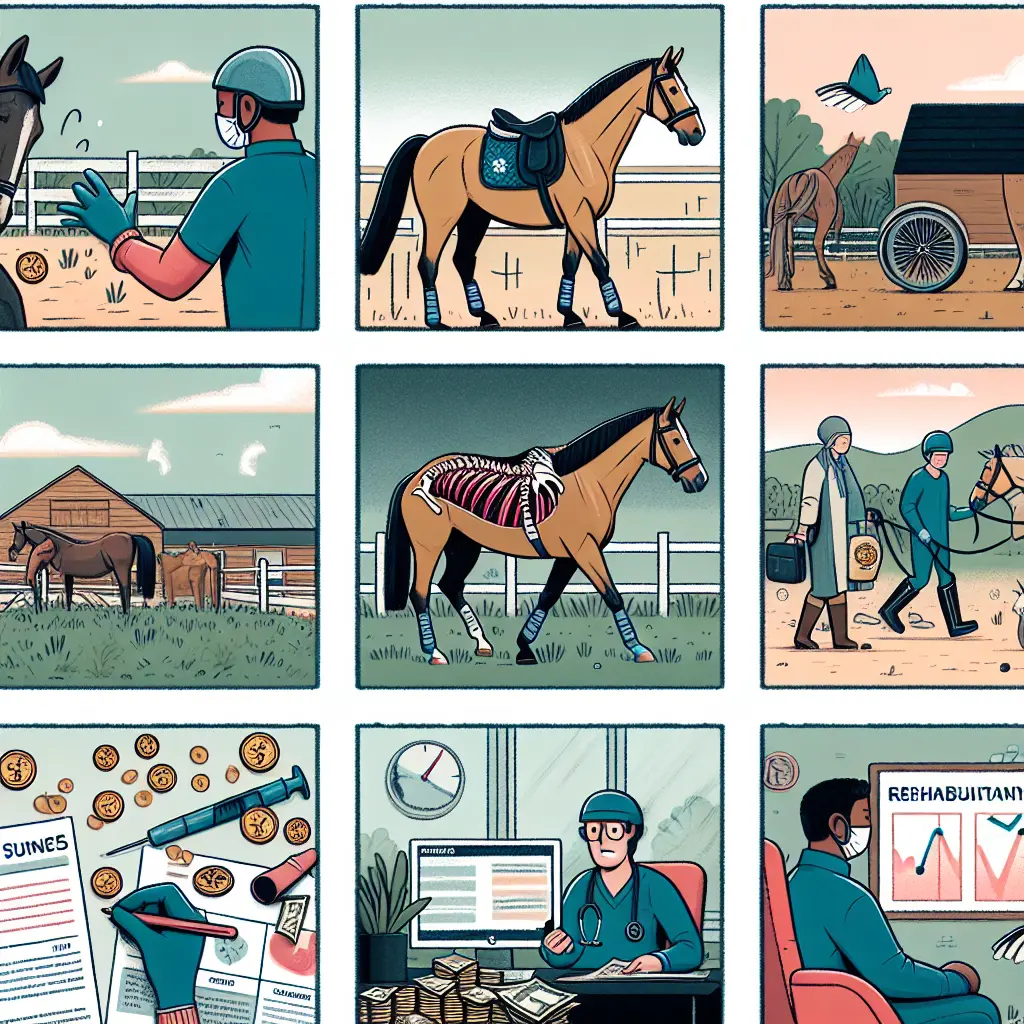
Incorporate core strengthening exercises using equipment like EquiAmi or Equiband systems to stabilize the spine post-surgery [5][6][7].
Physical Therapy
Incorporating therapies like stretching, massage, shockwave therapy, and chiropractic work promotes healing. Aqua treadmills are also beneficial [4][5].
Monitoring for Discomfort
Monitor signs of pain or behavioral changes to prevent setbacks [5].
Supporting Your Emotional Wellbeing
Education is empowering. Being informed through reading and professional consultations reduces fear of the unknown.
- Celebrate milestones: Recognize small improvements like increased comfort.
- Seek support: Professional help can be valuable if stress becomes overwhelming.
Authoritative Resources for Further Reference
Utilize authoritative resources for comprehensive guidance:
- Tufts Equine Center offers detailed surgical management and rehab guidelines [1].
- UC Davis Center for Equine Health provides insights into treatment options and prognosis [4].
- Practical Horseman magazine balances clinical knowledge with owner experience for practical advice [3].
Conclusion
Rehabilitating a horse after kissing spine surgery is a complex process involving emotional and financial investments. With the right support, structured rehabilitation plan, and patience, horse owners can successfully navigate this journey. Acknowledging the emotional, financial, and physical demands ensures that both horse and owner emerge stronger and ready to tackle future challenges.
Explore our Jodhpur Collection or browse equestrian supplements for additional support during your horse's rehabilitation.