

How to Manage Faecal Water Syndrome in Horses During Winter: Tips and Supplements
Winter brings its own set of challenges for horse owners, not least of which is Faecal Water Syndrome (FWS), also known as Free Fecal Water (FFW). This condition, characterized by normal feces followed by water discharge, is a common nuisance during the colder months. In this article, we'll explore the causes, management strategies, and helpful supplements to support your equine friend's gut health through winter.
Understanding Faecal Water Syndrome and Its Causes
FWS can disrupt a horse's comfort and lead to skin irritation due to constant wetness. While the exact cause remains a mystery, several factors are commonly linked to this condition:
- **Gut Motility and Inflammation: Issues in gut movement and inflammation can hinder water absorption, leading to FWS. (Source: WeHorse)
- Dental Issues: Poor dental health affects feed digestion and overall gut function. (Source: WeHorse)
- Diet Changes: The transition from pasture to hay in winter disrupts bacterial balance in the gut.
- Social Stress: Horses lower in social hierarchy might experience more stress, influencing gut health.
- Sand or Toxin Ingestion: Ingesting sand or toxic plants may cause digestive upsets. (Source: Mad Barn)
Why Winter Requires Special Attention
Reduced access to pasture grass and increased reliance on dry hay can worsen FWS symptoms during winter. The protective role of natural vitamins and enzymes found in fresh grass is diminished, requiring alternative management strategies. (Source: EquiManagement)

Practical Tips to Manage FWS in Horses During Winter
Feed High-Quality Roughage
Provide sufficient, high-quality hay at about 1 to 1.5 kg per 100 kg of body weight. Avoid long feeding gaps, as consistent feeding supports healthy gut function. (Source: WeHorse)
Gradual Dietary Transitions
Ensure any changes in diet are gradual to allow horses to adapt, particularly when moving to a hay-based diet during winter. (Source: SmartPak Equine)
Manage Social Stress
Monitor herd dynamics to reduce stress-related gut issues. Consider segregating or adjusting group dynamics for more submissive horses. (Source: Milverton-Wellesley Veterinary Services)
Maintain Good Dental Health
Regular dental check-ups are crucial to prevent feed digestion issues. Poor dental health can exacerbate FWS. (Source: WeHorse)
Exercise Regularly
Exercise stimulates healthy gut motility. Even during cold months, ensure controlled exercise routines for your horse. (Source: WeHorse)
Minimize Sand and Toxic Plant Exposure
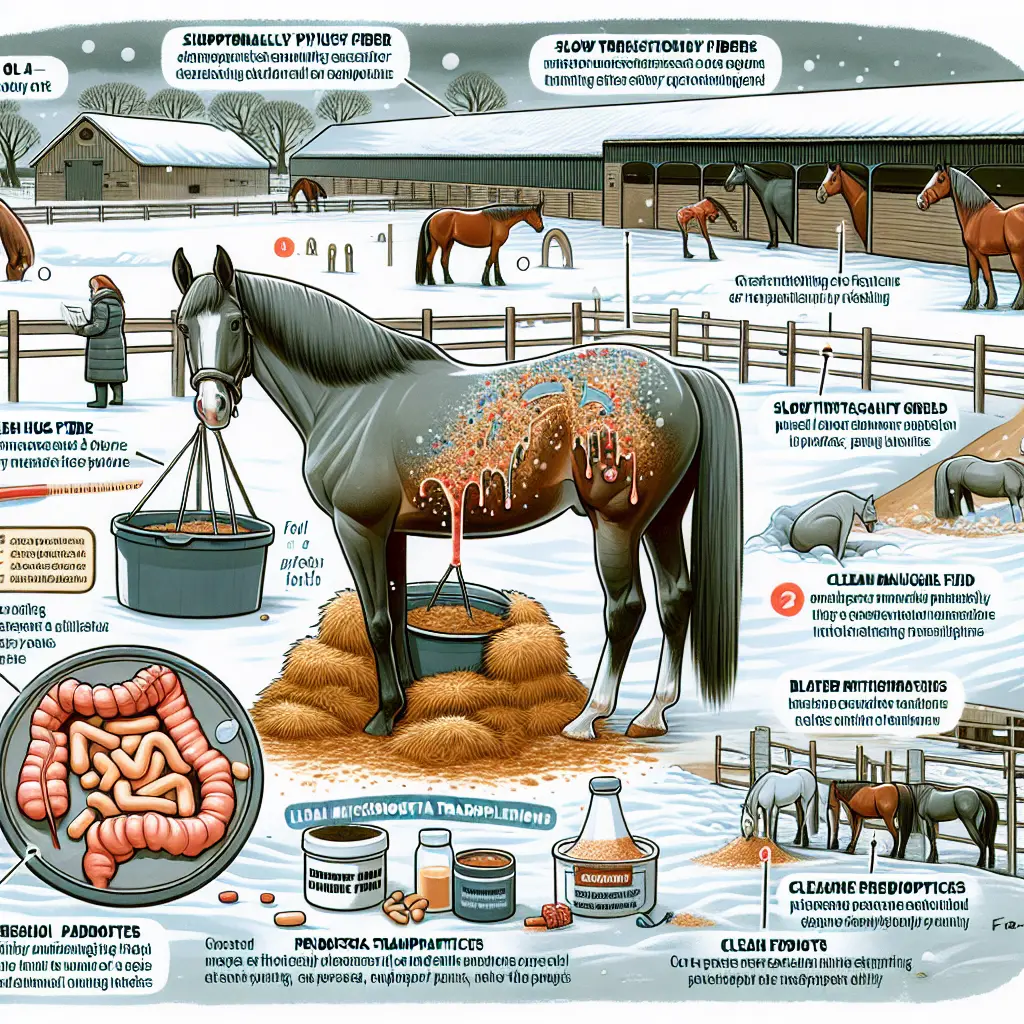
Avoid feeding hay directly from sandy ground to reduce gastrointestinal irritation caused by sand ingestion. Additionally, ensure paddocks are free of toxic plants.
Keep Hindquarters Clean and Protected
To prevent skin irritation and frostbite, keep your horse’s hindquarters dry and clean. Use tail wraps or protective balms during winter.
Supplements That May Help with Faecal Water Syndrome
Several supplements may support gut health and reduce FWS symptoms effectively.
Psyllium Husk Fiber
Adding wet pure psyllium husk can improve gut motility and reduce sand accumulation. (Source: Milverton-Wellesley Veterinary Services)
Mineral Feeds and Balanced Electrolytes
Mineral balance supports overall gut health. Consult an equine nutritionist for proper dosage to support systemic functions.
Omega-3 Fatty Acids
These acids from sources like flaxseed can support a normal inflammatory response, stabilizing gut irritation. (Source: SmartPak Equine)
Probiotics / Prebiotics
Consider supplements with live beneficial bacteria or substrates to rebalance the gut microbiome. These are commonly used adjuncts in managing digestive health. (Source: SmartPak Equine)
Baker’s Yeast (Saccharomyces cerevisiae)
Helps stabilize gut flora and digestion, potentially reducing FWS symptoms by promoting healthy gut activity. (Source: SmartPak Equine)
Emerging Treatments: Fecal Microbiota Transplantation (FMT)
FMT, an emerging treatment, involves transferring filtered fecal fluid from healthy donors to affected horses to restore microbial balance. Though experimental, it can provide significant improvements in fecal consistency and reduce symptoms for some horses. (Source: Mad Barn)
When to Consult a Veterinarian
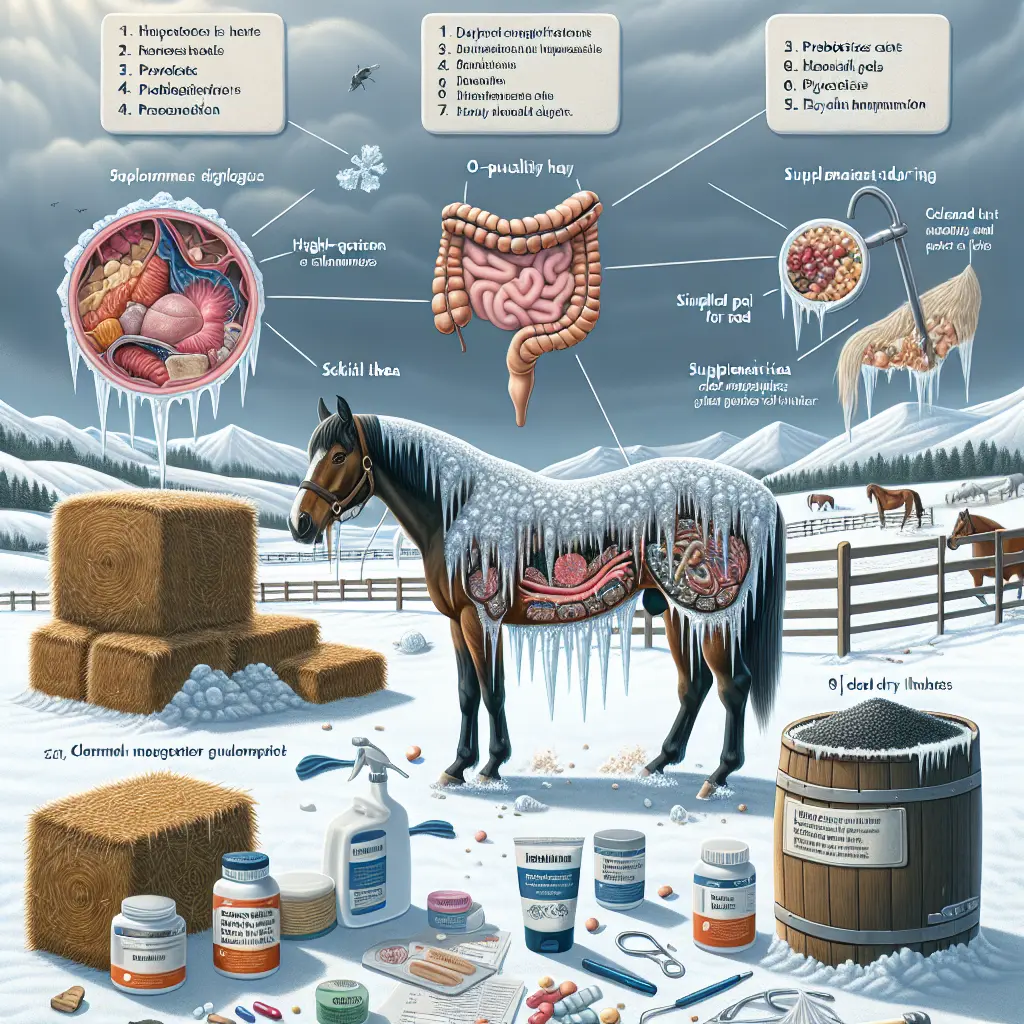
If FWS symptoms persist or worsen, a veterinary assessment is crucial to rule out other health issues and develop an individualized management plan. (Source: Milverton-Wellesley Veterinary Services)
Summarized Winter Management Checklist for Faecal Water Syndrome
| Management Aspect | Action Items |
|---|---|
| Diet | Feed high-quality hay; avoid long feeding gaps; transition diets gradually |
| Exercise | Ensure regular exercise to maintain gut motility |
| Dental Care | Regular veterinary dental check-ups |
| Stress Management | Monitor and adapt social groups; reduce stress |
| Environment | Keep paddocks clean; prevent sand and toxin exposure |
| Hygiene | Keep hindquarters clean and dry; use protective balms in winter |
| Supplements | Psyllium husk, omega-3s, probiotics, balanced minerals |
| Veterinary Care | Regular parasite control; fecal testing; consultation if symptoms persist |
By implementing careful management and providing supportive supplements, you can significantly reduce the burden of FWS in horses during winter, enhancing their overall comfort and quality of life.