

Understanding Overtracking: What Your Dressage Scores Are Telling You
Introduction to Overtracking in Dressage
In the elegant world of dressage, the horse's movement speaks volumes about its training and fitness. Among the critical analyses is overtracking — a term that may strike anxiety in beginners and exhilaration in seasoned riders. Simply put, overtracking occurs when a horse's hind legs step past the imprint left by its front legs. Understanding this phenomenon is essential for dissecting dressage scores and enhancing performance.
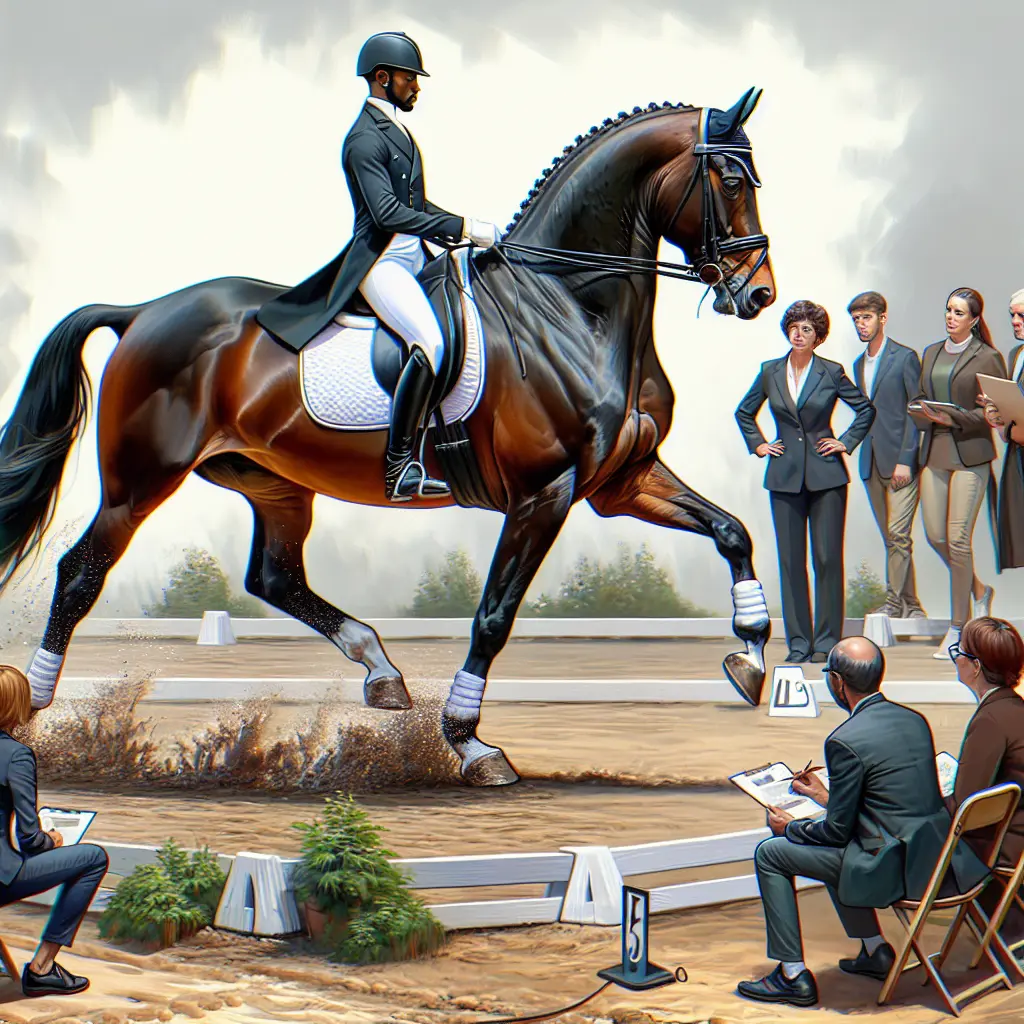
What Overtracking Indicates
Overtracking typically hints at the engagement and balance of a horse's hindquarters. Ideally, it indicates efficient kinematics; however, it isn’t always a marker of perfection. In some horses, overtracking arises from improper foreleg push-off, leading to kinematic imbalances that accentuate front-leg movement while the hindquarters lag.
Spotting Overtracking: The Visual Clues
To spot overtracking, focus on the movement's rhythm. An overtracking horse will leave hind footprints that overtake the front footprints during the walk. While this may signal a hauntingly beautiful gait, recognizing balance and tempo hints at the real picture of a horse's stride.
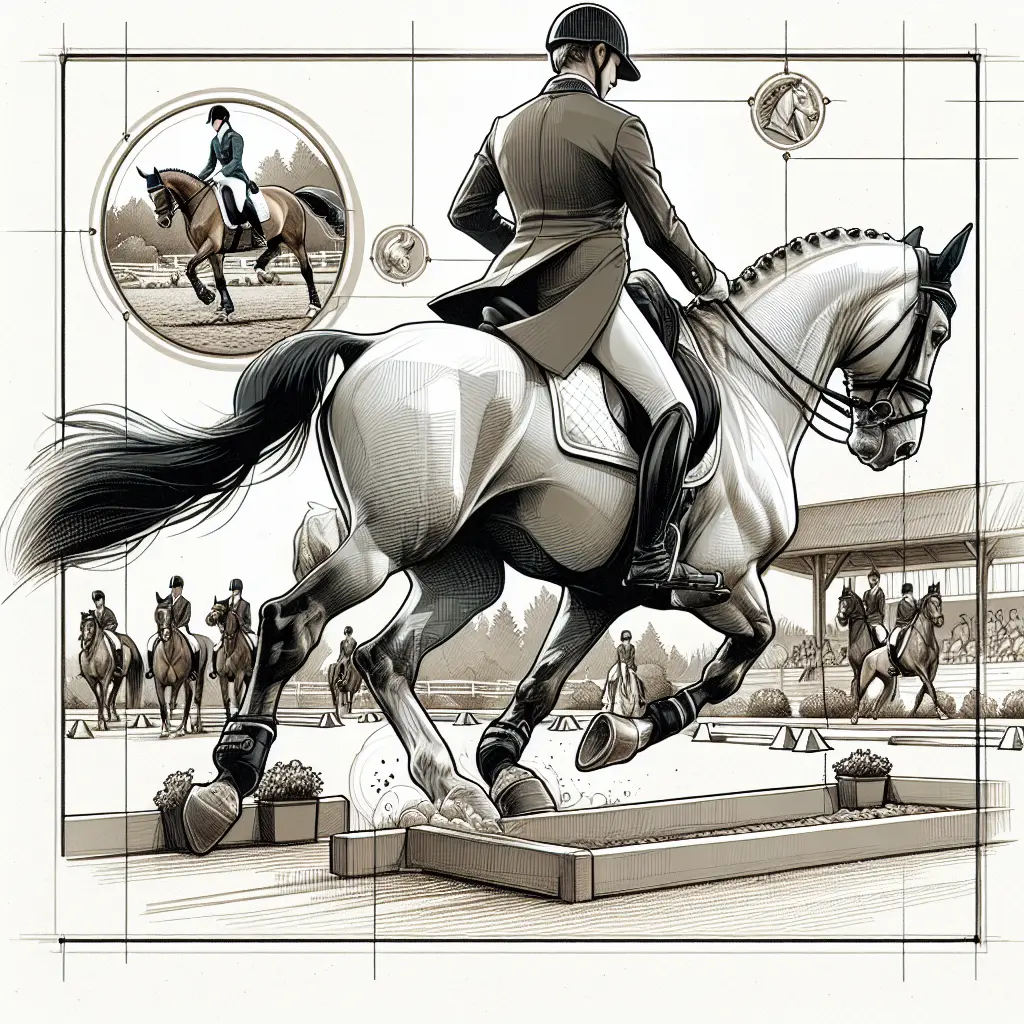
Dressage Scores: The Overtracking Impact
Balance and Engagement
When horses overtrack due to proper engagement, dressage scores may soar. With excellent hind leg engagement, horses demonstrate enhanced balance and impulsion. This on-point engagement reflects positive scores, though kinematic shortfalls could bruise your scores if overtracking comes with imbalance.
Movement Quality
Judges prioritize smooth, precise movement. Imbalance-induced overtracking can taint quality movement scores. Thus, ensuring that overtracking accompanies seamless kinematics determines high ratings.
Common Judges’ Remarks on Overtracking
Seasoned judges may echo phrases such as "Needs more energy and impulsion" or "On forehand". These comments pinpoint overtracking issues that tie into subpar hindquarter utilization. Tune in to such remarks as they elucidate balance and engagement flaws that may require intervention.
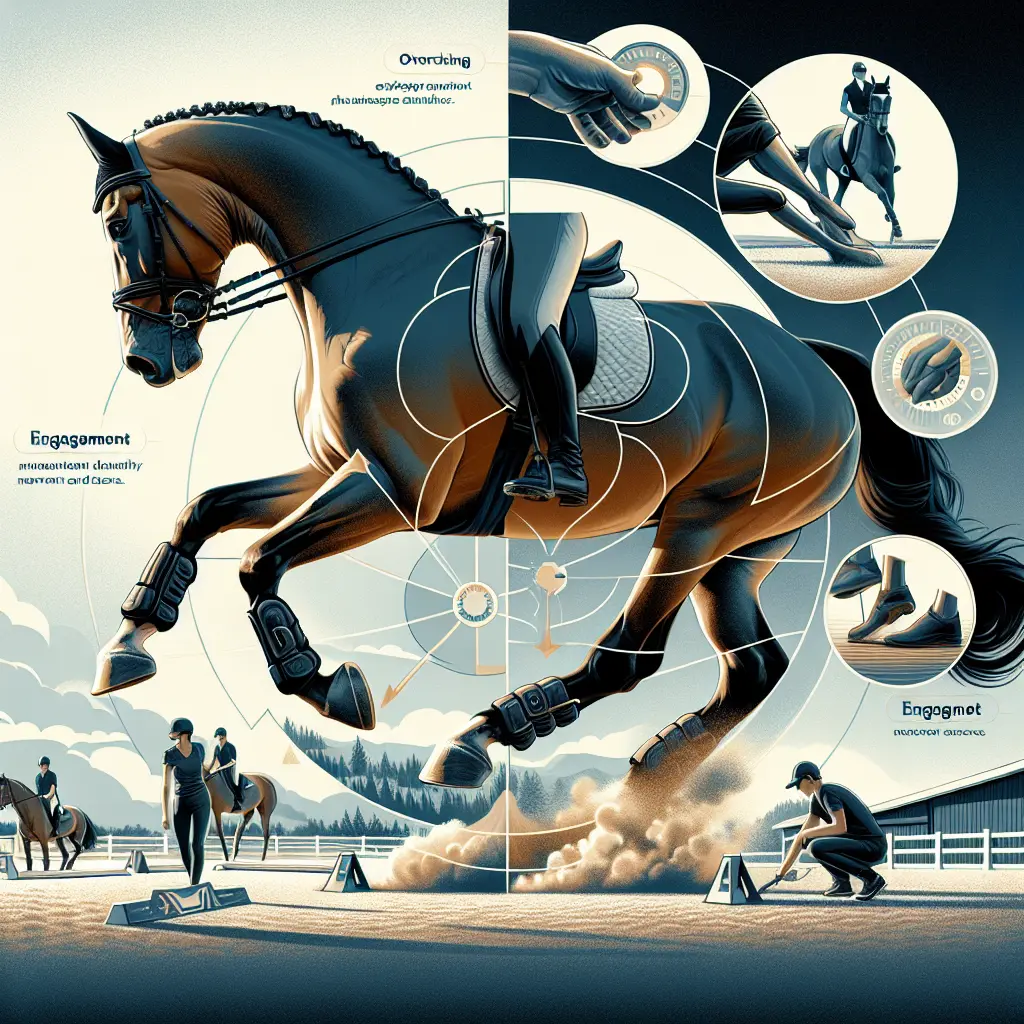
Tactics for Addressing Overtracking Disorders
Ensuring Proper Engagement
Achieving the sweet spot of hindquarter engagement involves training designed to instill naturally balanced movement. Exercises such as lateral movements fine-tune engagement, minimizing unnecessary overtracking.
Mastering Balance and Positioning
Maintaining a horse's natural tempo by positioning exercises can correct the tendency of falling "on the forehand." The art of dressage hinges on mastering the harmony between balance and free-flowing stride.
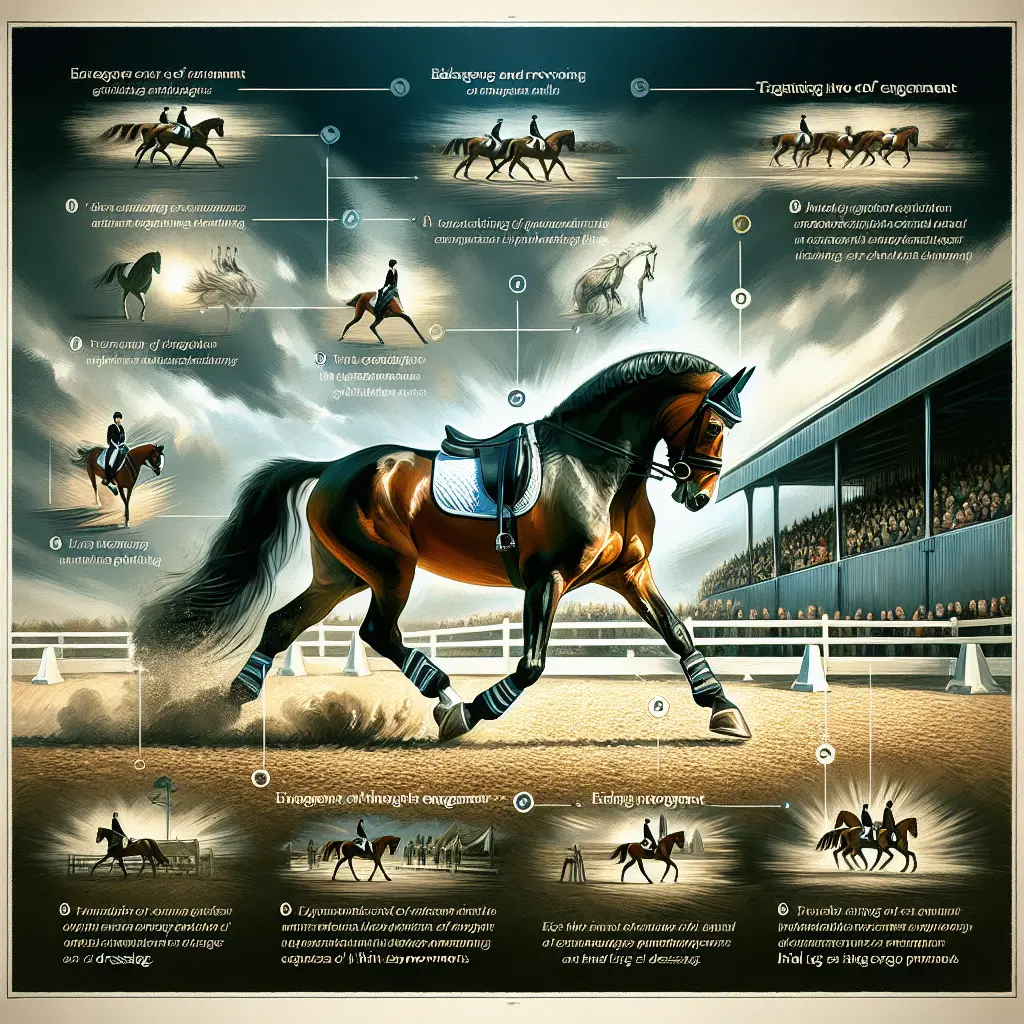
Instrumental Training Techniques
Incorporating specific drills, from mastering diagonals to precise lateral exercises, amplifies the horse's movement quality and engagement finesse. Such regime solidifies the kinesthetic blueprint, refining form with each gallop.
Conclusion: The Art of Overcoming Overtracking
Comprehending the subtleties of overtracking provides the keys to boost dressage performance. By identifying weaknesses, addressing balance, and investing in specialized training, riders transform potential pitfalls into triumph. Seeking guidance from experienced trainers, dressage horses transcend common hurdles to deliver spectacular performances on the grand stage.