

Understanding Equine Ulcers: When to Scope and How to Manage Treatment
Horse ownership brings a host of responsibilities, but few are as vital as understanding and managing the health of your equine companions. One condition worth shedding light on is equine gastric ulcers, which can dramatically affect the well-being and performance of horses. In this comprehensive guide, we delve into the intricacies of equine ulcers, signs that indicate a need for attention, and strategies for effective management.
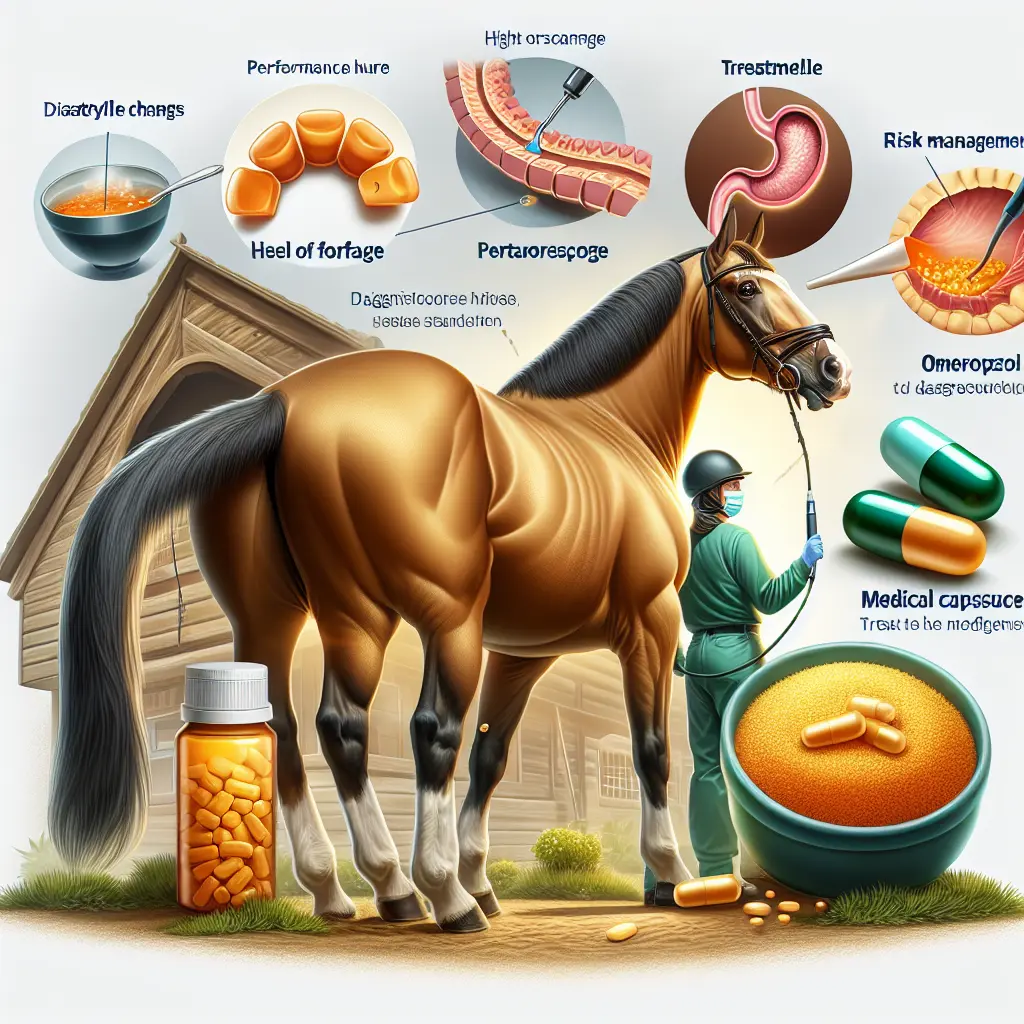
What Are Equine Gastric Ulcers?
An equine gastric ulcer is essentially a sore or erosion that develops in the lining of a horse's stomach. These can occur primarily in two areas:
- Squamous region: The upper part of the stomach, often impacted in performance horses.
- Glandular region: The lower section, less commonly affected but still crucial to monitor.
Horses continuously produce stomach acid—approximately 9 gallons daily—to aid digestion, but their natural design to graze on small meals constantly means interruptions to their feeding can lead to ulcers. This constant acid production paired with intermittent feeding or high-concentrate diets is a recipe for ulcers.
Prevalence: How Common Are Equine Ulcers?
The prevalence of gastric ulcers varies significantly depending on the horse's activity level and management strategies. Here are some statistics:
- Thoroughbred racehorses: 80% - 100% chance within 2-3 months of training.
- Standardbred racehorses: 87% chance during training and racing.
- Endurance horses: 66% - 93% during competitive periods.
- Show/sport/pleasure horses: Up to 58% prevalence.
- Low-activity horses: Approximately 11%.
These statistics underscore the importance of recognizing exercise and management stress as the primary contributors to equine ulcers.

When Should You Scope Your Horse?
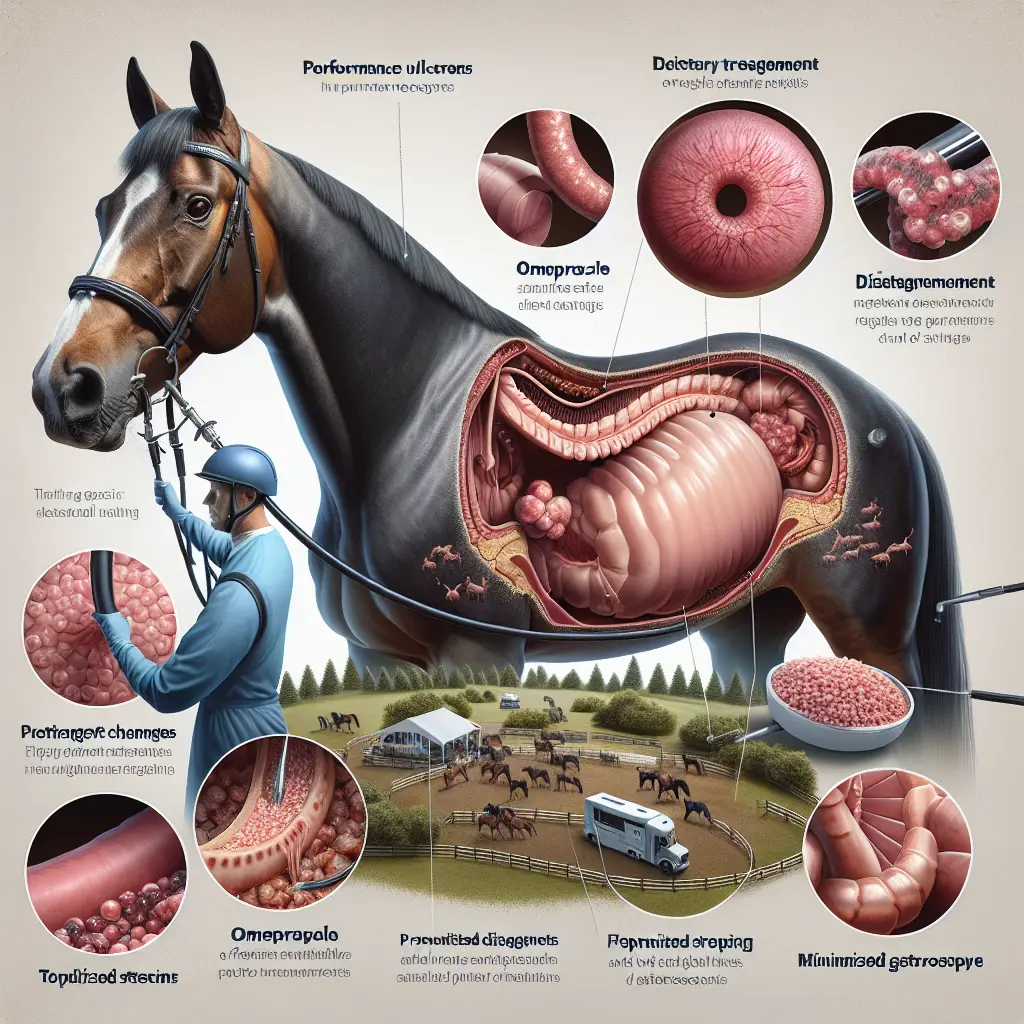
Gastroscopy is the only definitive diagnostic tool for equine gastric ulcers. This minimally invasive procedure uses a small camera inserted through the horse's nostril to assess the stomach lining.
Indications for Scoping Include:
- Clinical signs: Intermittent colic, poor appetite, weight loss, dull coat, or behavioral changes.
- High-risk horses: Those in active training or competition, especially with a history of poor performance.
- Pre-purchase examinations: To assess underlying gastric issues.
- Non-responsive horses: When horses don't respond to preliminary ulcer treatments.
Routine scoping can be a proactive measure in performance horses to discover ulcers early and guide effective treatment.
Managing and Treating Equine Gastric Ulcers
Once ulcers are diagnosed, both medical and management interventions are essential for healing and prevention.
Medical Treatments:
- Omeprazole: A proton pump inhibitor which is the cornerstone of reducing stomach acid production, aiding in ulcer healing over a typical period of 4-6 weeks. Some cases might necessitate longer courses.
- Sucralfate usage: Occasionally employed to protect the gastric lining, although it's not the primary treatment.
- Careful NSAID use: These can impair mucus protection, worsening ulcers, thus requiring veterinary oversight.

Management and Dietary Adjustments:
- Feeding frequency: More frequent, smaller meals rich in forage reduce acid exposure.
- Stress minimization: Reducing stressful events such as transportation or sudden routine changes helps prevent ulcers.
- Pasture access: Encourages grazing and saliva production, which naturally buffers stomach acid.
- Stable management: Minimize stall confinement to reduce stress and promote natural behaviors.
Additional Preventative Advice for Owners and Trainers
Proactive measures can drastically reduce the prevalence of ulcers in your horses:
- Consider preventative omeprazole treatment during known stressors such as travel or competition.
- Implement stress reduction strategies that can include advanced travel systems for reduced travel stress.
- Maintain regular veterinarian communication and consider periodic scoping in high-stakes situations.
- Monitor your horse closely for any subtle symptoms indicative of ulcers, such as changes in appetite or performance.
Conclusion
Equine gastric ulcers pose a significant threat to horse health, particularly in performance-driven animals. Gastroscopic examination serves as the definitive diagnostic approach, and when clinical signs are vague, it becomes indispensable. With diligent use of omeprazole and complementary dietary adjustments, ulcer treatments lead to successful recoveries. The prevalence—up to 90% in some performance disciplines—calls for proactive care and education. By following these guidelines, horse owners, trainers, and veterinarians can significantly improve equine health, ensuring their steeds remain at peak performance.
For continued insights and equestrian essentials, explore the offerings at Just Horse Riders.