

Surviving a Stressful Day: The Unexpected Challenges of Horse Transport and Relocation
Moving a horse can often be an *unexpected challenge* fraught with stress and worry. Whether it's across town for a clinic, across the country for a sale, or overseas for competition, horse transport introduces *welfare, safety, financial,* and *regulatory risks* that demand meticulous preparation.

Why this Matters: A Quick Overview
*Horse transport* is ubiquitous, with an estimated average of 170,000 horses moved annually between EU Member States from 2019 to 2021. The journey itself can be a complex stressor due to motion, sensory overstimulation, and other factors, significantly increasing the risk of injury and illness in horses.
How Transport Stresses Horses
Immediate Stressors
From the moment a vehicle starts moving, the *motion, vibration, road noise, and confined space* can provoke balance struggles and fear responses in horses.
Behavioral Incidents
More than *50% of transport incidents* are attributed to horse behavior, often occurring within the *first hour* of travel.
Environmental and Human Factors
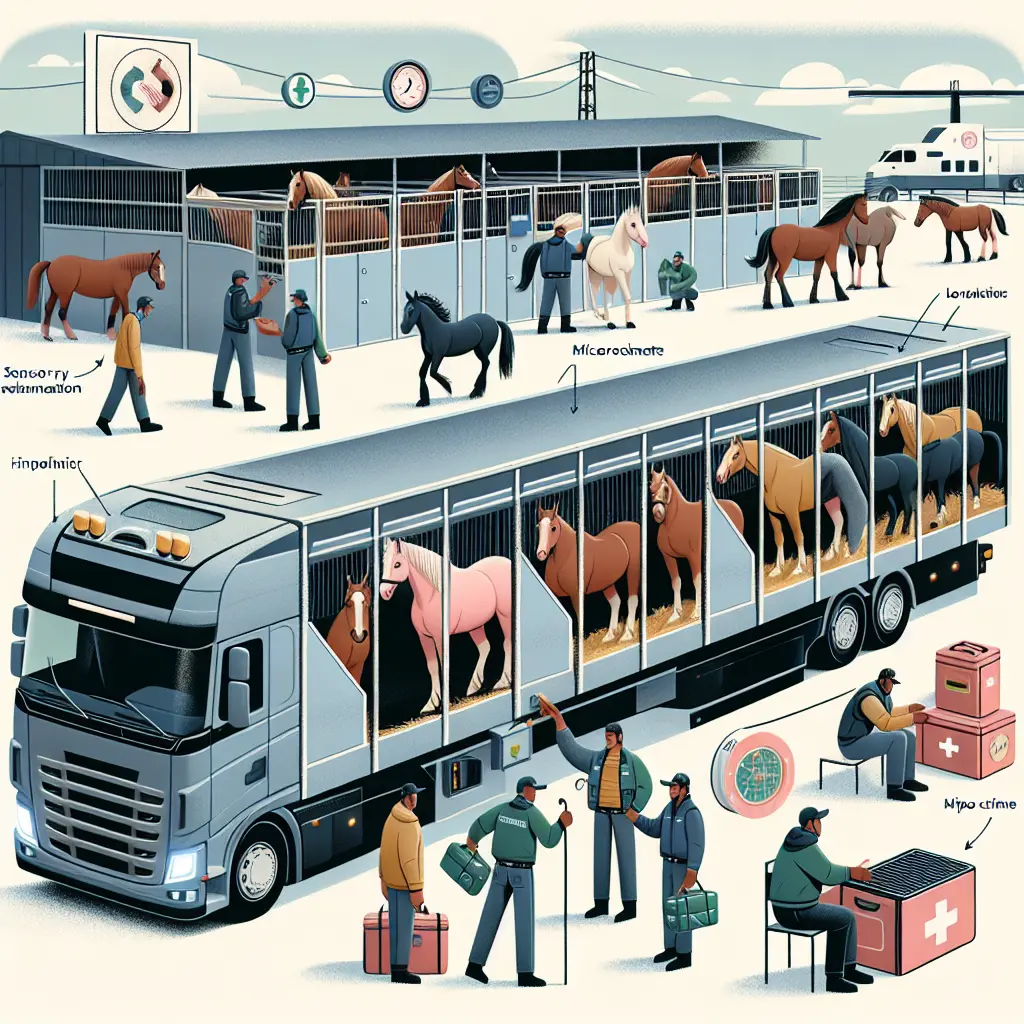
Poor *ventilation, high stocking density, inadequate rest,* and untrained handlers significantly raise the risk of injury and welfare issues for horses in transit. Non-compliance with *regulations* often exacerbates these problems.
Evidence-based Preparation Checklist
Verify Fitness and Veterinary Checks
Ensure a veterinarian certifies the horse for transport. This step is crucial to identify any *subclinical illnesses* that transport might exacerbate.
Choose the Right Vehicle/Operator
Utilize appropriately fitted vehicles. Confirm the *maintenance history* and select *experienced drivers* and shippers to mitigate the risk of incidents.
Train and Desensitize the Horse
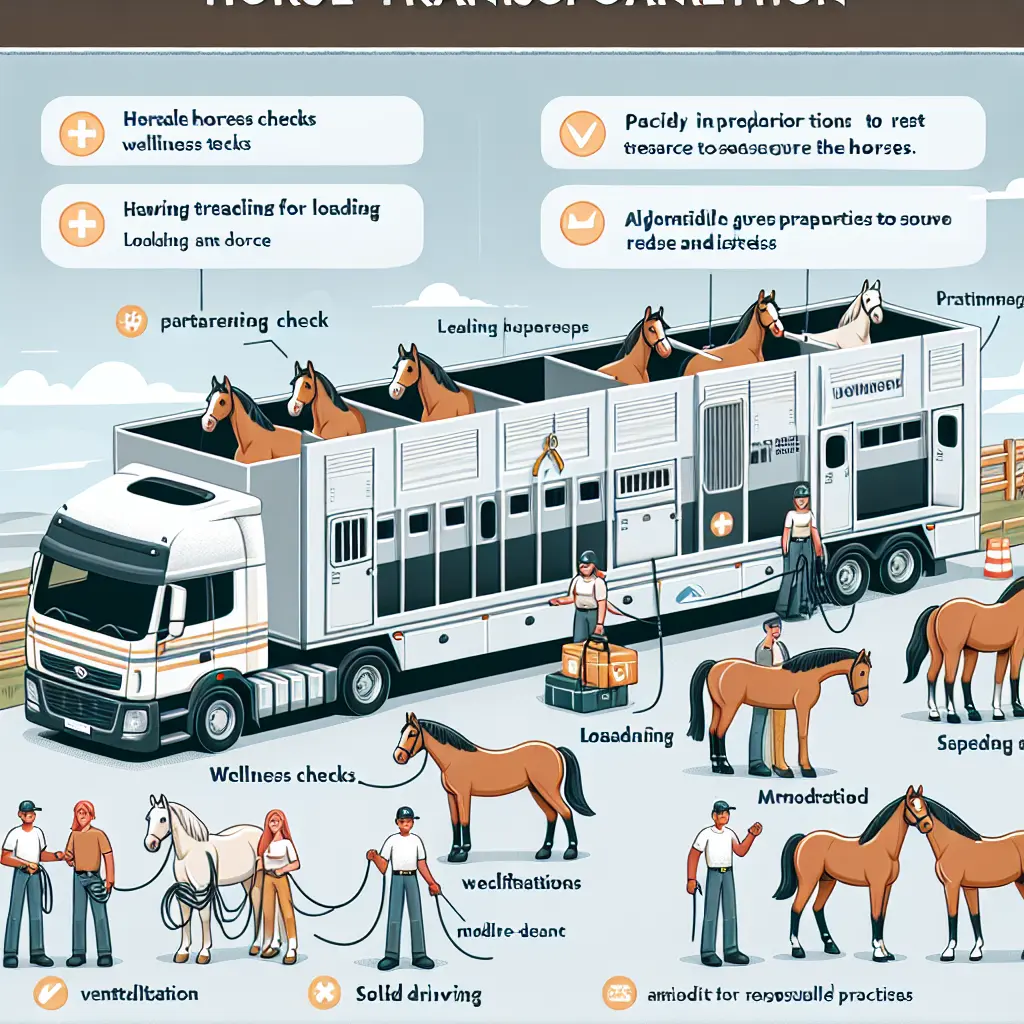
*Habituation to loading* through short practice trips and positive loading methods can reduce behavioral incidents during transport.
Plan for Journey Length, Rest, and Resources
Long journeys correlate with increased health risks. Schedule *rest, water, and feed breaks* within legal and welfare guidance, and plan for contingencies.
In-transit Management: Minimizing Harm
Drive for Horse Balance
Smooth driving with an anticipation of maneuvers can greatly reduce motion-related balance problems and falls.
Rapid Response Plan
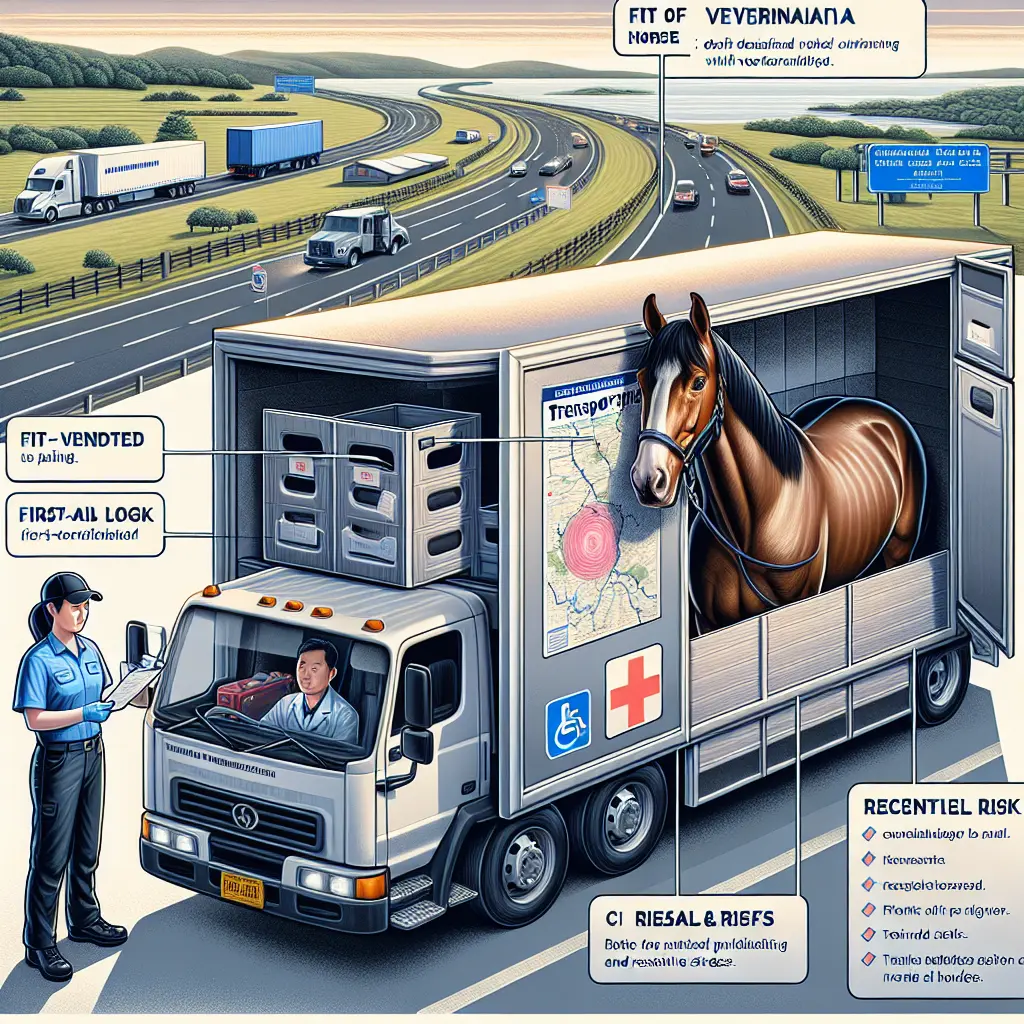
Always carry a basic *equine first-aid kit* and have an emergency response plan for situations such as *vehicle breakdowns* or horse collapse.
Common Problems and Immediate Actions
Injury or Fall
Signs include sudden lameness or *bleeding.* Immediately stop in a safe place and call a veterinarian without *moving the horse* unnecessarily.
Respiratory Illness
*Signs include nasal discharge and fever.* Isolation and prompt veterinary care are crucial, especially during longer flights or transport in certain seasons.
Dehydration/Exhaustion
Watch for signs like *tacky gums* and *sunken eyes.* Offer water if safe and cool the horse promptly.
Regulatory and Welfare Context
Transport compliance is crucial. Organizations like *World Horse Welfare* report widespread non-compliance, underlining the importance of using compliant operators and advocating for enforcement.
Practical Tips to Reduce Stress
Use *partitioned stalls* and opt not to travel during extreme weather. Ensure all microchip, passport, and health documents are in order for emergency situations and international moves. Consider transport-specific insurance to cover *injury, mortality,* and transportation costs.
Conclusion
Horse transport is undeniably challenging, but with the right preparation and care, the risks can be significantly minimized. Always ensure to book a vet check and consult an accredited shipper for your horse's next journey.