

Understanding the Unique Challenges and Advantages of Training Standardbred Trotters
Standardbred trotters are an iconic element of horse racing, recognized for their distinct trotting gait and formidable speed. They showcase a unique blend of genetic talent and rigorous training regimens that put their endurance, strength, and trot precision to the test. This blog delves into the specific challenges and benefits of training Standardbred trotters, offering insights for equestrians and enthusiasts alike.
What Makes Standardbred Trotters Unique?
Standardbred trotters are specialized harness racing horses known for their ability to maintain a two-beat gait at high speeds. Unlike their galloping Thoroughbred cousins, they must stick to a trotting pace, requiring symmetrical strength in their muscles. This unique demand has resulted in selective breeding to ensure trot purity, providing a solid foundation for their racing success.
Approximately 20% of trotters from trotter sires naturally pace, highlighting the challenges of maintaining gait-specific traits through breeding. It's a precise balance of nature and nurture that trainers learn to master.
Major Challenges in Training Trotters
Training these phenomenal athletes is fraught with its own set of complex challenges, which can negatively impact their performance without proper management.
Maintaining the Trot Gait Under Stress
Maintaining a non-stop trotting gait at velocity requires intense neuromuscular control. If a trotter breaks into a canter, they face disqualification, a common risk requiring careful monitoring of plasma lactate levels during submaximal track tests.
Metabolic and Muscle Fatigue
Standardbred trotters rely on muscle power for energy, which can lead to muscle fatigue and metabolic stress during demanding training schedules. They must balance intensity with endurance to ensure optimal performance. Findings suggest that horses with lower lactate levels at specific speeds perform better, enduring fewer starts and capturing more wins.
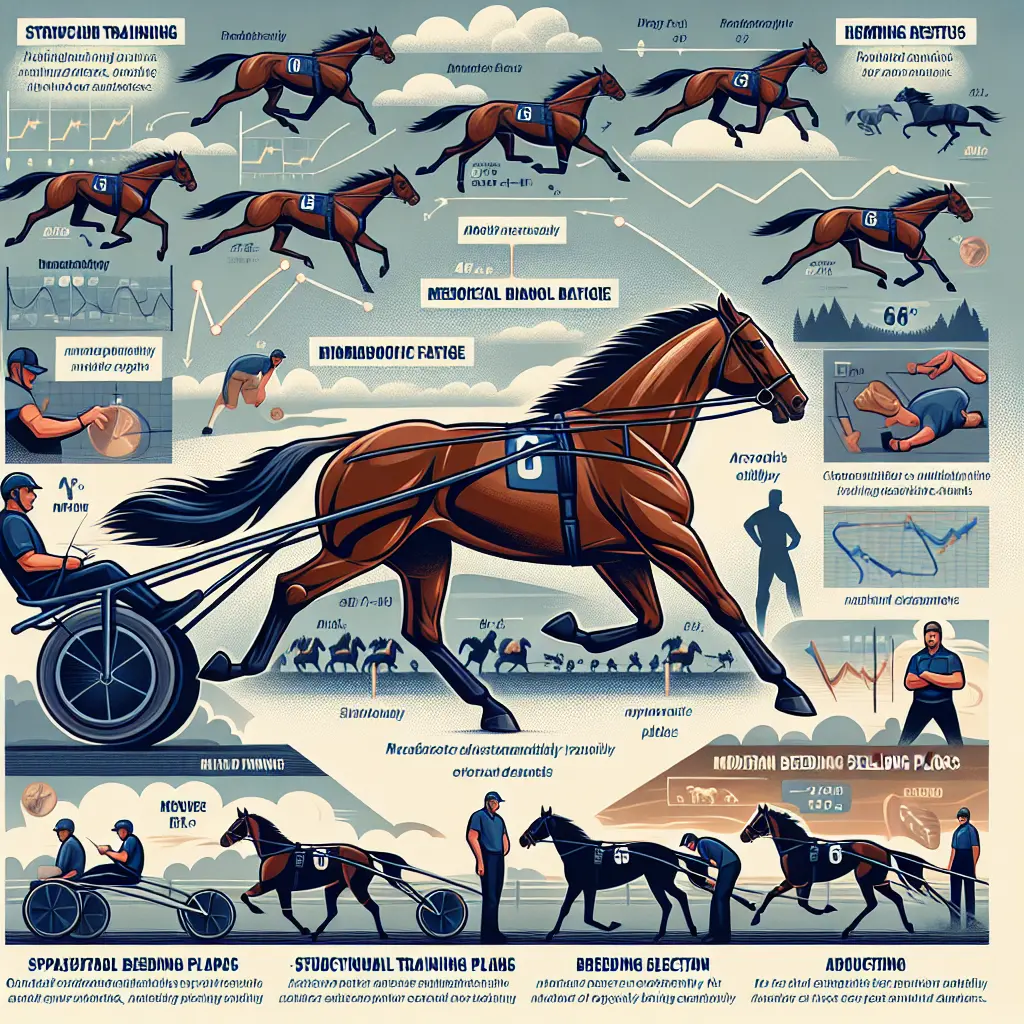
Injury and Overtraining Risks
Injury is a major concern when training Standardbred trotters. Poor fitness and injury rates are common in younger horses, sometimes necessitating treatment and affecting long-term performance. The prevalence of overreliance on jogging and pacing regimens can lead to burnout.
Energy and Recovery Demands
Training involves pushing heart rates above 180 bpm, increasing the need for efficient energy use and recovery. This requires innovative strategies to manage these energy needs, including proper scheduling of rest and active recovery phases.
Key Advantages of Training Trotters
Despite these challenges, training Standardbred trotters offers measurable benefits that aid in crafting precise and effective training programs.
Predictable Fitness Metrics
The regimented nature of Standardbred training offers predictable fitness metrics that are essential for developing successful programs. By analyzing these metrics, such as VO2 max, lactate thresholds, and speeds at aerobic thresholds, trainers can optimize their regimens, ensuring fitness levels match racing demands.

Adaptable Training Structures
Phased training structures, consisting of >foundation jogging, intervals, and racing, help enhance both aerobic and anaerobic systems. This adaptability ensures that training regimens remain flexible and focused on peak performance. Track tests of 2-year-olds further guide training by individualizing programs according to fitness needs.
Breeding and Selection Tools
Through breaking performance down to BLUP metrics, trainers can select breeds that excel in trot purity, leading to high achievers in races. This aids in making informed selections to enhance trot consistency across generations.

Economic Incentives
The return on investment in training Standardbreds can be economically rewarding. For instance, Australian races in 2001 garnered $71.5 million in stakes, emphasizing the potential financial incentives for dedicated trainers.
Best Practices for Overcoming Challenges
Employing best practices is essential to overcome the inherent challenges associated with training Standardbred trotters, leading to improved performance and reduced risk of injury.
Individualize via Tests
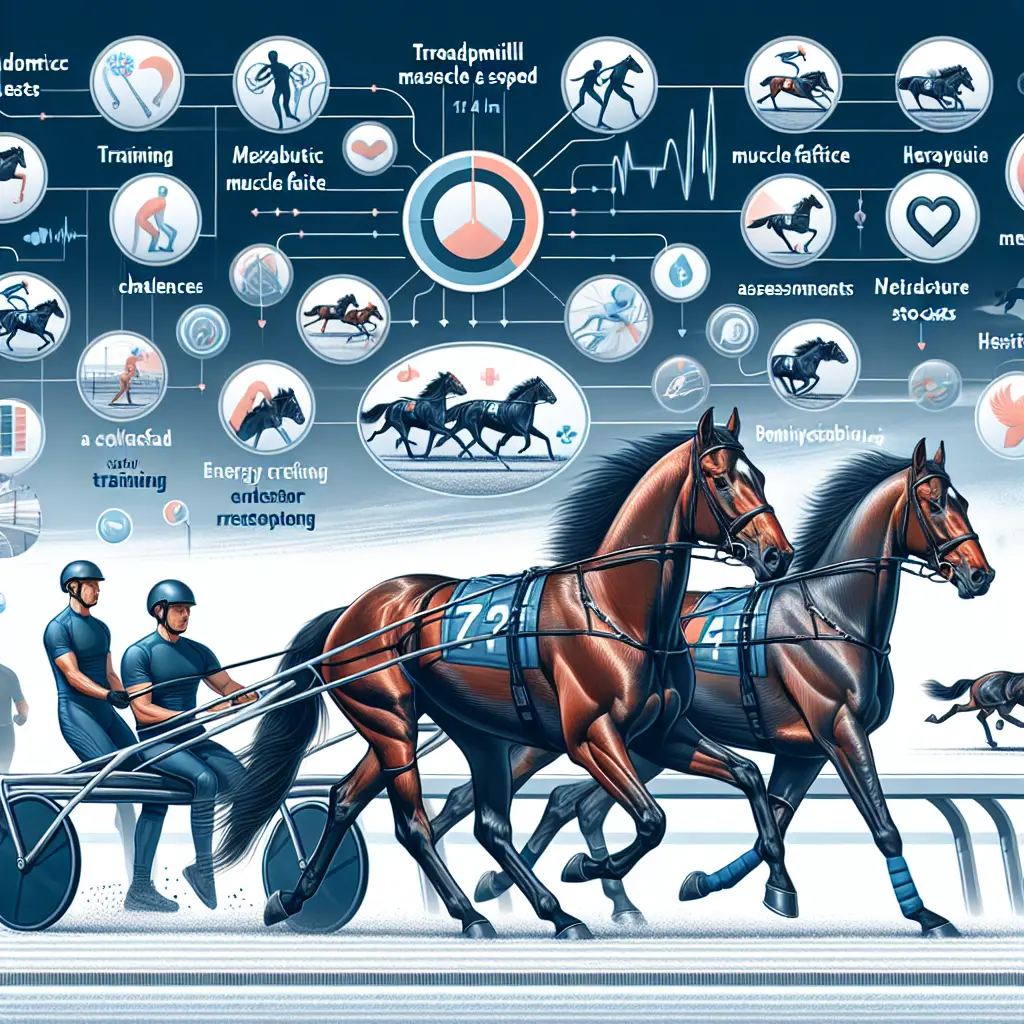
Utilize incremental treadmill tests as a baseline to gauge VO2, lactate levels, and vertical movements at the withers. Adjustments from these results provide personalized training enhancements for underperforming trotters.
Balance Training Intensity
A strategic balance between interval training and long, low-intensity workouts helps preserve endurance while preventing muscle fatigue.
Monitor Recovery and Rest
Allow at least one day of rest weekly while monitoring recovery patterns through heart rates and performance indicators. Adjusting for these variables helps prevent overtraining and injuries.
Conclusion: A Rewarding Path for Dedicated Trainers
The world of Standardbred trotters embodies a thrilling mix of athleticism, precision, and strategic management. Although they present unique training challenges, the rewards are substantial for trainers who succeed in optimizing their performance through measured, data-driven protocols. With careers typically peaking at about 5 years, these trotters showcase the splendor and potential of structured and tailored training, offering significant success when mastered effectively.
For more insights and to explore equestrian products designed for horse riders, visit Just Horse Riders.