

Navigating Saddle Fit Challenges for Young Horses: Solutions and Considerations
The journey of raising and training a young horse is filled with excitement and challenges. Among the most critical considerations is ensuring proper saddle fit for your young horse, as saddles play a crucial role in their development, comfort, and performance. In this article, we will explore the saddle fit challenges unique to young horses and provide practical solutions and considerations to ensure their well-being and performance as they grow.
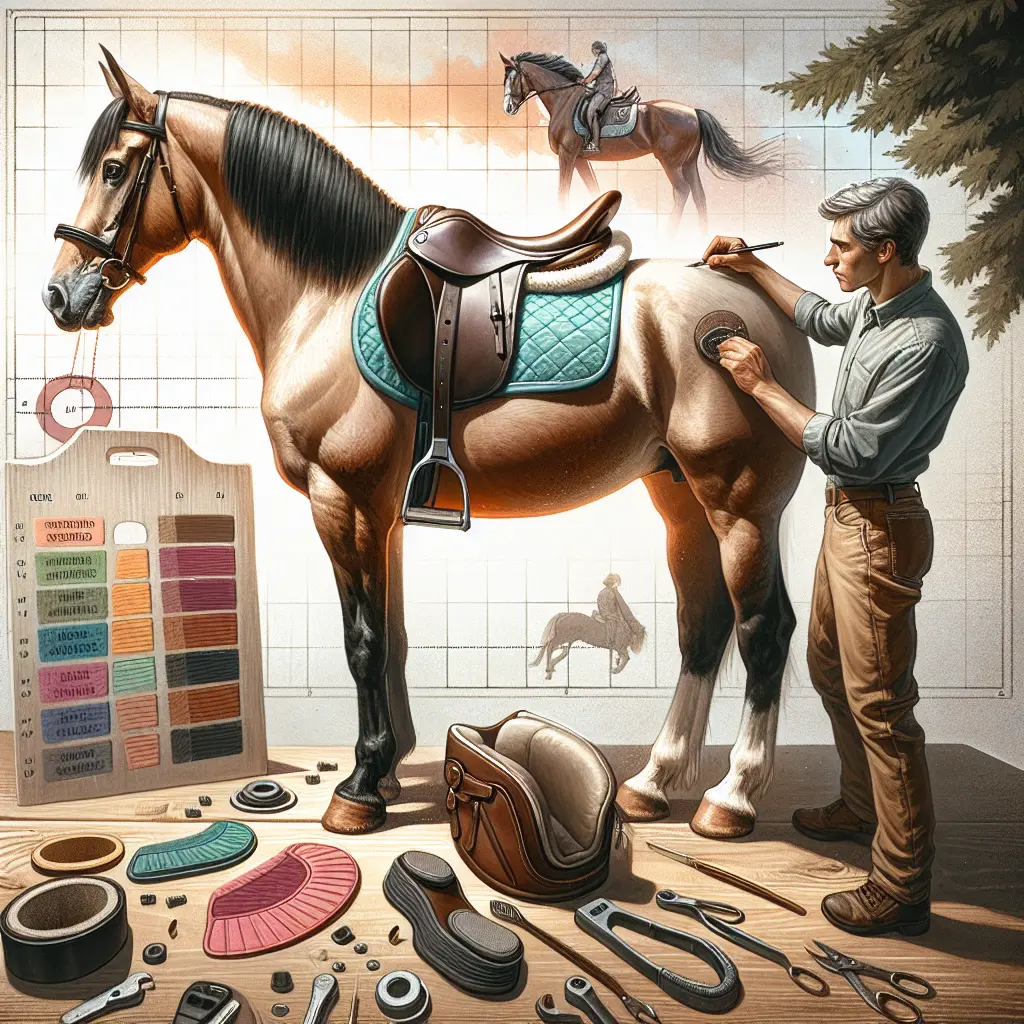
Understanding the Changes in Young Horses
Rapid Growth Stages
Young horses experience rapid and dynamic body changes as they mature. In fact, horses mature three times faster than humans, with significant physical developments occurring from birth through their early years. These changes can drastically alter a horse's body shape within short periods. The importance of monitoring these changes closely cannot be overstated, as they often necessitate adjustments in saddle fit.
Muscle Development
As young horses begin their training journey, their muscle structure evolves to support the weight of the rider and meet the requirements of different equestrian disciplines. A well-fitting saddle is vital for proper muscle development; ill-fitting saddles can exert pressure points that may lead to muscle atrophy and discomfort (source: Dressage Today).
Challenges of Saddle Fit for Young Horses
Dynamic Body Shape
Given the rapid changes in body shape, a saddle that fits perfectly today might not fit after a few months. There are anecdotal reports of saddles no longer fitting a four-year-old horse just three months after they were custom-fitted. This showcases the challenge of dynamic body shapes in young horses.
Saddle Movement
The improper balance of a saddle's tree size can lead to significant discomfort for the horse. A tree that's too large causes friction, whereas a tree that's too small restricts movement. Striking the right balance is essential to prevent potential injury and ensure the horse's comfort over time.

Financial Considerations
Continuously purchasing new saddles as the horse grows can be financially demanding. It's crucial to find a balance between investing in suitable equipment and managing overall expenses. Opting for versatile solutions without compromising the horse's comfort becomes imperative here.
Solutions and Considerations
Regular Saddle Checks
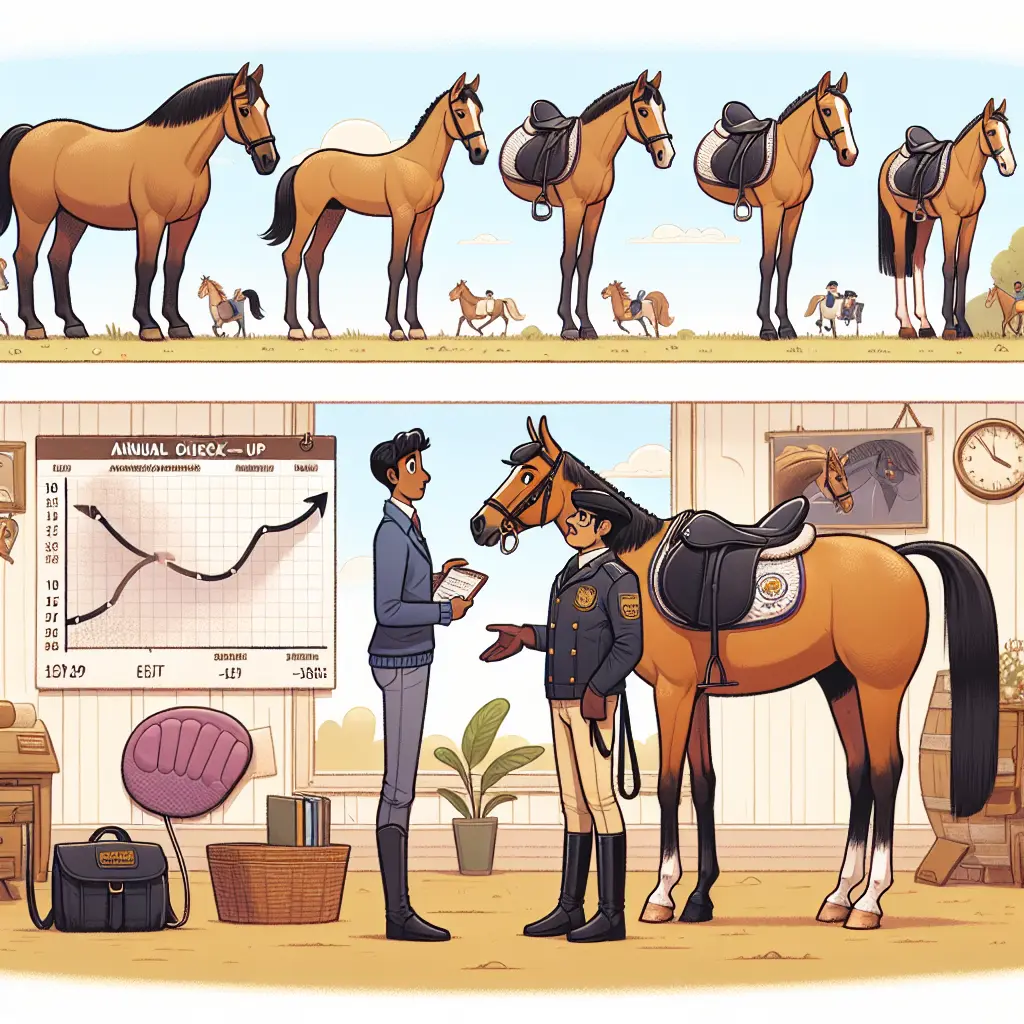
Scheduling regular saddle checks, preferably annually or more frequently during growth spurts, is essential for identifying and addressing fit issues before they escalate. This strategy ensures that your horse remains comfortable, and it helps you adapt quickly to changes in their body (source: Schleese Saddlery).
Adjustable Saddles
Adjustable saddles are specifically designed to adapt to a horse’s changing body shape, making them a popular choice for young horses. While they may not always provide a perfect fit, they offer valuable flexibility as the horse continues to grow (source: Julie Goodnight Academy).
Saddle Pads and Inserts
Saddle pads and inserts serve as an interim solution for fine-tuning saddle fit. They provide temporary adjustments without necessitating an entirely new saddle purchase, although they shouldn't replace professional saddle fitting consultations.
Consult a Professional
Inviting a qualified saddle fitter to assess and tailor the saddle to your horse’s specific needs can provide peace of mind and ensures your horse's comfort. Early identification of issues and timely recommendations can make all the difference.

Timing for Serious Training
Experts generally recommend beginning serious training at around age five, when the horse has developed the necessary strength and conformation. Investing in a properly fitting saddle at this stage is instrumental in securing their long-term performance and comfort.
Best Practices
To ensure a successful saddle fit journey with your young horse, adhere to the following best practices:
- Monitor Growth: Regularly track your horse’s growth and development stages to anticipate changing saddle fit needs.
- Annual Check-Ups: Regular check-ups, whether annually or more frequently, help catch and rectify changes in body shape.
- Professional Guidance: Engage with experienced equine experts to receive personalized advice tailored to your specific horse’s needs.
Conclusion
Navigating the saddle fit challenges for young horses requires patience and proactive management. By recognizing the unique growth patterns and developmental needs of young horses, and taking steps to ensure proper saddle fit, you lay the foundation for both you and your horse's success and comfort in the long run. Explore our comprehensive collections of equestrian apparel and gear, including the Jodhpur Collection and Horse Riding Boot Collection. For more information and insights, visit our homepage at Just Horse Riders.