

Introduction
Navigating the world of horse sales can be as intricate and thrilling as navigating a dressage course. And just like in the arena, maintaining composure and having a solid strategy are essential for success. This comprehensive guide will take you through selling a horse — managing the complexities involved in such transactions while ensuring both buyer satisfaction and seller protection.
Understanding Equine Transactions
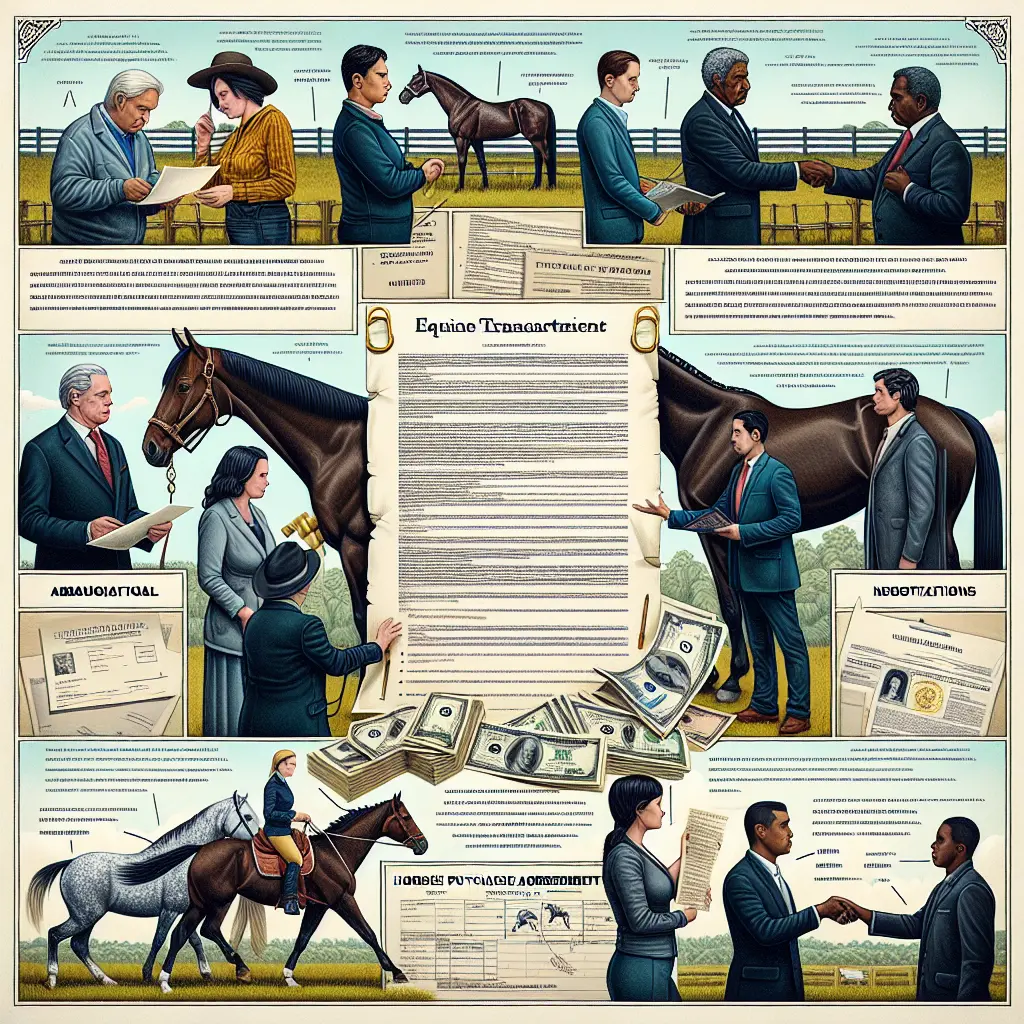
Equine transactions involve serious business, much like selling any significant asset. However, without adequate planning and documentation, a deal can easily sour. It's critical to approach sales with the same thoroughness you'd use in buying your perfect pair of jodhpurs.
Key Components of a Horse Purchase Agreement
The backbone of any horse sale is the Horse Purchase Agreement. This document needs to detail:
- Horse Description: Precise details such as name, sex, color, and lineage to avoid confusion.
- Transfer Clause: How the ownership rights will shift — include special provisions if necessary.
- Financial Terms: Specify clearly the purchase price and payment conditions.

Maintaining Composure During Difficult Negotiations
The art of negotiation can test even the calmest individuals. To steer your transaction along smooth paths, practicing certain methods is key.
Stay Calm
Remaining serene is your greatest ally. Much like donning a trusty pair of horse riding boots, a calm demeanor bolsters your negotiation stamina.
Use Mediation
Don't be afraid to recruit a third-party mediator. A bloodstock agent, for instance, offers impartiality and expertise, ensuring both sides feel the deal is fair. Discover more about the role of bloodstock agents.
Be Flexible
Sometimes, the way to a successful transaction is not paved with rigidity but flexibility. Just like selecting the right fly protection to suit your horse's needs, being adaptable can lead to positive outcomes.
Protecting Yourself Legally
Legal safeguards are paramount when selling a horse. Be prudent; without these, all your careful preparations may amount to naught.
Documentation
Every element of your agreement should be documented in black and white. This prevents misunderstandings down the track and contributes to a less stressful transaction environment.
Legal Advice
Engage legal professionals experienced in equine law to assist with your transaction handle. This may save you from riding into legal complexities unsaddled. Our trusty source, the US Legal Forms Blog, can offer guidance in crafting purchase agreements.

Transparency
Transparency will ward off future headaches. Be open about any known issues with the horse pre-sale to avoid potential quagmires post-purchase.
Common Pitfalls and How to Avoid Them
Selling a horse isn't without its hurdles. Here's a list of potential pitfalls and advice on how to jump them like an equestrian pro.
Insufficient Vetting
Ensure thorough veterinary checks are completed. Identifying health issues early prevents disputes later, much like ensuring your stable rugs are weather-appropriate for your steeds' conditions.
Ambiguous Contracts
Remove the ambiguity cloud from your contracts. Clearly define all expectations and responsibilities — both parties must understand their role clearly.

Lack of Payment Security
If financing is part of the transaction, establish a robust plan to secure payments. Suddenly, it feels like tightening the girth on saddle straps.
Conclusion
Navigating difficult horse sales transactions is an art. With careful planning, emotional control, and the right guidance, sellers can ensure a smooth finish to the reins of the deal. Visit the Horse Riding Gloves Collection for accessories that secure your grip on selling!