

How to Manage Fields with Excess Lush Grass for Horses During Winter
The winter months pose a unique challenge for horse owners when it comes to pasture management. Lush grass growth may seem beneficial, but excessive winter grazing can actually damage your fields and compromise your horses' health. In this guide, we’ll explore effective strategies to navigate excess grass during colder months while protecting your pasture investment for spring and summer grazing.
Understanding the Winter Pasture Problem
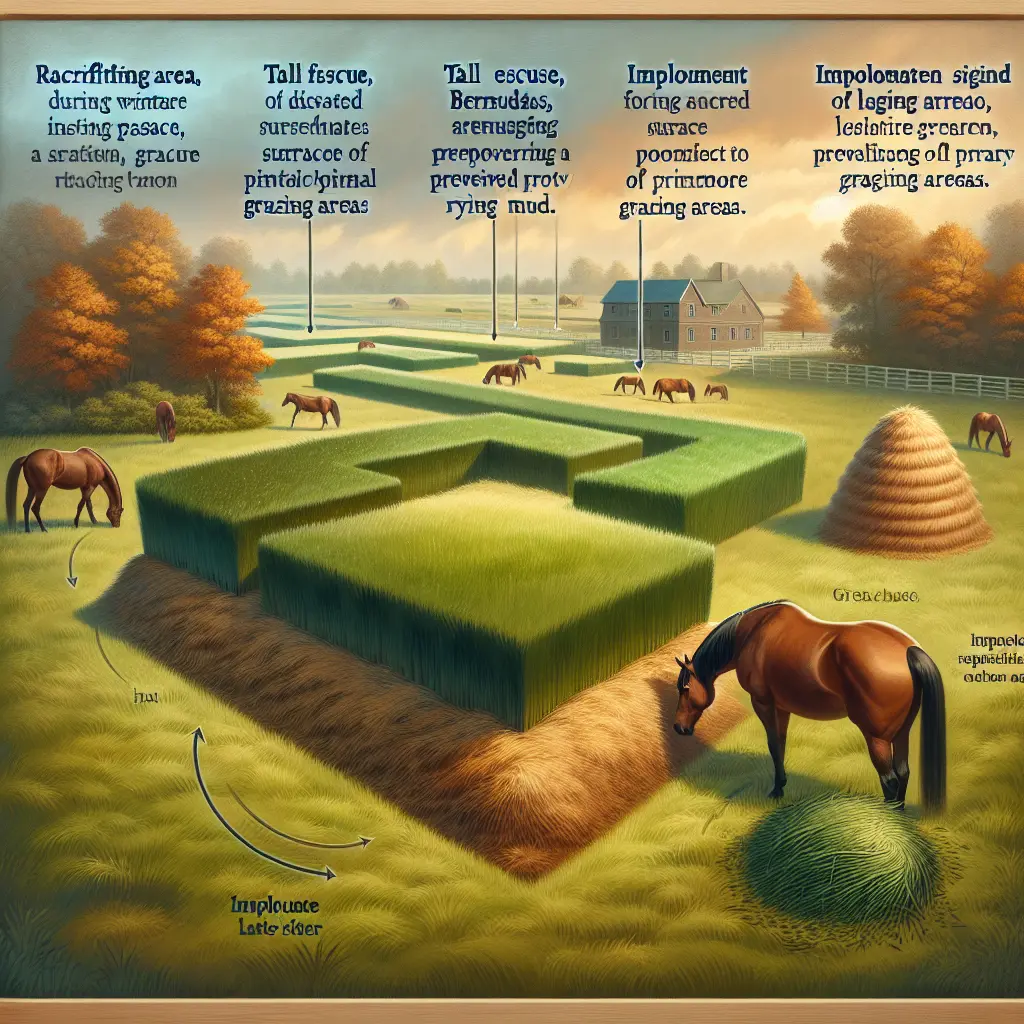
Winter pasture management primarily aims to minimize traffic impact on dormant grasses[1]. When horses graze on lush winter grass, they tend to nibble vegetation down to the ground even when grass growth has stopped[2]. This aggressive grazing leads to the depletion of plant's stored energy reserves, eventually weakening the root systems and killing off plants in frequently grazed areas.
Soil Compaction and Its Effects
The heavy hoof traffic during wet winter conditions exacerbates this damage. Compacted soil reduces drainage, creates bare patches, and opens the door for weeds to take hold—problems that will haunt your pasture into the spring and summer[1][2].
The "Sacrifice Area" Strategy
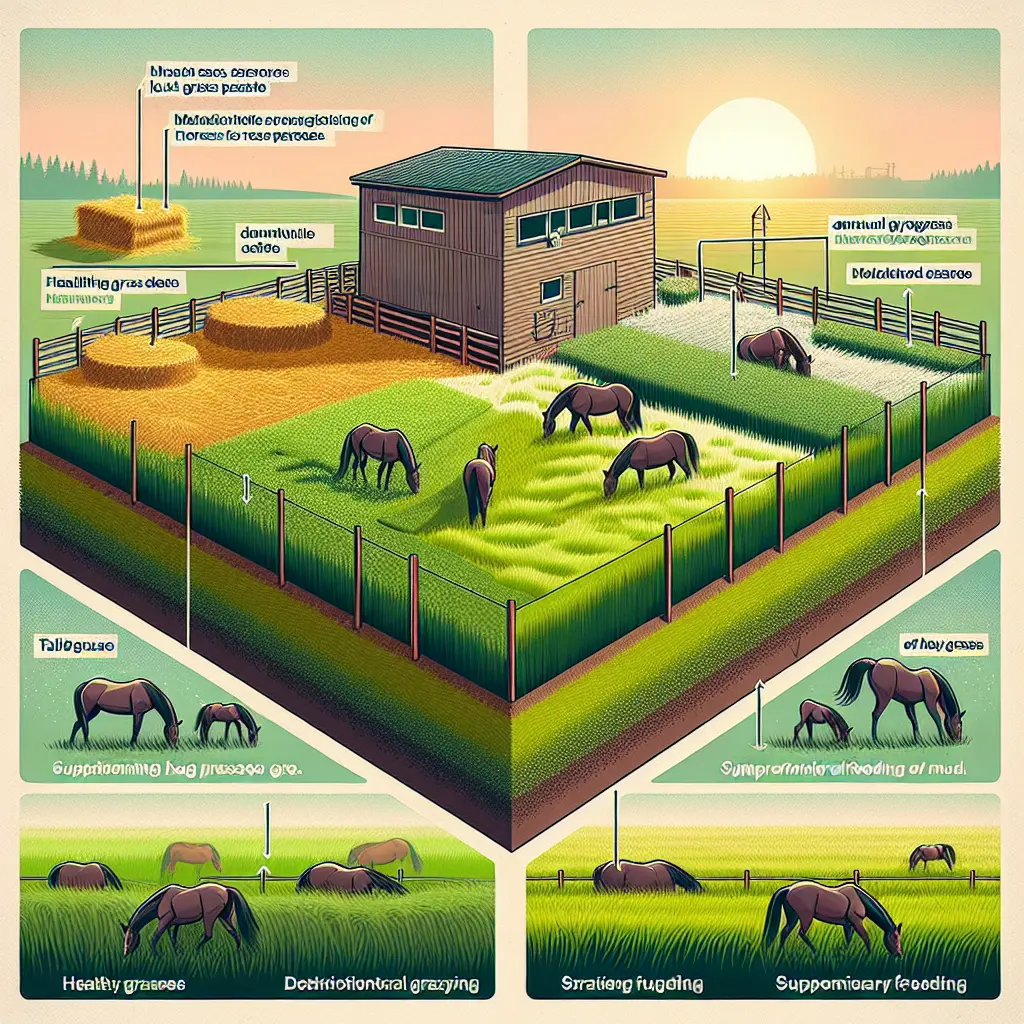
An effective winter management approach is to remove horses from pastures or significantly limit their access, particularly during wet periods[1]. This doesn’t mean complete confinement; rather, it involves designating a specific area as your "winter pasture" or "stress lot."
Benefits of a Sacrifice Area
A sacrifice area is a dedicated space where horses can move around and exercise while your main pastures rest and recover[2]. This area should be:
- Separate from your primary grazing paddocks
- Ideally equipped with heavy-use pads or stabilized stone surfaces to improve drainage and reduce mud
- Supplemented with hay to meet horses’ nutritional needs during winter
When Winter Grazing is Acceptable
Not all winter grazing situations are problematic. Some grass species can be grazed successfully during winter if managed properly[1]. These include:
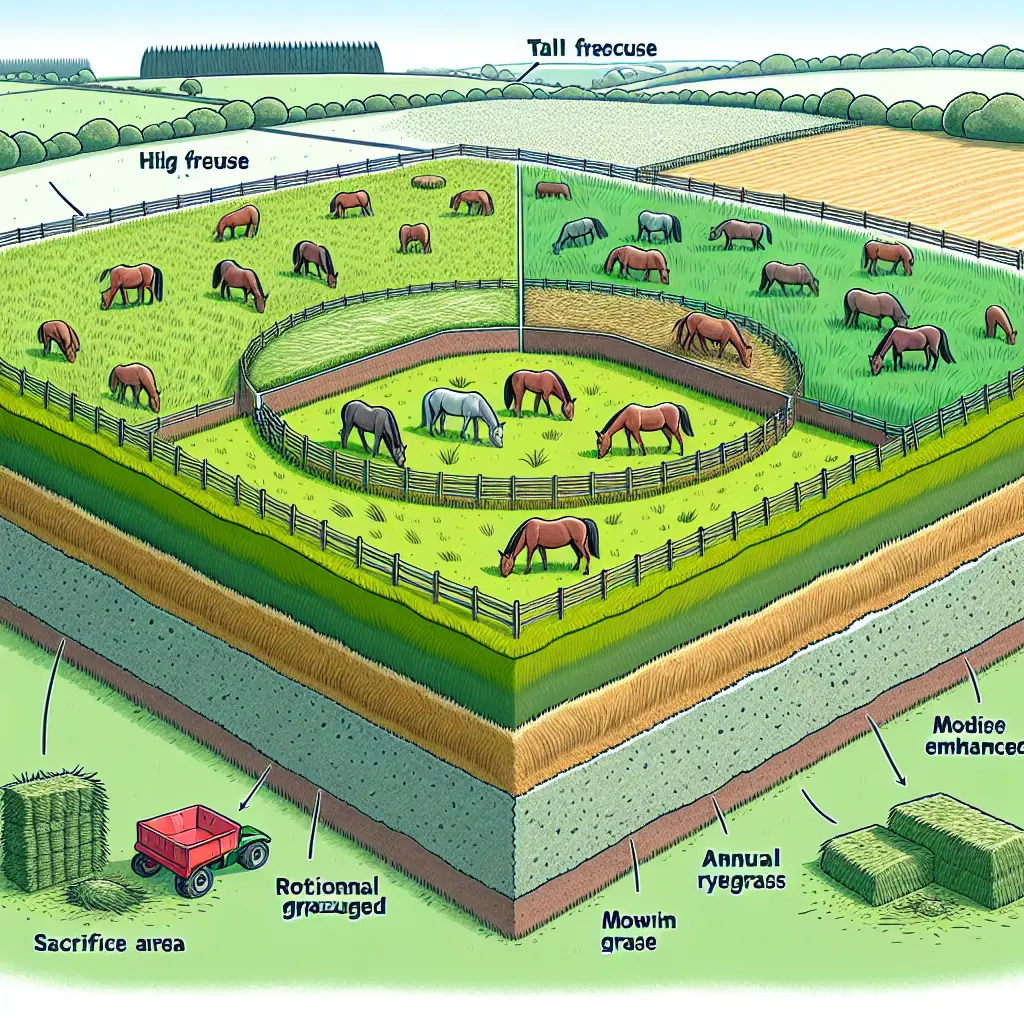
- Tall fescue – deep-rooted and long-lived, excellent for stockpiling
- Bermudagrass – keeps its nutritive value post-frost and endures winter grazing
- Annual ryegrass – suitable for winter grazing
Understanding Grass Nutritive Value
These grasses retain their nutritive quality after a killing frost, unlike delicate species[1]. If you’re planning to graze species like tall fescue or bermudagrass during winter, ensure they dominate your pasture composition before the growing season ends.
Preparing Pastures Before Winter
Proper preparation in late summer and early fall significantly affects your winter management success. Late summer through fall is an ideal time to fertilize cool-season pastures with nitrogen[1]. This ensures grasses have adequate reserves to withstand winter stress.
Evaluating Pasture Composition
Now is the time to assess your pasture composition. If your fields contain species unsuitable for winter grazing, plan to implement your sacrifice area system before the onset of winter weather.
Managing Stocking Rates Throughout the Year
Understanding the seasonal carrying capacity of your pasture is key to preventing excess grass accumulation. Pastures that support 3 horses per acre in spring may barely support half a horse per acre in summer[3].
The Importance of Adjusting Winter Stocking Rates
During winter, grass growth halts, dropping your carrying capacity to near zero on most pastures—a compelling reason to remove horses from your main pastures during winter[3]. The annual stocking rate for horse pastures in temperate climates is typically 1-2 acres per horse, varying significantly by season and management practices.
Rotational Grazing for Winter Success
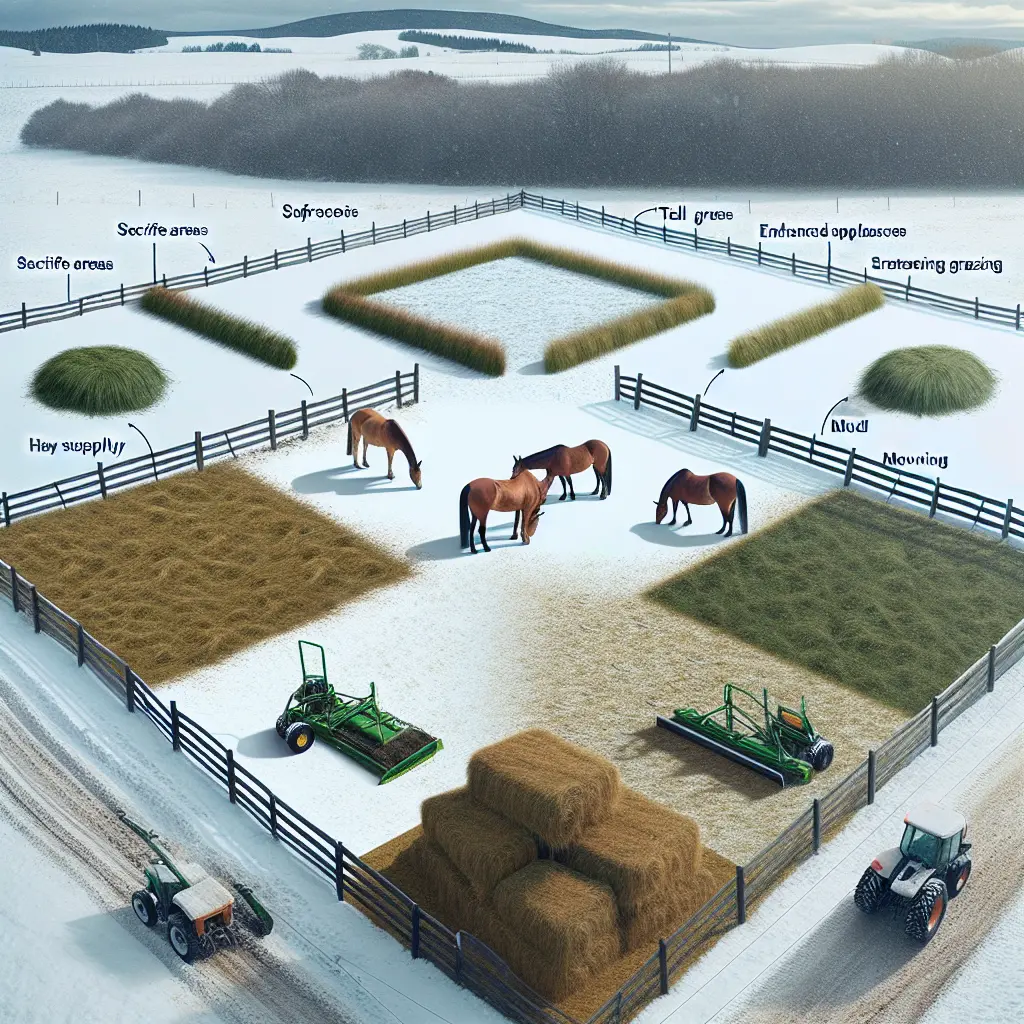
Rotational grazing systems offer significant benefits for effective winter management[4]. By moving horses seasonally through different paddocks, you allow each pasture to recover adequately before winter dormancy sets in.
The Basic Principle of Rotational Grazing
Rotational grazing involves allowing horses to graze when grass is 8-10 inches tall and moving them when grass is grazed to 4-5 inches. Ensuring pastures get adequate rest helps plants to recover before the next grazing cycle[2].
Mowing Excess Winter Growth
If your pasture has excessive grass heading into winter, strategic mowing can be beneficial. Regular mowing encourages plants to replace leaves rather than go to seed, maintains nutritive value, and helps control weeds[2].
Mowing Guidelines
While mowing, avoid cutting tall grass species below 3-4 inches and shorter grass species like Kentucky bluegrass to 2-3 inches[3]. This helps prevent damaging plants and ensures a quicker recovery.
Supplementing with Hay
Even with excellent pasture management, supplementing horses with hay during winter is common[3]. Hay becomes the primary forage source, reducing reliance on dormant pasture while protecting your fields.
Determining Hay Needs
The amount of hay necessary depends on various factors such as individual horse nutritional requirements, pasture quality and quantity available, duration of confinement or restricted grazing, and your region's climate severity.
Spring Recovery: The Critical Window
The efforts you invest in winter management will directly impact your fields’ productivity come spring. Once spring arrives, keep horses off pastures until they’ve recovered to 5-6 inches of growth[2].
Gradual Reintroduction to Spring Grass
When introducing horses to spring grass, do so gradually as spring grasses contain high levels of non-structural carbohydrates (NSC; sugars, starch, fructans) that can trigger laminitis and founder in susceptible horses[2].
Creating Your Winter Management Plan
Effective winter pasture management requires a comprehensive plan initiated during the growing season. To prepare:
- Evaluate grass species in your pastures for winter suitability.
- Designate a sacrifice area before winter arrives.
- Calculate stocking rates based on available acreage and horse numbers.
- Plan hay supplies to meet winter needs.
- Implement rotational grazing in fall to optimize pasture conditions.
- Schedule strategic mowing during fall if excess growth prevails.
Conclusion: Protecting Your Investment
Despite appearances, excess lush grass during winter represents a management challenge needing strategic intervention. By establishing a sacrifice area, selecting appropriate grazing periods for winter-hardy grass species, and supplementing with hay, you effectively protect your pasture investment while maintaining equine health and wellbeing. Minimizing winter traffic on dormant pastures ensures lush, productive grazing returns in spring and summer, offering year-round benefits.