

Introduction
At Just Horse Riders, we understand that horse fitness is crucial for their overall health and performance. Regular canter work is a significant aspect of a horse's fitness routine, offering multiple benefits. However, for horses with respiratory issues, a cautious and informed approach is essential. Let's explore how canter work can be beneficial and how to integrate it safely for horses facing respiratory challenges.
Understanding the Respiratory System of Horses
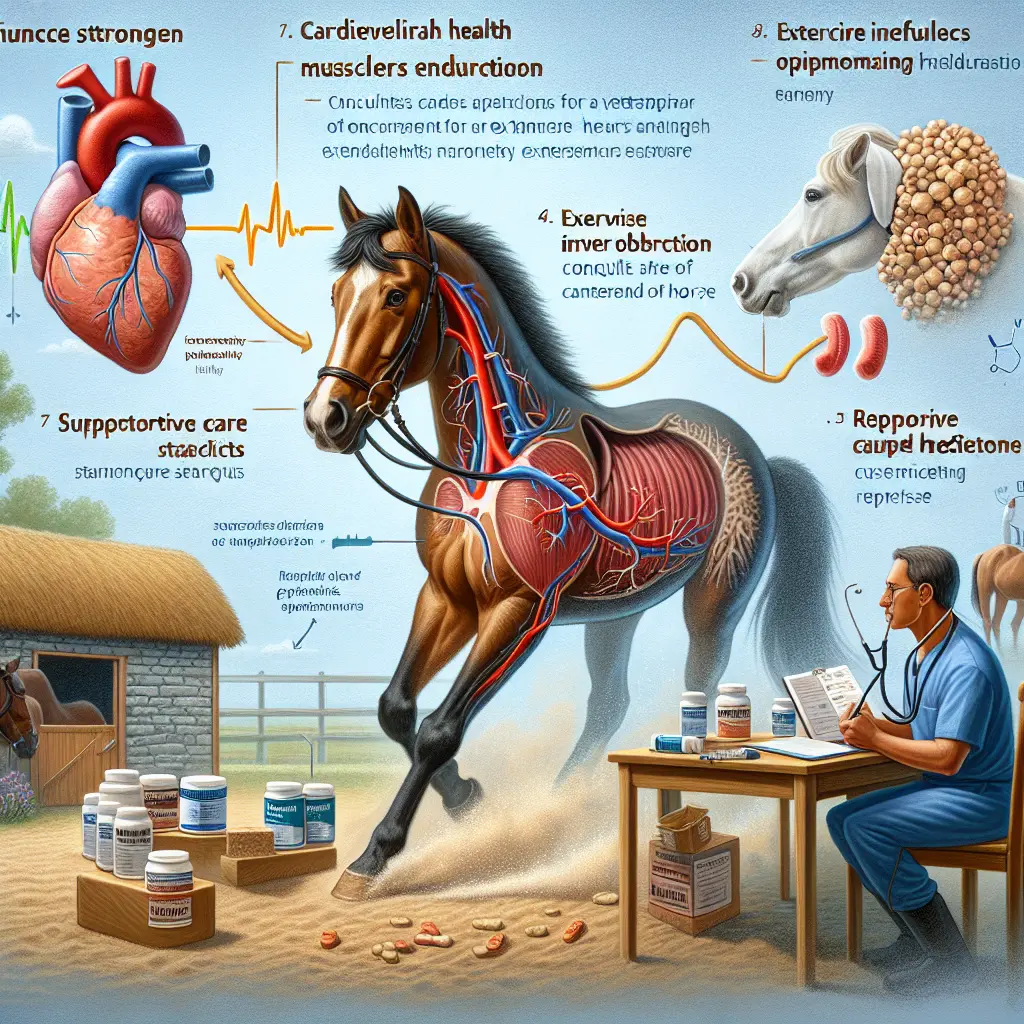
Horses are known for their impressive respiratory systems, designed to support athletic endeavors. When a horse is at a canter, its air intake sees a dramatic tenfold increase, meeting the oxygen demands of its muscles. However, this same system also becomes a bottleneck, with even small issues possibly hindering performance (source).
Benefits of Canter Work for Horses
Improved Cardiovascular Health
Incorporating regular canter work can significantly strengthen your horse's heart, enhancing cardiovascular efficiency and overall endurance. Measurable signs, such as higher speeds before reaching a heart rate of 200 beats per minute, signify improved cardiovascular health (source).
Enhanced Respiratory Efficiency
While demanding, regular canter work can boost your horse’s oxygen uptake and efficiency, improving stamina. Well-conditioned horses demonstrate enhanced respiratory function necessary for prolonged performance (source).
Muscle Strengthening and Endurance
Cantering engages numerous muscle groups, building strength and endurance. This is especially crucial for horses with respiratory issues, as muscular strength can help mitigate the limitations imposed by their conditions.
Improved Recovery Times
Regularly engaged and fit horses will see faster recovery times, quickly returning to resting heart rates post-exercise. For horses with respiratory issues, such rapid recovery can prevent overexertion (source).
Considerations for Horses with Respiratory Issues
Recurrent Airway Obstruction (RAO)
Commonly known as equine asthma, RAO involves allergic reactions to dust and fungal spores, resulting in increased mucus production and airway constriction. Mitigating exposure to these allergens and ensuring optimal stable ventilation can significantly alleviate symptoms (source).
Exercise-Induced Pulmonary Hemorrhage (EIPH)

Seen primarily in racehorses, EIPH is characterized by lung bleeding during strenuous exercise. Causes remain uncertain, but adequate rest and supportive care remain essential for recovery (source).
Integrating Canter Work Safely
Gradual Introduction
Introducing canter work gradually is vital for building endurance without risking overexertion. Begin with short intervals, incrementally increasing session duration and intensity.
Monitoring Respiratory Health
Frequent evaluations of your horse's respiratory function include clinical checks and performance observation. Should indicators like coughing or labored breathing arise, halt exercise immediately.
Environmental Adjustments
Ensuring high air quality in stables can significantly reduce dust and allergen exposure. Utilize dust-reducing bedding, and increase ventilation for optimal respiratory support.
Supportive Care

Consider supplements or medications that enhance respiratory health. Consulting with a veterinarian on options like natural antioxidants is recommended (source).
Conclusion
Regular canter work is invaluable, even for horses managing respiratory conditions. Understanding the benefits and implementing precautions ensures minimal risk while maximizing fitness gains. Consult with a veterinarian to develop an exercise regimen tailored to your horse's needs, ensuring they stay safe and healthy. For more equine fitness solutions, explore our Everyday Horse Vitamins & Supplements at Just Horse Riders!