

Strategies for Conditioning Diverse Horse Breeds: Balancing Nutrition, Exercise, and Care
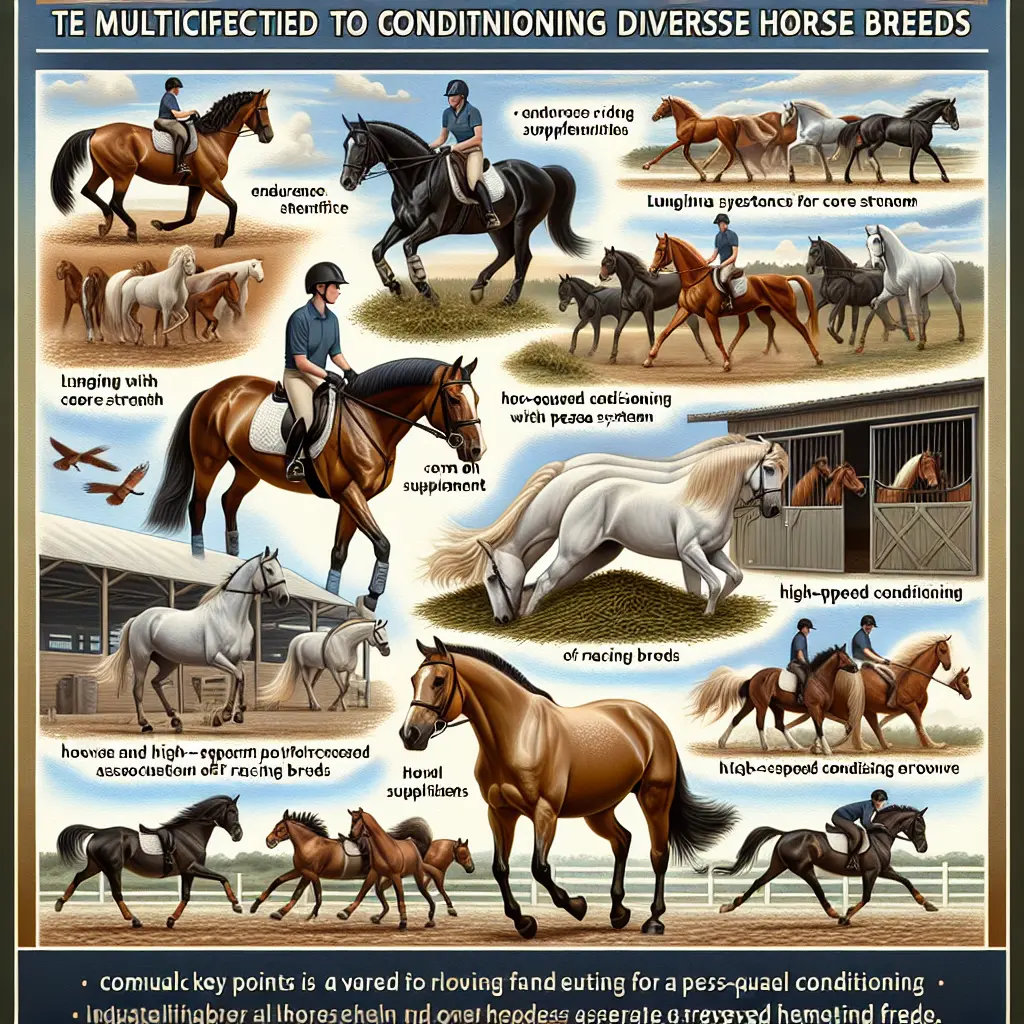
Conditioning a horse involves more than simply hopping on a saddle and going for a gallop. It requires a thoughtful blend of nutrition, exercise, and care. Various horse breeds have unique needs tailored through conditioning for their specific activities—from the endurance challenges faced by desert breeds to the speed demands of racehorses. Let’s delve into strategies that can effectively enhance the physical and mental well-being of horses.
Understanding the Basics of Conditioning
Horse conditioning is a comprehensive, gradual process where exercise intensity and duration are increased progressively. A primary step in the process includes Long, Slow Distance (LSD) training, which plays a significant role in enhancing the horse’s aerobic capacity by promoting ATP (adenosine triphosphate) for energy production. This approach not only builds endurance but also strengthens critical components like muscles, tendons, and ligaments.
Key Principles of Conditioning
- Step-wise Training: Incrementally increase exercise—demanding longer periods and greater intensity so the horse's body adapts without stress.
- Progressive Loading: Especially for horses requiring strength, start with lighter loads and increase incrementally.
Nutrition for Optimal Conditioning
What a horse consumes impacts its overall conditioning. Nutrition is fundamental in providing the necessary energy and nutrients for repair and muscle growth. Here’s what a balanced diet should contain:
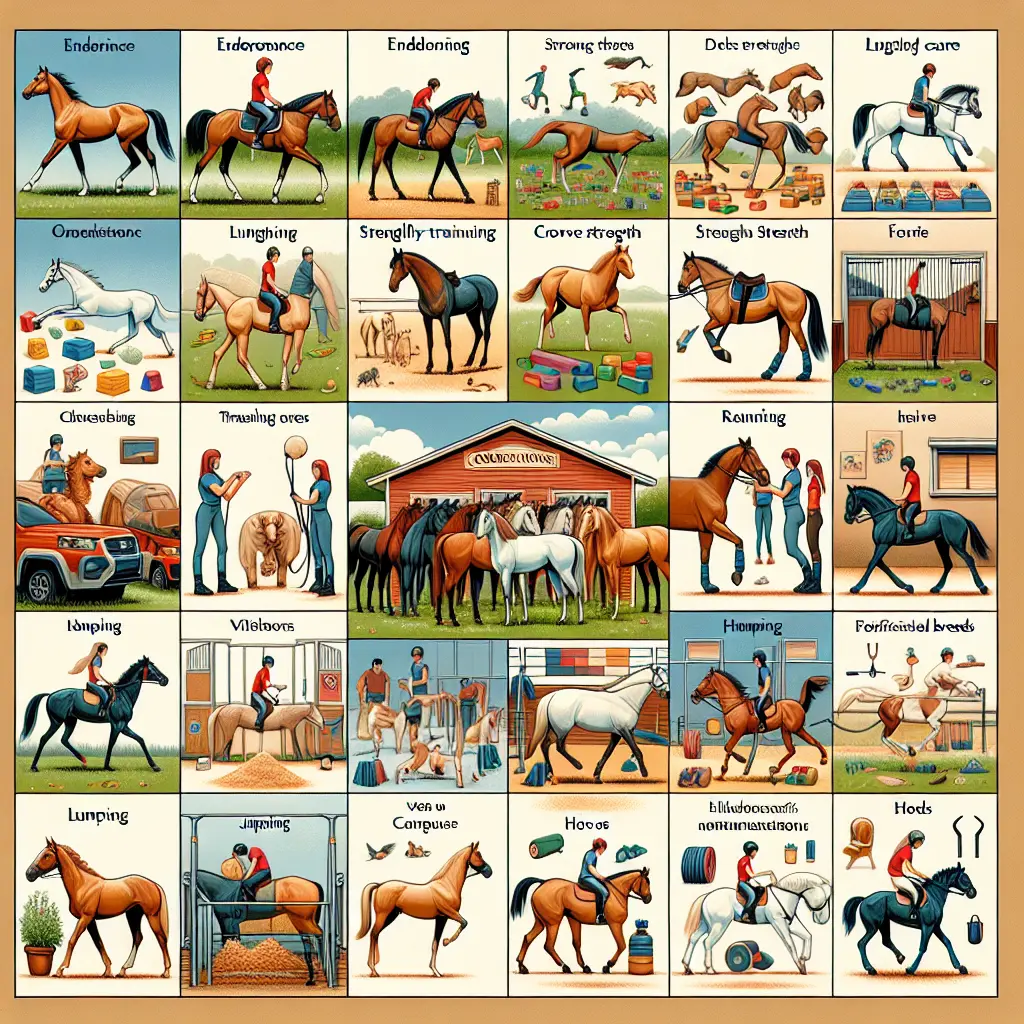
- High-Quality Forage: Essential for fiber intake, hay, and pasture support digestive health.
- Concentrates: Provide energy; grains like oats are beneficial, but be cautious of overfeeding.
- Supplements: Additional vitamins and minerals might be needed if the nutritional profile is insufficient—for advice, consult a veterinarian or equine nutritionist.
Exercise Strategies for Diverse Breeds
Adapting exercise routines to suit a horse's specific breed and discipline is paramount. Different breeds require different forms of exercise:
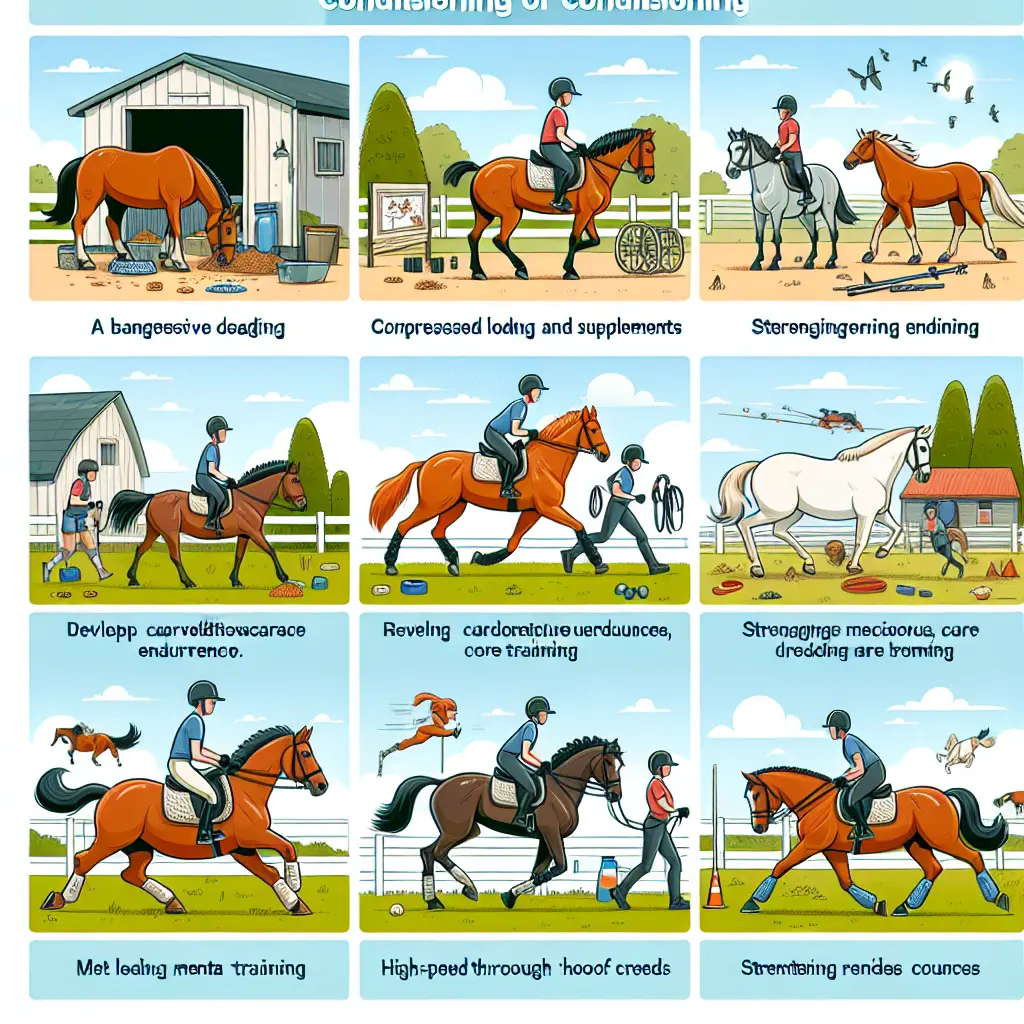
1. Long, Slow Rides
Good for endurance breeds, these rides build aerobic capacity while strengthening joints without excessive strain. Starting with short distances and progressively increasing miles conditions the horse effectively.
2. Lunging with the Pessoa System
This system helps enhance core strength and topline development. It’s especially beneficial for horses that cannot be ridden every day, offering a non-riding exercise solution.
3. High-Speed Conditioning
Essential for race breeds like Thoroughbreds, high-speed conditioning involves interval exercising to boost anaerobic capacity.
4. Skill Training
For breeds participating in specific activities like reining or jumping, integrating skill training maintains physical acuity and mitigates mental fatigue from monotonous routines.
Care and Management
A horse’s well-being is influenced by more than just exercise and nutrition. Proper care and management form the bedrock of maintaining an equine’s overall health.
- Regular Veterinary Check-Ups: Continuous monitoring helps in addressing health issues promptly.
- Proper Hoof Care: Routine trimming and shoeing prevent lameness.
- Stable and Pasture Management: Ensure clean living conditions reduce disease risk factors.
Balancing Conditioning with Mental Well-being
Like humans, horses too can suffer from mental fatigue. Variety in exercise routines with intermittent breaks helps maintain their motivation and desire to perform.
Everyday Essentials for the Horse and Rider
At Just Horse Riders, we carry a range of products to complement your horse's conditioning program, such as our Jodhpur Collection, Horse Riding Boots, and Gloves. Additionally, our selection of Equestrian Supplements ensures your horse receives balanced nutrition to sustain its activity levels.

Conclusion
Effectively conditioning diverse horse breeds involves a careful balance of nutrition, exercise, and care tailored to the specific requirements of each breed. Analyzing and differentiating each breed’s needs allows us to enhance not only their physical but also their mental well-being. By focusing on these strategies, you can help your horse reach its full potential, providing a mutual benefit of performance and joy.