

Maximizing the Benefits of Testosterone Replacement Therapy (TRT): Tips and Pitfalls
In recent years, Testosterone Replacement Therapy (TRT) has surged in popularity among men. Primarily used for addressing low testosterone levels due to aging or hypogonadism, TRT offers a plethora of health benefits when properly managed. This article delves into the advantages of TRT and the critical tips and pitfalls associated with its use.
Understanding the Benefits of TRT
Testosterone is crucial for numerous bodily functions, such as sexual health, mood, muscle mass, and cardiovascular wellbeing. When testosterone levels decrease, it can significantly impact one's quality of life. Fortunately, TRT can restore these levels, reversing many associated symptoms. Let's explore the key benefits:
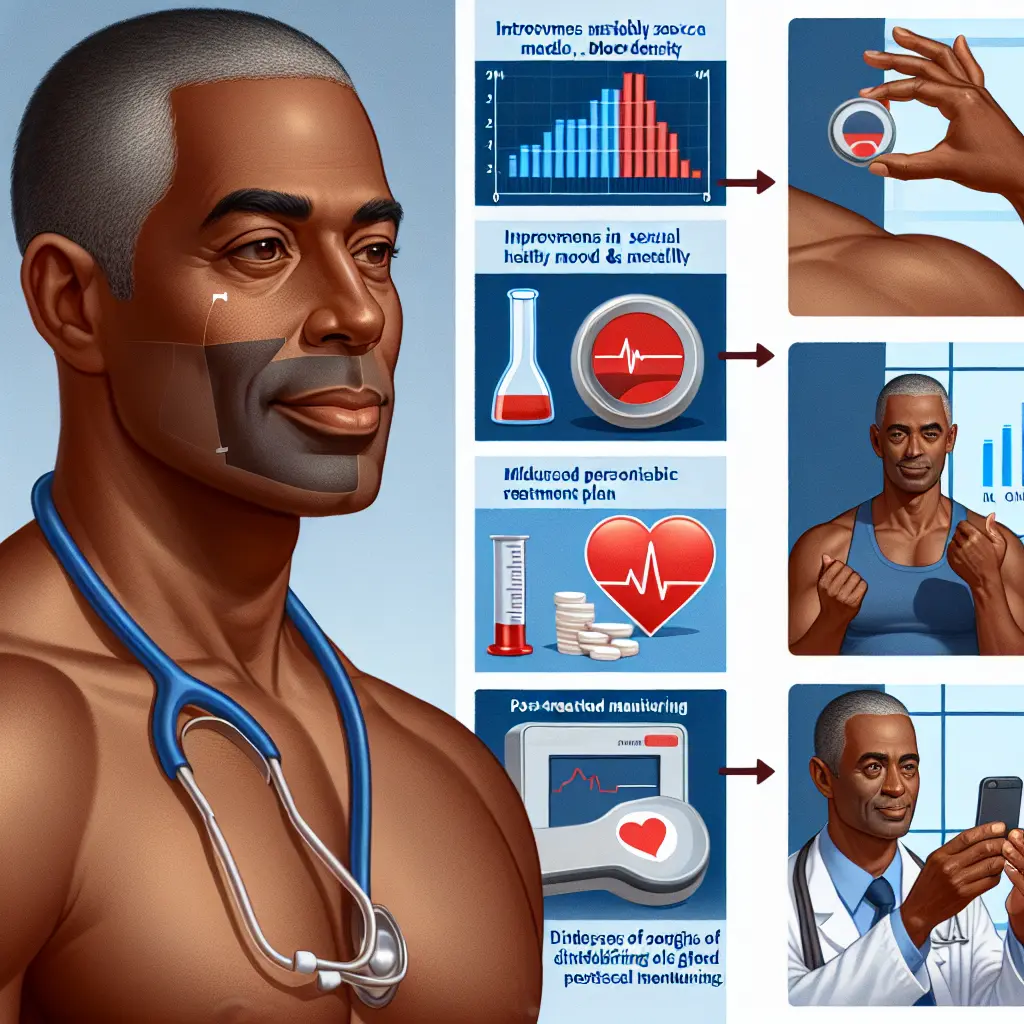
Improved Sexual Function
TRT is widely recognized for its ability to enhance libido and erectile function, leading to increased sexual satisfaction for men with low testosterone [1].
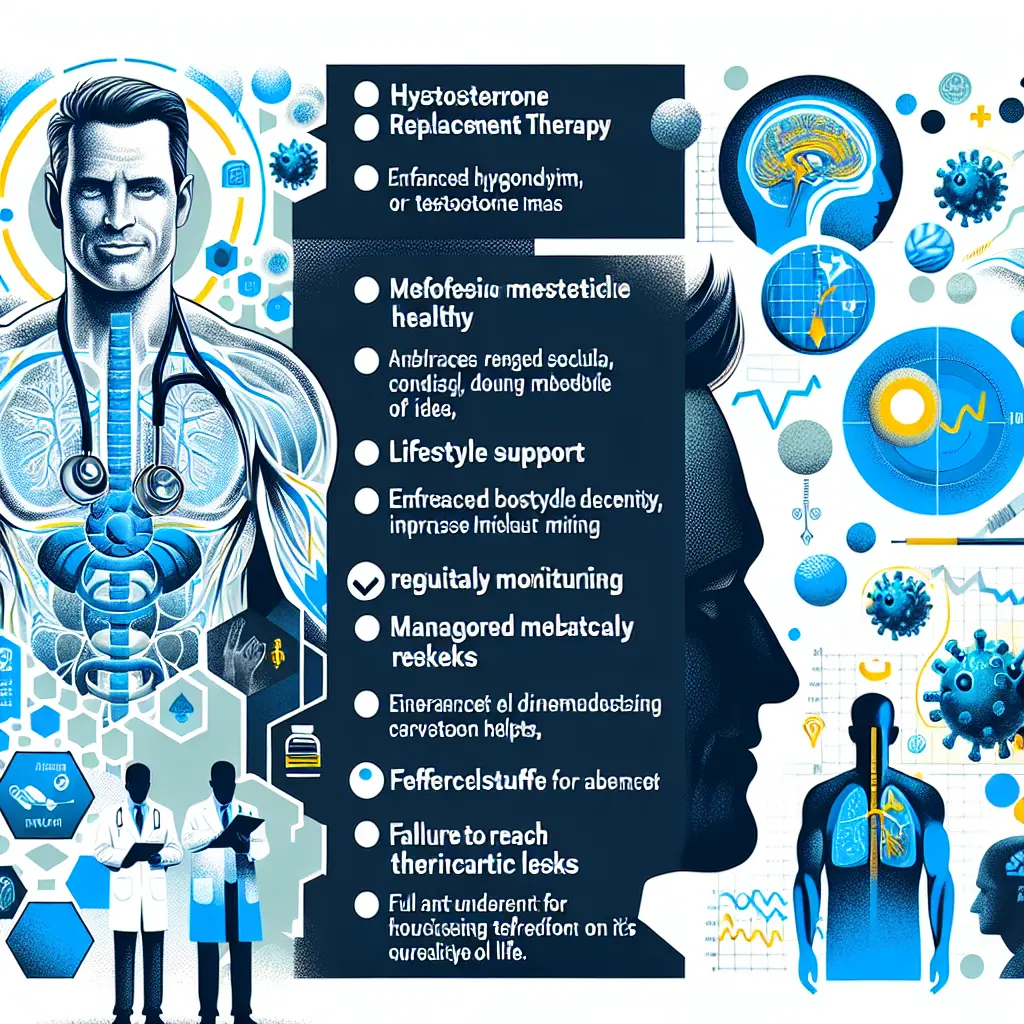
Increased Muscle Mass and Strength
Restoring testosterone levels bolsters lean body mass and muscle strength, thereby enhancing physical performance and body composition [2].
Enhanced Bone Density
TRT has been shown to significantly increase bone mineral density, thus reducing the risk of osteoporosis and fractures [3].
Better Mood and Quality of Life
One of the underrated benefits of TRT is the improvement in mood and overall sense of well-being it provides many men.
Improved Metabolic Parameters
TRT can help improve insulin resistance, reduce fat mass, and decrease cholesterol levels, which potentially lowers cardiovascular risk [4].
Cardiovascular Benefits
Studies have shown that restoring testosterone levels can lead to significantly lower risks of heart attacks and strokes [5].
Tips for Maximizing the Benefits of TRT
Proper Diagnosis and Baseline Testing
Before commencing TRT, confirm hypogonadism through blood tests measuring serum testosterone levels. This ensures therapy is appropriate.
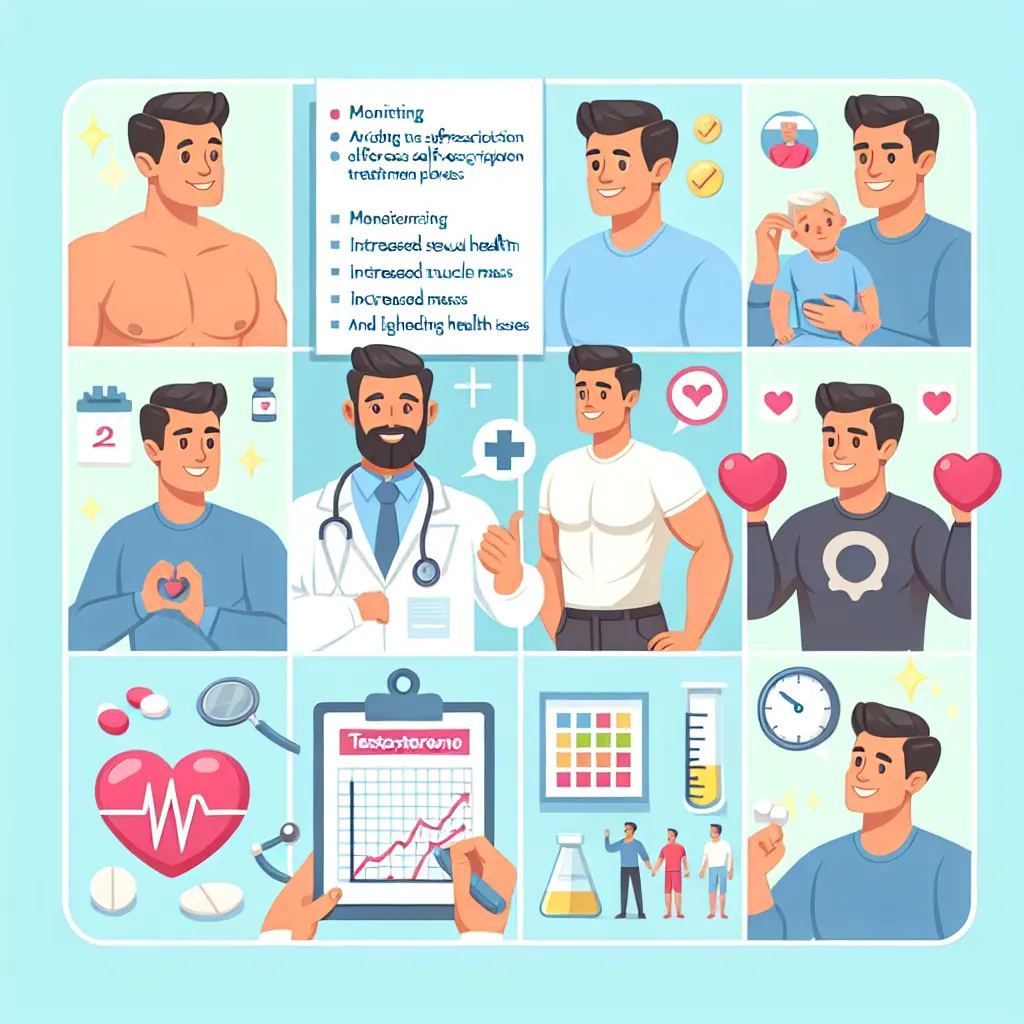
Tailored Treatment Plans
Customize TRT based on age, health status, and individual goals. Modalities include topical gels, injections, patches, or implants.
Aim for Normal Testosterone Levels
The greatest health and risk reduction benefits occur when testosterone levels are restored to normal physiological values.
Monitor Regularly
Regular lab monitoring of testosterone levels and health markers is crucial for optimizing treatment.
Lifestyle Support
Enhance TRT effectiveness by combining it with lifestyle changes like healthy nutrition and regular exercise.

Address Cardiovascular Risks
Since TRT can influence cholesterol and red blood cell production, managing cardiovascular risk factors is key.
Recognize When to Adjust or Stop
If side effects like polycythemia or prostate issues arise, dose adjustments or cessation of therapy might be required.
Common Pitfalls to Avoid During TRT
Ignoring Potential Side Effects
Despite its general safety, TRT can pose risks like erythrocytosis or prostate enlargement. Regular monitoring helps catch these early.
Using TRT Without Medical Supervision
Self-prescribing TRT is dangerous and can lead to incorrect dosing and health risks.
Failing to Reach Therapeutic Levels
Men who do not achieve normal testosterone levels after treatment often miss out on its full benefits.
Overlooking Underlying Causes
Testosterone deficiency may indicate other health issues that need attention alongside TRT.
Neglecting Post-Treatment Monitoring
Lack of follow-up could lead to unresolved complications or unmet therapeutic goals.
Conclusion
Testosterone Replacement Therapy can vastly improve the quality of life for men with low testosterone. Through proper diagnosis, tailored treatment, regular monitoring, and lifestyle adjustments, one can optimize TRT's benefits while minimizing risks. Understanding potential pitfalls can make the journey smoother and more effective.
For more equestrian-related solutions, explore our collections of Jodhpur, Horse Riding Boots, Gloves, and Socks!