

The Dilemma of the Horse Owner: To Sell or Not to Sell?
Owning a horse is often much more than a hobby—it's a lifestyle infused with passion, responsibility, and a significant financial commitment. For many horse owners, the question of whether to sell their horse can be deeply challenging, balancing emotional attachment with practical considerations such as costs, time, and changing personal circumstances.
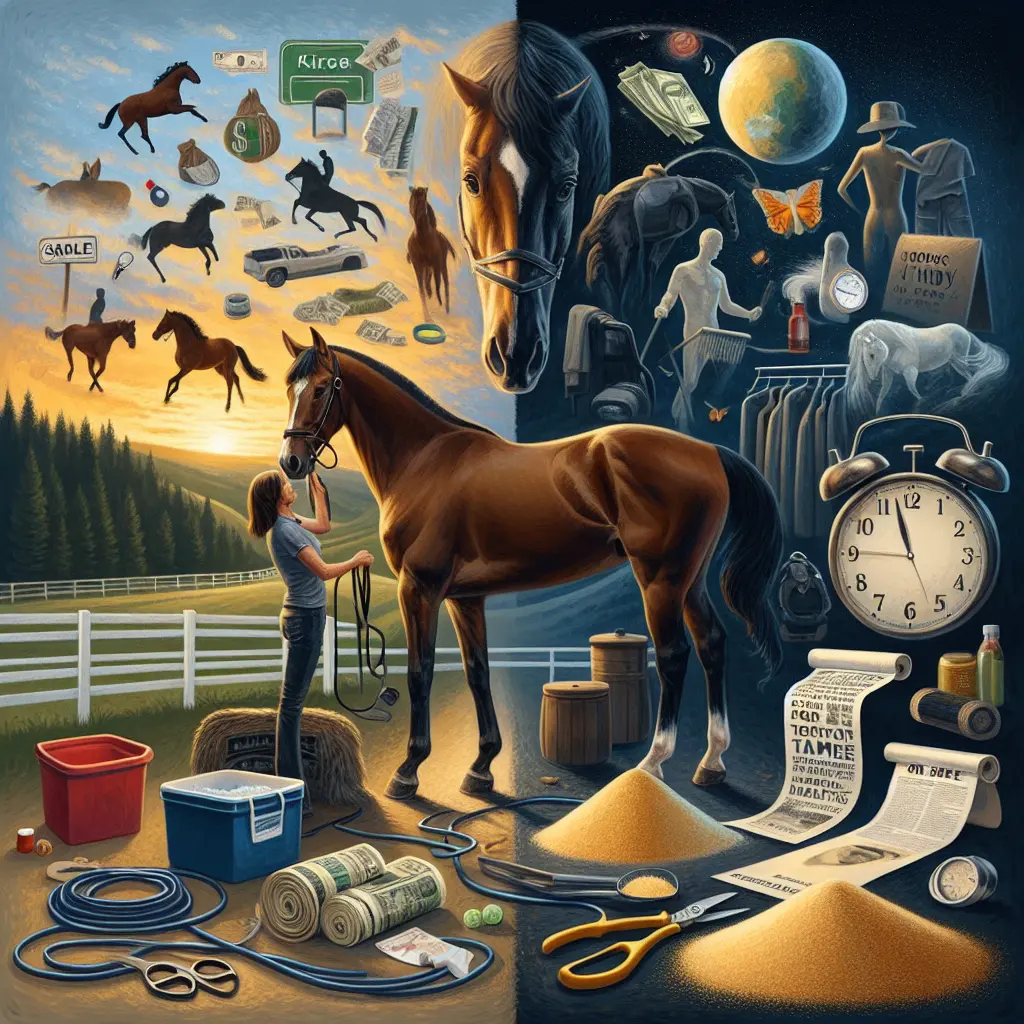
Understanding the Economic and Emotional Stakes
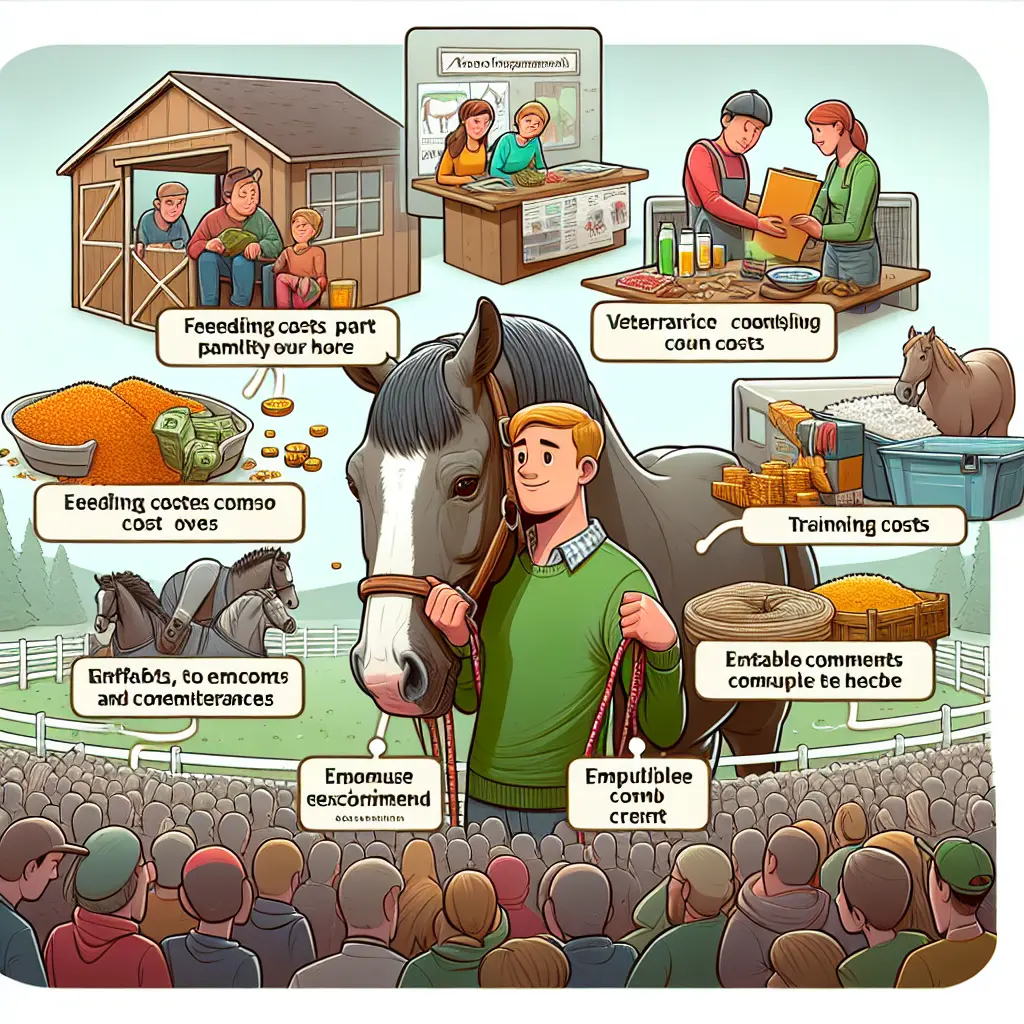
The horse industry is a major economic sector contributing approximately $177 billion to the U.S. economy and supporting 2.2 million jobs, underscoring the scale of investment involved in horse ownership[6]. For owners, costs go beyond the initial purchase price: daily care, feed, vet bills, training, and equipment collectively add up. For example, the North American equestrian equipment market alone was valued at around $904 million in 2024, with a steady growth projection indicating ongoing expenses in gear and supplies[2][3].
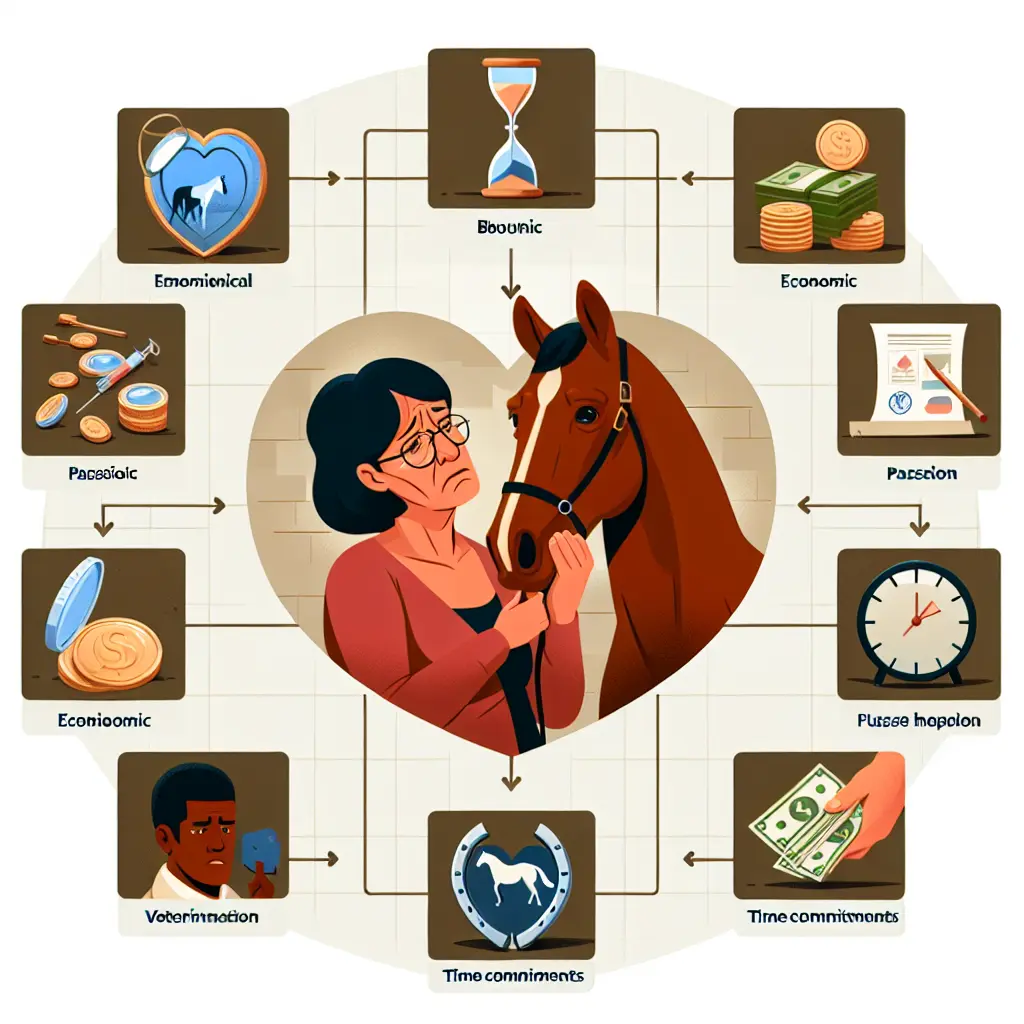
Emotionally, horses often become companions, athletes, and family members all in one. This deep bond complicates decisions about selling, as it can feel like losing a part of one’s identity or routine. The dilemma intensifies when owners face injury, aging horses, financial strain, or shifts in personal priorities such as time availability.
Key Factors to Consider When Deciding to Sell
Financial Viability
Maintaining a horse can cost thousands annually. If the financial burden becomes unsustainable, selling the horse may be prudent. Considering market trends, horse racing and equine sports continue growing globally—horse racing alone is expected to reach a $523 billion market by 2025, maintaining a CAGR (compound annual growth rate) around 8.8%, indicating steady demand and liquidity in horse sales[1]. This could be reassuring for owners worried about finding a buyer.
Time Commitment
Horses require daily care and regular training. If owners’ schedules or health no longer allow adequate time, the welfare of the horse may be compromised. Selling can be a responsible choice if suitable new owners can provide proper attention.
Horse's Health and Age
Aging or injured horses may no longer be capable of active work, affecting their market value and care needs. Owners must balance whether they can continue investing in medical care or prefer transferring responsibility.
Passion and Goals
Owners committed to competing or recreational riding might sell if their interests or goals change. Market growth, especially in equestrian equipment and riding segments, shows broad participation in the sport, but personal circumstances fluctuate[3].
Finding the Right Buyer
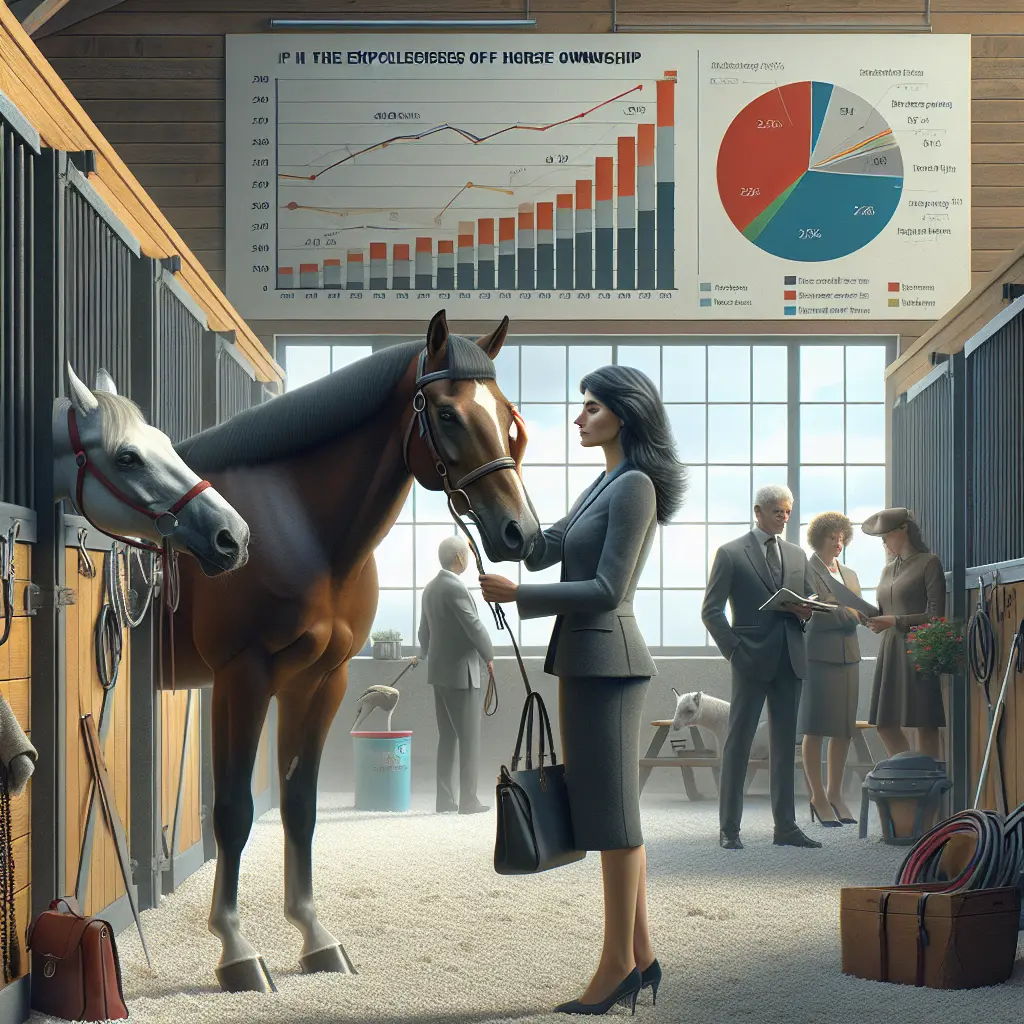
Ethical selling practices prioritize the horse’s future wellbeing. Ensuring the horse goes to a qualified owner interested in proper care is critical.
Facts and Figures Supporting the Owner Decision
Approximately 1.2% of U.S. households own a horse, but 30.5% have horse enthusiasts, indicating a solid community to engage for sales or support[6].
The equestrian equipment market’s steady 4.3% CAGR and the horse racing industry’s strong performance indicate that horse ownership and related industries remain robust and financially active[1][3].
Market regional stability (particularly in North America), cultural interest, and technological advances like online sales and streaming enhance opportunities for selling horses responsibly and efficiently[1][2].
Conclusion
The decision “To Sell or Not to Sell?” is multifaceted. It involves balancing emotional bonds, financial realities, time constraints, and the horse's welfare. While the horse industry shows positive economic trends that may ease selling concerns, owners must carefully assess their situation and prioritize the horse’s quality of life above all.
For those facing this dilemma, consulting local equine professionals, veterinarians, and reputable sales platforms while engaging with the wider horse community can provide guidance and support throughout the process.
This careful approach reflects both the values of horse owners and the responsibility toward these noble animals within a growing, dynamic industry.