

Exploring the Emotional Dilemma: Loaning vs Selling Older Horses
For horse owners, making decisions about the future of an older horse often involves grappling with both practical and deep emotional concerns. Owners are faced with the challenging choice between loaning and selling their beloved equine companions. In this blog post, we will explore the benefits and drawbacks of these options, shedding light on the emotional, ethical, and practical factors that owners must consider.

The Emotional Aspect
Deciding to part ways with an older horse can be an emotionally taxing decision. Horses often become integral to a family, forming lasting bonds with their owners. Many owners describe the experience as heart-wrenching, attesting to the intense emotional connection they share with their horses. A forum discussion on Horse and Hound illustrates the difficulty of contemplating selling a horse that has been part of the family for years[4].
Real-Life Stress of Selling
One owner shared a personal story about feeling sick with anxiety when thinking about selling their horse, a companion for five years, underscoring the anxiety and emotional impact of such a significant decision.
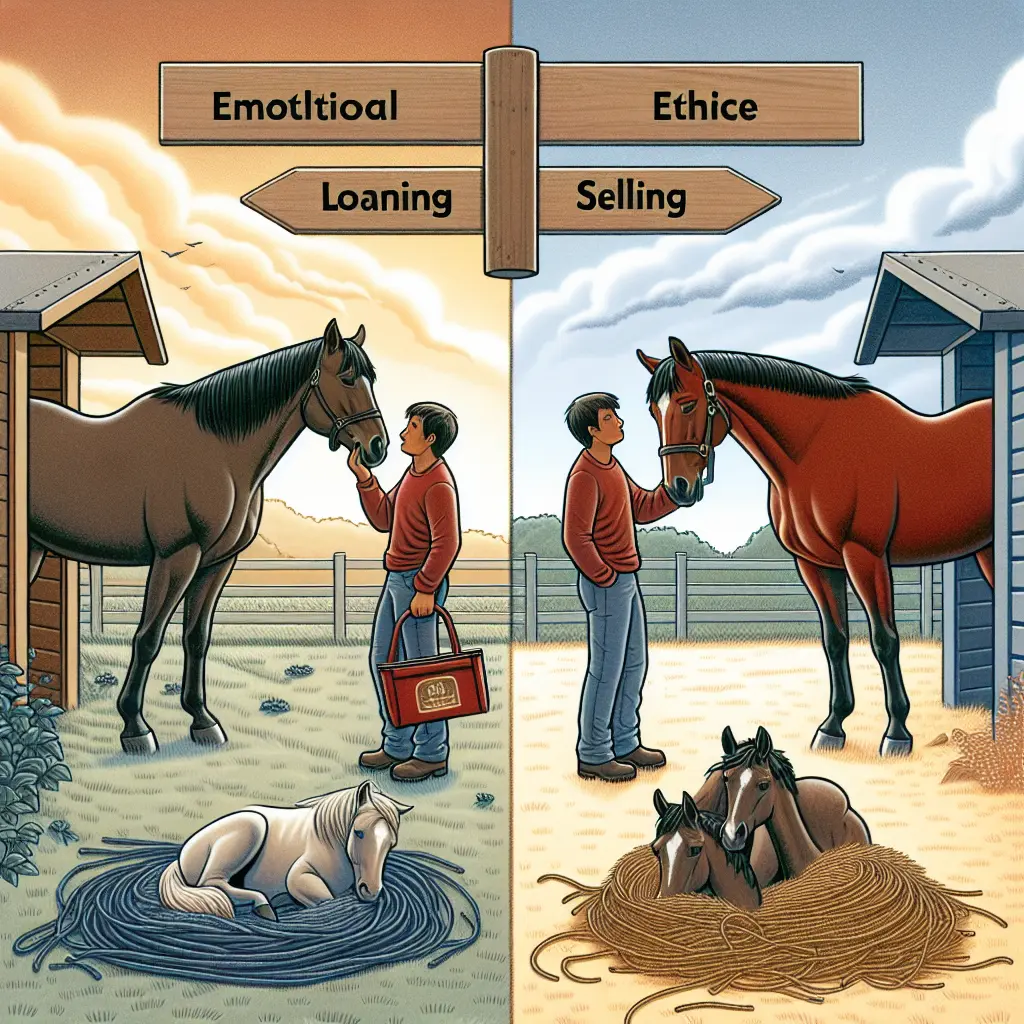
Loaning Older Horses
Loaning an older horse is often considered a less emotionally burdensome alternative to selling. Owners can rest assured about the horse’s welfare while maintaining a connection.
Dylan's Success Story
An inspiring story of horse loaning is that of Dylan, a 19-year-old Warmblood gelding. Still fit and full of life, Dylan found a new temporary home where he stayed active and well-cared-for, while his original owners remained involved[1]. This successful loan emphasizes the continued, active life a loaned horse can enjoy.
Ethical Strong Points of Loaning
Loaning reflects a commitment to the ethical treatment of horses. Some horse advocates argue that selling older horses can be irresponsible, potentially leading to undesirable outcomes such as entering the horsemeat trade. They propose loaning or humane euthanization if necessary, as a means to prevent suffering[2].
Selling Older Horses
Despite being a more permanent solution, selling an older horse includes concerns related to ensuring its future well-being. Owners often express fears about neglect or mistreatment after a sale
Risks of Selling
For instance, a horse owner on The Horse Forum cited previous experiences where sold horses were neglected and died prematurely[5]. This history contributes to hesitation and fear in selling current horses.
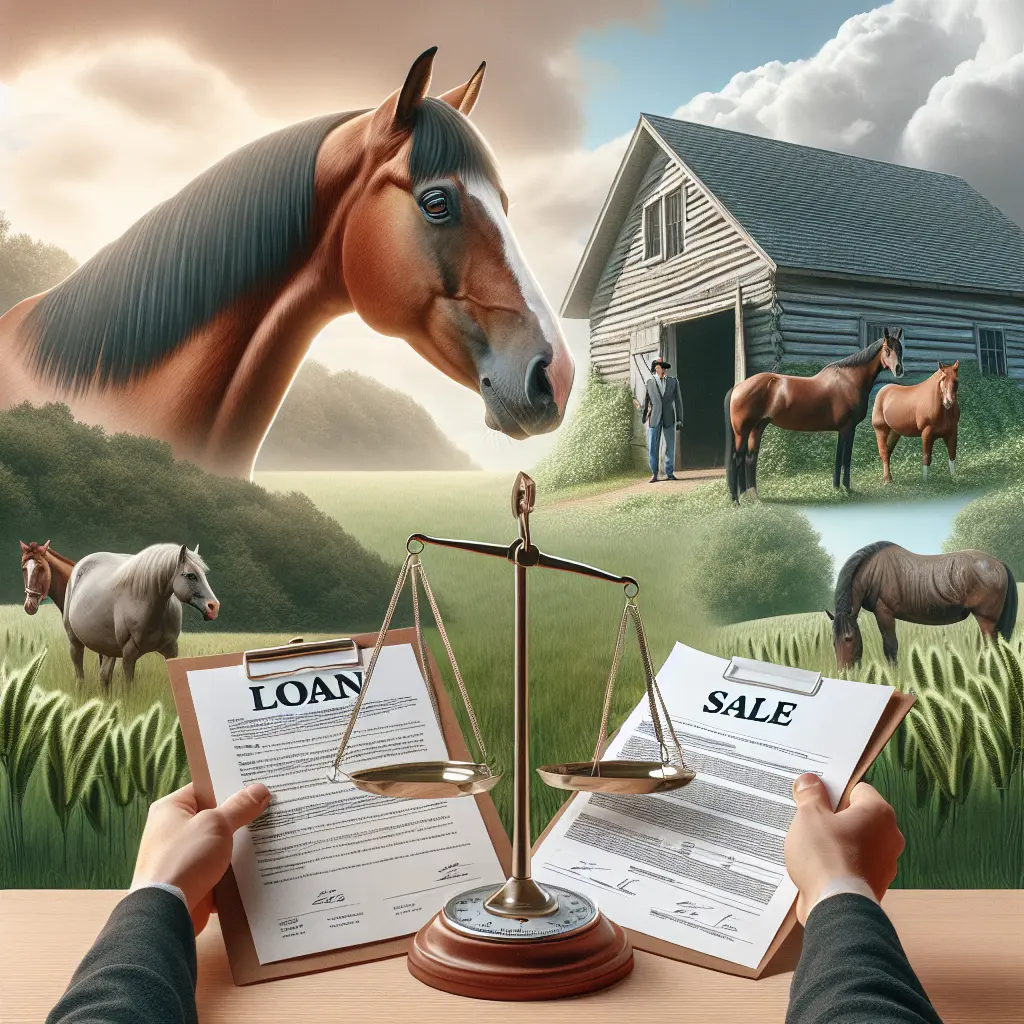
Ensuring a Good Home
When selling, it is essential to thoroughly screen potential buyers. This includes checking their experience, visiting their facilities, and considering a buy-back clause in sale contracts, though they are not legally enforceable, adding another layer of protection[3].
Ethical Considerations
From an ethical standpoint, selling an older horse can feel akin to abandoning a responsibility. Loaning, however, allows the original owner to retain some oversight of the horse’s welfare.
Commitment to Welfare
Advocates for loaning argue that if a horse is healthy but no longer suits its current owner, it should transition to a new home rather than be sold, ensuring it continues to lead a fulfilling and secure life.
Practical Considerations
Practically speaking, loaning might be more sensible for owners facing financial or time constraints. Michelle's choice to loan Dylan allowed her to focus on other commitments while remaining confident in Dylan’s care and activity[1].
Conclusion
The decision to loan or sell an older horse is woven with intricate emotional, ethical, and practical complexities. While loaning represents a means to secure the horse’s continued well-being along with a maintained connection, selling requires extensive due diligence to guarantee future security.
Ultimately, the choice depends on the specific circumstances of both the horse and the owner. By prioritizing the horse's welfare and evaluating all viable options thoughtfully, owners can arrive at a decision that aligns with their personal values and ensures the best outcome for their cherished companions.
To explore more about horse riding equipment, including Jodhpurs, Boots, and Gloves, check out the extensive collection at Just Horse Riders.