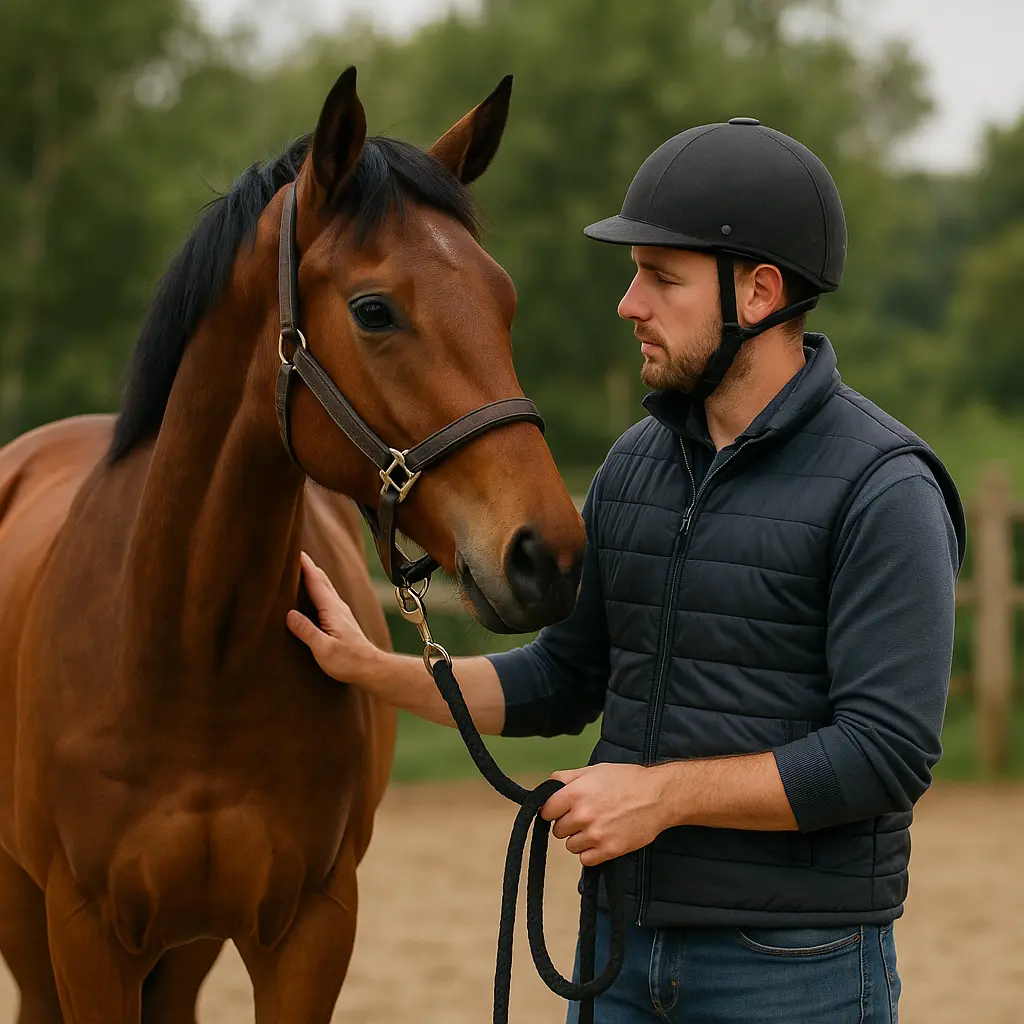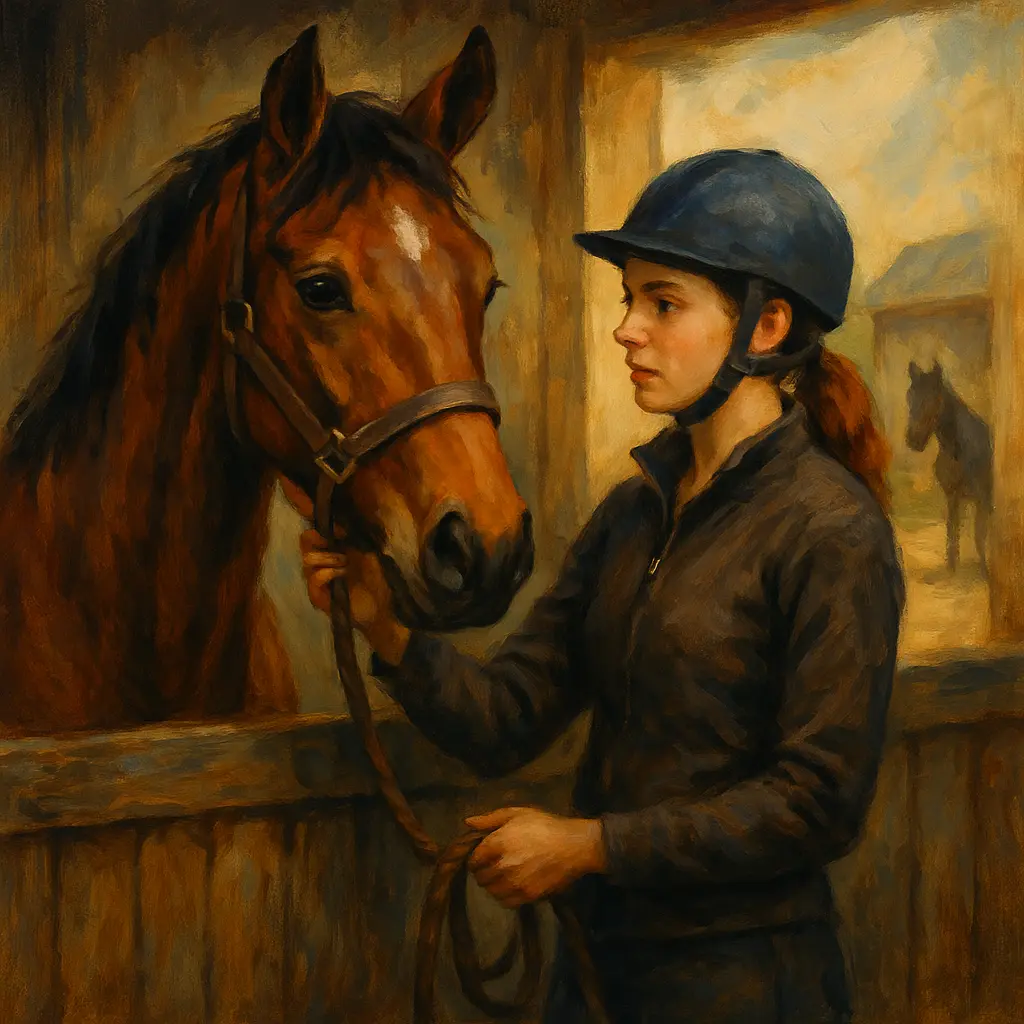
Thinking about taking on a “project horse”? In the UK, that usually means an unbacked or inexperienced youngster that needs backing, handling and steady production — rewarding for the right rider, but risky if you misjudge your skills or budget.
Key takeaway: In the UK, credible routes to project horses start from £800–£1,500 for young Thoroughbreds at racing sales, but only experienced backers should apply — charities like Redwings specifically require it to protect horse welfare and rider safety.
What is a project horse in the UK market?
A UK “project horse” is typically an unbacked or partially backed youngster offered for sale or rehoming with the expectation that the new owner will do the training. You’ll see them listed on platforms like HorseQuest, Horsemart and Preloved, and offered by charities for experienced riders.
On the open market, adverts often read “unbacked,” “lightly started,” or “backing project,” covering everything from 3-year-olds with good paces to older horses needing a restart. UK charities, notably Redwings Horse Sanctuary, run dedicated rehoming routes for capable riders, freeing up space for new rescues and giving suitable youngsters a second chance. The British Horseracing Authority regulates racing sales, where many off-the-track or unraced TBs enter the leisure pipeline and require discipline-specific retraining for riding.
Project horses span mares, geldings and ponies, in all colours from bay to buckskin, and can be aimed at multiple disciplines if their temperament and conformation suit. The common thread is this: the “project” is the training, not just the purchase.
Who should take on an unbacked project horse?
Only riders with proven experience backing or bringing on young or inexperienced horses should take on an unbacked project. UK charities like Redwings require this to meet welfare standards and keep horses and humans safe.
This aligns with the Animal Welfare Act 2006, which expects owners to provide a suitable environment and appropriate handling. Redwings’ message is clear:
“We are seeking potential rehomers who have experience of backing or bringing on inexperienced horses or ponies.” — Redwings Horse Sanctuary (Horse & Hound report)
If you’ve never backed before, work with a qualified coach (look for BHS-accredited professionals) and consider a ridden rehome rather than an unbacked project. For experienced producers, a good project can be a rewarding pathway — but still plan for professional support at milestones like first saddle, first rider up, and first canter under saddle.
Quick tip: If you can’t confidently long-rein, lunge to voice, and safely handle startle responses, you’re not ready for an unbacked project yet.
How much does a UK project horse cost in 2026?
You can realistically source a young Thoroughbred project for £800–£1,500 at UK racing sales. Purpose-bred prospects from private sellers or dealer yards may be more.
This lower purchase price often reflects the training still required — not necessarily a bargain once you factor in backing, professional help, feed, farriery, veterinary work and winter gear. An experienced forum buyer summarised the sales scene bluntly:
“It is very easy to pick up a young TB of reasonable quality for £800–£1500 in the racing sales.” — Horse & Hound Forums contributor (source)
Beyond the initial outlay, budget for essentials many projects need from day one:
- Condition support via targeted nutrition and evidence-led supplements
- Protective horse boots and bandages for groundwork and early schooling
- Weatherproofing with suitable winter turnout rugs (particularly in damp, windy UK conditions)
- Rider safety kit like certified riding helmets for all early sits and hacks
Pro tip: A £1,000 “cheap” buy can quickly become a £3,000–£5,000 first-year commitment once you include livery, vet, farrier, training and gear.
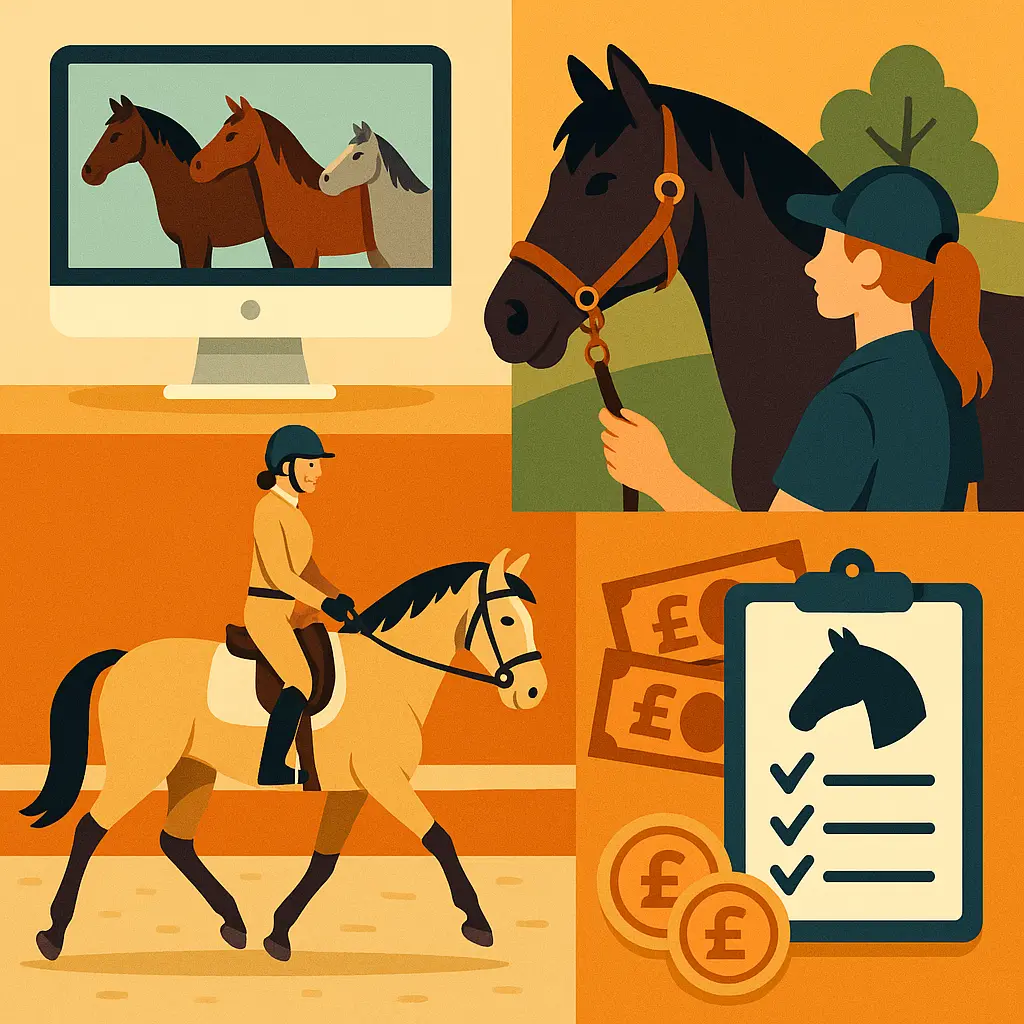
Where can you find project horses ethically?
Ethical routes include reputable sales, specialist platforms (Horsemart, HorseQuest, Preloved) and UK charity rehoming schemes like Redwings’ initiative for unbacked projects. Always prioritise transparency, trials and aftercare support.
For experienced producers, Redwings is leading a rehoming pathway for unbacked youngsters with future backing potential, creating welfare-led matches and freeing space for new rescues:
“We have a number of rescued ponies looking for homes who have the potential to be backed and ridden in future.” — Redwings rehoming team (unbacked project enquiries)
Redwings emphasises trials and suitability checks, and this guardianship-style approach is ideal if you want support without rushing to ownership. For open-market purchases, read adverts critically: look for 3-year-olds with uphill paces and honest temperament notes, and be wary of vague language (“needs experienced home” without reasons).
At the racing sales (regulated by the British Horseracing Authority), remember that even young, unraced TBs may need structured retraining for ridden disciplines — not just “turn out and crack on.” Consider what discipline you want (eventing, showing, hacking) and shop accordingly.
Quick tip: Ask sellers for videos of catching, leading, loading, feet being picked up, and relaxed trot-ups on a straight line — you’ll learn more than from a single “pretty headshot.”
What checks should you do before rehoming or buying?
Arrange a full pre-purchase veterinary examination and assess handling, temperament and movement in-hand before you commit. Cheap projects can hide expensive veterinary or behavioural issues.
Even if a horse “looks fine,” a vetting (ideally with X-rays for higher-value prospects) can uncover heart murmurs, joint changes or subtle lameness. Emaciated rescues can mask conformational weaknesses until they’ve built condition, so baseline weight, body condition score and dental checks are essential. Many owners assemble a basic “pre-purchase kit” of thermometer, stethoscope and weigh tape to monitor temperature, heart rate and condition from day one — your vet can show you how to use them.
Beyond the vetting, do your own due diligence:
- Watch the horse being caught, led, tied, groomed and having all four feet picked up; bring a hoof pick and gloves from your grooming kit.
- See the horse load if the seller says it “loads well.”
- Inspect eyes, skin and limbs; feel for heat, scabs, or pain reactions.
- For older “restart” projects, investigate why they stopped work (injury, behaviour, life change?) and request any history.
If you’re rehoming from Redwings, use their structured assessments and ask about a trial or guardianship period to ensure a good match (scheme details). In all cases, involve a trusted coach or experienced friend to give an objective second opinion.
Pro tip: Have your farrier assess hoof balance early; poor feet can unravel your whole plan. Book your first trim in advance of purchase or rehoming when possible.
What training plan works for backing in UK conditions?
A practical UK backing plan runs 6–12 months, starting with groundwork (2–6 weeks), tack acceptance (2–4 weeks), first rider up (1–2 weeks), and progressive schooling and hacking thereafter. Always adapt to the horse, not the calendar.
UK weather shapes your schedule. Autumn and winter bring wet, slippery surfaces and 0–10°C temperatures — far from ideal for first sits or long-lining on grass. Book a livery with an indoor or well-drained arena, good lighting, and safe turnout. Plan shorter, consistent sessions and prioritise footing.
A sample, horse-first plan:
- Weeks 1–2: Establish catching, leading to voice, personal space, and basic desensitisation (rug, roller, numnah).
- Weeks 2–4: Lunge to voice in a well-fitted cavesson, introduce side reins lightly, add long-reining, and fit bridle and saddle with deliberate, calm sessions.
- Weeks 4–6: First weight (lean over), then first sit with a ground person; walk-halt-walk transitions and steering from the leg and voice.
- Weeks 6–12: Hacking in company, then alone; introduce trot, poles, and basic school figures. Keep sessions short, end on a positive note.
Safety and welfare kit that makes backing smoother:
- Lunge cavesson, roller, lines and lunge whip; boots for the horse from our horse boots & bandages range to protect during schooling.
- Quality, weatherproof layers like turnout rugs to keep muscles warm between sessions.
- Certified riding helmets and high-visibility gear for early hacks: see our hi-vis collection.
- Reliable, hard-wearing brands our customers love, including Weatherbeeta for robust outdoor gear.
At Just Horse Riders, we recommend diarising weekly goals but staying flexible. If the horse shows tension, step back to the last easy step and rebuild. Consistency and kindness train faster than force.
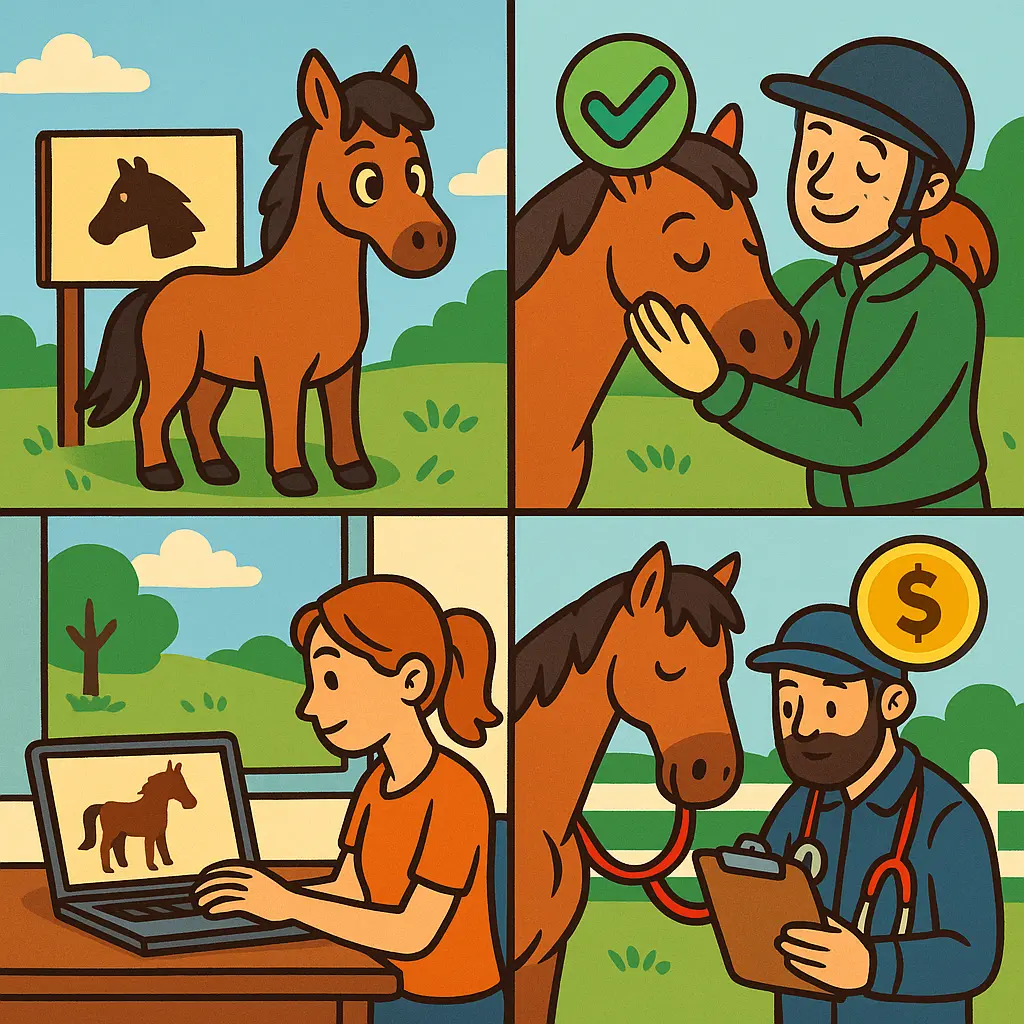
How to budget realistically for your first year
Plan for your initial £800–£1,500 outlay (for a TB at sales) plus several thousand pounds in first-year care, training, and equipment. The cheaper the horse, the more you should reserve for professional help and veterinary contingencies.
Typical first-year costs to map out:
- Livery: DIY to full livery varies widely by region — check local yard rates and ensure winter arena access is included.
- Veterinary: Pre-purchase exam, vaccinations, dentals, worming and a contingency fund; thin or injured projects may front-load costs.
- Farriery: Every 5–7 weeks; even barefoot projects need routine trimming.
- Feed and forage: Ad lib hay/haylage plus tailored feeds; add targeted supplements for topline and recovery as advised by your vet or nutritionist.
- Training support: Budget for lessons and a few pro sessions at critical steps (first sit, first hack alone, first canter).
- Equipment: Safe groundwork kit, basic tack, hoof boots or schooling boots, grooming tools and season-appropriate rugs. Winter often demands at least one medium-weight turnout rug in the UK.
- Rider gear: Gloves, boots, and certified helmets for backing work.
Pro tip: Keep a simple spreadsheet. Record spend against milestones (first hack, first canter, first clinic). You’ll spot where a small investment in coaching saves larger costs later.
Quick tip: Many projects benefit from well-fitting, cushioned saddle pads during early muscle development. Popular technical options in the UK include trusted brands like LeMieux.
Before you take the plunge: If your timeline is tight or you’re hoping to “flip” in under six months, pause. Forum experience suggests results vary and a 6–12 month window is more realistic for welfare-first training and a positive resale outcome. Building a horse correctly takes the time it takes — and shortcuts cost more in the long run.
FAQs
Are unbacked project horses safe for novice owners?
No. Unbacked projects are suitable only for experienced backers. Redwings and other UK charities explicitly require proven experience to protect horse welfare and rider safety (Redwings guidance).
What’s a realistic price for a UK project horse?
Expect £800–£1,500 for a young Thoroughbred of reasonable quality at racing sales, with purpose-bred or sports-bred prospects often higher. Remember, training and care can exceed the purchase price quickly (Horse & Hound forum).
Can I rehome rather than buy to test suitability?
Yes. Redwings runs a first-of-its-kind route to place unbacked projects with capable homes, often with structured assessments and support — an excellent way to ensure a good match (initiative report, scheme page).
What gear do I need to start backing safely?
A well-fitted lunge cavesson, lines, roller, lunge whip, boots for the horse, a certified riding helmet for you, and weather-appropriate turnout rugs. For early roadwork or hacks, add hi-vis for visibility in low winter light.
What health checks are essential for low-price projects?
A full pre-purchase exam, dental check, worming plan, and baseline weight/condition assessment. Rescues that arrive emaciated may need a careful refeeding plan and targeted supplements under veterinary guidance.
When is the best time of year to start backing in the UK?
Spring and early summer are ideal for footing and daylight. If you start in autumn/winter (often 0–10°C and wet), secure an indoor or well-drained arena and adjust session length to conditions.
Can project horses be flipped for profit?
Sometimes, but outcomes are mixed. Success depends on your skills, the horse’s temperament and conformation, and a realistic 6–12 month plan. Avoid impulse buys and budget for professional input when needed (forum experience).