

Is Your Horse's Snack Habit Putting Them at Risk? Understanding the Dangers of Oak Leaves and Acorns in Equine Diets
Horses are naturally curious creatures that love to explore their environment. However, what might seem like an innocent snack—acorns or oak leaves—can lead to severe health issues owing to the presence of toxic tannins in these plant parts. Although acorn poisoning is rare due to their bitter taste, incidents peak in autumn when oak trees shed large quantities, posing risks of digestive upset, kidney damage, and even death if consumed in large quantities.
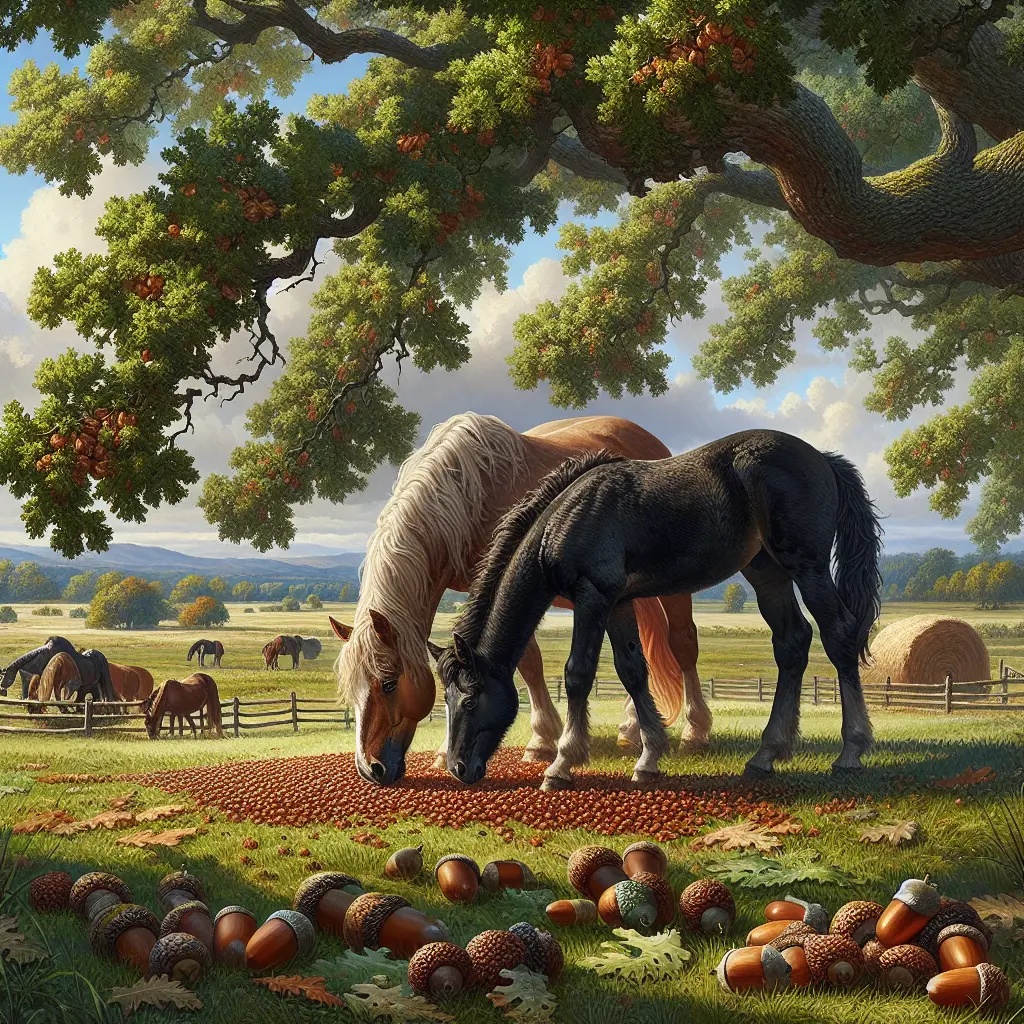
Why Acorns and Oak Leaves Appeal to Horses (But Shouldn't)
Oak trees are commonplace in many pastures, and their nuts (acorns), leaves, and buds drop heavily from September through November. While most horses might nibble a few with no issues, some develop a taste for them, seeking them out even when better forage is available. Anecdotal accounts even describe this as an almost addictive behavior in certain horses.
The risk increases when:
- Pastures are overgrazed or forage is scarce due to hot summers or snow cover.
- Storms cause heavy acorn falls.
- Horses are bored or lack ample hay and grass options.
Toxicity Levels and Exposure
All oak varieties are toxic, with green acorns (unripe), new buds, and young spring leaves being the most hazardous due to elevated tannin levels. Although mature fallen acorns and autumn leaves generate less risk, they still present dangers if ingested in significant amounts.
The Science Behind the Danger: Tannins Explained Simply
Tannins are natural compounds found in acorns, oak leaves, and other plant parts that bind with proteins in a horse's digestive tract and gut bacteria. This interaction damages intestinal cells and produces toxic byproducts harmful to the kidneys and sometimes the liver.
Horses lack the saliva proteins that other animals, such as pigs or deer, use to neutralize tannins, making them more vulnerable. A horse requires consistent consumption of acorns over several days or weeks—not just a handful—to manifest severe effects. However, the precise quantity leading to toxicity varies between individuals, and no "safe" quantity exists, emphasizing prevention.
Spotting the Signs: Early Warning Symptoms
Acorn poisoning in horses develops gradually. Be vigilant for these progressive symptoms, typically starting 1-2 weeks after significant exposure:
- Depression and loss of appetite (inappetence).
- Colic-like pain, which doesn't respond well to painkillers.
- Diarrhea, potentially watery, hemorrhagic (bloody), or dark.
- Ventral edema (swelling under the belly).
- Straining to urinate with red-brown urine (indicative of kidney damage).
In severe cases, horses can suffer organ failure, dehydration, or even death. Without prompt treatment, affected horses might necessitate weeks of intensive care, including IV fluids, plasma transfusions, and antibiotics.
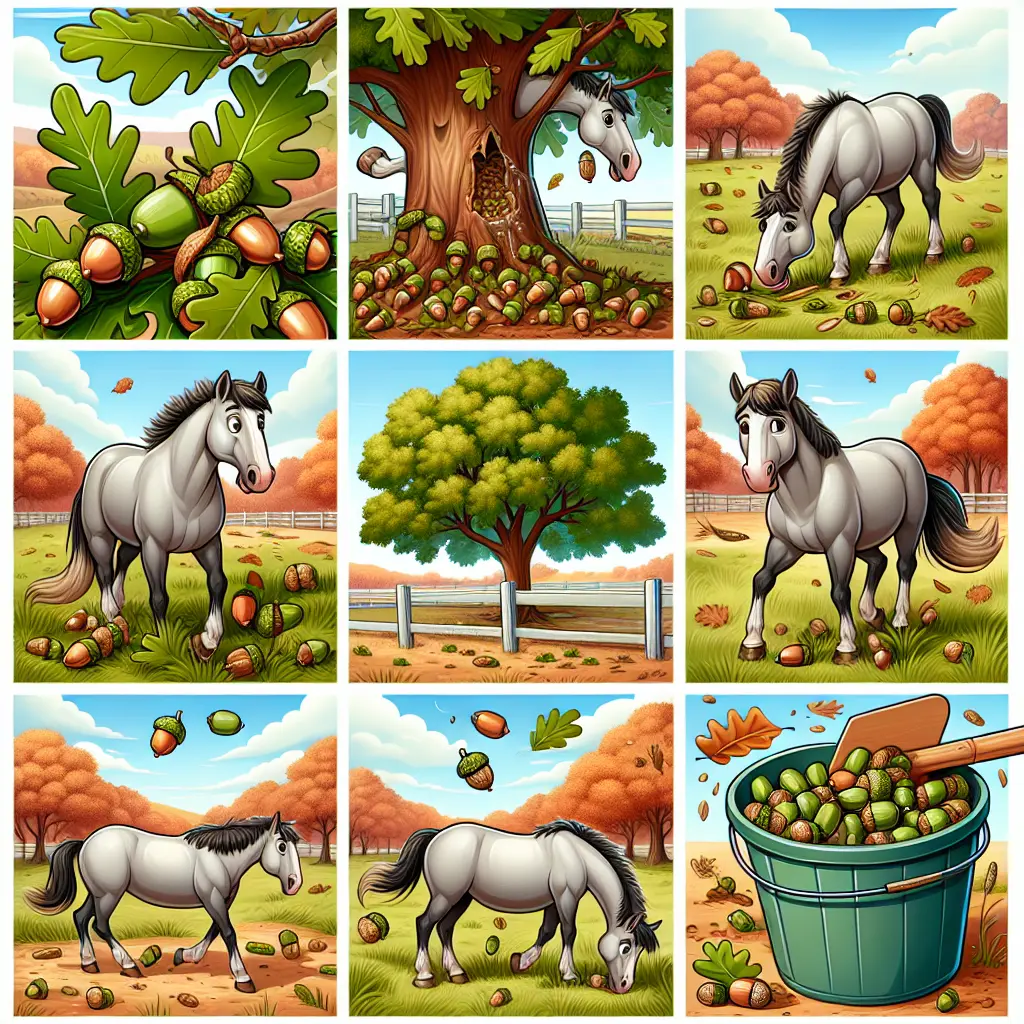
Real-World Data: How Common Is This Problem?
Acorn poisoning remains relatively rare in horses—most steer clear of the bitter taste unless forced by circumstance. However, the UK's New Forest is an exception, where acorn-related deaths among the approximately 3,000 semi-feral ponies averaged 17 per year over a decade, skyrocketing to 69 in 2013 due to a bumper acorn crop.
Incidences also rise in "mast years," when oak trees produce exceptionally large numbers of acorns. Veterinary reports also indicate increased diagnoses in horses, in addition to commonality in sheep and cattle, pointing to seasonal hotspots, particularly in oak-abundant regions.
Prevention: Simple Steps to Protect Your Horse
To safeguard your horse, consider the following practical advice, frequently recommended by experts:
- Rake up acorns daily during peak autumn drop and remove them from pasture entirely, if feasible. It takes some effort, but it's effective in removing temptation.
- Fence off oak trees or trim branches to limit access to buds and leaves. This requires a one-time, high-effort intervention.
- Ensure the availability of ample hay, grass, or forage—bored or hungry horses are at greatest risk.
- Monitor high-risk periods, such as autumn drops and spring buds; inspect fields prior to turnout.
- Diversify pastures by rotating fields to avert overgrazing.
| Prevention Method | Why It Works | Effort Level |
|---|---|---|
| Daily raking | Removes temptation before overeating | Medium |
| Ample hay/forage | Discourages seeking acorns | Low |
| Fencing oaks | Blocks access to all toxic parts | High (one-time) |
| Pasture rotation | Prevents forage scarcity | Medium |
What to Do If You Suspect Poisoning
Prompt action is crucial—contact your vet without delay if symptoms occur. Diagnosis will involve an assessment of the horse's history of oak exposure, blood tests for kidney function, and urine checks.
Treatment emphasizes supportive care:
- IV fluids to assist kidney function.
- Medications to manage colic, diarrhea, and dehydration.
- Hospitalization for severe cases, although many recover with timely intervention.
Early intervention significantly improves prognosis; delays risk permanent damage.
Conclusion: Final Thoughts for Horse Owners
Your horse's curiosity can be charming, but it's important to remember that acorns and oak leaves aren't worth the risk. Taking proactive steps like raking and ensuring good forage management can prevent nearly all cases of poisoning. Stay vigilant during the autumn season, and consult your vet for insights regarding local oak prevalence. By understanding these dangers, you are poised to protect your equine partner's health and happiness.
Remember to check out the Jodhpur, Boots, Gloves, and Socks collections for your riding needs!