

How to Manage Overactive Horses during Seasonal Changes: Tips for Protecting Your Fields
Seasonal changes can stir quite a commotion in the equestrian world. As a horse owner, you may notice your beloved equine friends become overactive during these times, which not only affects their well-being but can also wreak havoc on your fields. This guide is here to help you understand the nuances of horse behavior during seasonal transitions and provide concrete strategies to maintain the health of your lands.
Why Do Horses Become Overactive at Certain Times of Year?
Horses have an acute sensitivity to environmental changes and these shifts affect their circadian rhythms, which regulate feeding, activity, and hormonal cycles. During the transition into autumn, shorter days may trigger increased restlessness. 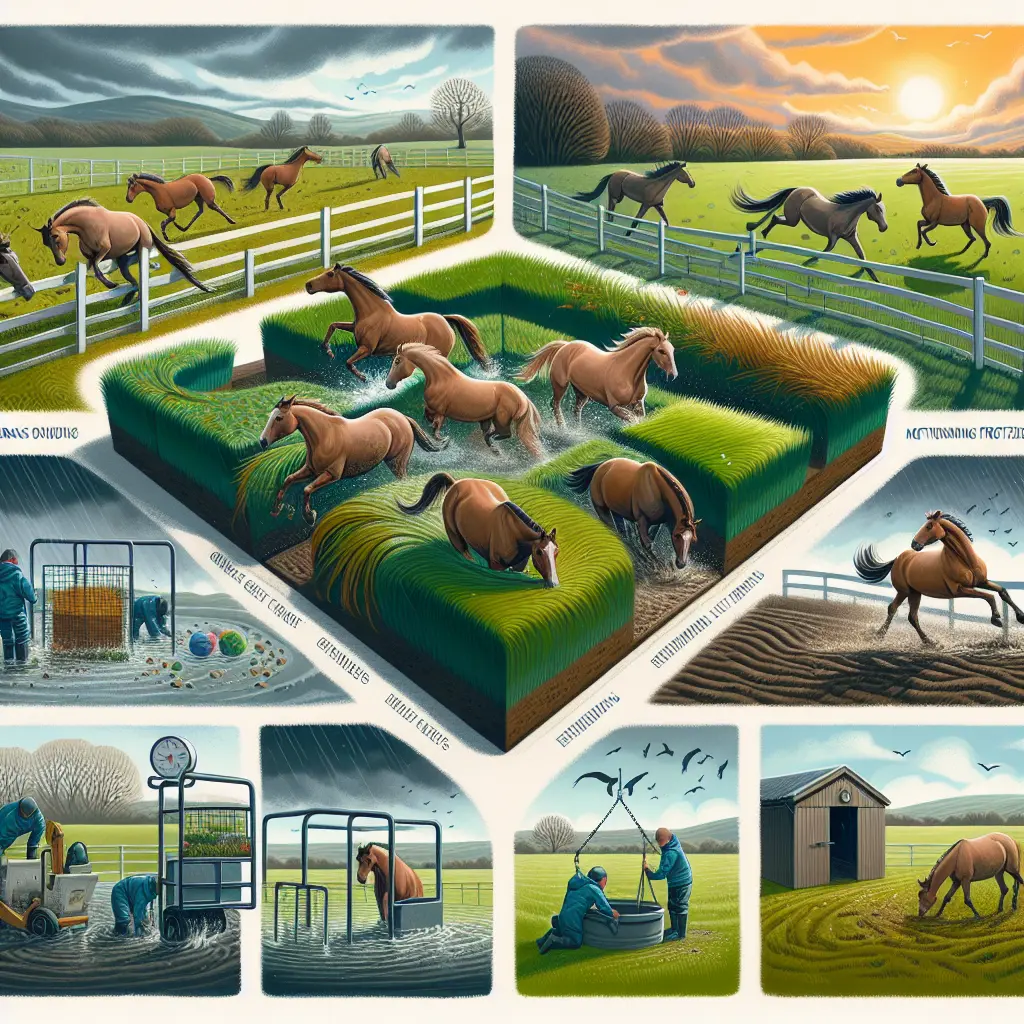 As temperatures drop, horses expend additional energy to maintain warmth, leading to more movement [1].
Increased Daylight and Activity
Research suggests that horses are most active around spring's vernal equinox. However, even a shift from summer to autumn can energize younger or naturally spirited horses [2].
Temperature Fluctuations
In colder months, horses may engage in playful behavior to generate warmth, which can quickly damage pasture areas, particularly if they are already stressed by environmental conditions [3].
Reproductive Cycles
Mares enter heat cycles dictated by the seasons, potentially becoming more difficult to manage due to hormonal changes influencing behavior [4].
The Impact on Your Fields
Overactive horses can lead to several issues in pasture management:
Grass Damage
Exuberant play and increased movement can compact soil and damage the grass sward, impacting regrowth and reducing nutritional quality.
Muddy Conditions
Constant hoof activity in specific areas can quickly lead to muddy conditions, complicating drainage and elevating health risks for horses.
Pasture Overgrazing
The enthusiastic energy of a horse during seasonal changes may lead them to graze inefficiently, focusing on some fields while ignoring others, leading to unevenly grazed fields [5].
How to Protect Your Fields While Managing Horse Activity
1. Rotational Grazing and Field Rotation
Rotational grazing involves shifting horses to different paddocks to allow grass recovery. This strategy minimizes overgrazing by improving sward height and overall field health [6].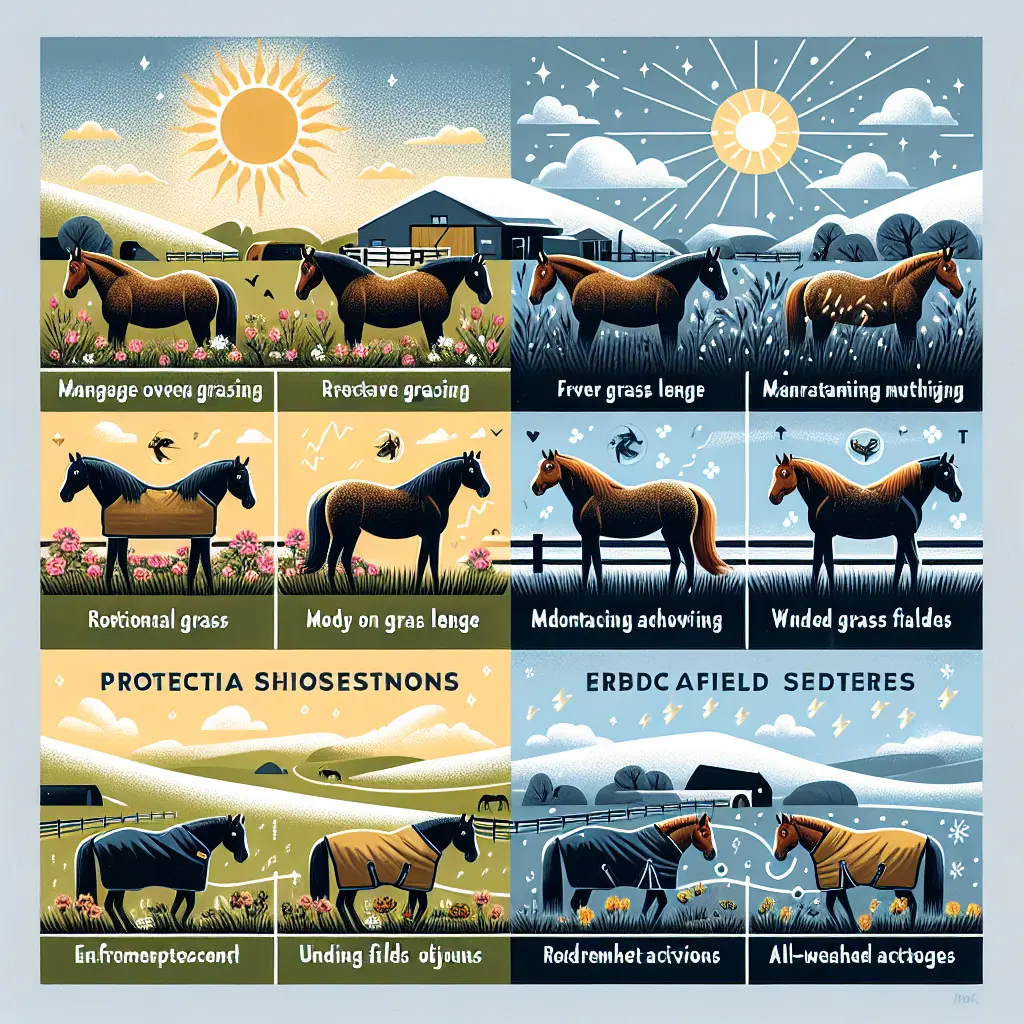
2. Monitor Grass Length
Maintain sward height above 5 cm (approximately 2 inches) for sustainable grazing. Regular monitoring prevents degradation and supports higher nutritional quality.
3. Adjust Feeding and Exercise Routines
To counteract increased energy needs in colder seasons, supplement horse diets with quality hay and ensure structured exercise sessions to mitigate field damage.
4. Provide Shelter and Enrichment
Windbreaks and run-in sheds encourage rest and reduce unnecessary activity. Meanwhile, slow feeders and obstacle courses can stimulate horses mentally, minimizing destructiveness in fields.
5. Use of All-Weather Paddocks
Designating specific areas for activity, especially during wet seasons, reduces the pressure on primary grazing fields, maintaining their longevity and usability.
6. Regular Field Maintenance
Fill and reseed any damaged patches, aerate compacted areas, and improve drainage with gravel or sand to limit muddy conditions [7].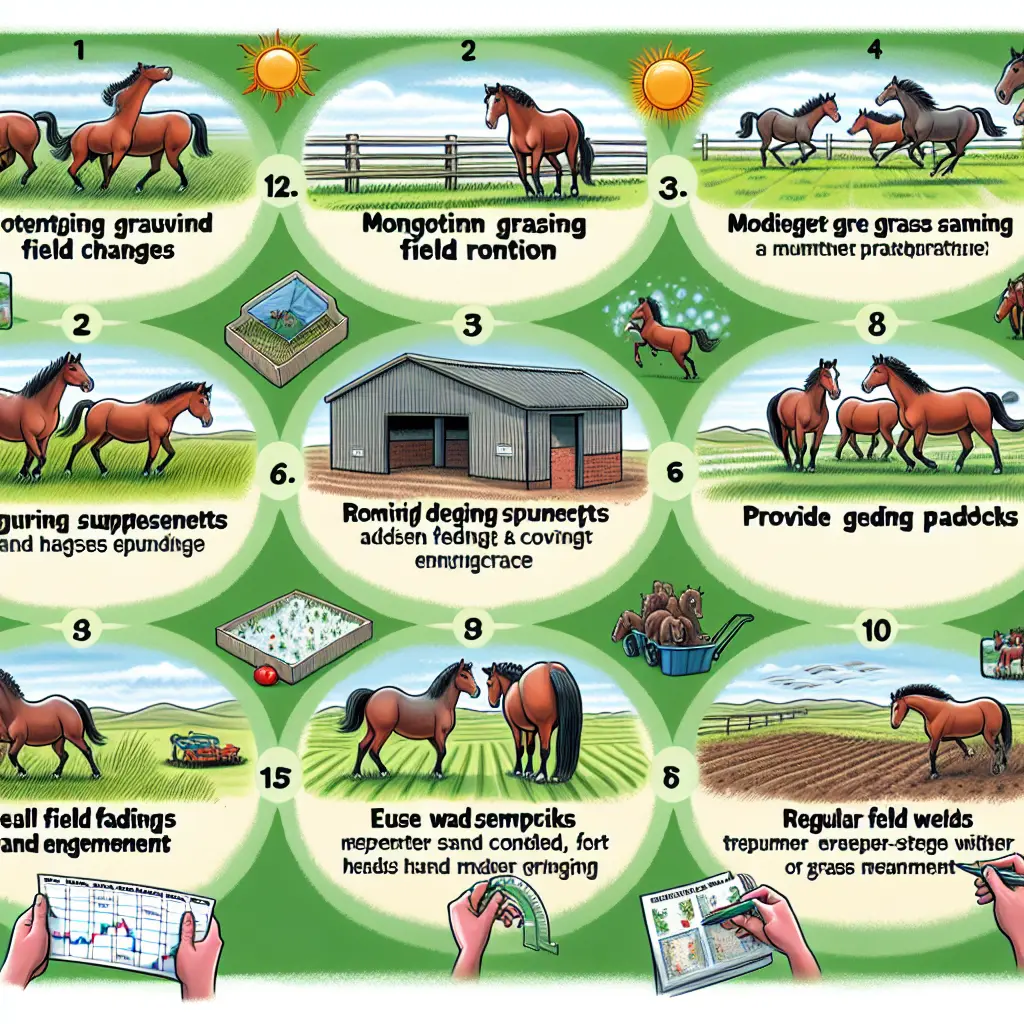
Seasonal Timing: Key Facts and Figures
During peaks in activity, such as spring equinox, horses exhibit increased movement levels, while during winter, activity often diminishes. Horses’ core body temperature shows seasonal fluctuations which impact metabolism and movement patterns [8].
Final Tips for Field Protection
Observation and Adaptation remain vital. Watch for changes and adjust horse management strategies as required. Balancing activity with rest ensures horses remain healthy and fields are not overly stressed.
Conclusion
Horses are magnificent creatures, and with the right management strategies, you can harness their seasonal energy efficiently. By employing practices such as rotational grazing, structured exercise routines, and effective field maintenance, you can protect both your horses and fields from the challenges posed by seasonal changes. For more detailed advice and horse-friendly equipment, check out our Jodhpur Collection, Horse Riding Boot Collection, Horse Riding Gloves Collection, and other equine-interest items from Just Horse Riders. Visit our website for a full array of horse apparel, supplements, and field maintenance tools.
References and Further Reading
- Mad Barn Equine Research Database: More on horse behavior and grassland management.
- Just Horse Riders Blog: Tips on seasonal transitions.
- EcoGreen Equestrian: Insights on environmental impacts on horses.
- Journal of Experimental Biology: Scientific data on horse physiology.