

Sycamore trees are a familiar sight in many landscapes, but they can pose a hazard for equine health, particularly during high-wind conditions. This article offers insights into managing sycamore seed risks for horses, focusing on high-wind seasons when these seeds are most likely to disperse.
Understanding the Sycamore Seed Threat

What is Atypical Myopathy?
Atypical myopathy is a severe muscle illness affecting horses, caused by the ingestion of Hypoglycin A found in sycamore seeds. Once ingested, it hampers energy production within muscle cells, causing muscle weakness, stiffness, and potentially death[1].
Why Are Seeds Dangerous During High Winds?
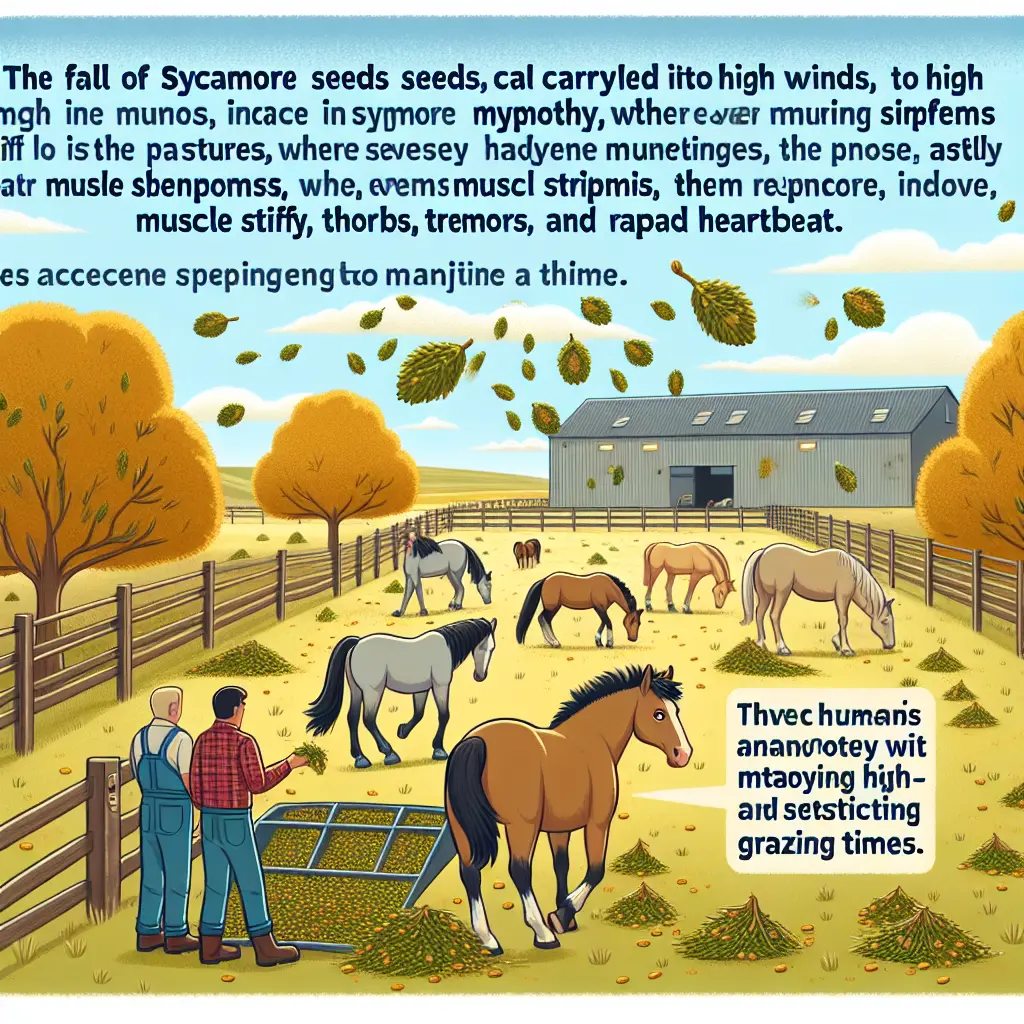
Sycamore seeds are often referred to as "helicopters" because they are adept at traveling through wind. During autumn and spring, when winds are strongest, these seeds can end up in horse pastures, leading to incidental ingestion by grazing horses.
Identifying Symptoms of Sycamore Seed Poisoning

Recognizing signs of sycamore seed poisoning early is crucial for saving a horse's life:
- Muscle stiffness and tremors
- Sweating and quick heartbeat
- Difficulty in standing or moving
- Unusually dark urine
- Breathing issues and depression
Strategies for Managing Sycamore Seed Hazards
Regular Pasture Inspection
During high-risk seasons, inspect and clean pastures regularly, removing any sycamore seeds found on the ground to prevent ingestion[1].
Implement Physical Barriers
Consider creating buffer zones by removing sycamore trees near pastures. For trees that cannot be removed, fence off areas to limit seed spread. This reduces seed intrusion into pastures [4].
Adjust Grazing Habits
Limit horses’ grazing time to less than six hours per day during risk periods. Provide supplemental feed and clean water to minimize the risk of them eating seeds out of hunger[4].
Improve Pasture Management
Avoid activities that encourage seed spread, such as manure spreading. Maintain healthy pasture conditions to discourage horses from consuming contaminated material[4].
Staying Informed
Education is key. Keep caretakers and riders informed about risks and symptoms, and subscribe to updates and alerts from groups like Atypical Myopathy Alert Group for timely information[4].
The Impact of Sycamore Seed Poisoning
The mortality rate for atypical myopathy is between 56-61%, with many horses not surviving 48 hours post-symptom onset[1]. Vigilant management of pastures and early veterinary intervention is fundamental to reducing these grim statistics.
Research Insights
Persistent vigilance is needed, as hypoglycin A impacts mares and foals, with studies showing detectable levels in the blood and milk of affected mares[3].
Final Safety Recommendations

To mitigate risk:
- Clear seeds quickly from pastures, especially during windy forecasts.
- Remove or fence off sycamore trees and maintain barrier zones to limit seed exposure.
- Monitor horses closely and respond rapidly to signs of illness.
- Stay informed through veterinary updates and maintain pasture vigilance.
By understanding and implementing these measures, horse owners can substantially lower the risk of atypical myopathy. Protect your equine companions with rigorous pasture management, education, and vigilance.