

Exploring the Best Approaches to Raising Young Horses: Insights from Equestrian Enthusiasts
Raising young horses is both an art and a science, demanding a delicate balance of care, training, and patience. In this article, we delve into proven strategies that ensure young horses grow into healthy and happy adult companions. Understanding their development, training methods, and mental well-being is paramount for their success and longevity in the equestrian world.
Understanding Growth and Development
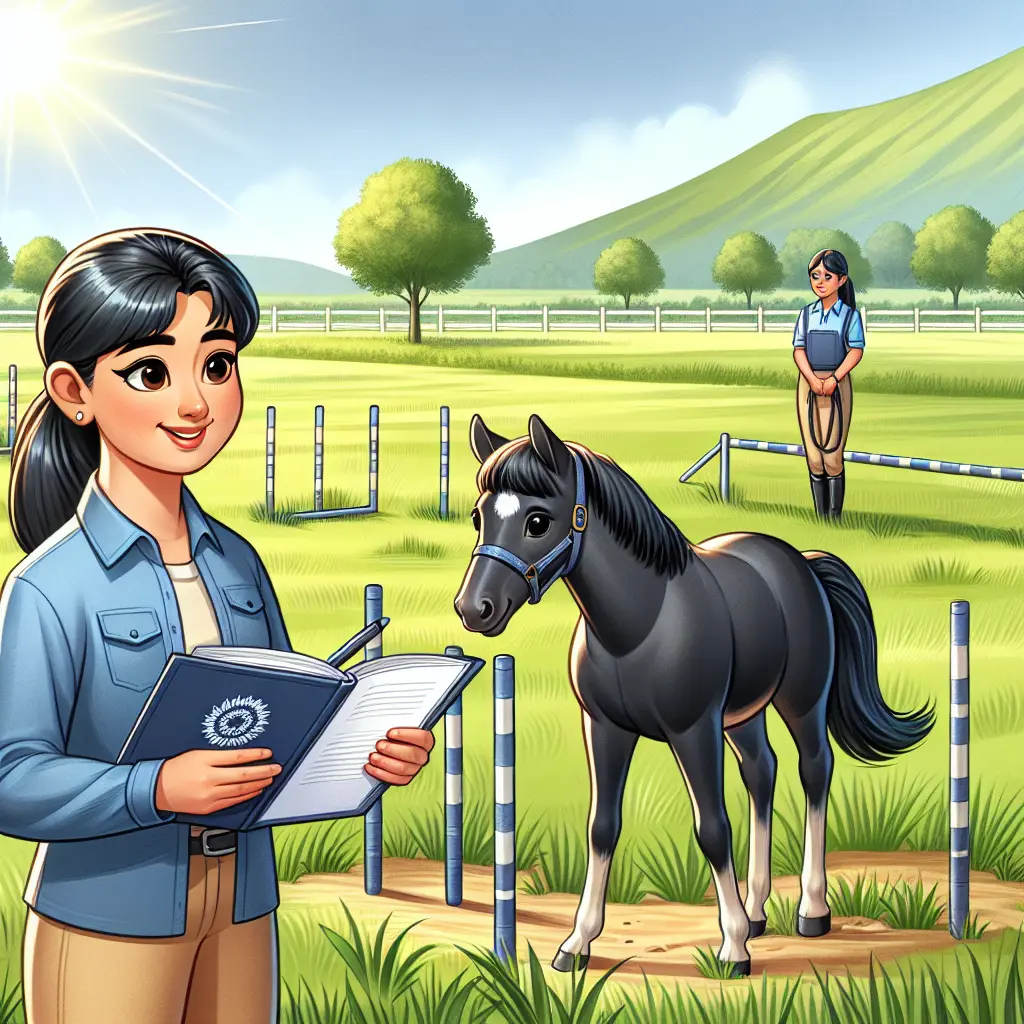
Young horses, especially those under three, are in a crucial phase of growth and development. Their bones, tendons, and muscles are still forming, making them susceptible to injury if overworked.
Key Considerations
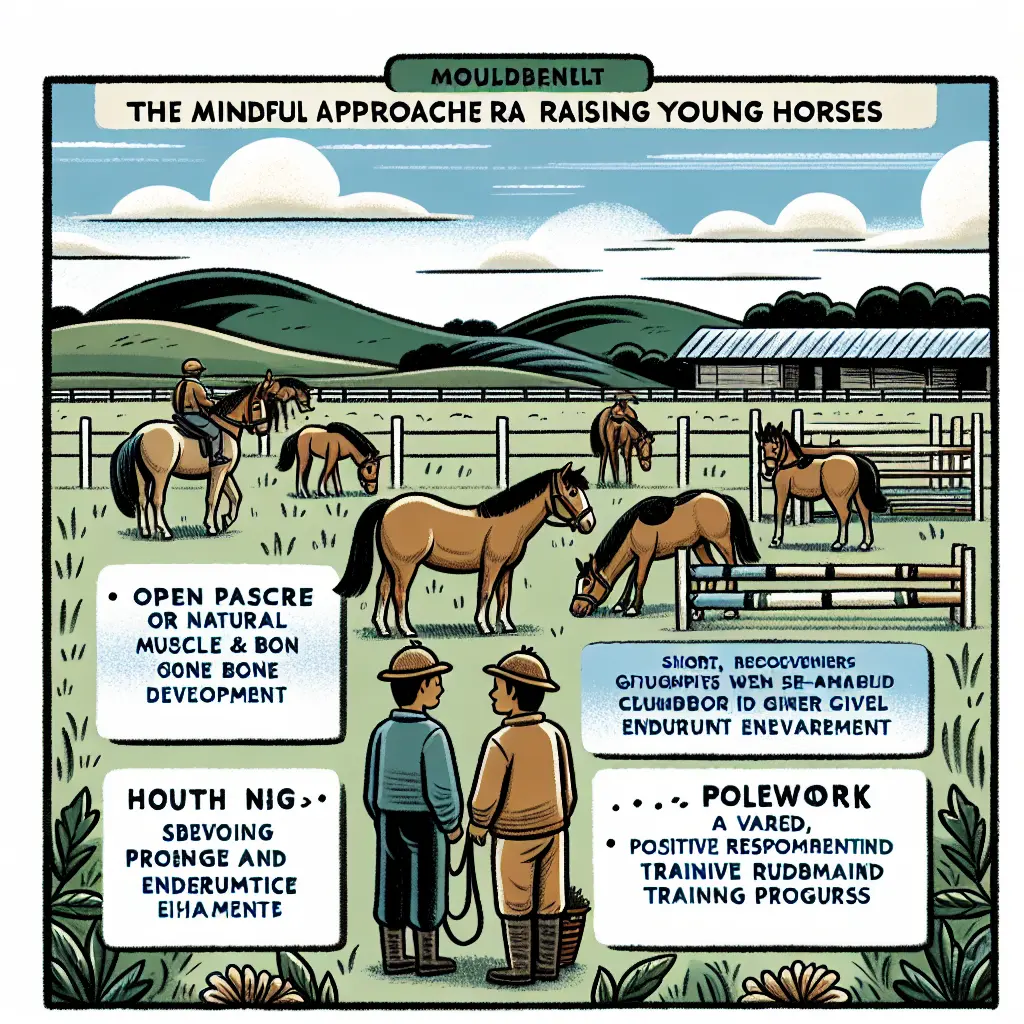
- Pasture Access: Letting young horses graze freely is essential for natural bone and muscle strengthening.
- Moderate Exercise: Implement short, high-impact activities like sprinting to stimulate bone development. [5]
Training for Long-Term Soundness
The training of young horses should aim to enhance strength, posture, and athleticism through varied exercises. Techniques like groundwork and polework are beneficial for improving balance and coordination.
Effective Training Techniques
- Groundwork Exercises: These exercises focus on the horse's mental and physical balance. [3]
- Polework: Reinforces the core and enhances movement efficiency. [3]
- Hill Work: Tackling varied terrain builds all-round strength and endurance. [3]
Prioritizing Quality Over Quantity

Young horses benefit most from short, focused training sessions rather than lengthy practices. This prevents overtraining and allows ample time for recovery.
Tips for Effective Sessions
- Short Sessions: Keep training brief with regular breaks to avoid stress.
- Regular Rest Periods: Ensure sufficient time for muscle recovery and adaptation. [3]
Listening to Your Horse
Being attuned to your horse's comfort levels is crucial. Early signs of discomfort, such as stiffness or reluctance to move, should prompt immediate attention to prevent long-term issues.
Identifying Warning Signs
- Stiffness: Often a sign of overtraining or discomfort.
- Changes in Behavior: Signs like anxiety or resistance imply the horse's discomfort with the current workload. [3]
Creating a Willing and Happy Partner
A horse's mental well-being is just as important as its physical health. Stress and anxiety can impact their physical condition, necessitating a balanced training approach.
Strategies for Mental Well-being
- Variety in Training: Diversify exercises to maintain engagement and alleviate boredom. [3]
- Positive Reinforcement: Builds trust and confidence between horse and rider. [3]
Setting Realistic Goals and Tracking Progress
With young horses, setting realistic and achievable goals is vital. Use video reviews, training journals, and show scores to monitor progress and adjust strategies accordingly.
Tools for Tracking Progress
- Video Recordings: Offer insights into technique and areas for improvement. [1]
- Training Journal: Record session highlights and challenges. [1]
Conclusion
Raising young horses demands a mix of patience, understanding, and strategy. By focusing on their growth, soundness, and mental well-being, equestrian enthusiasts can ensure that these wonderful creatures develop into strong, healthy, and happy adults, ready for a lifetime of companionship and competition.
For more on equestrian training and equipment, explore our Jodhpur Collection, Horse Riding Boot Collection, and Horse Riding Gloves Collection. To keep your horse healthy, visit our range of Everyday Horse Vitamins & Supplements.