

How to Rebuild a Horse's Confidence After Cross Country Setbacks: A Guide for Eventers
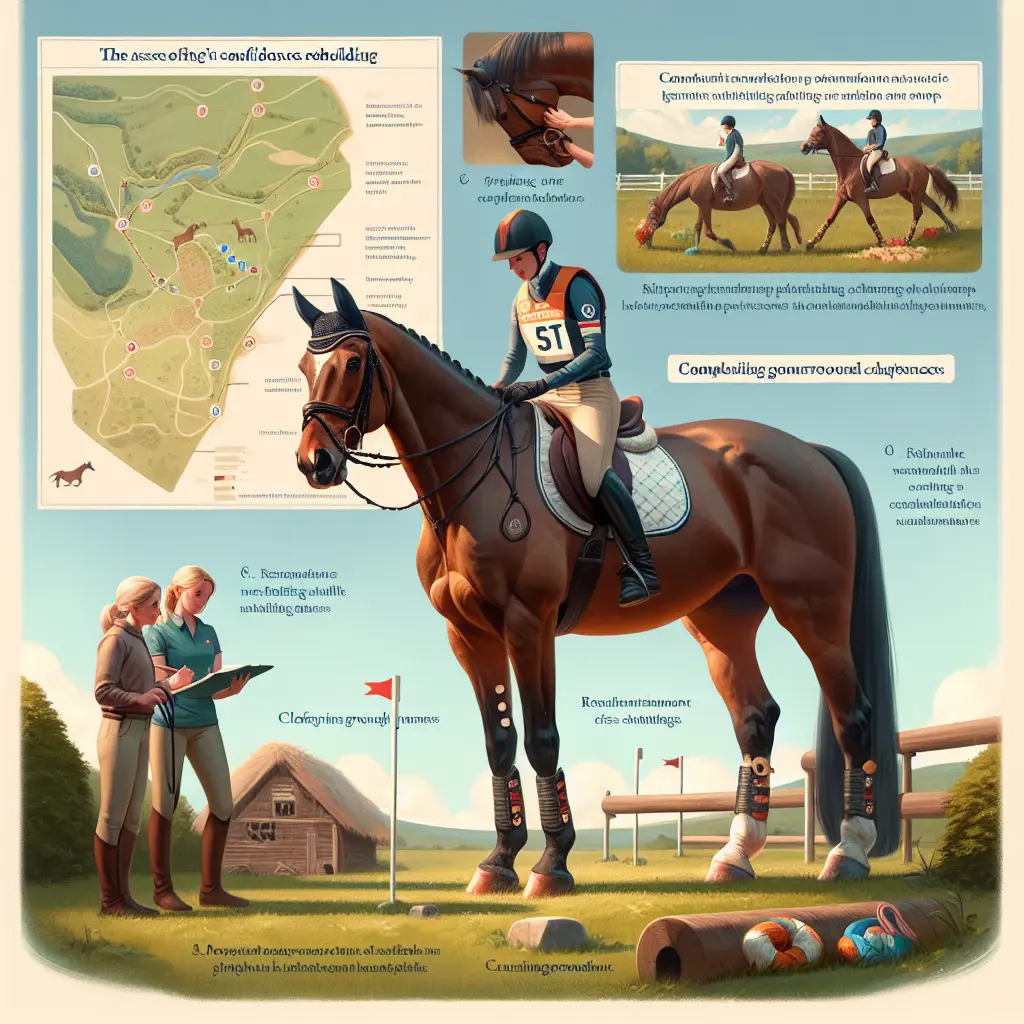 Cross country riding stands as a pivotal component of eventing, often bringing both excitement and daunting challenges to horse and rider alike. Faced with varied terrain and solid fences, this phase tests the partnership's endurance and skill. However, setbacks such as refusals, run-outs, or falls can shake a horse’s confidence, impacting both safety and enjoyment. This guide offers practical, evidence-based strategies designed to help eventers restore their horse’s trust and enthusiasm.
Why Confidence Matters in Eventing
Confidence in eventing transcends mere skill; it embodies a profound bond between horse and rider, reflecting mutual trust. A confident horse is likely to remain steady amidst challenges, whereas a loss of confidence can lead to resistance, anxiety, and even hesitation. These issues not only elevate risk but also diminish performance quality. According to research, confidence is cultivated over time with patient and thoughtful training that caters to both physical and psychological well-being.
Step 1: Assess and Address the Setback
Objectivity is key to addressing any setback. Was the fence overly technical, or did your horse face physical discomfort? Such elements must be considered. Consulting your veterinarian or equine physiotherapist helps in ruling out pain or injury, while evaluating fitness is crucial as lack of stamina may undermine confidence in demanding courses. Understanding these root causes allows for a tailored approach that prevents the repetition of mistakes.
Step 2: Establish a Calm, Trusting Environment
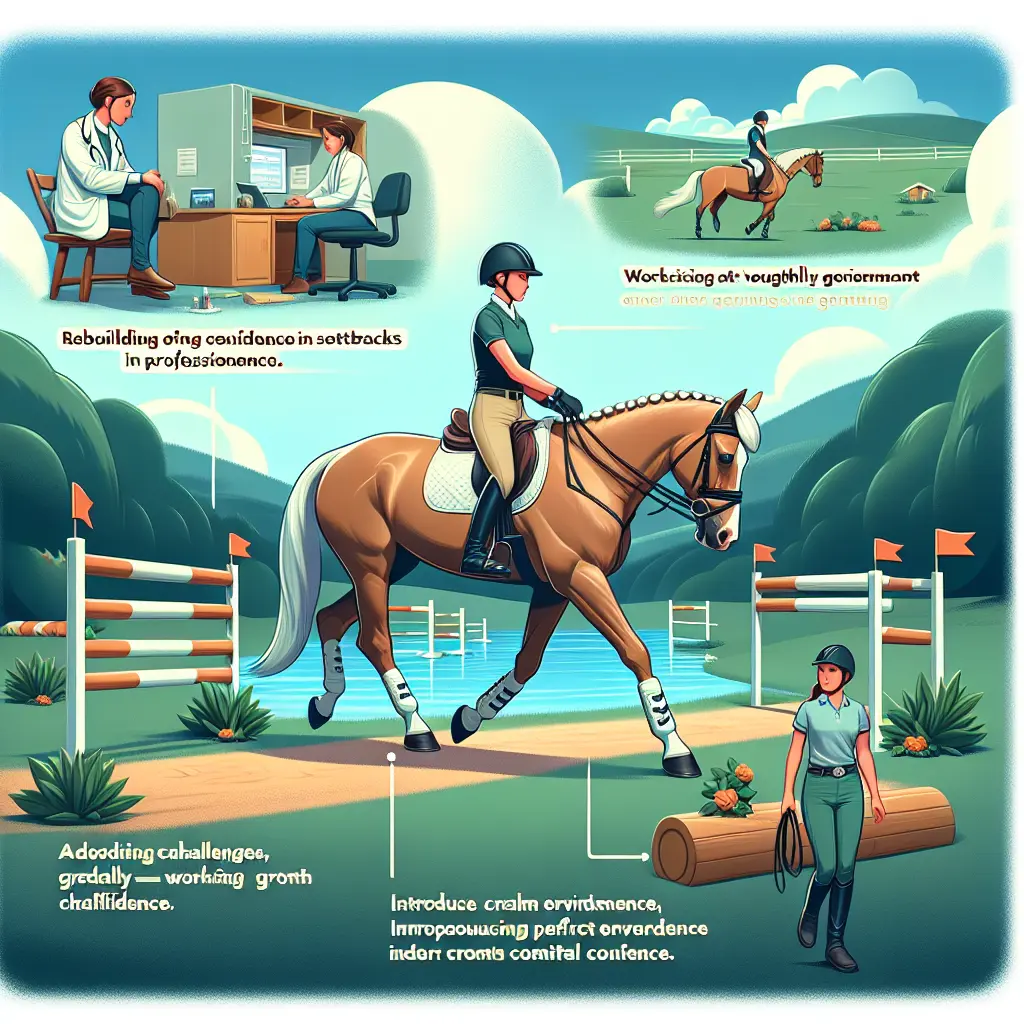 Rebuilding confidence begins with reaffirming your horse’s trust in you as a calm leader. Horses are acutely sensitive to human emotions, and a rider’s tension can exacerbate a horse's nervousness. Maintaining a positive attitude and applying relaxation techniques, like slow, rhythmic breathing, can alleviate tensions. Combining this with groundwork and non-ridden activities fosters rapport without pressure, and consistent praise reinforces trust.
Step 3: Gradual Exposure and Conditioning
Confidence is gained through gradual exposure. Start with challenges at a comfortable level and progressively increase difficulty. Hacking on varied, non-threatening trails can enhance adaptability, while engaging in regular dressage-based exercises emphasizes relaxation and balance. Begin jumping with small fences, gradually increasing complexity. Clayton Fredericks, a noted event rider, emphasizes balance and rhythm for building horse confidence over jumps.
Step 4: Focus on Rider Confidence and Position
The confidence of the horse often reflects that of the rider. Improving your own mindset alongside riding skills is crucial. Developing a balanced riding posture prevents interference with a horse’s balance, which is essential for trust over fences. Practice effective precision riding and consider enlisting the help of a coach or attending clinics focusing on mental control and horsemanship.
Step 5: Use Positive Reinforcement and Variety
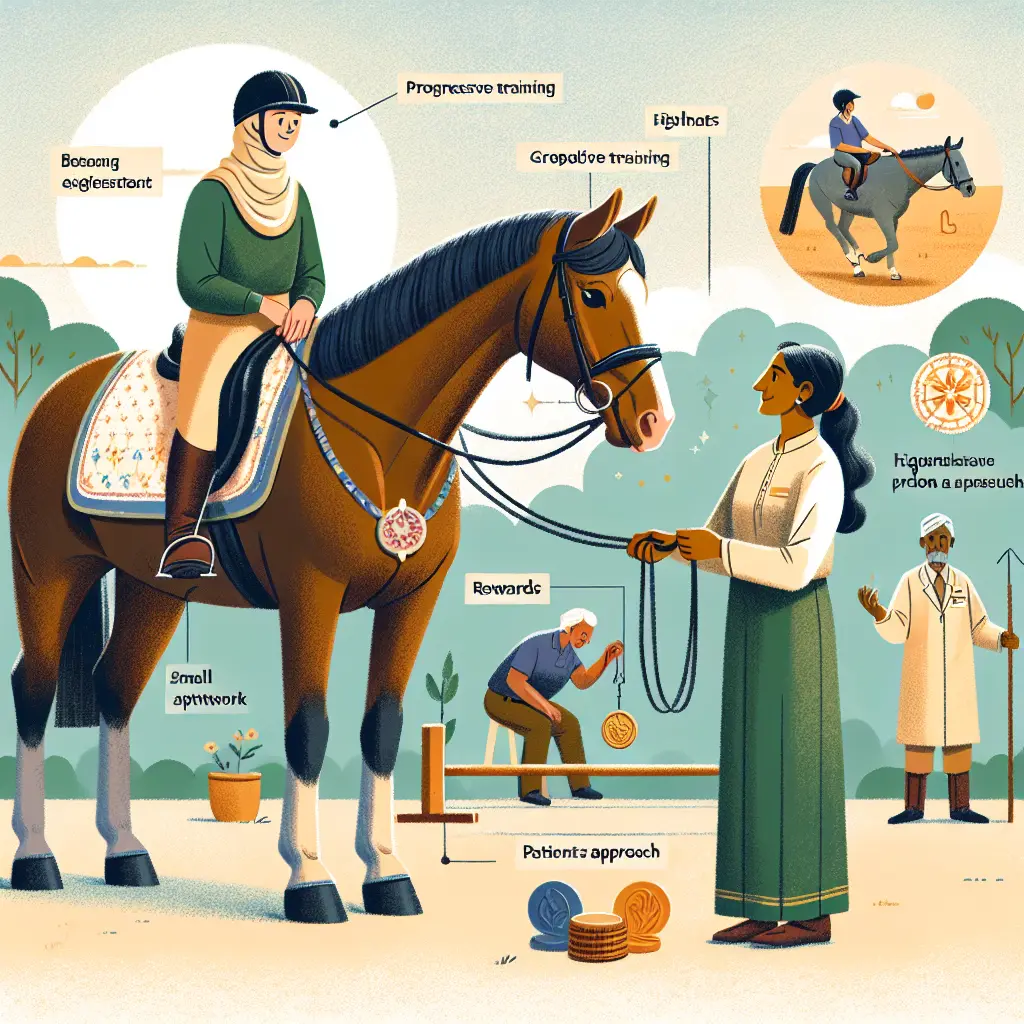 Praise and variety are key in training sessions to keep your horse engaged. Immediate rewards like treats and pats enhance willingness, while incorporating fun obstacles maintains interest. Repetition should be avoided, as it may erode trust and confidence.
Step 6: Patience and Persistence
Rebuilding confidence takes time, requiring patience and consistent effort. Track progress over extended periods and, if setbacks occur, revert to simpler exercises. Always prioritize safety and emotional well-being, ensuring any advancement is sustainable.
Key Takeaways
| Aspect | Strategy | Why It Matters |
|---|---|---|
| Root Cause Analysis | Vet check, fitness evaluation | Identifies hidden issues that undermine confidence |
| Calm Leadership | Positive attitude, groundwork, relaxation | Builds trust and reduces anxiety |
| Gradual Conditioning | Hacking, flatwork, small jumps | Develops physical fitness and mental readiness |
| Rider Confidence | Balanced position, coaching, horsemanship training | Directly influences horse’s trust and performance |
| Positive Reinforcement | Rewards, variety, avoiding nagging | Encourages willingness and enjoyment |
| Patience & Persistence | Long-term focus, adjusting pace | Ensures sustainable confidence rebuilding |
Further Reading and Authority Sources
- Just Horse Riders provides detailed strategies on conditioning and confidence building for eventing horses.
- Carson James discusses rider mental control as a cornerstone for horse confidence.
- Clayton Fredericks emphasizes balance and riding technique in cross country confidence.
- The FEI offers insights on groundwork and building rapport off the saddle.
Conclusion
By applying these evidence-based recommendations, eventers can help their horses overcome cross-country setbacks with renewed confidence, paving the way for safer and more enjoyable competitions. For more tips on confidence-building, consider exploring educational webinars or consulting with experienced coaches specializing in eventing. Remember, confidence is a journey, and with the right approach, you and your horse can emerge stronger than ever.
 Explore our range of Jodhpurs to ensure comfort for you while training, and check out other collections like Horse Riding Boots, Gloves, and Socks to complete your gear. Additionally, look into Horse Treats for appreciation gestures that strengthen the bond between horse and rider.