

Returning to horseback riding after the birth of a child can be an exhilarating yet challenging experience. It's a balancing act—taking care of your recovery while managing the new responsibilities of motherhood. In this comprehensive guide, we'll navigate this journey together, considering safety, physical readiness, and mental preparation, so you can transition back into the saddle smoothly.
Understanding Post-Partum Recovery
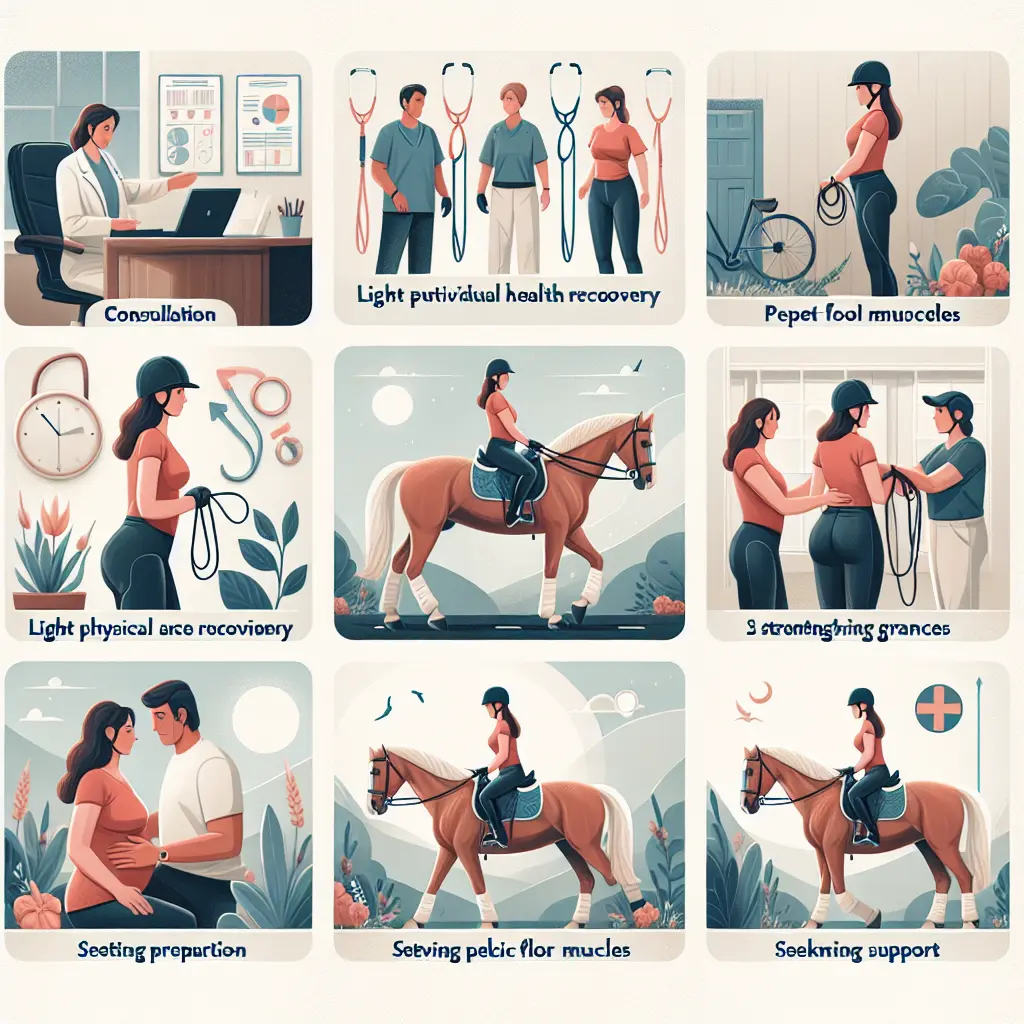
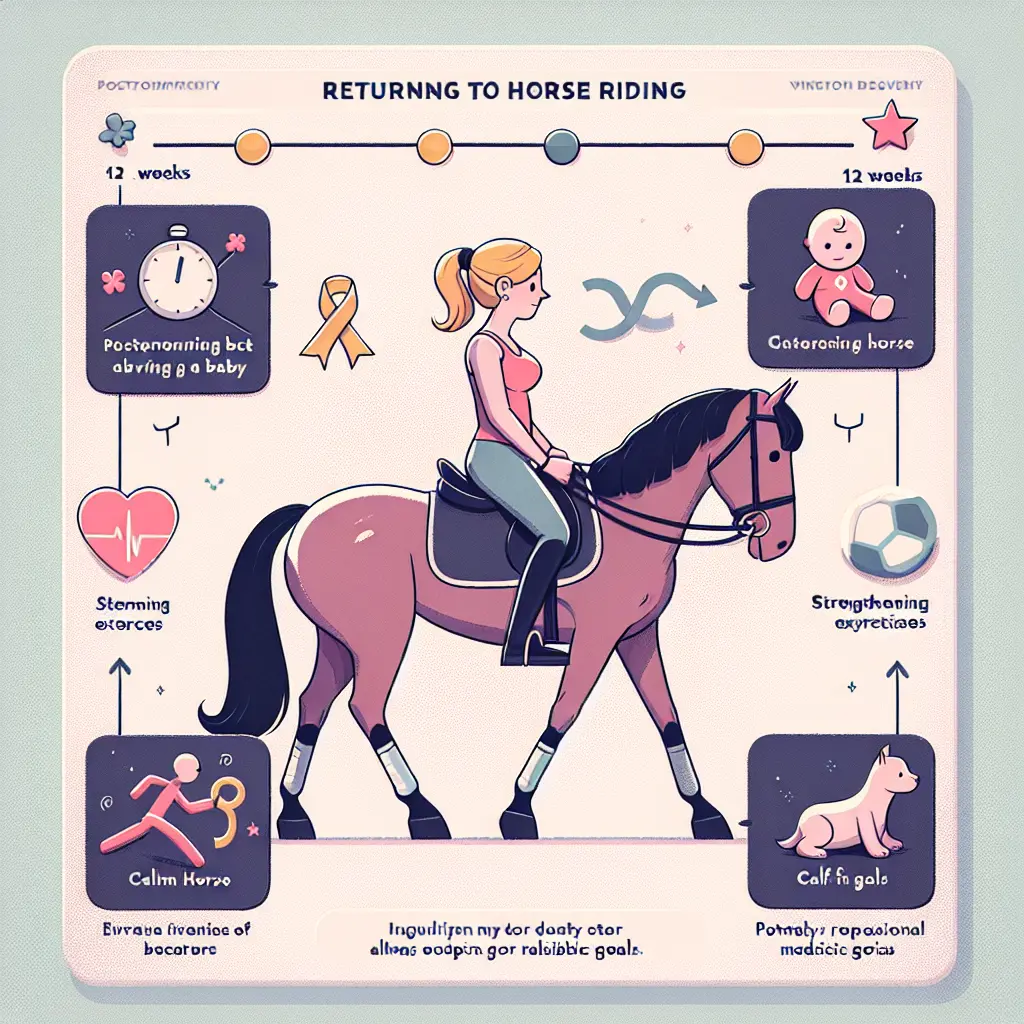
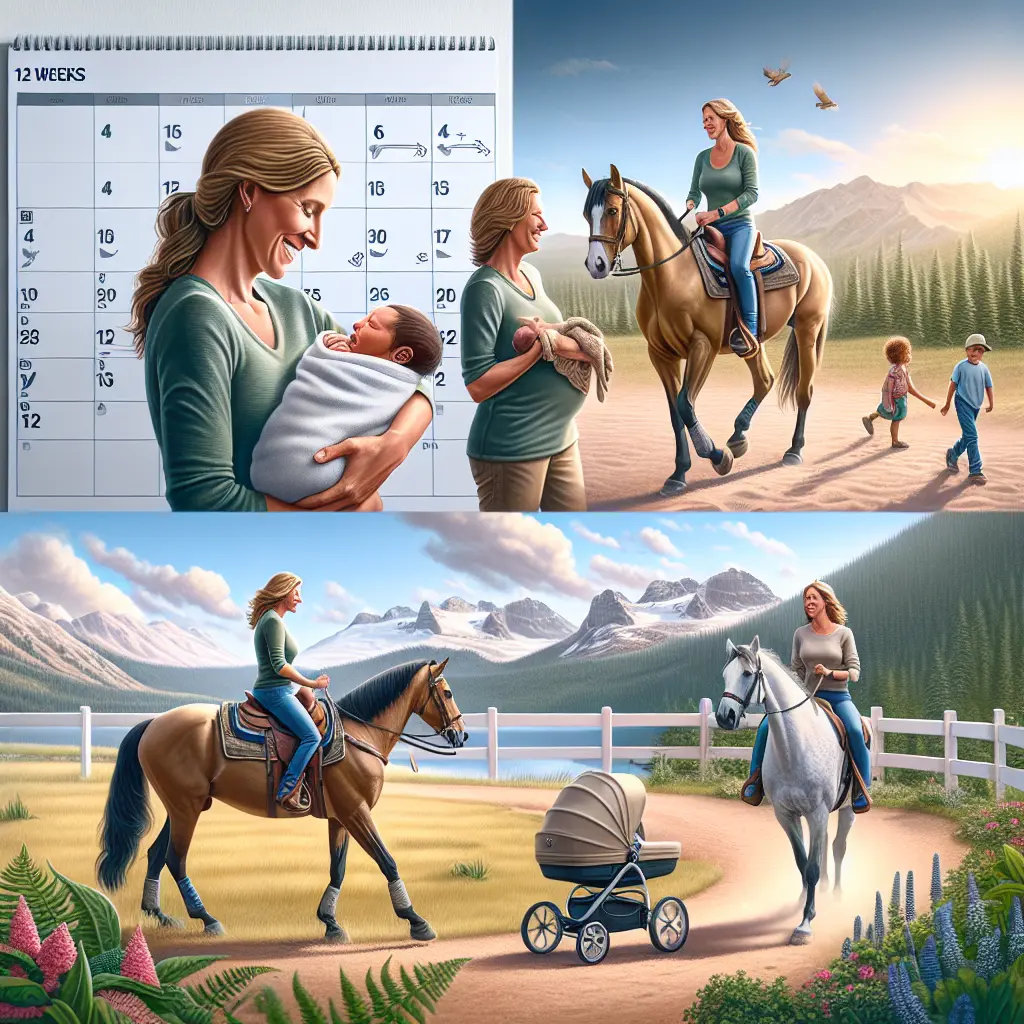
The postpartum period is a crucial time for recovery, typically lasting from birth up to 12 weeks. During this time, your body is healing, adjusting, and regaining strength. Begin any exercise, including horse riding, only after your healthcare provider gives you the all-clear. For most, this starts around 6-8 weeks postpartum, but every woman's journey is unique. Therefore, listening to your body and seeking professional advice is paramount.
When to Start Riding Again
Women are often cleared for light activities by their doctors around 6-8 weeks postpartum, yet it's vital to focus on your personal health journey and unique body responses. Some women, like Rachel, begin riding again at 8 weeks with light exercises such as a 30-minute walk and trot [1]. Meanwhile, Lucy Jackson, an event rider and physiotherapist, started much earlier at 10 days postpartum, emphasizing the personalized nature of recovery [4].
Safety Considerations
Horse riding inherently comes with risks, especially postpartum. It's essential to ensure that you are physically ready and that your prevailing tolerance for risk aligns with the responsibilities of being a new mother. Always prioritize consultation with your healthcare provider when considering resuming riding [2].

Tips for Safe Return
- Consult Your Doctor: Always get medical clearance before resuming riding activities [1].
- Start Slowly: Begin with short sessions at a walk or trot and gradually increase duration and intensity.
- Listen to Your Body: If you feel discomfort or pain, take a break.
- Choose a Suitable Horse: Opt for a well-trained and calm horse to minimize risks [2].
- Consider Support: Seek support from partners or family to manage responsibilities effectively.
- Mindset and Fear: Discuss any apprehensions about risks with your healthcare provider or mindset coach [4].
Physical Changes Postpartum
Pregnancy and childbirth bring enormous changes to your body, affecting your physical strength, coordination, stability, and energy levels. Let's delve into some key considerations:
Core Strength
Your core muscles might be weaker post-pregnancy, impacting balance and stability. Engaging in strengthening exercises can significantly help in this area [4].
Breastfeeding
If you are breastfeeding, remember to express milk before riding to prevent discomfort and to maintain hygiene for infection prevention [2].
Pelvic Floor Health
Strengthening your pelvic floor muscles with exercises like Kegels can improve riding stability and help manage urinary incontinence risks while riding [4].
Mental Preparation
Re-engaging with horseback riding is not solely about physical readiness; mental preparation is equally paramount. Handling the new responsibilities along with riding challenges can demand clearer focus and mindset readiness.
Tips for Mental Preparation
- Set Realistic Goals: Avoid rushing into intense riding. Initiate with achievable goals to gradually build endurance.
- Seek Support: Engage with fellow riders or mentors who have experienced similar transitions for valuable advice.
- Focus on Enjoyment: Riding is a source of joy. Relish the journey back into the saddle, cherishing both the challenges and triumphs [1].
Equestrian Gear Essentials
A smooth transition back into riding is incomplete without the right gear. Jodhpurs or breeches provide comfort and flexibility, while quality horse riding boots ensure stability and safety. Don't forget the importance of riding gloves for grip and protection. Last but not least, consider equestrian-specific socks to enhance your riding experience.
Conclusion
Finding the right path back into horse riding post-baby entails a thoughtful approach encompassing both physical and mental readiness. By prioritizing your well-being and engaging in step-by-step progress, you can reintegrate riding into your life, relishing each moment back in the saddle. Always listen to your body, consult with experts, and, above all, enjoy the ride.