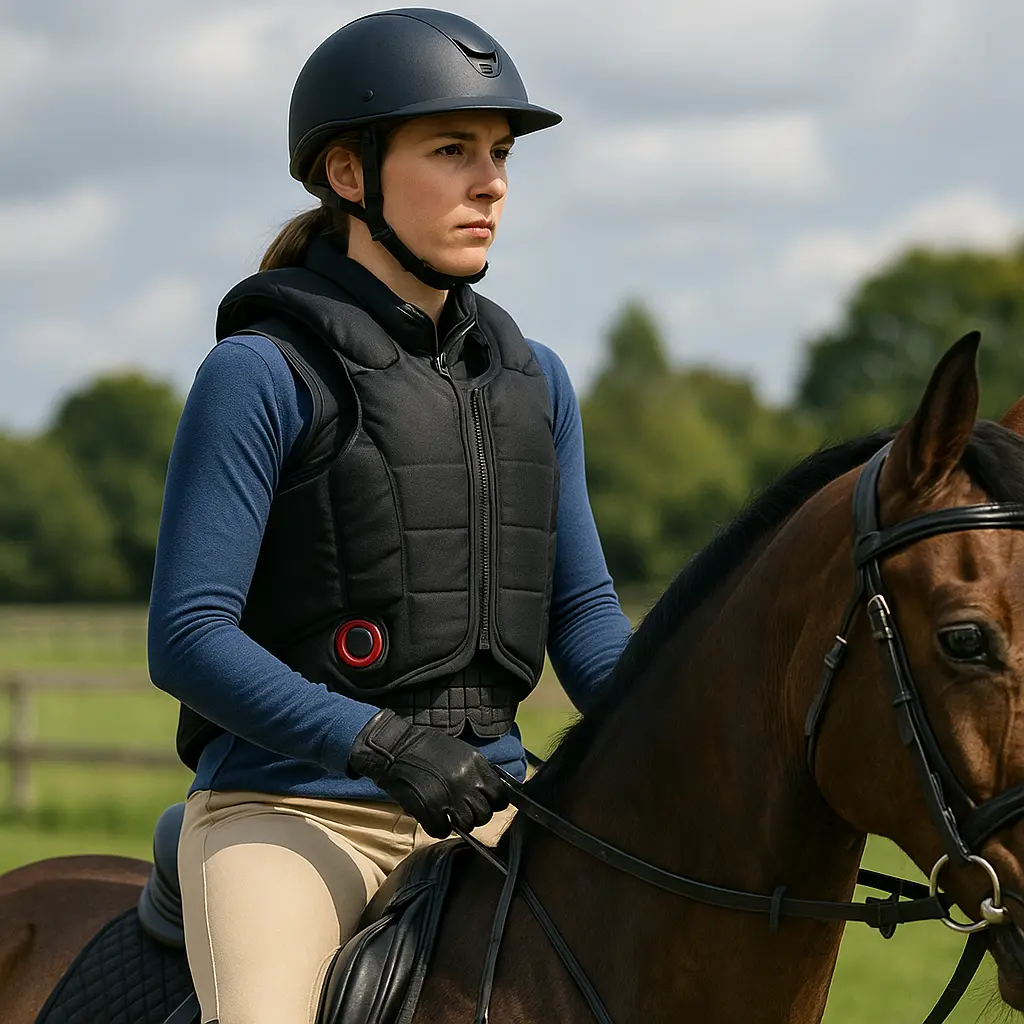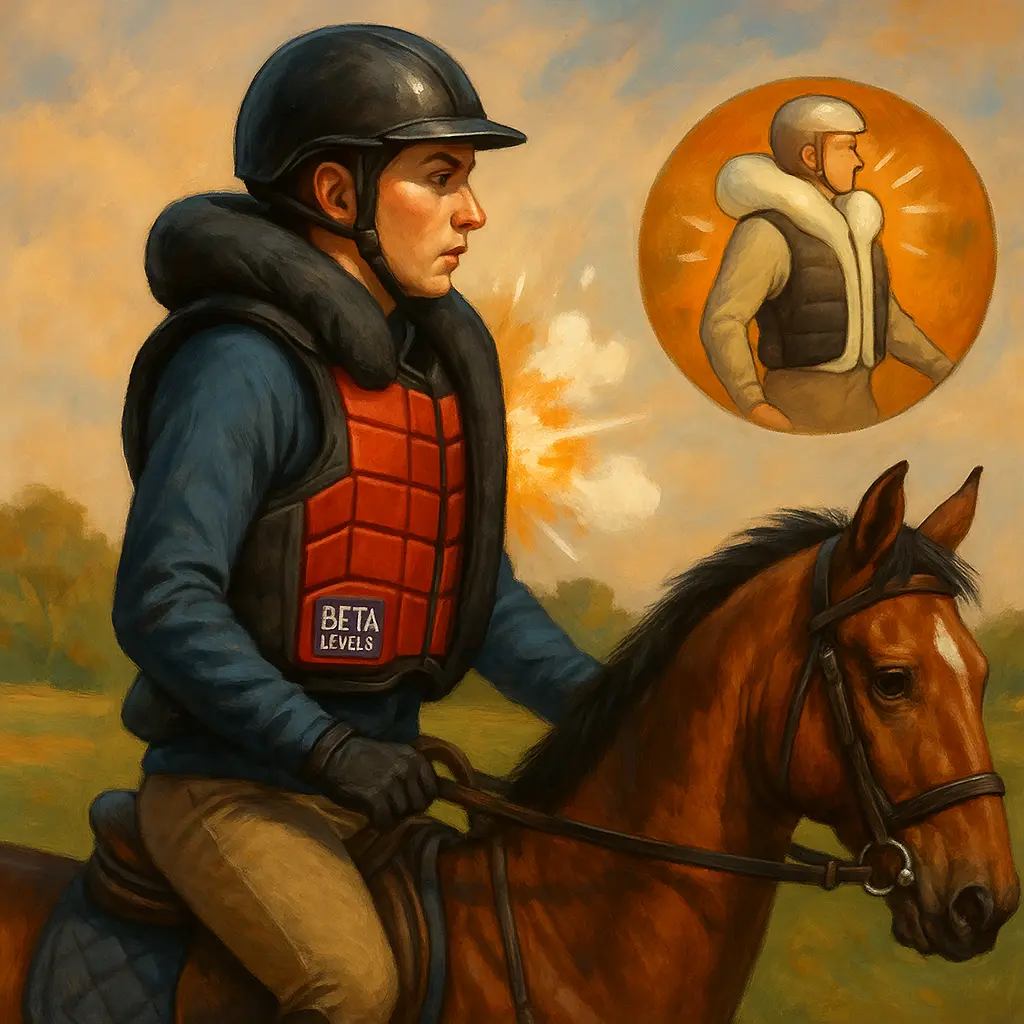
Riding while on blood thinners is a deeply personal decision that comes down to managing risk well. The right safety gear, fitted correctly and used consistently, is one part of a bigger plan that starts with your GP’s advice and continues with smart riding choices every day.
Key takeaway: If you ride while on blood thinners, prioritise a correctly fitted BETA Level 3 EN13158 body protector as your baseline, consider adding an air jacket for higher‑risk riding, and get medical clearance from your GP before you get in the saddle.
Can you ride while on blood thinners?
Only your GP or sports medicine professional can advise whether it’s appropriate for you to ride while taking anticoagulants, and you should seek their clearance before riding. If you are cleared to ride, maximise protection with a BETA Level 3 body protector and disciplined risk management.
Because anticoagulants increase bleeding risk, falls that many riders would simply “walk off” can have more serious consequences for you. That’s why your first step is a medical conversation: discuss your discipline, typical speeds, fall history, and where you ride (arena vs hacking) with your GP. Once you have the go‑ahead, focus on proven protective equipment and safer routines supported by UK bodies such as the British Horse Society (BHS) and competition rules from British Eventing.
Quick tip: Keep a written plan in your tack room covering where you ride, emergency contacts, and what to do after any fall (even if you feel fine). Share it with your instructor or hacking partner.
What safety standard should you choose?
BETA Level 3 to EN13158 is the UK‑recognised standard and the minimum level recommended for all riders across disciplines. It’s also the required standard for body protectors in regulated UK competitions like British Eventing cross‑country.
The BHS confirms that BETA Level 3 body protectors offer the best protection available for general riding. For eventing and cross‑country obstacles, a safety vest to this standard is mandatory, as reflected in competition guidance and British Eventing rules. If you’re returning to the saddle, bring your existing protector to a proper fitting; standards evolve and foam can degrade over time. At Just Horse Riders, we recommend treating your body protector like a helmet: regularly reviewed, replaced when damaged, and always worn when mounted.
Round out your essential kit with a certified hat from our curated range of riding helmets, and if you hack in low light or country lanes, add high‑visibility rider gear so you’re seen earlier by drivers year‑round.
Body protector vs air jacket: what actually protects you?
Body protectors provide continuous, passive protection; air jackets provide reactive protection only when triggered, and should be worn over a BETA Level 3 protector for best coverage.
Here’s the core difference. Body protectors manage impact with fixed foam that’s always “on” and requires no mechanism to work. As BETA Executive Director Claire Williams explains:
“Your body protector offers continuous protection, whereas an air vest offers protection only when triggered to do so. Therefore, your body protector will offer you protection at the first level, whether on the ground or in the saddle, while an air vest comes in as the second level of protection, as you need to be thrown off a horse for it to inflate.” (Your Horse)
Air jackets are quick — many inflate in under 100 milliseconds once you separate from the saddle (AirVest UK). However, on their own they don’t meet a recognised safety standard and, per the BHS, “offer little protection” in isolation. Research cited by British Eventing indicates the most effective set‑up is the combination of a BETA Level 3 body protector with an air jacket worn over the top (Your Horse).
There are also known limitations. BETA notes that in rotational falls — where you tumble with the horse rather than being thrown clear — an air vest may not trigger because it relies on separation to activate. And if you’re kicked or land on a fence or rock, a foam body protector is generally more effective for the immediate, point‑load impact (Ride EquiSafe). Think of it this way:
“Think of your body protector as the seat belt in your car and your air vest as the air bag.” (BETA perspective, Your Horse)
Finally, air vests have moving parts (trigger and piston) that need periodic servicing to remain reliable (Your Horse). Body protectors are failsafe by comparison: no mechanism, just correct sizing and wear (Ride EquiSafe).
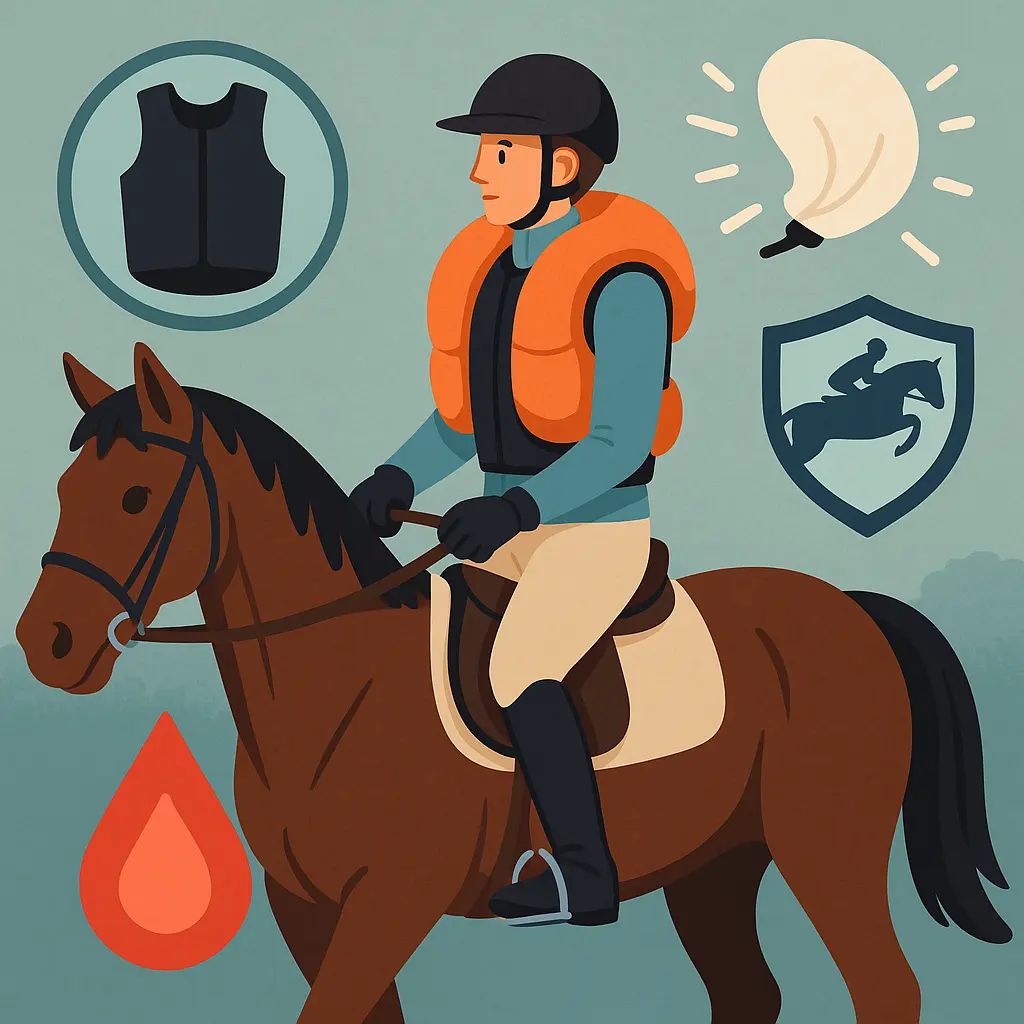
How to get a safe, comfortable fit
Proper fitting by BETA‑trained staff is critical to effectiveness and comfort, and you should wear your usual riding layers for the fitting. A poorly fitted protector can shift, expose vital areas, or feel bulky, making you less likely to wear it consistently.
The BHS advises that body protectors be fitted at a reputable outlet by someone with BETA fitting training. Wear the clothing you’ll typically ride in — for many riders, that’s a base layer plus either a schooling top or show jacket — so the adjusters sit correctly without gaping. Modern foam protectors are designed to be worn close to the body, ideally under a jumper or jacket, and should not touch the saddle’s cantle or press on the cervical spine (FUNDIS Equestrian).
Quick tip: Do a full “mount to dismount” rehearsal during the fitting. Walk, trot position, twist as if to open a gate, and simulate a light two‑point. If it rides up, pinches, or limits head movement, adjust or try another size/model.
For show days, check your discipline’s rules then build your outfit around the protector. Our selection of sleek, performance women’s competition clothing and well‑cut women’s jodhpurs and breeches helps the protector sit flat and close, reducing bulk under a jacket while preserving mobility.
When should you add an air jacket?
Add an air jacket over a BETA Level 3 body protector for higher‑risk riding such as cross‑country, hunting, fast hacking, or young horse schooling. Do not use an air jacket as a replacement for a foam protector in regulated competition.
British Eventing and most regulated events require a BETA Level 3 body protector for cross‑country phases; an air jacket can be worn in addition but not instead of the foam layer (Treehouse Equestrian). Before buying, check the manufacturer’s guidance on whether the vest is designed to be worn solo or strictly over a body protector — most recommend the combination for adequate protection, a point echoed by the BHS.
Maintenance matters. Air vests rely on a mechanical trigger that should be inspected and serviced regularly to prevent seizing (Your Horse). Keep spare canisters in your lorry or kit bag and log each inflation and service date. As the FEI continues to assess safety equipment use globally (Your Horse), expect guidance to keep evolving — but the UK consensus today is clear: foam first, air second.
What else reduces your risk on the yard and out hacking?
Combine protective gear with smart habits: ride within your comfort zone, choose good footing, make yourself visible, and keep your horse comfortable and well‑prepared. Small choices stack up to big risk reductions.
Build your routine around these pillars:
- Be seen, sooner. UK daylight is short for much of the year and weather changes fast; add high‑visibility clothing for hacking even on bright days.
- Protect your head. A well‑fitted, certified hat from our riding helmets collection is non‑negotiable for every ride.
- Wear secure footwear. Heeled, supportive boots reduce the chance of a foot becoming trapped — explore our horse riding boots.
- Reduce spook triggers. In summer, flies and midges can tip a calm hack into a sideways leap; consider appropriate fly protection alongside consistent schooling. If you need horsewear solutions, browse proven options from WeatherBeeta.
- Check your tack and your horse every time. Run a quick hand check while tacking up to spot sore spots or rubs; our grooming essentials keep this fast and thorough.
- Support your horse’s limbs for schooling. Appropriate boots can help protect against knocks over poles or bridleway brush; see horse boots and bandages for everyday and competition‑ready options.
- Plan your routes. Prefer off‑road bridleways and quiet times of day. Share live location with a family member and carry ID on you, not just on your phone.
Pro tip: If you do come off, sit down, breathe, and do a head‑to‑toe self‑check. Because blood thinners can mask early bleeding symptoms, call for help and seek medical advice even if you feel “mostly fine.”
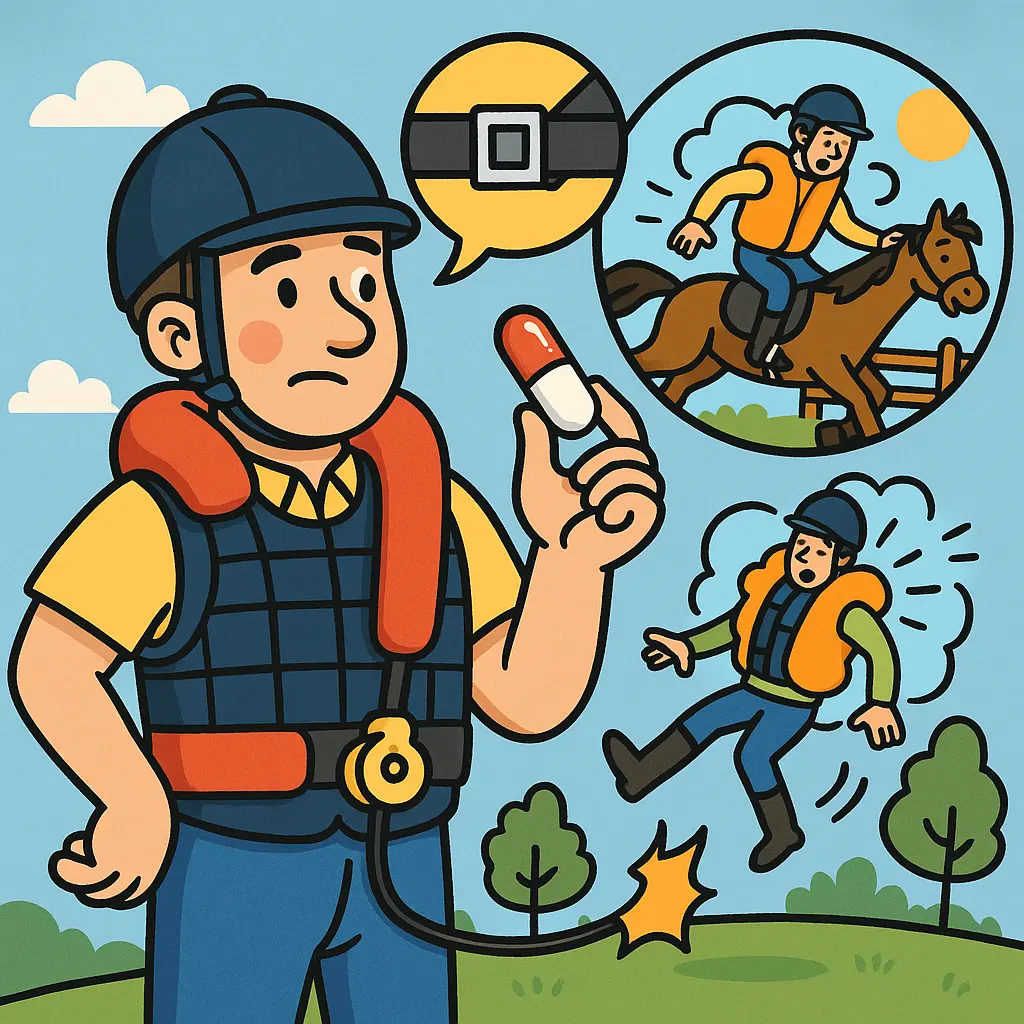
Buying checklist for riders on anticoagulants
Prioritise a BETA Level 3 body protector, add an air jacket for higher‑risk work, and book a professional fitting before you ride. Use this checklist to keep decisions simple and focused on protection.
- Medical first. Get explicit GP clearance to ride and ask for written guidance on intensity (flatwork only, jumping height, hacking speeds).
- Body protector baseline. Choose a BETA Level 3 EN13158 model, fitted by BETA‑trained staff. Practise mounting/dismounting and two‑point during fitting.
- Add reactive protection where appropriate. Select an air jacket designed to be worn over a foam protector; confirm compatibility and lanyard length with your saddle.
- Service and spares. Log vest service dates; keep at least one spare canister in your lorry or grooming box.
- Comfort layers that don’t bulk. Pick close‑fit technical wear so the protector sits flush — our jodhpurs and breeches are designed for stretch and stability in the saddle.
- Visibility and head protection. Add hi‑vis and a certified hat from our riding helmet range.
- Footing and grip. Choose supportive, heeled riding boots that work with your stirrup tread and discipline.
- Horse comfort kit. Keep grooming simple and consistent with our grooming collection to spot issues before they cause a spook or stumble.
- Budget wisely. If you’re upgrading multiple items, check our rotating offers in the Secret Tack Room clearance.
Quick tip: Set a calendar reminder to re‑check fit each season — weight changes, new base layers, or a different saddle can subtly alter how a protector sits.
Final word and next steps
Your doctor’s clearance plus the right kit gives you the best chance to ride safely and confidently. In the UK, that means a BETA Level 3 body protector as your always‑on layer, an optional air jacket over the top for speed and jumping, and consistent, visible habits on today’s busy roads and bridleways.
Next steps:
- Book a GP review and discuss your riding plans.
- Check the latest guidance from the BHS on body protectors and your discipline’s rules (e.g., British Eventing requirements).
- Arrange a professional fitting for a BETA Level 3 protector and, if needed, an air jacket.
- Update your essentials: helmet, hi‑vis, and secure boots.
At Just Horse Riders, we help riders balance safety, comfort, and budget every day. If you’re shopping for a safer set‑up, our team can point you to rider‑tested options that fit well and work hard for UK conditions.
FAQs
Can I wear just an air vest without a body protector?
No — not in regulated UK competition, and most manufacturers recommend an air jacket be worn over a BETA Level 3 EN13158 body protector. When worn alone, air jackets offer limited protection and don’t meet a recognised standard (BHS).
What types of falls might not trigger an air vest?
Rotational falls, where you tumble with the horse rather than being thrown clear, may not create the separation needed to activate the lanyard. Air vests also provide limited protection once on the ground against kicks or sharp, localised impacts (Your Horse).
Why is a body protector considered “failsafe” compared to an air vest?
Body protectors are non‑mechanical and work continuously through foam impact absorption; they only need correct fitting. Air vests rely on mechanical triggers that require regular servicing to stay reliable (Ride EquiSafe; Your Horse).
What’s the best protection set‑up for cross‑country?
A BETA Level 3 EN13158 body protector is mandatory, and many riders add an air jacket over the top for extra, reactive coverage. British Eventing rules allow air jackets in addition to, but not as a substitute for, foam protectors (Treehouse Equestrian).
How often should an air jacket be serviced?
Follow the manufacturer’s schedule and treat it like vehicle maintenance — the trigger and piston can seize over time without servicing. Keep a dated log of services and inflations (Your Horse).
Are modern body protectors still bulky?
Modern foam protectors are lighter and more flexible than older models. Apparent bulk is often a fitting issue, which is why a BETA‑trained fitting and wearing the protector close to the body under a jumper or jacket is recommended (Your Horse; FUNDIS Equestrian).
Do body protectors cover the neck?
No. Foam protectors don’t provide neck coverage, which is one reason some riders add an air jacket that inflates around the neck, spine, chest, and hips for additional coverage (Ride EquiSafe).