

Introduction
Riding and leading horses can be a profoundly rewarding experience, offering a chance to bond deeply with these majestic creatures. However, it demands a keen understanding of safety to ensure a harmonious and secure environment for both riders and horses. This article aims to guide you through the essential tips and best practices for safely riding and leading horses, keeping you well-informed and prepared.
Understanding Horse Behavior
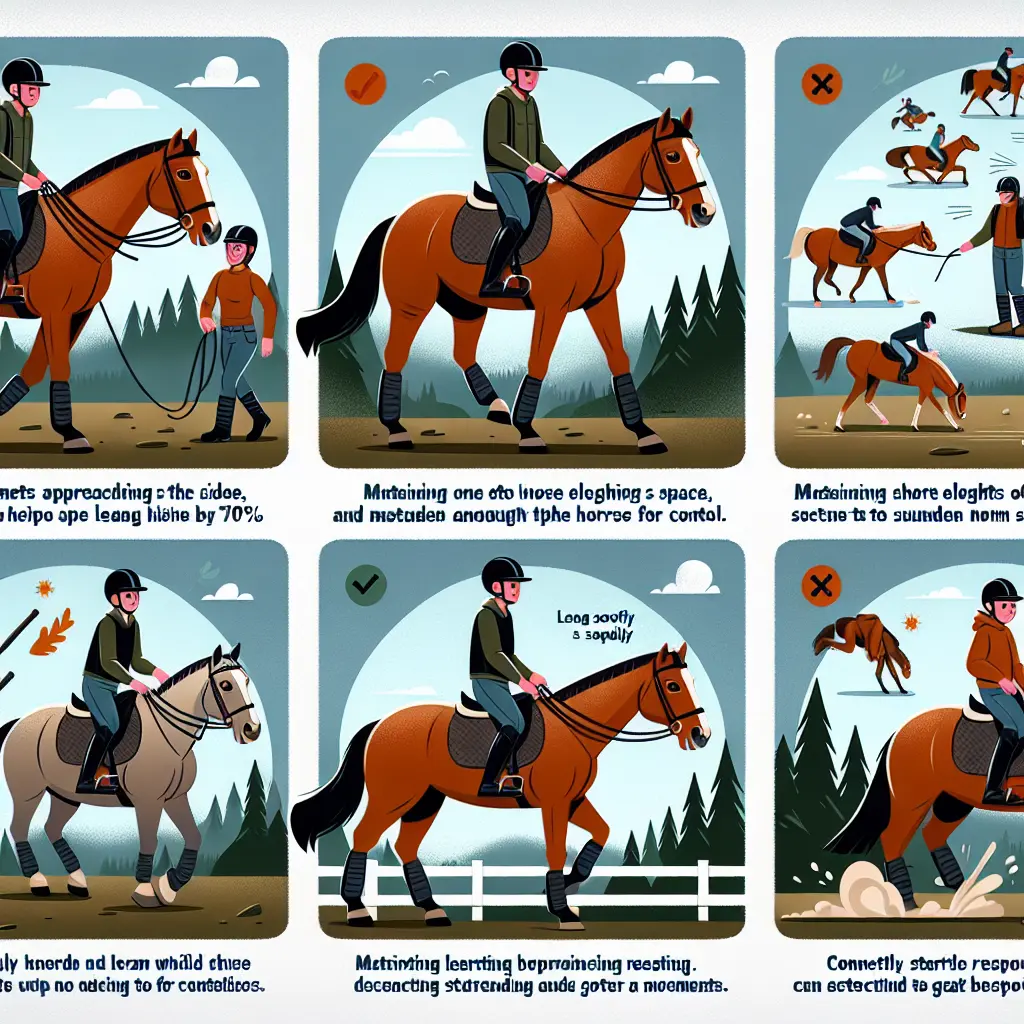
Recognizing horse behavior is crucial for safe handling. Horses can be startled easily due to their natural prey instincts, so it's vital to approach them with caution. Always come from the side using calm, reassuring language, as approaching frontally or from behind exploits their blind spots, which can lead to unintended surprises for both parties.
Leading Horses with Confidence
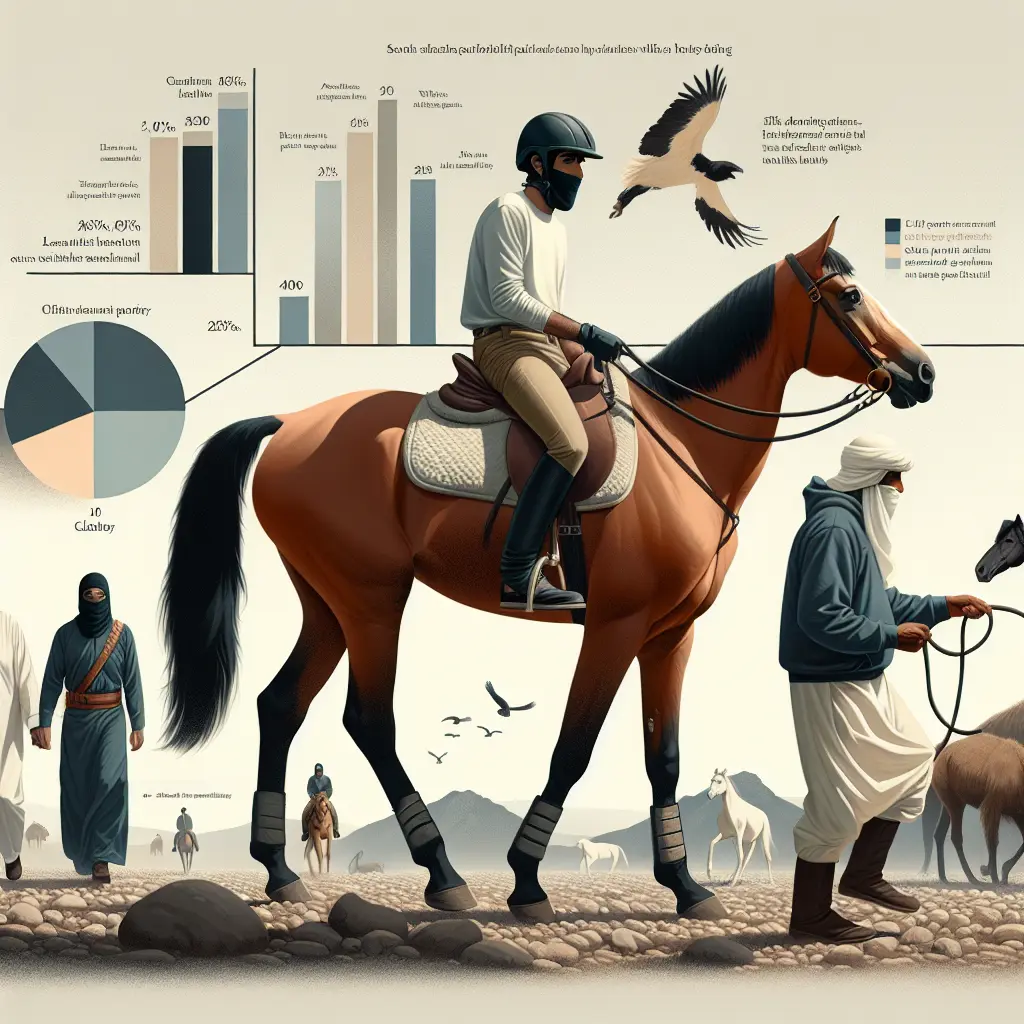
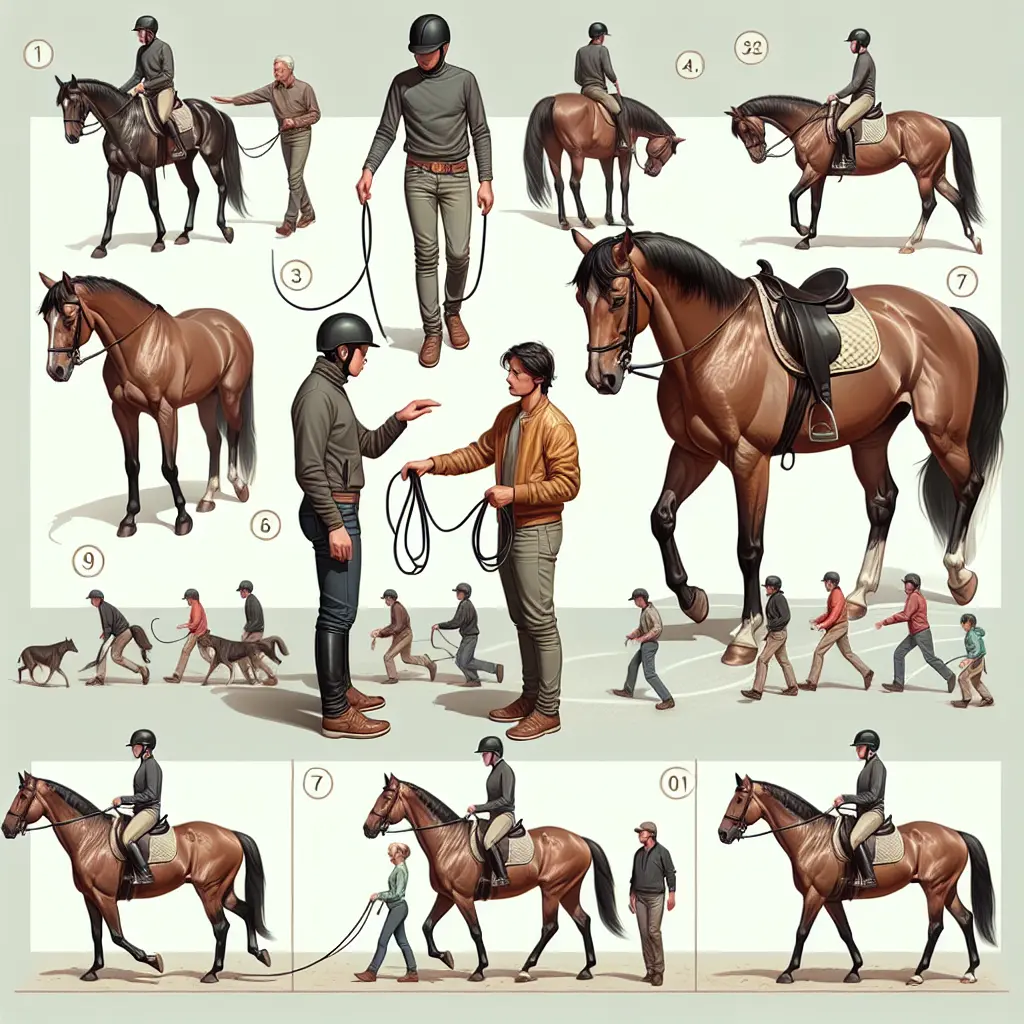
When leading, secure a lead rope to the horse's halter rather than grabbing the halter directly. This allows greater control, especially if the horse becomes spooked, as opposed to just relying on the strength of your grip. Also, avoid coiling the lead around your hand to prevent accidents.
Control and Release Techniques
To release a horse into a paddock safely, position it towards the exit gate and wait for signs of relaxation before removing the halter. This precaution helps prevent sudden bolting or kicking incidents as you release them.
Optimal Gear for Safe Riding
Equipping yourself with the right gear ensures safety and comfort. Helmets that meet international standards reduce head injury risk by up to 70%. It’s also important to wear jodhpurs or long pants, paired with proper riding boots that have a small heel to facilitate secure footing.
Mounting and Dismounting Techniques
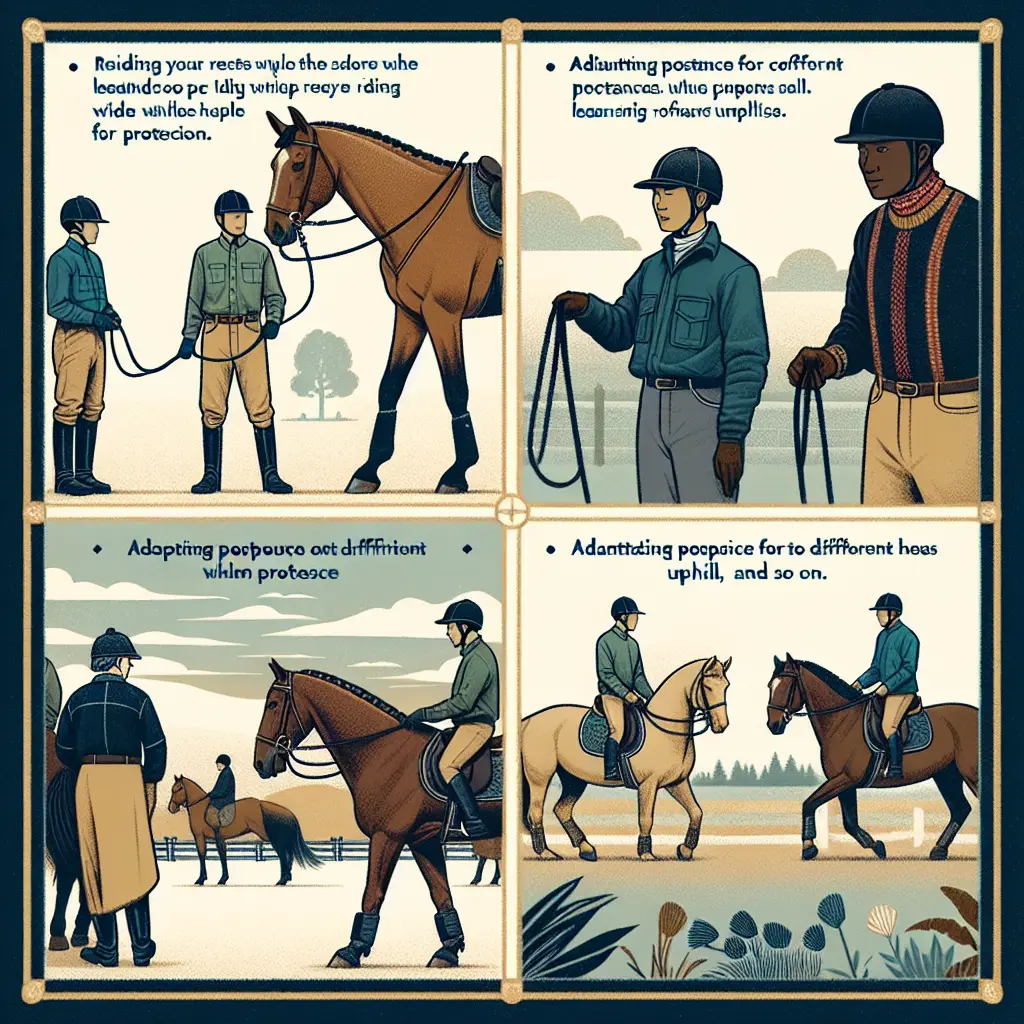
Mount your horse from the left using a controlled, steady approach to maintain balance. Improper mounting techniques can lead to loss of balance and potential falls, so practice deliberate, calm movements.
Maintaining Distance for Safety
When riding in groups, maintain a distance of one to two horse lengths between riders. This spacing prevents nearly 80% of common riding accidents, like collisions or kicking. Always seek permission before passing fellow riders, and use hand signals to communicate trail hazards.
Group Riding Etiquette
Group rides require communication and awareness. Avoid sudden movements and respect the pace of the group. Loud noises and abrupt maneuvers can unsettle horses, leading to unexpected behavior.
Adapting to Terrain and Weather
When traversing various terrains, adjust your posture—lean forward on ascents and back on descents—to maintain optimal balance. Reducing speed over rough ground helps the horse navigate more securely, thereby reducing injury risk.
Weather and Wildlife Considerations
Visibility and footing can vary greatly with weather conditions, requiring careful judgment. Calmly handle any wildlife encounters to prevent triggering a flight response in your horse.
Enhancing Rider-Horse Trust
Ensuring that your horse trusts you and is comfortable around you is paramount. Begin with patient training techniques that encourage horses to remain calm during handling and trail rides, contributing to a safer and more enjoyable experience.
Exercises to Bolster Trust
Engage in exercises that promote trust and cooperation, such as ground work routines that reinforce your leadership. Consistency in training instills confidence in horses, reducing the frequency of erratic behavior.
Choosing the Right Apparel and Accessories
Just Horse Riders offers an array of quality riding apparel like gloves and socks designed for comfort and performance. Selecting the right supplies plays a significant role in the overall riding experience.
Protective and Comfort Accessories
Consider integrating fly protection products and daily supplements from Just Horse Riders to ensure the well-being and comfort of your horse under various conditions.
The Essential Takeaway
Adherence to these safety protocols and recommendations minimizes hazards while maximizing the enjoyment of the equestrian experience for both rider and horse. For additional assurance, consider equipping your horse with high-quality stable rugs or turnout rugs, also available at Just Horse Riders.
Conclusion
By observing these practices—approaching calmly, ensuring proper equipment, maintaining safe distances, adapting to diverse conditions, and understanding horse behavior—you create a safer and more rewarding environment for both you and your horse. With knowledge and preparation, riding and leading horses become a joyous and enriching journey.
For further reading on horse handling safety, explore the expert guides from Penn State Extension and Horse & Rider. Take steps with Just Horse Riders to secure both you and your horse with the finest gear and supplies available.