

How to Stay Warm While Riding in Winter with a Body Protector
As winter approaches, horse riders face the unique challenge of staying warm while maintaining safety with a body protector. Layering is the key to comfort and warmth without sacrificing safety. This guide will explore expert-recommended strategies to help you ride safely and warmly during colder months.
Understanding the Layering System
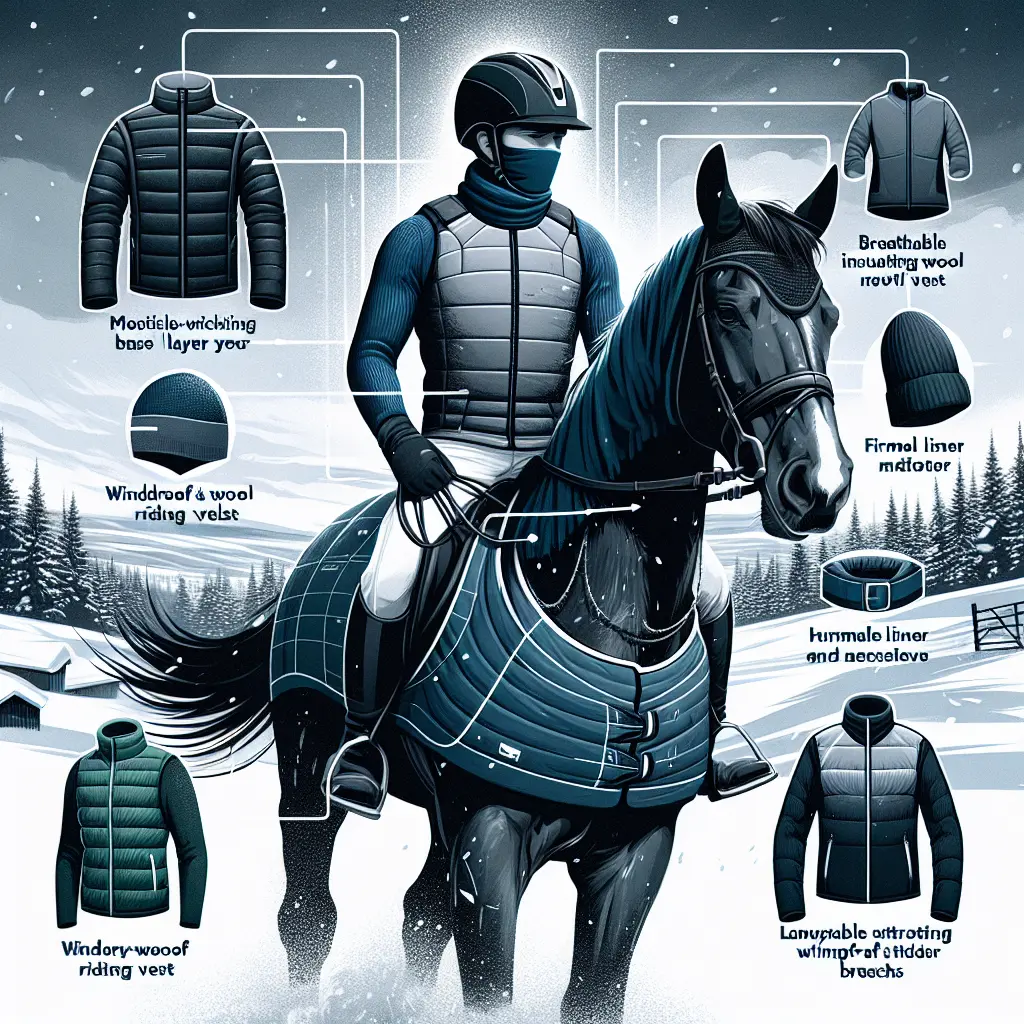
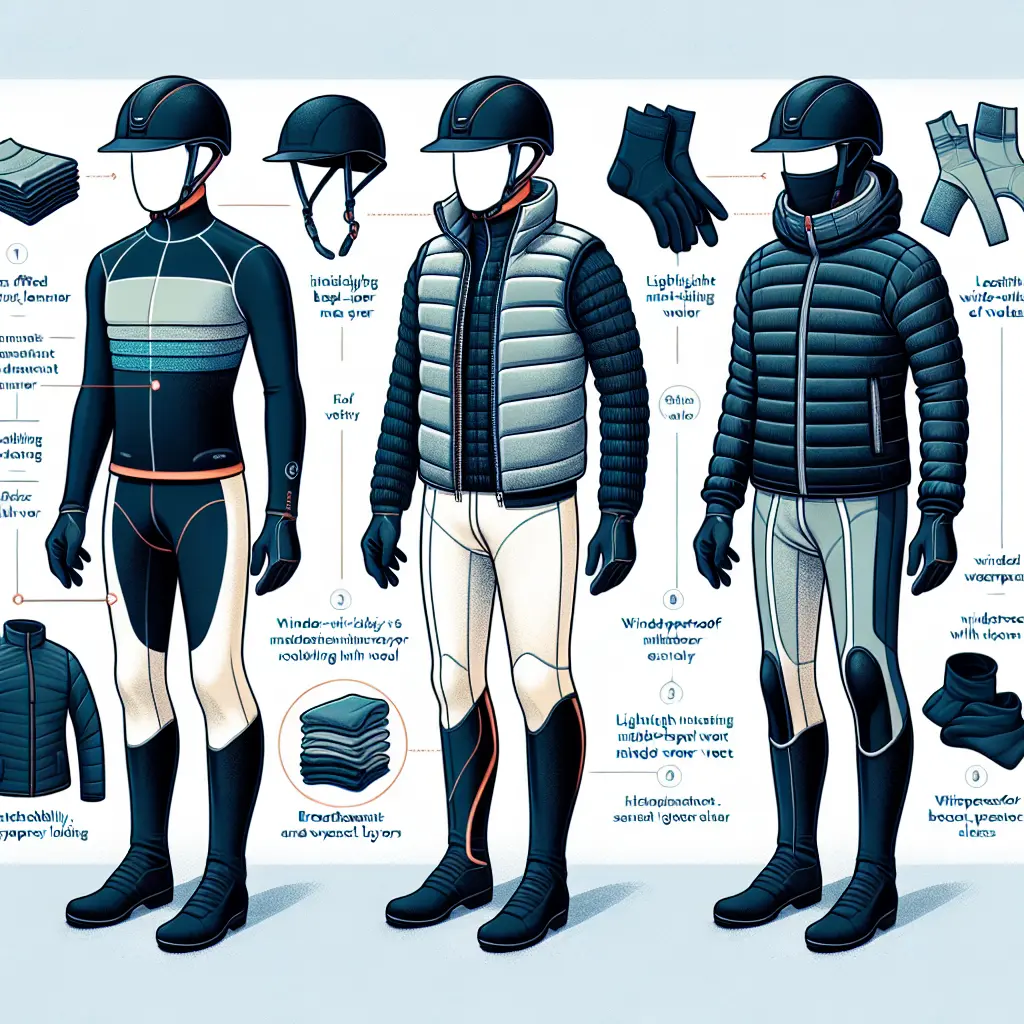
The layering system is essential when riding in winter conditions. By using a combination of base, mid, and outer layers, you can trap heat, repel moisture, and keep out wind and cold, all while wearing your body protector. This approach provides flexibility, allowing riders to adapt to varying temperatures and conditions throughout the ride.
Start with a Moisture-Wicking Base Layer
The base layer is the foundation of your outfit. Choose materials such as synthetic blends or Merino wool. These moisture-wicking fabrics effectively pull sweat away from the skin, keeping you dry and preventing chills. A snug fit ensures comfort and efficiency under your body protector.
Add an Insulating Mid-Layer
Your mid-layer should be insulating yet breathable. Consider materials like fleece or wool that trap heat without adding bulk. A well-fitted vest or jacket works seamlessly with a body protector, allowing for easy movement during rides.
Choose a Protective Outer Layer
The outermost layer is crucial for safeguarding against harsh winter elements. Opt for windproof and waterproof jackets that withstand harsh weather. Features like articulating sleeves or stretch panels enhance comfort and flexibility in motion, perfect for horseback riding.
Special Considerations for Body Protectors
Compatibility with Layers
Body protectors can add bulk, making it essential to choose slim-fit layers that don't constrict movement. Look for riding jackets that are designed to accommodate the shape of protectors, ensuring comfort and safety.
Extremities: Hands, Head, and Neck Warmth
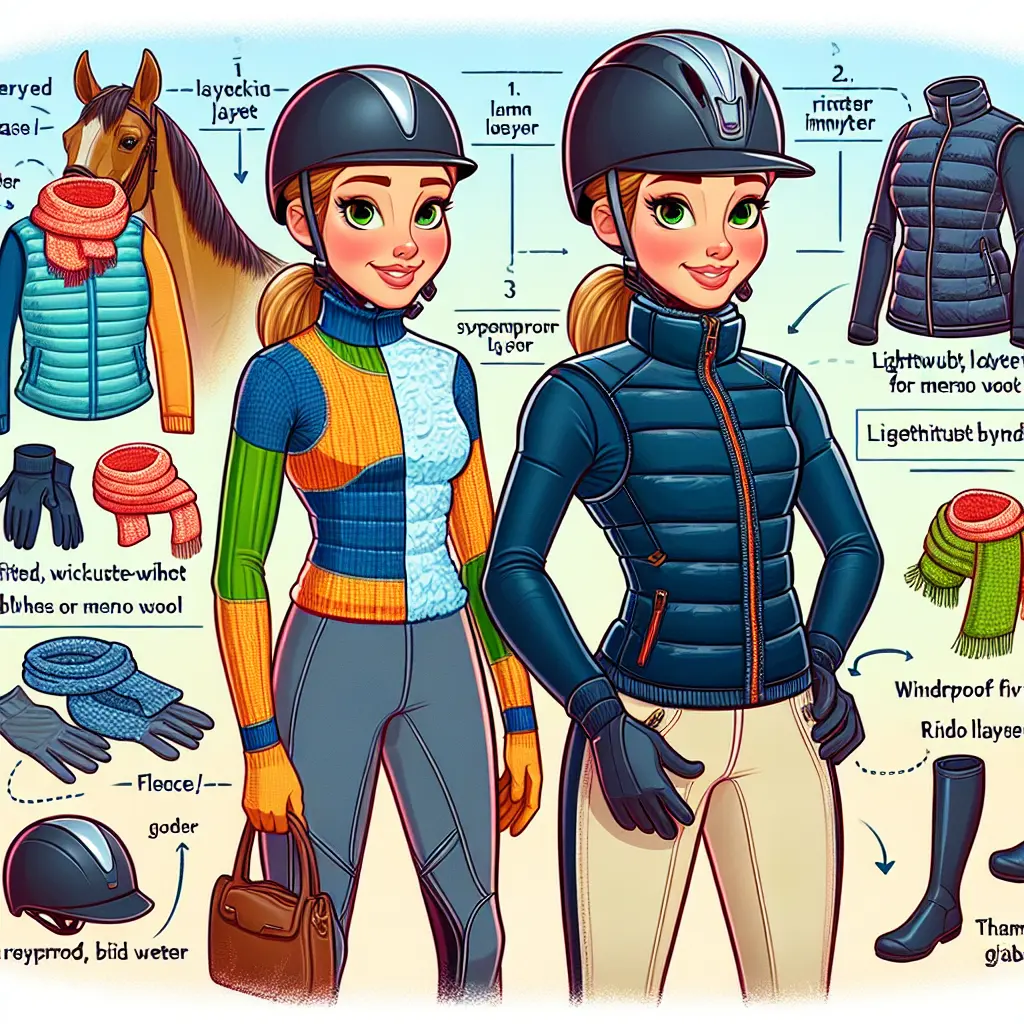
Protecting extremities is just as important as keeping your core warm. Use thermal gloves, a heat-retaining hat, or helmet liner, and a neck gaiter. These accessories are crucial for maintaining warmth without impairing functionality, like grip on the reins.
Thermal Legwear
For the lower body, thermal bib tights are superior for distributing pressure and offering wind protection. Consider layer-options like windproof breeches for added warmth. They complement the optimal comfort and protection strategy during your rides.
Why Layering is the Best Approach
Layering helps control body temperature, crucial for changing activity levels and outdoor temperature shifts. A moisture-wicking base ensures dryness, while mid and outer layers trap heat and protect against the weather, reducing risks of discomfort that can impact riding.
Key Facts and Figures
- Moisture-wicking fabrics like Merino wool reduce moisture by up to 30% more than cotton, enhancing warmth on cold days.
- Three-layer clothing systems can provide up to 60% more insulation than a single garment.
- Selecting slim, technical fabrics tuned for body protectors reduces bulk, facilitating both mobility and safety.
Concluding Thoughts
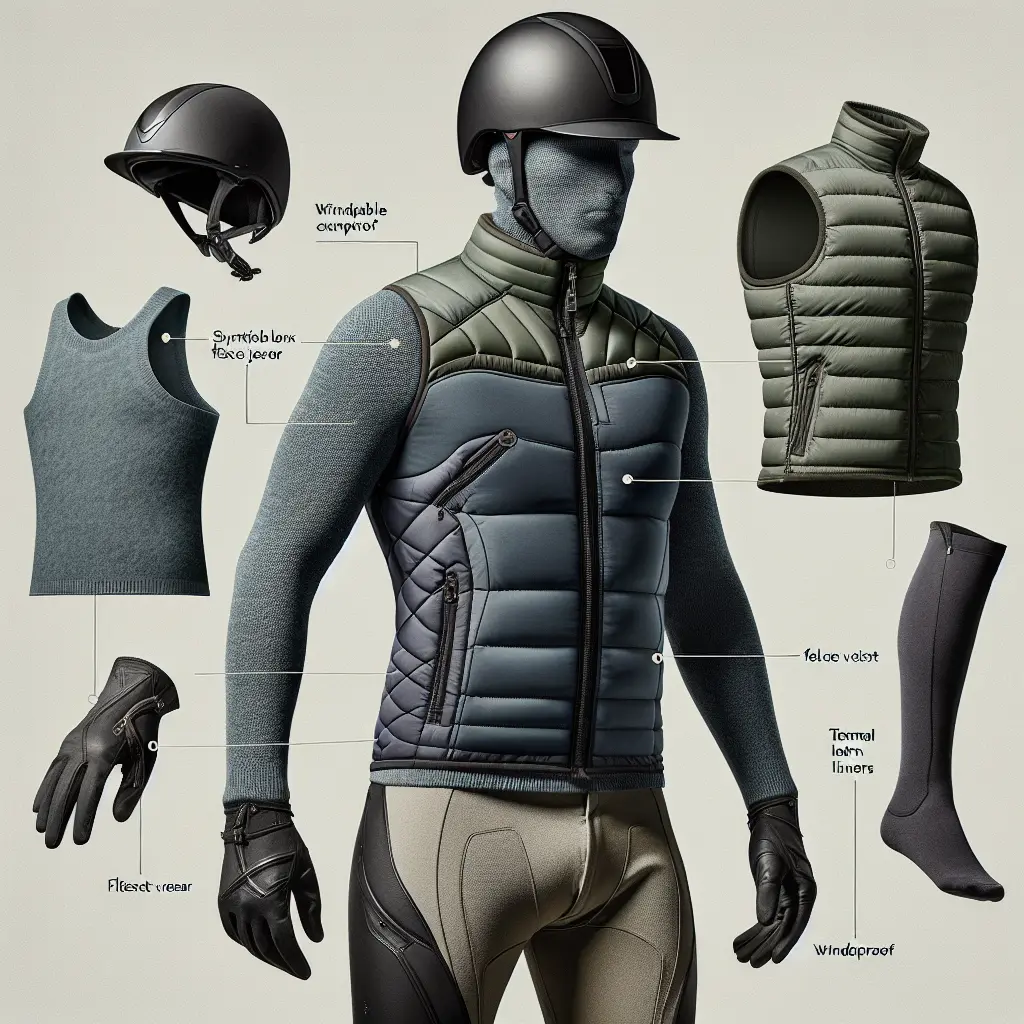
By implementing a smart layering system that includes moisture-wicking, insulating, and protective layers, riders can enjoy winter rides in comfort and safety. Accessories for hands, head, and neck are also vital to complete the configuration.
For more options and products tailored to winter riding, check out expert guides and trusted suppliers like Kerrits and The Drill Shed who specialize in performance-driven rider apparel.
Get equipped with high-quality rider apparel from Just Horse Riders and embrace winter rides like never before!