


Introduction
When it comes to horse riding, the equipment used can make a significant difference, especially for horses experiencing respiratory issues. In the world of dressage, where precision and horse-rider communication are paramount, finding the right bridle is crucial. This article will explore the advantages of using a bitless bridle for horses with respiratory concerns, focusing on how these alternatives can improve horse health and performance.
Why Bitless Bridles Matter for Horses with Respiratory Issues
Bitless bridles are gaining popularity because they offer more comfort and less stress for horses. Unlike traditional bridles that can increase respiratory strain by pressing on the horse's tongue or palate, bitless bridles apply pressure over broader areas like the nose and chin. This adjustment can particularly benefit dressage horses prone to exercise-induced pulmonary hemorrhage (EIPH) or airway inflammation [source].
Understanding Respiratory Concerns in Dressage Horses
Dressage requires horses to be supple and collected, demanding a level of respiratory ease that might be compromised by traditional bits. Horses with respiratory issues can show signs of stress like mouth gaping or head tossing, which in turn restricts airways. Bitless options are designed to prevent these stresses, helping horses maintain relaxed and effective breathing [source].
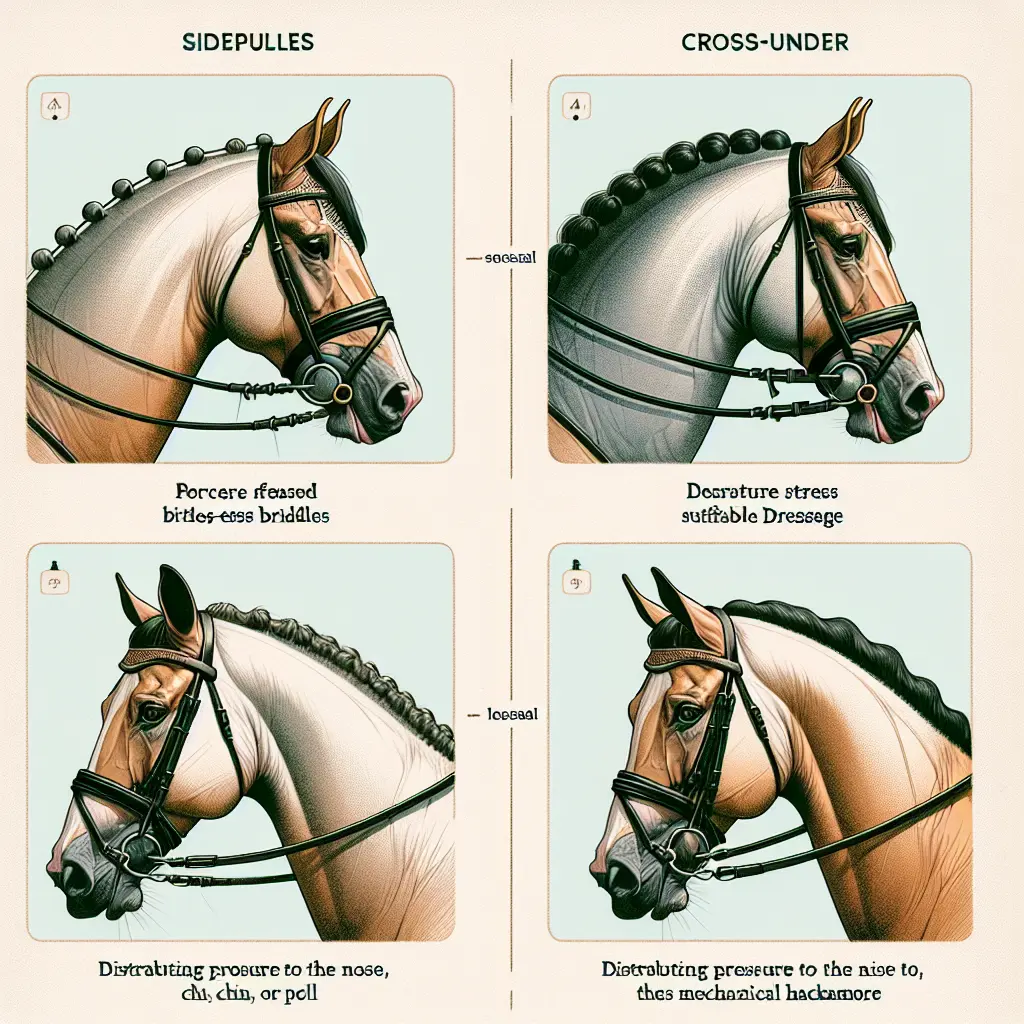
Key Benefits for Respiratory Health and Dressage Performance
- Reduced Mouth Stress: Bitless bridles eliminate the pinching and pressure typical of bits, preventing the neck tension that can impede airflow and cause discomfort [source].
- Gentler Pressure Distribution: These bridles encourage poll flexion with light chin and nose pressure, supporting deep, calm breaths necessary for dressage transitions and extensions [source].
- Improved Comfort: Young or anxious horses often suffer from bit aversion, leading to behaviors like head shaking, which can worsen breathing [source]. A comfortable bitless bridle reduces these stress signals.
Types of Bitless Bridles: Matching to Respiratory Needs and Dressage
When choosing a bitless bridle, it is critical to consider the design's impact on the horse's respiratory well-being. Prioritize styles with minimal leverage and even pressure distribution to avoid unnecessary tension.
| Type | Pressure Points | Best For Respiratory/Dressage Horses | Drawbacks |
|---|---|---|---|
| Sidepull | Nose only | Young/sensitive horses | May lack stopping power |
| Cross-Under (Cheek-Cross) | Nose, cheeks, ears | Horses disliking single-point pressure | Requires precise handling |
| Bosal Hackamore | Nose, chin | Western-style training | Less precise for lateral aids |
| Mechanical Hackamore (Short Shanks) | Nose, chin, ears | Horses needing more "feel" | Avoid long shanks |

Step-by-Step Guide to Choosing the Right One
- Assess Your Horse's Specific Issues: Consult with a veterinarian to understand specific respiratory diagnoses and tailor your bridle choice accordingly. Padded nosebands might be necessary for extra sensitivity [source].
- Evaluate Dressage Goals: Consider what you aim to achieve with your horse, from basic training to advanced dressage, and select a corresponding bridle type.
- Check Fit and Materials: Look for anatomical shaping features like padded browbands to ensure a comfortable and effective fit that doesn't aggravate the airways [source].
- Test Responsiveness: Gradually introduce the bitless bridle, starting on the ground, and note any improvement in your horse's comfort and breathing.
- Consider Rider Skill: While sidepulls are simpler for less experienced riders, more seasoned horsemen might prefer the nuanced feedback of a cross-under bridle.
- Trial Period: Monitor the horse's breathing and performance across several weeks, ensuring the bridle supports reduced stress and enhanced relaxation [source].
Potential Drawbacks and When to Avoid Bitless
While bitless bridles are beneficial for many, they are not for every horse. Horses that don’t respond well might experience increased speed and tension, which can be harmful. Proper adjustment and professional fitting are critical to avoid these issues [source].

Real-World Tips from Experts and Riders
- Start Simple: Experts suggest beginning with basic sidepulls for ease and clarity in cues.
- Padding is Key: Proper padding minimizes discomfort and pressure, encouraging respiratory ease [source].
- Transition Success: Transitioning horses to bitless bridles can be gentle and effective when done correctly, often replicating methods used in other disciplines such as Western riding.
- Vet Endorsement: Veterinarians advocate bitless bridles for horses recovering from mouth injuries or those with severe bit aversions.
Conclusion
Opting for a well-designed bitless bridle can lead to a more successful dressage performance, particularly for horses with respiratory concerns. By ensuring maximum comfort and minimal stress, these bridles help foster a stronger partnership between rider and horse, enhancing both well-being and performance. At Just Horse Riders, you can find an array of tack and riding apparel to keep both you and your horse comfortable.