

Exploring the Benefits and Costs of Hiring an Equine Agent for Horse Purchases
Purchasing a horse is an exciting yet complex journey, often accompanied by a myriad of emotions and decisions. Whether you're a seasoned rider or a budding enthusiast, the question of whether to hire an equine agent can significantly impact your buying experience. Let's take a deep dive into the nuanced world of equine agents, assessing the benefits and costs to help you make an informed choice.

The Importance of Hiring an Equine Agent
Deciding to engage an equine agent offers you a tailored navigation through the complex world of horse purchasing. But what exactly do these agents bring to the table? Here are some key benefits:
Expertise and Knowledge
An equine agent provides extensive industry knowledge and valuable connections. With a nuanced understanding of what makes an excellent horse for your skill level, they significantly reduce the risk of picking an ill-suited horse.
Negotiation Skills
Seasoned agents come equipped with strong negotiation skills. They can secure better purchase prices, potentially saving you more than their commission fees in the process.
Reduced Risk
With an agent, the risk of running into unexpected health or behavioral issues decreases. They ensure that the horse you choose aligns with your goals, preventing costly errors.[3]
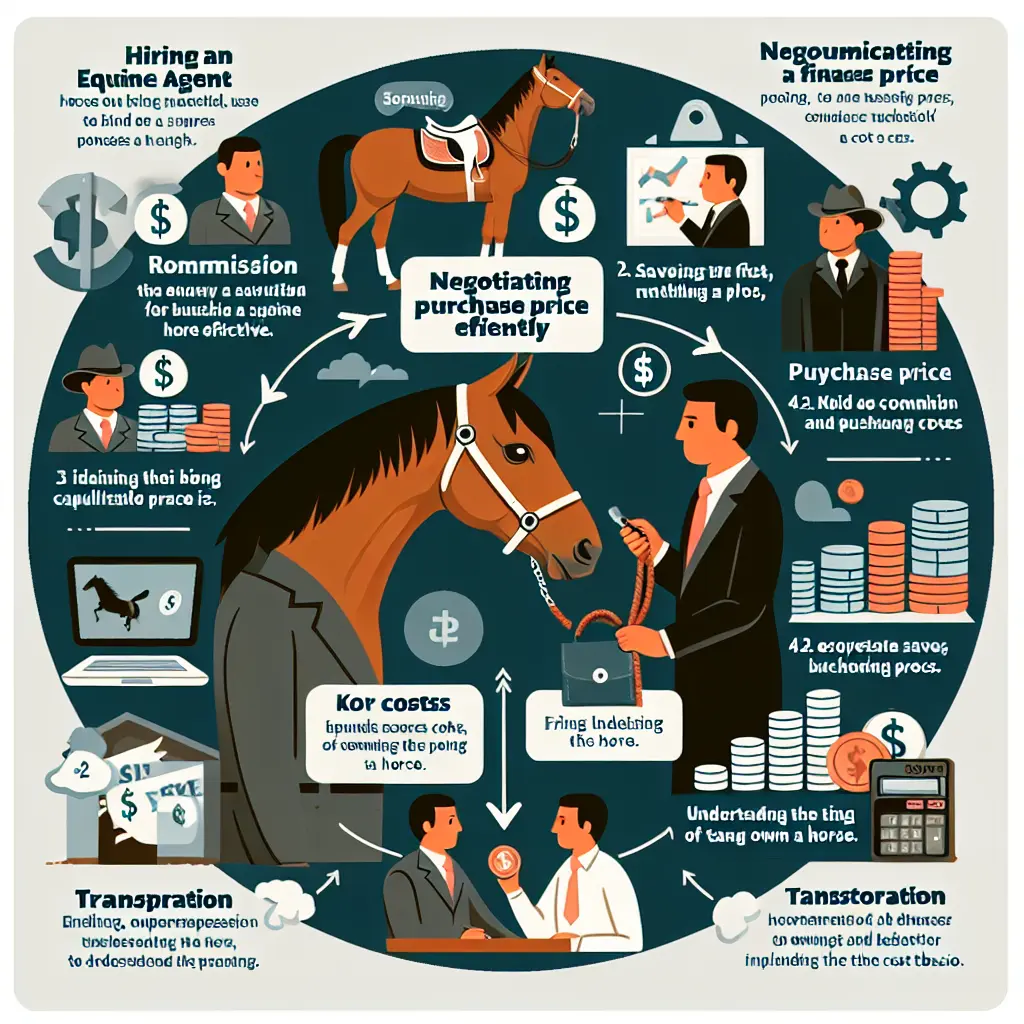
Evaluating the Costs of Hiring an Equine Agent
While the benefits are notable, it is essential to consider the associated costs:
Commission Fees
Typically, commission fees range from 10% to 20% of the horse's sale price, covering the agent's efforts, travel, and related expenses during the purchase journey.[3]
Additional Expenses
Beyond commission, you should account for transportation costs and other expenses. These costs contribute to the horse's capitalized value in financial statements.[2]

Navigating Accounting and Tax Implications
With horse purchases, understanding accounting and tax nuances is crucial:
Capitalization of Costs
The horse's purchase price, alongside agent commissions and associated costs, becomes part of the cost basis and remains on balance sheets until the horse is sold[2]. Business horses could qualify for depreciation once they are "placed in service."
Equine Mortality Insurance
The insurable value of a horse can differ from the purchase price. This value reflects not just the acquisition cost, but also potential training or breeding potential.[4][5]

Conclusion: Is Hiring an Equine Agent Worth It?
Engaging an equine agent can be a valuable investment for horse purchases. Despite the costs, the benefits of expertise, negotiation prowess, and risk mitigation frequently surpass expenses. Ensure you consider all aspects of accounting and insurance to align your purchase with your financial objectives.
For all your horse riding needs, "Just Horse Riders" provides an impressive Jodhpur collection, riding boots, and gloves, ensuring a stylish and comfortable ride. Or explore their equestrian supplements to enhance your horse’s health.