

Caring for Aging Horses: How a Balanced Diet and Regular Check-Ups Can Make a Difference
Aging horses, much like vintage wine or a well-worn pair of boots, need a little extra care and attention to ensure they remain in tip-top shape. Understanding their changing needs, providing a balanced diet, and ensuring regular veterinary check-ups play pivotal roles in maintaining their health and happiness.
Understanding Aging Horses
As our equine companions enter the twilight of their years, they face numerous challenges that weren't present in their younger days. Typically, signs of aging begin appearing between 15 and 18 years of age, with noticeable changes like dental issues and digestive problems cropping up due to a declining immune system.
The Importance of a Balanced Diet
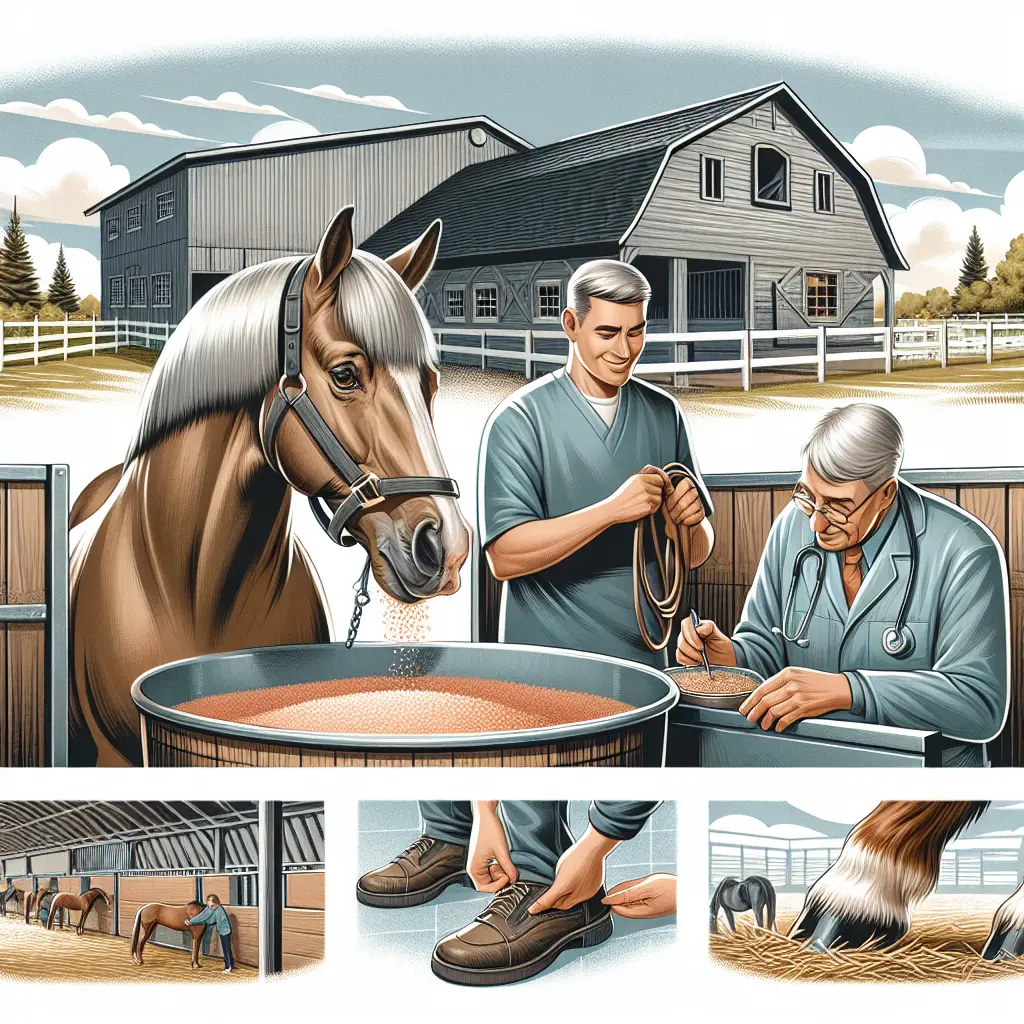
Feeding older horses requires keen attention to dietary components, ensuring they receive adequate levels of protein, fiber, vitamins, and minerals. Here’s how you can tweak their diet to better suit their needs:
Digestible Fiber
Consuming large amounts of hay might have been pure bliss for your horse in his prime, but aging often brings along dental challenges. Offer softer, easily digestible options like chopped hay or soaked beet pulp.
Low Starch and Sugar
Older horses prone to laminitis or metabolic syndromes may benefit from a low-starch and low-sugar diet. Select hay that’s been tested for starch content—we all like special-treatment hay!
Senior Feeds
Think of senior feeds as dietary gold mines. They boast higher quality protein and vitamins conducive to muscle and immune health. But remember, not all seniors need these feeds; tailor your approach to their unique health status.
Regular Veterinary Check-Ups
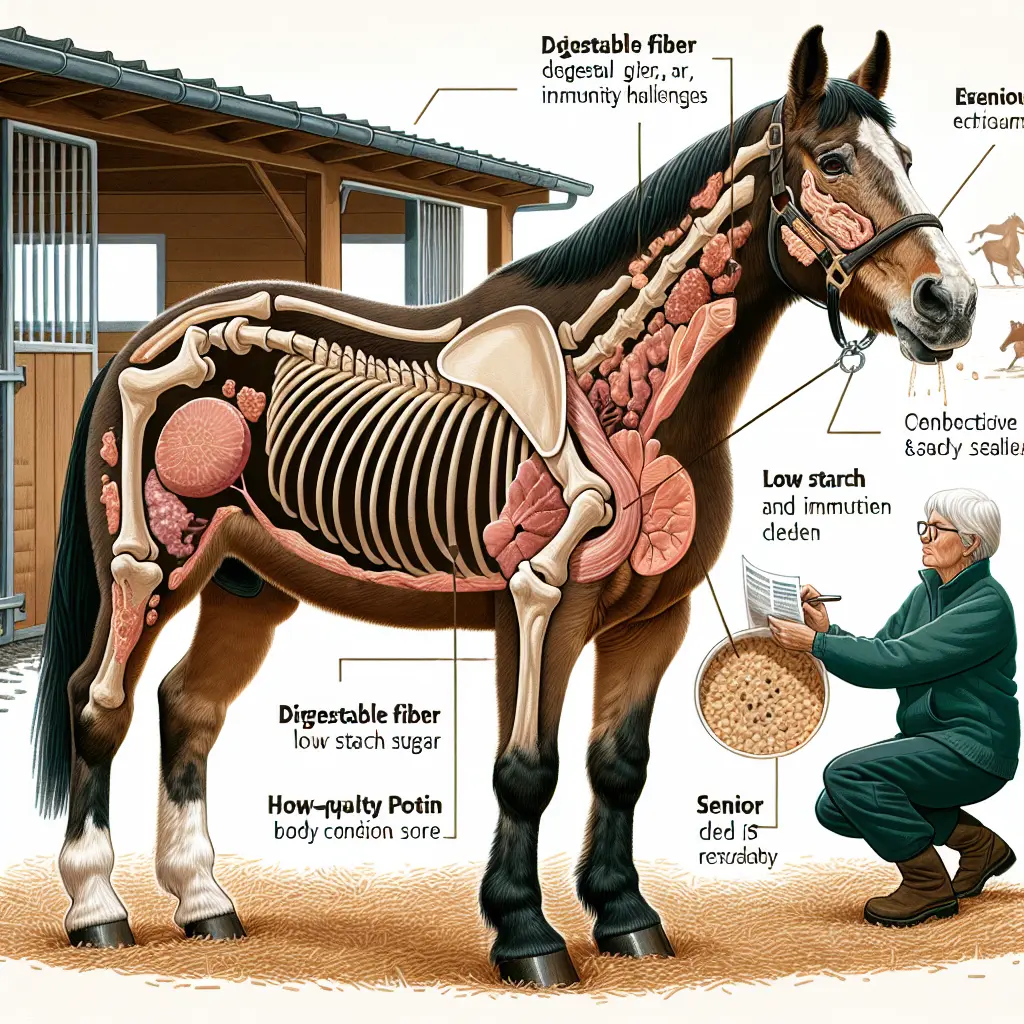
As cherished members of the family, older horses deserve regular attention from the vet. Regular check-ups consist of:
Physical Exams
These involve a comprehensive listening session—it’s not a horse podcast but rather a health examination of the heart, lungs, and digestive tract.
Dental Exams
Frequent dental check-ups can prevent the weight loss and profitless feeding that come with dental problems. Let’s prevent horse gnashers from becoming horse nightmares.
Body Condition Scoring
Continually monitor weight and body condition so your horse doesn't become equine Twiggy or Mr. Plump.
Vaccinations and Deworming
Like an annual flu shot or spring cleaning, staying current with vaccinations and deworming helps protect against diseases and parasites.
Additional Care Strategies for Aging Horses
Despite the gray hairs, these patron horses can still shine bright with some added strategies.
Hoof Care
Your horse may dream of being a dance star, but regular trimming and shoeing are essential to maintain good hoof balance and reduce joint stress.
Gentle Exercise
Who needs a personal trainer when a gentle exercise routine keeps those joints dancing? Light turnouts or short rides help maintain fitness and joint lubrication.
Stable Environment
Most horses prefer manor houses, but a stable with adequate bedding and the right temperature will do for older horses dealing with temperature regulation.
Conclusion
If humans treat old age like a fine wine (a tad quirky but generally worth savoring), our equine friends deserve the same respect. Tender care through a balanced diet, routine vet check-ups, and spot-on living conditions will help keep them healthy, serene, and trotting happily into the sunset.